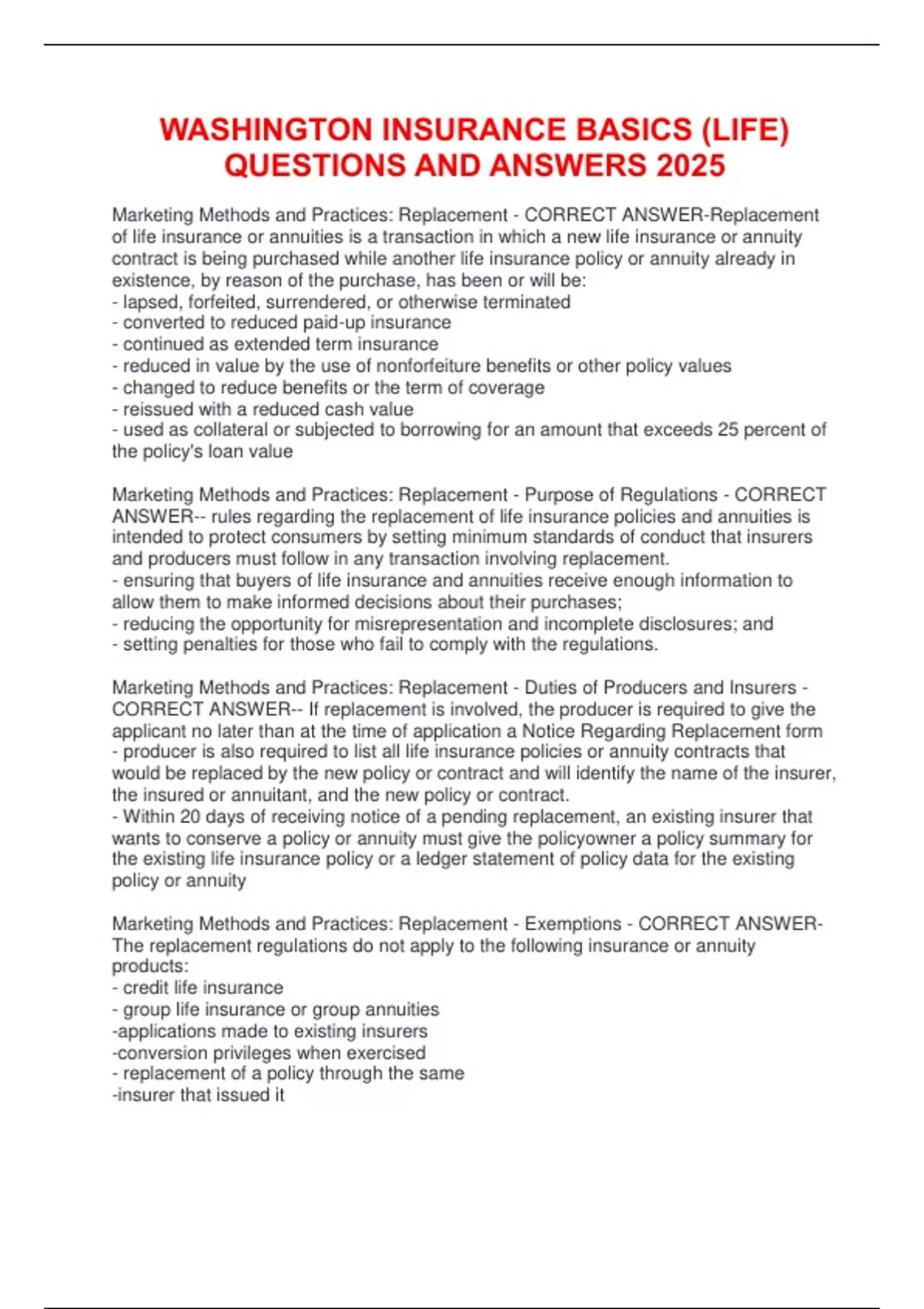
Understanding Life Insurance Basics: A Comprehensive Guide to Coverage
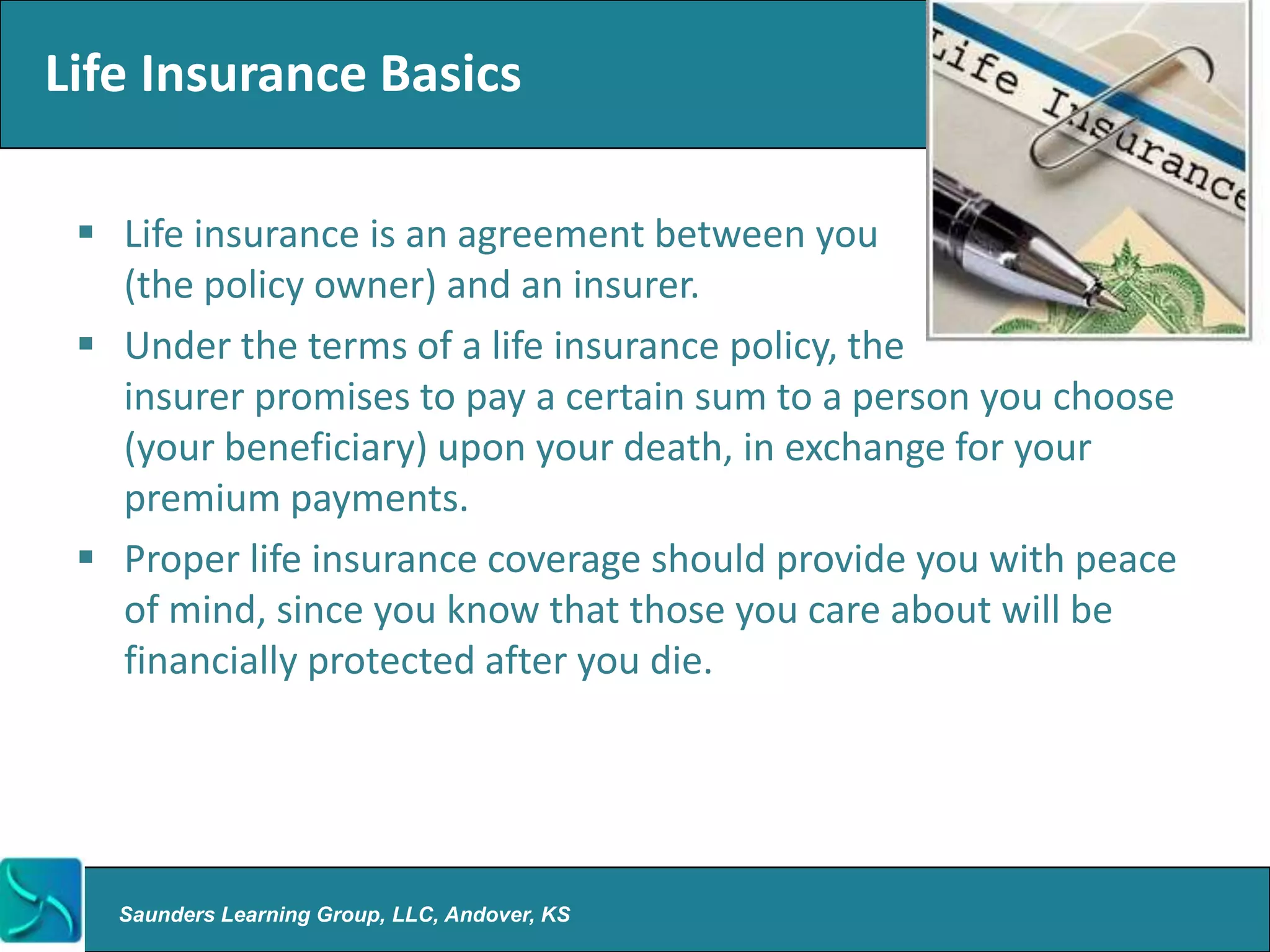
Life insurance is a legal contract between an individual and an insurance company where the insurer provides a designated death benefit to beneficiaries in exchange for periodic premium payments. It functions as a financial risk-manage...
Life insurance is a legal contract between an individual and an insurance company where the insurer provides a designated death benefit to beneficiaries in exchange for periodic premium payments. It functions as a financial risk-management tool designed to replace lost income, cover debts, and provide long-term security for dependents upon the policyholder's passing.
Contents
The Core Function of Life Insurance
At its simplest level, life insurance serves as an income replacement mechanism. When an individual who provides financial support for others passes away, the loss of their earnings can create an immediate financial crisis for the surviving family. Life insurance mitigates this by providing a lump-sum payment—known as the death benefit—that can be used for funeral costs, mortgage payments, educational expenses, and day-to-day living costs.
Unlike other forms of insurance, such as auto or homeowners insurance, which protect against potential physical damage to assets, life insurance protects against the economic loss resulting from the death of the insured. Because the outcome (death) is guaranteed, the policy is essentially a hedge against the timing of that event.
Distinguishing Between Term and Permanent Life Insurance
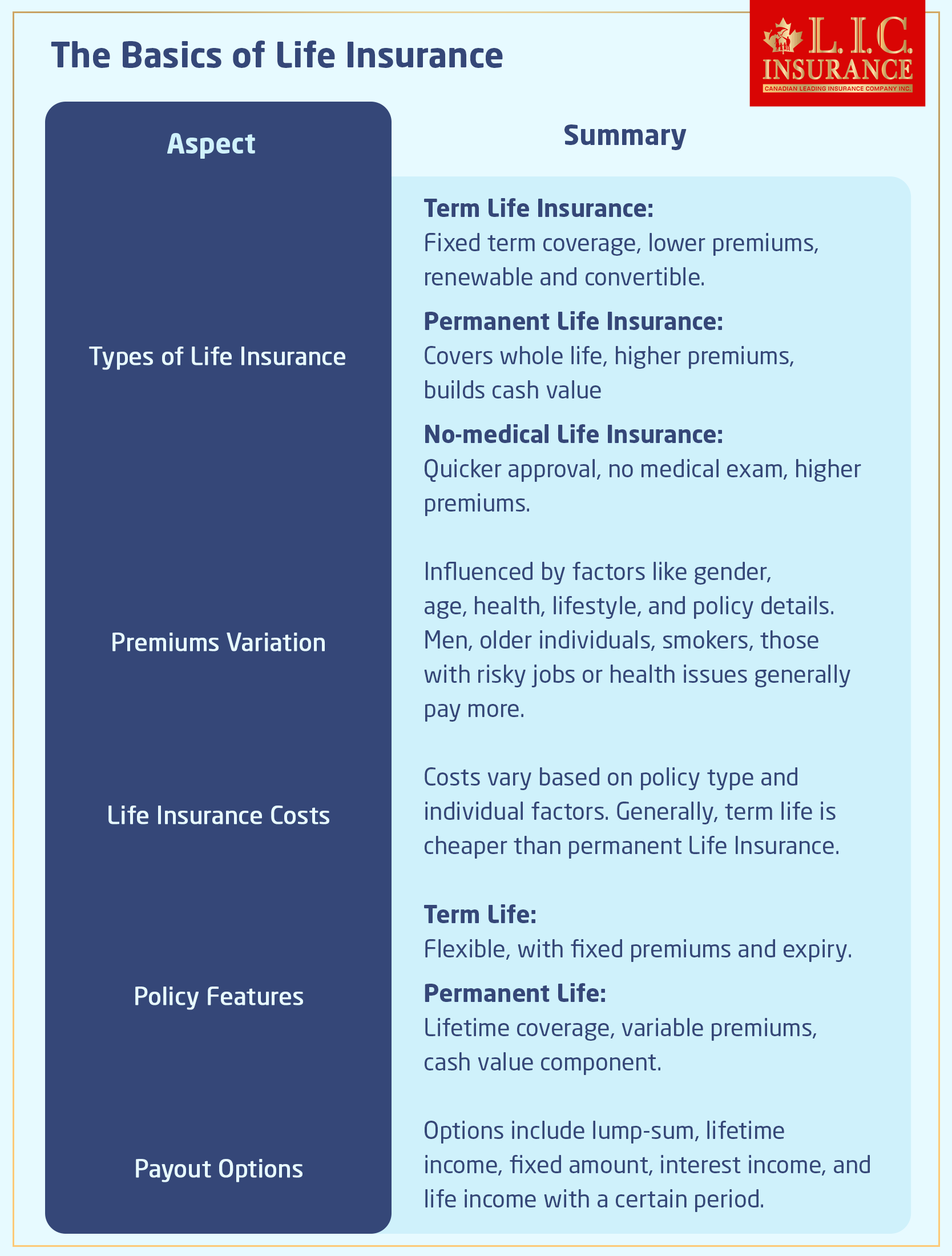
The insurance market is broadly divided into two primary categories: term life and permanent (or cash value) life. Understanding the difference is the first step in determining which product fits your long-term financial strategy.
Term Life Insurance Term life is the most straightforward form of coverage. You purchase a policy for a specific duration—typically 10, 20, or 30 years. If the insured person dies within that timeframe, the beneficiary receives the death benefit. If the policy expires before the insured dies, the coverage ends, and no benefit is paid. This product is popular because it is generally affordable and offers a pure death benefit without any investment component.
Permanent Life Insurance Permanent insurance, which includes Whole Life and Universal Life, covers the insured for their entire life, provided the premiums are paid. These policies also include a "cash value" component. A portion of each premium payment is diverted into a savings or investment sub-account that grows over time. Policyholders can often borrow against this cash value or withdraw it, making permanent insurance a more complex, albeit more expensive, financial instrument.
Key Terminology and Contractual Components
Navigating insurance documentation requires familiarity with the standard lexicon used in policy contracts.
- Premium: The fixed or variable amount paid periodically (monthly, quarterly, or annually) to maintain the policy in force.
- Death Benefit: The specific amount of money the insurance company pays to the beneficiary upon the death of the insured.
- Beneficiary: The individual, trust, or organization named in the policy to receive the death benefit proceeds.
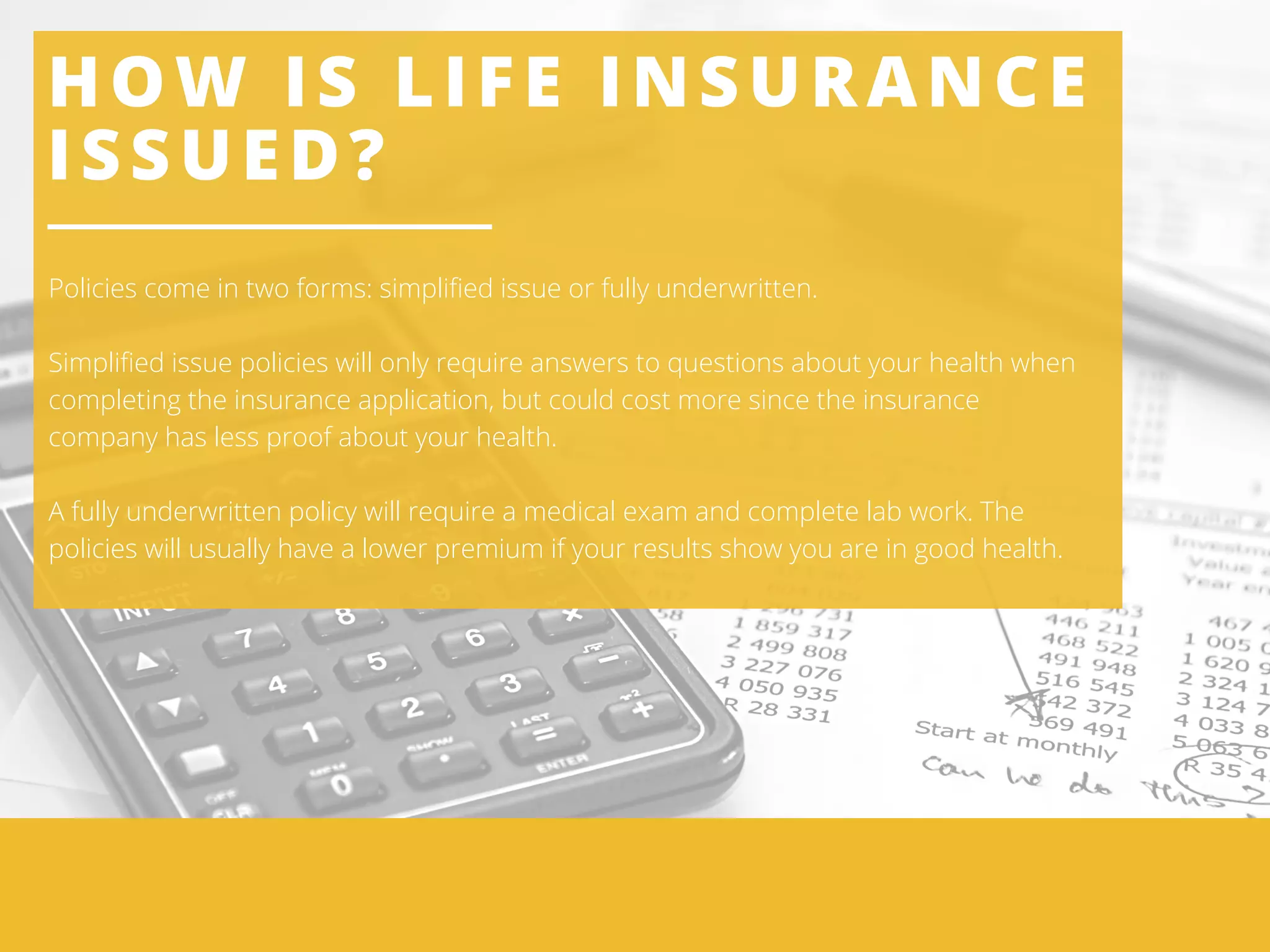
- Underwriting: The process by which the insurer evaluates the risk of insuring an applicant. This includes reviewing medical history, age, occupation, and lifestyle habits.
- Riders: Optional add-on features that modify the standard policy. Common examples include "Accidental Death" riders, which pay an additional benefit if death is the result of an accident, or "Waiver of Premium" riders, which pause premium payments if the insured becomes disabled.
Comparison of Life Insurance Types
| Feature | Term Life Insurance | Whole Life Insurance |
|---|---|---|
| Duration | Fixed (10–30 years) | Lifetime (until death) |
| Cash Value | None | Yes, accumulates over time |
| Premiums | Lower, fixed during term | Higher, often level for life |
| Purpose | Temporary income replacement | Lifetime coverage / Wealth transfer |
| Complexity | Low | High |
The Underwriting Process: What Insurers Evaluate
Insurance companies must assess the level of risk an applicant poses before issuing a policy. This process, known as underwriting, helps the company determine if they will insure the individual and at what premium rate.
In 2026, most insurers require a combination of data points to evaluate risk. These include:
- Medical Records: A review of health history, including chronic conditions and past surgeries.
- Paramedical Exam: Many policies require a physical exam, which includes height and weight measurements, blood pressure checks, and blood/urine samples to detect tobacco use, cholesterol levels, or underlying health issues.
- Lifestyle Factors: High-risk hobbies (such as skydiving or rock climbing) and occupational hazards can increase premiums.
- Financial Profile: For high-value policies, insurers may review income documentation to ensure the coverage amount requested aligns with the applicant’s financial reality.
Determining How Much Coverage You Need
A common mistake in purchasing life insurance is selecting an arbitrary round number. The appropriate amount of coverage should be calculated based on your specific financial obligations. A standard "Rule of Thumb" is to calculate your total debt (mortgages, personal loans), anticipated future expenses (children’s college tuition), and the number of years your dependents will need income replacement.
For example, if you earn $80,000 annually and want your family to maintain their standard of living for 10 years, you might consider a death benefit of $800,000, adjusted for inflation and existing assets.
Frequently Asked Questions
Does life insurance pay out for suicide? Most life insurance policies include a "suicide clause," typically lasting for the first two years of the policy. If the insured passes away by suicide during this period, the insurer typically returns the premiums paid but does not pay the death benefit. After the two-year period, death by suicide is usually covered.
Can I have more than one life insurance policy? Yes. It is common for individuals to hold multiple policies. For instance, you might have a group life insurance policy provided by your employer and a private, individual term policy that stays with you even if you change jobs.
Is the death benefit taxable? In general, life insurance death benefits are considered income-tax-free for the beneficiary under current tax laws. However, if the policy is held in a way that generates interest or if the estate is subject to federal estate taxes, the situation can change. Consult a tax professional regarding your specific jurisdiction.
What happens if I stop paying premiums? If you stop paying premiums on a term life policy, the policy usually lapses, and all coverage ends. For permanent policies with cash value, the insurer may use the accrued cash value to pay the premiums for a period of time, but once the cash value is exhausted, the policy will lapse.
Can I change my beneficiaries? Yes. Most policies allow you to change your primary or contingent beneficiaries at any time. It is important to review your beneficiary designations every few years or following major life events such as marriage, divorce, or the birth of a child.
Professional Advice Limitation
While this guide provides foundational knowledge regarding life insurance basics, it does not constitute financial, tax, or legal advice. Insurance needs are highly individualized, and policies are governed by state regulations and specific contract language. Before purchasing a policy, review the "prospectus" or "specimen policy" provided by the insurer and consider speaking with a licensed insurance agent or a fiduciary financial planner to assess your specific requirements.
Next Steps
To begin securing your financial future, start by inventorying your current assets, existing debt, and long-term financial goals. Once you have a clear picture of your needs, request quotes from multiple reputable insurers. Compare the policy "specimen" contracts—not just the premiums—to ensure you understand the exclusions, definitions, and renewal terms before committing to a long-term contract.
Image Gallery