Unpacking the Return on Investment for Whole Life Insurance: Financial Reality vs. Marketing Claims
The return on investment for whole life insurance is typically quite low, often yielding a net internal rate of return between 1% and 3.5% over the long term. While whole life insurance provides a permanent death benefit and a tax-adva...
The return on investment for whole life insurance is typically quite low, often yielding a net internal rate of return between 1% and 3.5% over the long term. While whole life insurance provides a permanent death benefit and a tax-advantaged cash value component, its early fees significantly reduce initial returns, making it an inefficient vehicle if pure financial growth is the primary goal.
Contents
Evaluating permanent insurance products requires looking past marketing terminology to understand how contracts actually function. Consumers frequently encounter agents who market these policies as high-yielding investment vehicles, private banking systems, or superior alternatives to traditional market portfolios.
However, regulatory bodies, independent financial planners, and actuarial data reveal a much more nuanced financial picture. To determine whether a permanent insurance contract aligns with your personal financial strategy, it is essential to examine the mechanics of cash value accumulation, dividend structures, fee drag, and opportunity costs.
Core Mechanics: How Whole Life Insurance Accumulates Value
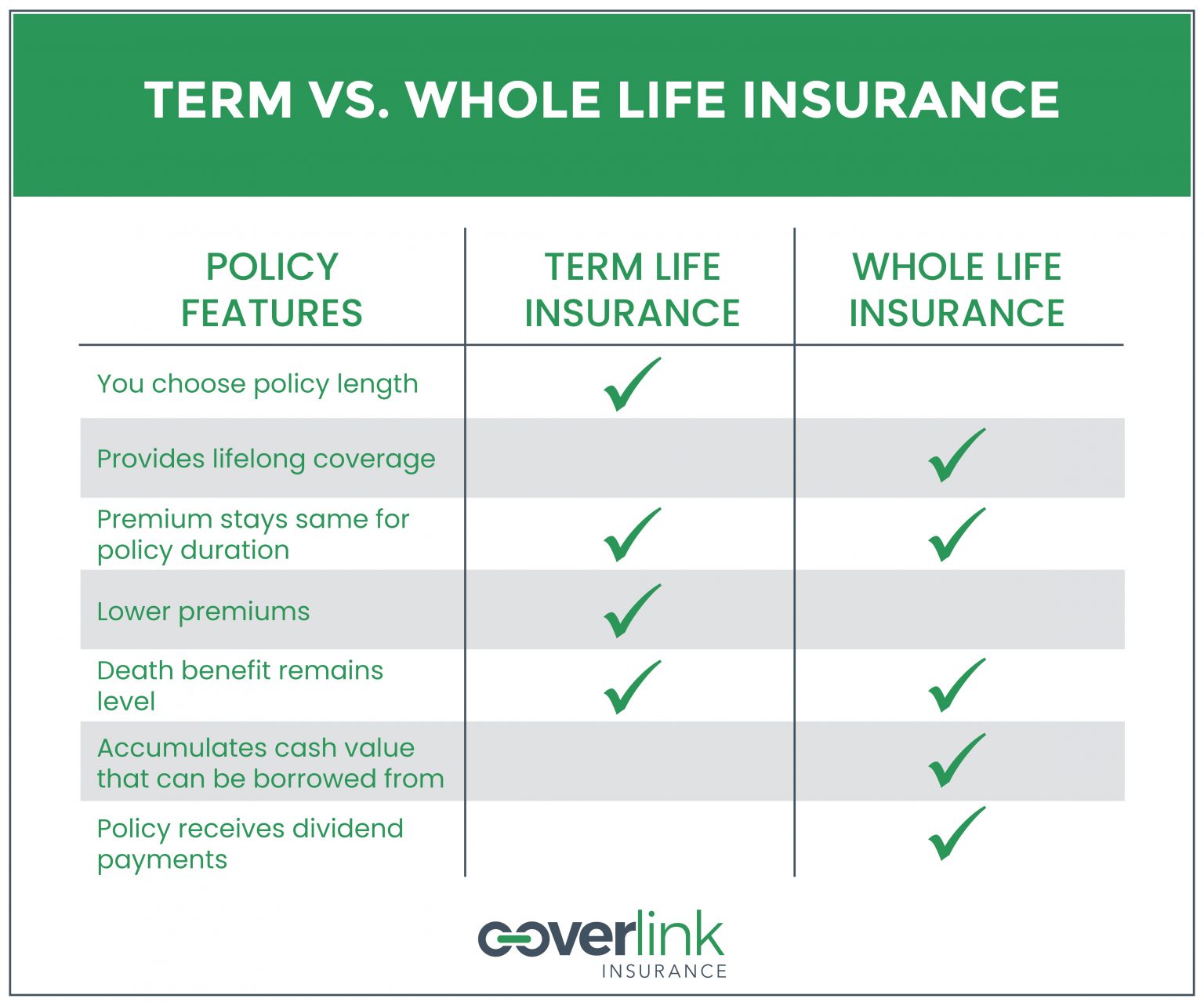
Whole life insurance is a type of permanent life insurance designed to remain in force for the insured’s entire life, provided required premiums are paid. Unlike term life insurance, which only covers a specific period and builds no equity, a portion of every whole life premium goes toward a savings component known as the cash value.
The cash value grows on a tax-deferred basis, meaning policyholders do not pay taxes on the interest or dividends credited to the account as long as the money remains inside the policy. Insurance companies invest these collected premiums predominantly in conservative fixed-income assets, such as high-grade corporate bonds and government securities, alongside mortgages and occasional real estate holdings.
Because the insurer guarantees a minimum rate of return and promises a fixed death benefit, the underlying investment strategy must be risk-averse. This conservative asset allocation is the primary reason why the raw growth rate of whole life insurance cash value generally lags behind broad equity market indices over multi-decade horizons.
Breaking Down the Returns: Dividends, Guarantees, and Fees
When evaluating the return on investment for whole life insurance, policyholders must distinguish between guaranteed cash value growth and non-guaranteed dividends.
Guaranteed Interest Rates
Every whole life contract includes a guaranteed minimum rate of interest—typically ranging from 1.5% to 4% depending on the issuing company and the year the policy was issued. Even if the broader economy enters a severe recession or interest rates plummet, the insurance company is legally obligated to credit this minimum rate to the cash value.
Participating Policies and Dividends
Many whole life policies are "participating," meaning the policyholder is eligible to receive annual dividends if the insurance company performs better than anticipated regarding mortality rates, investment yields, and operating expenses. While these dividends are technically not guaranteed, major mutual insurance companies have historical records of paying dividends annually for over a century. Policyholders can typically use dividends to:
- Reduce upcoming premium payments.
- Purchase paid-up additions (PUAs), which increase both the cash value and the death benefit.
- Accumulate cash interest in a side account.
- Receive cash payouts directly.
The Impact of Fee Drag
The primary factor depressing the return on investment for whole life insurance, particularly in the early policy years, is heavy fee drag. During the first few years of a contract, commissions paid to the agent, administrative underwriting costs, and premium taxes consume a substantial portion of the paid premiums.
Consequently, the cash value of a newly issued whole life policy is often near zero for the first one to three years. It typically takes anywhere from 7 to 15 years—and sometimes longer—for the cash value to equal or exceed the cumulative premiums paid into the contract.
Comparing Whole Life Returns to Alternative Financial Vehicles
To accurately judge financial performance, policyholders must compare whole life insurance against alternative vehicles designed for wealth accumulation and retirement planning.
| Financial Vehicle | Average Historical Return | Liquidity & Access | Tax Treatment | Primary Risk Factor |
|---|---|---|---|---|
| Whole Life Insurance | 1% – 3.5% Net IRR | Low initially; accessible via policy loans | Tax-deferred growth; tax-free loans | Insurer financial strength; low early returns |
| High-Yield Savings Accounts | Variable (Tracks Fed Rate) | Immediate and high liquidity | Fully taxable as ordinary income | Inflation risk |
| S&P 500 Index Funds | 7% – 10% Historical Nominal | High; subject to market sale timing | Taxable unless held in tax-advantaged accounts | Market volatility and capital loss risk |
| Traditional/Roth IRAs & 401(k)s | Varies by underlying allocation | Restricted until age 59½ (penalties apply) | Tax-deferred (Traditional) or tax-free (Roth) | Market risk and contribution limits |
As illustrated above, standard equity-based retirement accounts offer significantly higher long-term growth potential than whole life insurance. However, equities introduce market volatility risk, whereas whole life offers downside protection and a guaranteed death benefit.
Strategic Use Cases: When Whole Life Insurance Makes Sense
Despite modest nominal returns, whole life insurance serves specific financial planning functions that cannot be replicated by traditional brokerage accounts or savings vehicles.
Estate Planning and Liquidity Needs
For high-net-worth individuals whose estates exceed federal or state estate tax exemption thresholds, whole life insurance provides an efficient mechanism to generate immediate, tax-free liquidity upon death. This liquidity can be used by heirs to pay estate taxes without being forced to liquidate illiquid family businesses or real estate holdings prematurely.
Special Needs Planning
Families supporting a dependent with special needs often utilize whole life insurance to fund a special needs trust. Because the death benefit is guaranteed and bypasses probate, it ensures that financial support continues uninterrupted after the primary caregivers pass away.
Supplemental Tax-Free Retirement Income
Through careful policy design—often utilizing paid-up addition riders and keeping the death benefit as low as underwriting limits permit—policyholders can maximize early cash accumulation. In retirement, individuals can take policy loans against their accumulated cash value to supplement retirement income without triggering capital gains taxes or ordinary income tax, provided the policy does not lapse.
Common Misconceptions and Pitfalls to Avoid
Navigating permanent life insurance requires caution, as aggressive sales tactics often distort financial expectations.
- "Buy Term and Invest the Difference" vs. Whole Life: Financial educators frequently advocate for buying inexpensive term insurance and investing the cost savings in low-fee index funds. For the vast majority of consumers, this strategy yields significantly higher net worth over a working lifetime.
- Treating Cash Value Like a Bank Account: While policy loans allow you to borrow against your cash value without formal credit checks, the borrowed amount accrues loan interest. If the total loan balance exceeds the remaining cash value due to unpaid interest, the policy will lapse, potentially triggering a massive tax liability on the gains.
- Assuming Past Dividend Rates Will Continue: Insurance company dividend scales are adjusted annually based on economic conditions. Projections provided by agents at the time of sale are hypothetical illustrations, not guarantees.
Frequently Asked Questions
Is the return on investment for whole life insurance taxable?
The internal growth of the cash value is tax-deferred, meaning you do not pay income taxes on gains while they accumulate inside the policy. Furthermore, withdrawals up to your cost basis (the total amount of premiums paid) are generally tax-free. Policy loans are also tax-free, provided the policy remains active until the insured's death. If the policy lapses with outstanding loans exceeding the basis, the gain becomes taxable.
Why is my cash value so low during the first few years?
Insurance companies front-load whole life policies with administrative expenses, regulatory fees, and agent commissions. In the first year or two, virtually none of your premium goes toward building cash value. The policy requires a seasoning period—often a decade or longer—for the cash value to surpass the cumulative premiums paid.
Can I lose money in a whole life insurance policy?
With a reputable mutual insurance company, the guaranteed portion of your cash value cannot decline due to market downturns. However, you can effectively lose money if you surrender the policy during the early years, because surrender charges and fee structures will return far less than the total premiums you paid.
How do policy loans work against cash value?
You do not actually withdraw your cash value when taking a loan; instead, the insurance company extends a loan using your cash value as collateral. The insurance company charges an interest rate on the loan, while your cash value continues to earn its guaranteed interest and dividends (though often at a slightly reduced rate on the borrowed portion).
Is whole life insurance a good investment for retirement?
For most average earners, whole life insurance is an inefficient primary retirement vehicle because of high costs and lower long-term yields compared to tax-advantaged retirement accounts like 401(k)s or IRAs. It is generally reserved for individuals who have already maximized traditional retirement accounts, require permanent estate liquidity, or place a high premium on guaranteed downside protection.
Next Steps and Professional Guidance
If you are considering whole life insurance, begin by evaluating your core financial objectives. If your primary goal is maximizing wealth accumulation for retirement, prioritizing low-cost equity index funds and maximizing tax-advantaged retirement accounts is mathematically superior for most individuals.
Conversely, if you require permanent estate planning solutions, business succession protection, or guaranteed lifetime insurance coverage, consult an independent, fee-only financial planner or fiduciary. Independent advisors who are not tied to a single insurance carrier can run comparative ledger illustrations, analyze fee structures, and objectively determine whether a permanent insurance contract aligns with your comprehensive financial plan.
Image Gallery