Understanding the True Personality of a Golden Retriever: Temperament, Traits, and Behavior
The personality of a golden retriever is defined by an exceptional blend of affectionate loyalty, high intelligence, steady patience, and an enduring puppy-like enthusiasm that lasts well into adulthood. Bred originally as a gundog to...
The personality of a golden retriever is defined by an exceptional blend of affectionate loyalty, high intelligence, steady patience, and an enduring puppy-like enthusiasm that lasts well into adulthood. Bred originally as a gundog to retrieve waterfowl, this breed combines a soft mouth with a resilient work ethic, resulting in an even-tempered, highly sociable companion.
Contents
Introduction to the Golden Retriever Temperament
The golden retriever is widely celebrated as one of the most popular companion dog breeds globally, and this popularity is rooted almost entirely in its predictable, sunny disposition. Understanding what makes a golden retriever tick requires examining the intersection of its historical working background, its psychological drive to please human handlers, and its natural affinity for social engagement. Unlike guardian breeds that may display aloofness toward strangers or independent hounds that follow scent trails regardless of commands, golden retrievers are hardwired to look to humans for direction, validation, and companionship.
However, interpreting this breed's character accurately requires looking beyond the cheerful stereotype. While they are famously gentle with children and famously tolerant of daily household disruptions, they are also athletic, high-energy working dogs. A golden retriever left without adequate physical and mental stimulation can develop anxious or destructive behaviors that starkly contrast with its reputation as an effortless house pet. This comprehensive guide explores the core personality traits of golden retrievers, the developmental stages that shape them, behavioral expectations across various environments, and practical guidance for prospective owners.
Historical Origins and Their Influence on Personality
To truly understand why golden retrievers behave the way they do, one must examine why they were created. Developed in the Scottish Highlands during the mid-to-late 19th century by Dudley Marjoribanks, the first Lord Tweedmouth, the breed was engineered for a specific purpose: retrieving game birds across rugged terrain and cold water.
This heritage directly dictates several foundational aspects of their current personality:
- The Soft Mouth: Retrievers were bred to carry game back to the hunter without damaging it. This translates today into an intense physical need to hold items in their mouths—whether it is a tennis ball, a shoe, or your hand. They often greet owners by fetching an object simply to have something in their mouths.
- Cooperative Intelligence: Working alongside hunters required absolute responsiveness to whistles and hand signals. This has manifested as a deep-seated desire to please human owners, making them exceptionally trainable compared to more independent breeds.
- Water and Weather Hardiness: Their dense, water-repellent double coats and natural swimming affinity stem from navigating Scottish lochs. A modern golden retriever's eagerness to plunge into any muddy puddle or body of water is a direct inheritance from these working ancestors.
- Stamina and Resilience: Designed for all-day hunting expeditions, they possess high physical endurance. A tired golden retriever is a well-behaved golden retriever; under-exercised dogs often channel their working stamina into nervous pacing or chewing.
Core Psychological Traits
1. Affection and Social Orientation
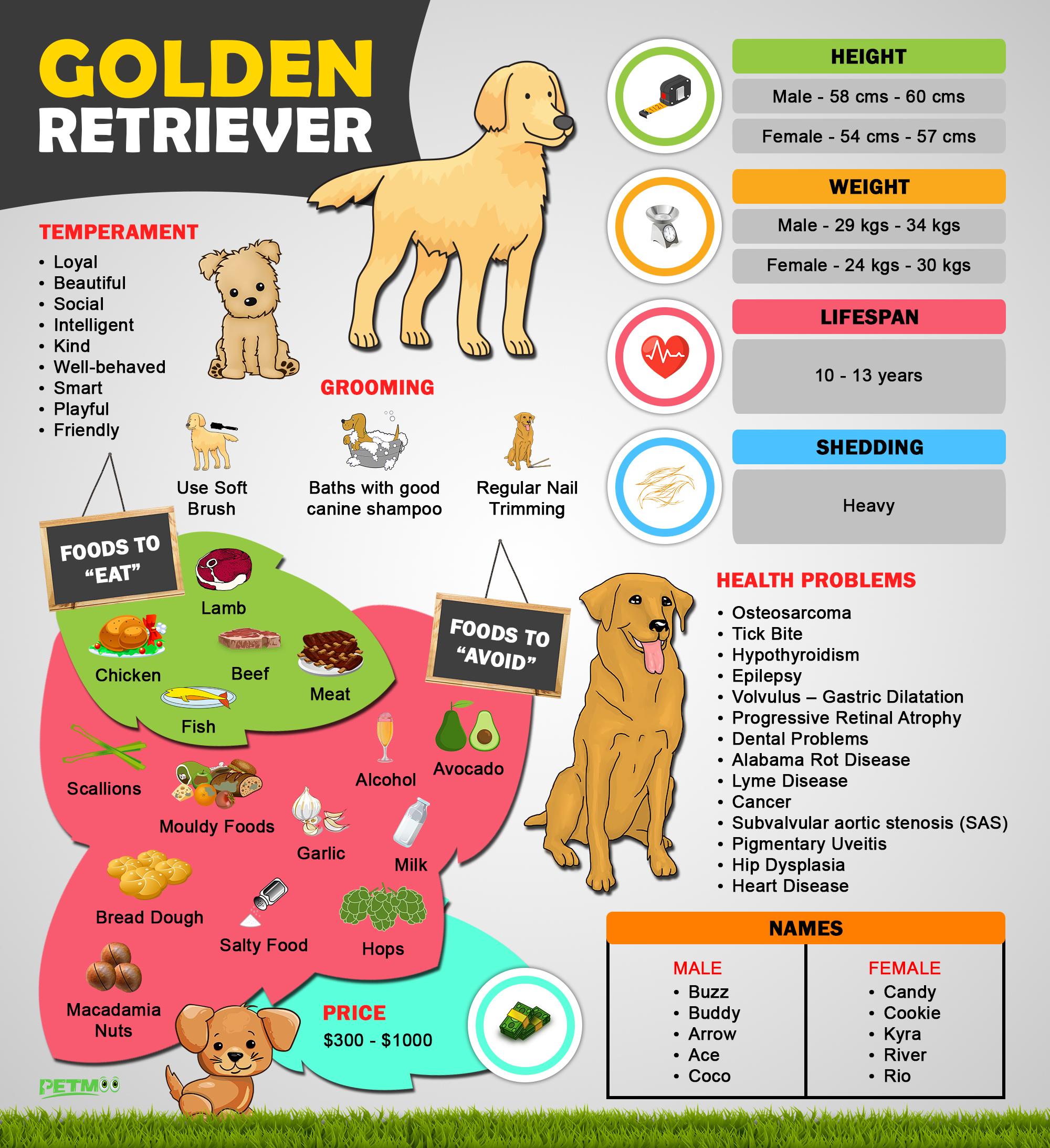
Golden retrievers are quintessential "velcro" dogs. They thrive on physical contact, whether leaning against your legs while you stand in the kitchen or resting their heavy heads on your lap. They generally harbor little natural suspicion of strangers, viewing every new human as a potential best friend. While this makes them poor guard dogs, it makes them exceptional family members and therapy animals.
2. High Intelligence and Trainability
Ranking among the most intelligent dog breeds, golden retrievers excel in obedience trials, agility, tracking, and service work. They learn rules and commands quickly because they are motivated by positive reinforcement and praise. Their intelligence also means they require mental stimulation; puzzle toys, obedience training sessions, and interactive games prevent boredom-induced mischief.
3. Extended Emotional Maturity
One of the most defining characteristics of the breed is its prolonged puppyhood. While many small breeds mature mentally by one year of age, golden retrievers often retain goofy, exuberant, puppy-like behaviors until they are three or four years old. Owners must navigate a large, powerful dog that possesses the emotional maturity and impulse control of a much younger animal during its first few years.
4. Gentleness and Patience
The breed standard explicitly calls for a kindly, friendly, and confident disposition. This translates into a remarkable threshold of patience, particularly around children. They tend to absorb household chaos with calm acceptance rather than reactivity, though proper socialization remains essential to ensure this natural gentleness is correctly channeled.
Behavioral Dynamics Across Life Stages
A golden retriever's personality evolves significantly from puppyhood through senior years. Recognizing these phases helps owners provide appropriate training and care.
| Life Stage | Age Range | Primary Behavioral Characteristics | Management Focus |
|---|---|---|---|
| Puppyhood | 0 to 6 months | Rapid growth, extreme curiosity, intense biting/mouthing, short attention spans. | Bite inhibition, basic housebreaking, early socialization. |
| Adolescence | 6 months to 3 years | High energy, boundary-testing, distractibility, prolonged goofy behavior. | Consistent obedience training, structured exercise, impulse control. |
| Adulthood | 3 to 8 years | Settled temperament, reliable obedience, strong bonding, peak working ability. | Mental enrichment, joint maintenance, weight management. |
| Senior Years | 8+ years | Decreased stamina, increased attachment, calmer demeanor, potential stiffness. | Veterinary monitoring, modified exercise, comfort accommodations. |
Environmental Suitability and Social Compatibility
Interaction with Children
Golden retrievers are frequently recommended for families because of their forgiving nature and high tolerance. However, their size and exuberance can pose accidental risks to toddlers and infants. An enthusiastic tail sweep or an uncoordinated leap from a 70-pound adolescent retriever can easily knock over a small child. Supervision and early boundary training are mandatory.
Compatibility with Other Pets
With proper socialization, golden retrievers generally coexist harmoniously with other dogs and household pets, including cats. Their low prey drive compared to sighthounds or terriers makes them less likely to chase smaller animals, though individual temperament varies. Multi-dog households often find that golden retrievers act as peacemakers due to their non-confrontational posture.
Separation Anxiety Vulnerability
Because of their intense social attachment to humans, golden retrievers are prone to separation anxiety if left alone for extended periods. They do not do well as outdoor kennel dogs or isolated backyard pets. Prolonged isolation often results in destructive chewing, incessant whining, or self-soothing behaviors like excessive licking.
Common Misconceptions About Golden Retrievers
- "They train themselves because they are smart." While smart, an untrained golden retriever can become an unruly, jumping, leash-pulling household hazard simply due to its size and enthusiasm. Intelligence requires structure to yield good behavior.
- "They are low-energy house dogs." While they can relax indoors, they are sporting dogs that require at least 60 to 90 minutes of daily physical and mental exercise to remain balanced.
- "They never bite or show aggression." Any dog can bite if pushed past its limits, mishandled, or improperly socialized. Responsible ownership requires respecting the animal's boundaries despite its gentle reputation.
Frequently Asked Questions
Are golden retrievers good guard dogs?
No. Golden retrievers possess a welcoming, trusting disposition toward strangers. While a deep bark might initially deter an intruder, a golden retriever is far more likely to greet a burglar with a wagging tail and an offer to play fetch than to defend the perimeter.
Do golden retrievers shed a lot?
Yes. Golden retrievers possess a thick double coat that sheds continuously year-round, with heavy "coat blowing" episodes occurring twice a year in spring and autumn. Regular brushing—several times a week—is required to manage loose fur and prevent matting.
How much exercise does a golden retriever need daily?
An adult golden retriever typically requires a minimum of one to two hours of exercise daily. This should include brisk walking, running, swimming, or retrieving games, combined with mental challenges like obedience drills or puzzle feeders.
Do golden retrievers bark excessively?
Generally, golden retrievers are not nuisance barkers. They will vocalize to alert owners to visitors, delivery personnel, or when they are excited during play, but persistent, aimless barking is usually a sign of boredom, anxiety, or unmet exercise needs.
At what age do golden retrievers calm down?
While individual differences exist, most golden retrievers begin showing a noticeable decrease in frenetic energy between two and three years of age, with full emotional maturity settling in around age four.
Practical Next Actions for Prospective Owners
If you are considering adding a golden retriever to your household, evaluate your daily schedule to ensure you can commit to their substantial exercise and social requirements. Seek out reputable breeders who conduct health clearances for common genetic concerns such as hip dysplasia and heart conditions, or consider adopting through a breed-specific rescue organization. Invest in early obedience classes to establish clear communication, and prepare your home for a dedicated, affectionate companion that will demand—and reward—your active involvement for years to come.
Image Gallery