Yoplait in Reed City, Michigan: Operations, Community Impact, and Local Economic Footprint
Yoplait's operational presence in Reed City, Michigan represents a significant intersection of multinational food manufacturing and regional economic development. While the global Yoplait brand is widely recognized for its yogurt and d...
Yoplait's operational presence in Reed City, Michigan represents a significant intersection of multinational food manufacturing and regional economic development. While the global Yoplait brand is widely recognized for its yogurt and dairy products—jointly owned by General Mills and Sodiaal—the physical facilities, supply chains, and workforce tied to specific hubs like Reed City play a vital role in local manufacturing infrastructure. Understanding how this facility operates requires examining its industrial footprint, supply chain logistics, labor market dynamics, and regulatory compliance frameworks that govern food processing plants in Osceola County.
Contents
Overview of the Reed City Manufacturing Infrastructure
Industrial food production facilities require specialized infrastructure to handle perishable raw milk, maintain stringent cold-chain logistics, and execute high-volume packaging. The manufacturing site situated in Reed City, Michigan, functions as part of a broader network of dairy processing facilities that support regional distribution across the Midwest.
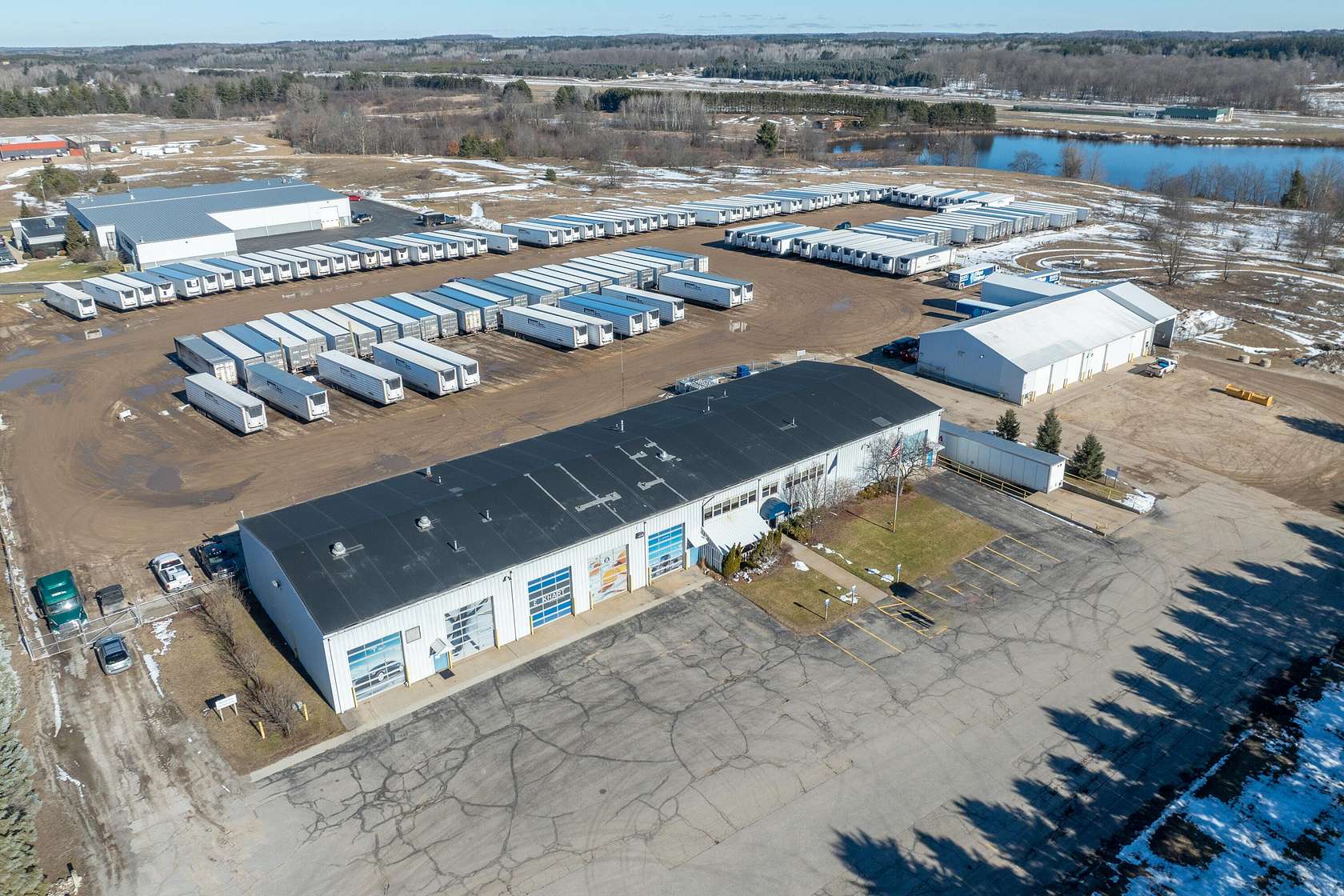
Operating a facility of this magnitude involves maintaining advanced pasteurization systems, clean-in-place (CIP) sanitation pipelines, and automated high-speed filling lines. Food processing plants must adhere to strict spatial and environmental engineering controls to prevent contamination. In Reed City, the plant layout accommodates bulk liquid storage silos, dry ingredient staging areas, quality assurance laboratories, and temperature-controlled warehousing bays designed to stage finished goods for immediate transit.
Core Operational Capabilities
- Milk Reception and Processing: Unloading raw milk tankers, testing for antibiotics and pathogens, standardizing fat content, and pasteurization.
- Fermentation and Blending: Controlled culture incubation, fruit preparation integration, and exact sugar or sweetener balancing.
- Packaging and Sealing: High-speed thermoforming of plastic cups, foil-lidded heat sealing, and multi-pack cardboard sleeving.
- Cold Storage Management: Maintaining blast-chilling environments to halt fermentation and preserve product integrity prior to shipping.
Regional Economic Impact and Workforce Dynamics
The presence of a major manufacturing plant in a rural or micropolitan area like Reed City generates profound economic ripples. Small-to-midsize industrial hubs rely heavily on manufacturing anchors to support municipal tax bases, local retail economies, and secondary service providers.
Employment opportunities at the Reed City facility span multiple disciplines. Beyond direct production floor operators and packaging technicians, the plant requires skilled trades personnel—such as industrial electricians, millwrights, and refrigeration mechanics—to keep continuous-flow lines operational. Furthermore, administrative staff, quality control microbiologists, and supply chain logistics coordinators are essential for day-to-day governance and regulatory compliance.
Local Supply Chain Integration
Manufacturing yogurt and dairy-based snacks locally requires a robust agricultural supply chain. While raw milk is sourced from regional dairy cooperatives, secondary packaging suppliers, chemical sanitation vendors, and equipment maintenance contractors within Michigan frequently service the plant. This localized vendor ecosystem helps minimize transit delays and supports industrial service providers throughout Osceola County and surrounding regions.
| Operational Sector | Primary Function | Local Economic Contribution |
|---|---|---|
| Direct Manufacturing | Processing raw dairy into consumer-ready products | Full-time employment, competitive wages, and benefits |
| Agricultural Sourcing | Procuring raw milk from regional dairy farms | Sustaining regional dairy farm revenue streams |
| Logistics & Transport | Moving raw materials and finished goods via semi-trucks | Supporting regional freight carriers and fuel stations |
| Facility Maintenance | Upgrading machinery, electrical, and plumbing systems | Engaging local contractors and technical service providers |
Regulatory Compliance, Food Safety, and Environmental Standards
Food processing facilities operating within Michigan are subject to rigorous oversight by both state and federal regulatory bodies. Ensuring public health and safety demands adherence to standards established by the U.S. Food and Drug Administration (FDA) and the Michigan Department of Agriculture and Rural Development (MDARD).
Quality Assurance Protocols
The Reed City facility operates under Hazard Analysis Critical Control Point (HACCP) principles. These systematic preventive controls identify biological, chemical, and physical hazards in production environments before they can impact consumer safety. Key compliance areas include:
- Environmental Pathogen Monitoring: Routine swab testing of floors, drains, and equipment surfaces to detect and eradicate Listeria and other pathogens.
- Temperature Tracking: Continuous electronic monitoring of pasteurization holding tubes, fermentation vats, and cold storage warehouses.
- Traceability Systems: Advanced lot-coding mechanisms that allow plant managers to trace any finished consumer cup back to the specific milk silo, ingredient batch, and production shift.
Environmental Stewardship and Waste Management
Dairy processing generates substantial organic wastewater, primarily due to equipment cleaning, whey separation, and rinsing cycles. Facilities in Reed City coordinate closely with municipal wastewater treatment infrastructure or operate specialized pre-treatment lagoons to reduce biological oxygen demand (BOD) before effluent is safely released back into the environment. Solid waste management programs focus on recycling corrugated cardboard, plastic scrap, and diverting organic food waste toward agricultural animal feed or anaerobic digestion where available.
Logistics and Distribution Network
Moving perishable dairy goods from Reed City to grocery store shelves across the Midwest requires precision logistics. Because yogurt has a strictly defined shelf life and requires continuous refrigeration—typically maintained between 34°F and 40°F—transportation fleets must utilize multi-temperature refrigerated trailers (reefers).
The strategic geographic positioning of Reed City near major transportation corridors, such as US-131, allows outbound freight carriers to access major metropolitan markets including Grand Rapids, Lansing, Detroit, and Chicago efficiently. Fleet management teams monitor weather patterns, highway construction, and fuel price volatility to optimize delivery schedules and maintain product freshness upon arrival at retail distribution centers.
Frequently Asked Questions
What types of products are typically associated with Yoplait manufacturing facilities?
Yoplait plants primarily produce various styles of yogurt, including traditional stirred styles, Greek yogurt varieties, blended fruit formulations, kids' cups, and specialized dairy snacks. Exact product lines fluctuate based on nationwide consumer demand and corporate portfolio shifts.
How does the Reed City facility manage milk sourcing?
Dairy processing plants in this region typically source raw milk through dairy cooperatives that aggregate milk from family-owned dairy farms across Michigan and neighboring Midwestern states, ensuring a steady, high-volume supply that meets strict butterfat and protein specifications.
What are the main employment qualifications for food manufacturing plants?
Entry-level production roles generally require a high school diploma or equivalent, basic math and safety comprehension, and the ability to stand for extended shifts. Specialized roles, such as maintenance mechanics and quality lab technicians, require technical degrees, trade certifications, or relevant food science experience.
How do dairy plants handle environmental wastewater regulations?
Facilities utilize pre-treatment systems to neutralize pH levels and lower organic loads before discharging wastewater into municipal systems, ensuring compliance with National Pollutant Discharge Elimination System (NPDES) permits overseen by state environmental regulators.
Strategic Outlook and Recommendations
For job seekers, municipal planners, and supply chain partners engaging with the industrial footprint in Reed City, maintaining awareness of regulatory updates, technological investments in automation, and sustainability targets is essential. Facilities continually modernize equipment to improve energy efficiency and water conservation. Stakeholders looking to partner with or gain employment at the plant should monitor official corporate career portals and regional economic development announcements for up-to-date operational milestones.
Image Gallery