Is a Fan Bad for You? Understanding the Health Impacts of Using Electric Fans
Using an electric fan is generally not bad for you, provided it is kept clean and used in well-ventilated environments, though it can cause dry skin, irritated eyes, and exacerbate allergies by circulating dust and pollen. The question...
Using an electric fan is generally not bad for you, provided it is kept clean and used in well-ventilated environments, though it can cause dry skin, irritated eyes, and exacerbate allergies by circulating dust and pollen.
Contents
The question of whether an electric fan is bad for your health often arises during hot summer months when individuals rely on indoor cooling devices to stay comfortable. While fans are a cost-effective and energy-efficient alternative to air conditioning, they can influence indoor air quality and human physiology in several ways. Understanding how fans interact with the human body, ambient temperature, and indoor humidity helps determine how to use them safely and effectively.
The Mechanics of How Fans Affect the Body
Electric fans do not actually lower the ambient temperature of a room. Instead, they cool people through convection and the acceleration of evaporation.
When a fan blade spins, it creates a directional stream of air that flows over the human skin. This airflow enhances the evaporation of sweat, which is the body's natural cooling mechanism. By speeding up evaporation, the fan increases the rate at which heat is removed from the body, making the individual feel cooler than the actual air temperature indicates.
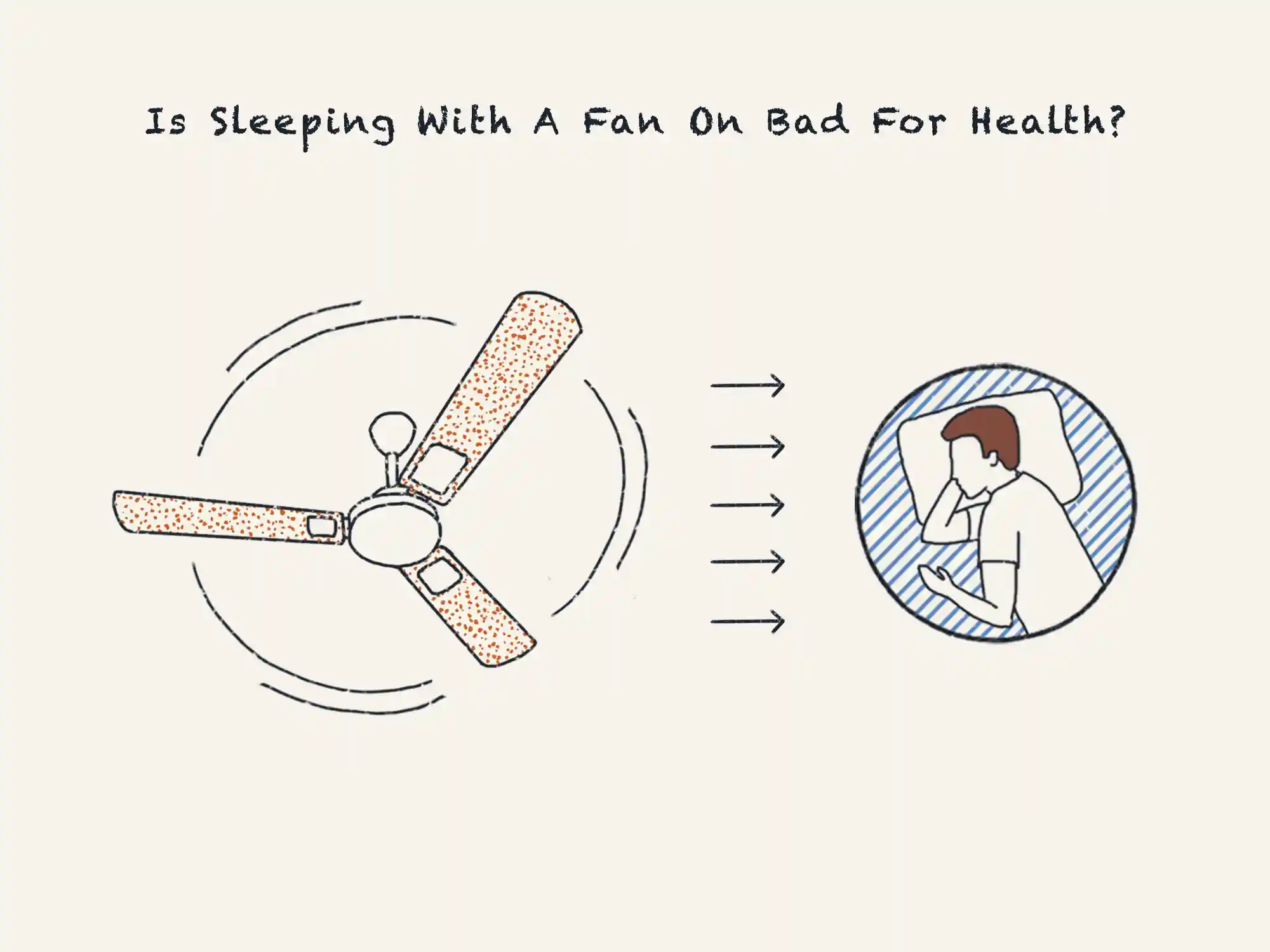
However, this constant movement of air can also create localized physiological challenges. For instance, individuals who sleep with a fan running directly on their face often wake up with dry nasal passages, irritated throats, or dry eyes. This occurs because the constant airflow strips moisture from exposed mucous membranes faster than the body can replenish it. While this does not cause a disease by itself, it can create discomfort and temporarily weaken the body's local defense barriers against airborne irritants.
Common Health Concerns Associated with Fan Usage
While fans are safe for the vast majority of the population, certain environmental and physiological conditions can turn a helpful cooling device into a source of physical discomfort. Examining these specific concerns helps clarify the distinction between actual health risks and minor inconveniences.
Respiratory Health, Allergies, and Asthma
Fans are notorious for collecting dust, pet dander, pollen, and other indoor allergens on their blades and safety cages. When the fan is turned on, these accumulated particles are aerosolized and blown directly into the breathing zone of everyone in the room.
- Dust Mites and Particulate Circulation: As the blades rotate at high speeds, they disturb settled dust on nearby surfaces and project their own accumulated buildup into the air.
- Triggering Allergic Reactions: For individuals with allergic rhinitis or asthma, breathing in concentrated dust and allergens can trigger sneezing, coughing, watery eyes, and bronchospasms.
- Mitigation: Regularly cleaning fan blades with a damp cloth or disassembling the cage for a thorough wash significantly reduces the dispersion of indoor allergens.
Dehydration and Skin Dryness
The continuous evaporation driven by a fan can lead to excessive moisture loss, particularly in arid climates or air-conditioned spaces where ambient humidity is already low.
- Skin Barrier Disruption: Prolonged exposure to moving air can dry out the stratum corneum, leading to flaking, itching, and irritation, especially for individuals with chronic skin conditions like eczema.
- Mucous Membrane Dryness: Dried-out nasal passages can lead to thick mucus, nosebleeds, or an increased susceptibility to viral infections because the cilia—the tiny hair-like structures in the nose that filter pathogens—cannot function effectively when dry.
Muscle Stiffness and Cramps
Direct, prolonged airflow over a localized area of the body can cause muscles to tense up and contract, particularly during sleep when the body's natural temperature drops.
- Draft-Induced Soreness: People frequently report waking up with stiff necks or localized muscle cramps when a powerful fan is pointed directly at them all night.
- Temperature Regulation Risks: In extremely high ambient temperatures (typically above 95°F or 35°C), using a fan can actually accelerate heat gain rather than cooling the body, as the hot air blowing over the skin transfers heat to the body faster than sweat evaporation can cool it down.
Safety and Operational Comparison
To evaluate how different cooling strategies impact health and comfort, the following table compares electric fans with other common temperature-regulation methods.
| Cooling Method | Primary Mechanism | Potential Health Impacts | Best Use Cases |
|---|---|---|---|
| Electric Fan | Convection and sweat evaporation | Dry eyes, localized muscle stiffness, dust circulation | Moderate heat, supplementing air conditioning, improving air circulation |
| Air Conditioner | Refrigeration and dehumidification | Dry skin, respiratory irritation from dirty filters, high energy costs | Extreme heat waves, humid environments, sealed indoor spaces |
| Evaporative Cooler | Water evaporation and airflow | Increased indoor humidity, potential mold growth in stagnant reservoirs | Dry, arid climates with low ambient humidity |
| Natural Ventilation | Cross-breeze via open windows | Outdoor pollutant infiltration, pollen exposure, noise pollution | Mild weather, high outdoor air quality |
Best Practices for Safe Fan Usage
Maximizing the cooling benefits of a fan while minimizing potential health drawbacks requires mindful placement and routine maintenance. Implementing these practical habits ensures a safe and comfortable environment.
- Avoid Direct Facial Exposure: Position the fan so that it circulates air around the room rather than blowing directly onto your face or neck while sleeping.
- Use Oscillation: Set the fan to oscillate. This prevents continuous airflow from hitting a single spot on the body, reducing the risk of localized muscle stiffness and excessive drying of the skin and eyes.
- Maintain Cleanliness: Clean the fan blades and safety grills at least once every two weeks during heavy-use seasons to prevent the buildup of dust and allergens.
- Monitor Ambient Temperature: Be aware that when room temperatures exceed body temperature or extreme heat thresholds, fans become ineffective and can worsen heat-related illnesses. In such conditions, seek air-conditioned environments.
- Pair with Hydration: Drink adequate fluids when using fans in hot environments to compensate for accelerated moisture loss through sweat evaporation.
Frequently Asked Questions
Can sleeping with a fan on make you sick?
An electric fan itself does not harbor pathogens or cause illnesses like colds or the flu, which are viral in origin. However, sleeping with a fan on can dry out your nasal passages and throat, making you feel congested or sore upon waking and potentially leaving you more vulnerable to airborne irritants.
Is it safe to leave a fan running overnight?
Yes, it is generally safe to leave a modern, well-maintained electric fan running overnight, provided it has safety certifications (such as UL or CE listings) and is kept away from flammable materials, water sources, and curtains that could obstruct airflow and cause the motor to overheat.
Can a fan help prevent heat stroke during a heatwave?
In moderate heat, fans help cool the body through evaporation. However, when ambient temperatures rise above normal body temperature (around 95°F or 35°C), blowing hot air across the skin can accelerate heat absorption and increase the risk of heat-related illnesses. Air conditioning or cool fluid intake is necessary in extreme heat.
Why does a fan make my eyes dry and irritated?
The continuous airflow generated by a fan accelerates the rate at which tears evaporate from the surface of your eyes. If the fan is pointed directly at your face, this rapid evaporation depletes the tear film, leading to dryness, redness, and irritation.
How often should I clean my electric fan?
You should clean your electric fan at least once a month during peak usage seasons, or bi-weekly if you live in a dusty environment or suffer from allergies. Regular cleaning prevents the motor from straining and stops the fan from distributing accumulated dust into your living space.
Conclusion and Next Actions
Using a fan is a safe, efficient way to stay cool when managed correctly. To protect your health, ensure your fan is regularly cleaned to minimize dust circulation, avoid pointing the airflow directly at your face while sleeping, and rely on air conditioning rather than fans during extreme heatwaves. Inspect your current cooling setups today, clean any dusty blades, and adjust fan placements to promote healthy room-wide air circulation.
Image Gallery