What is the Allegra Main Ingredient? Everything You Need to Know
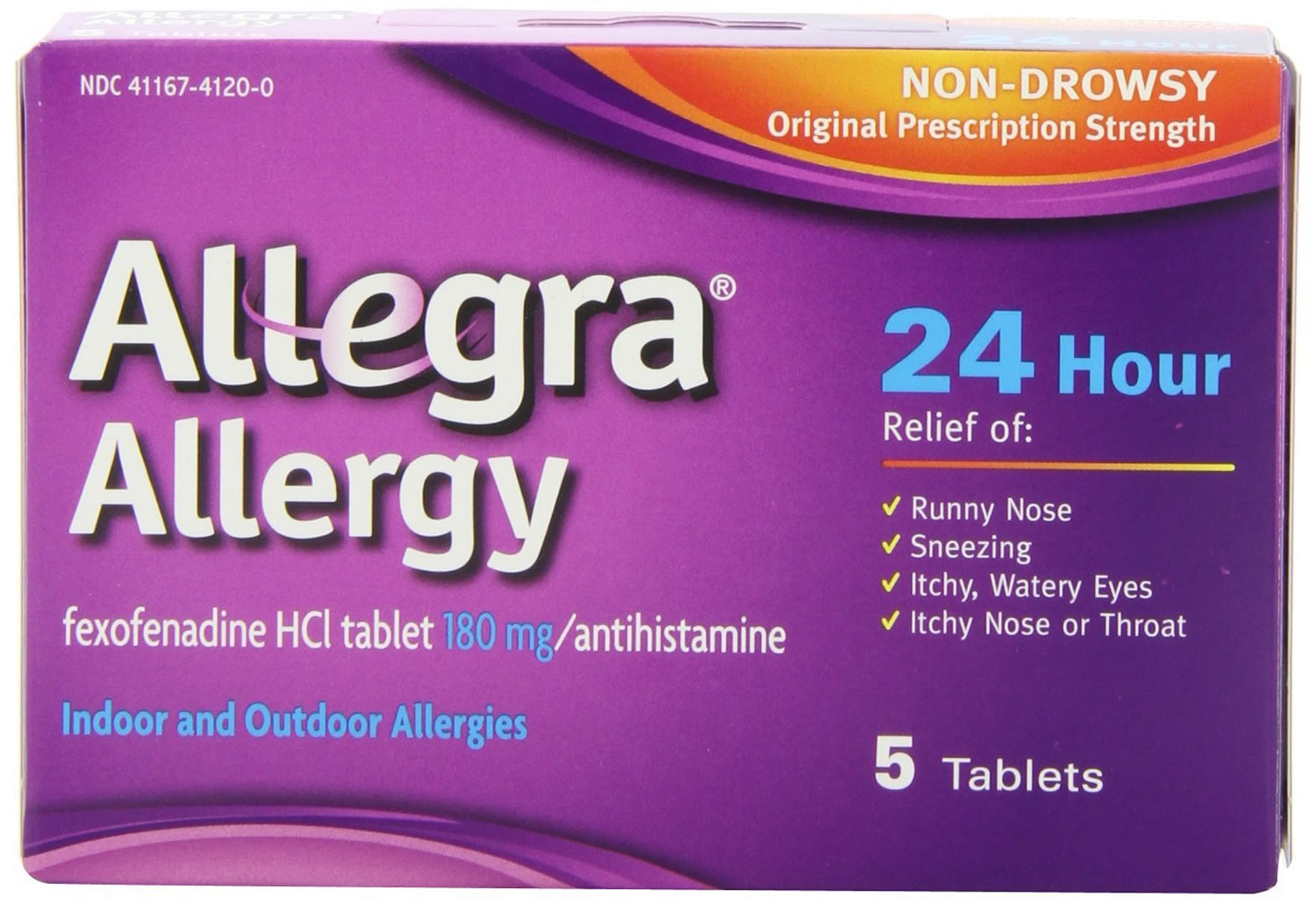
The main active ingredient in Allegra is fexofenadine hydrochloride (often abbreviated as fexofenadine HCl). It belongs to a class of medications known as second-generation antihistamines. Unlike earlier allergy medications, fexofenadi...
The main active ingredient in Allegra is fexofenadine hydrochloride (often abbreviated as fexofenadine HCl). It belongs to a class of medications known as second-generation antihistamines. Unlike earlier allergy medications, fexofenadine is specifically designed to provide relief from allergy symptoms like sneezing and itchy eyes without causing significant drowsiness.
Contents
Fexofenadine hydrochloride has been a cornerstone of allergy management since its introduction to the market. As of 2026, it remains one of the most widely recommended over-the-counter (OTC) options for seasonal allergic rhinitis and chronic skin reactions. Understanding how this specific chemical compound interacts with your body is essential for maximizing its efficacy and ensuring your safety while managing environmental triggers.
Understanding Fexofenadine Hydrochloride: The Core Component
Fexofenadine hydrochloride is a selective peripheral H1-receptor antagonist. To understand what this means, we must first look at the role of histamine in the human body. When your immune system encounters an allergen—such as pollen, mold spores, or pet dander—it triggers mast cells to release histamine. This chemical attaches to H1 receptors in your nose, throat, and eyes, causing the inflammation, mucus production, and itching characteristic of an allergic reaction.
The "main ingredient" fexofenadine works by competing with histamine for these H1-receptor sites. By blocking the receptors, fexofenadine prevents histamine from binding to them, effectively "turning off" the allergic response before the symptoms become debilitating. Because it is "selective" for peripheral receptors, it focuses its action on the body's tissues rather than the central nervous system.
The Evolution from Terfenadine
The history of fexofenadine is rooted in pharmaceutical safety evolution. Before Allegra was developed, a drug called terfenadine (brand name Seldane) was widely used. While terfenadine was effective, it was discovered that it could cause serious heart rhythm issues when combined with certain other medications or in patients with liver disease.
Researchers discovered that the body naturally metabolizes terfenadine into a safer compound that still retains all the antihistamine benefits. This metabolic byproduct is fexofenadine. By isolating this specific molecule, scientists created a medication that provided the same allergy relief as its predecessor but without the dangerous cardiac side effects. Allegra was approved by the FDA in 1996 and transitioned to over-the-counter status in the early 2010s.
Why Allegra is Distinctly "Non-Drowsy"
One of the primary reasons fexofenadine hydrochloride is favored over older antihistamines like diphenhydramine (Benadryl) is its inability to easily cross the blood-brain barrier. The blood-brain barrier is a highly selective semipermeable border that prevents solutes in the circulating blood from non-selectively crossing into the central nervous system.
First-generation antihistamines cross this barrier easily, which is why they cause significant sedation and "brain fog." Fexofenadine, however, has a chemical structure that is less lipophilic (fat-soluble) and is actively pumped out of the brain by a protein called P-glycoprotein. As a result, very little of the active ingredient reaches the brain, allowing users to remain alert and focused while treating their allergies. In clinical studies, even at doses higher than the standard 180 mg, fexofenadine has consistently shown a sedation profile similar to that of a placebo.
Indications: What Does Fexofenadine Treat?
The active ingredient in Allegra is approved for several specific conditions involving histamine release. While it is most commonly associated with "hay fever," its applications are broader:
- Seasonal Allergic Rhinitis: This includes symptoms such as sneezing, runny nose, itchy throat, and itchy, watery, or red eyes caused by outdoor allergens like ragweed and grass or indoor allergens like dust mites.
- Chronic Idiopathic Urticaria: This is the medical term for hives that occur without a known cause. Fexofenadine helps reduce the number and severity of hives and significantly alleviates the intense itching associated with skin reactions.
- Perennial Allergic Rhinitis: Unlike seasonal allergies, this involves year-round sensitivity to triggers found in the home or workplace.
It is important to note that while fexofenadine is highly effective for these symptoms, it is not a decongestant. If you have significant sinus pressure or a "stuffy" nose, you may need a formulation that includes pseudoephedrine, such as Allegra-D, though the main antihistamine ingredient remains the same.
Dosage Forms and Variations in 2026
Fexofenadine hydrochloride is available in several strengths and delivery methods to accommodate different age groups and severity of symptoms. As of 2026, the standard adult and pediatric dosages are well-established.
| Product Type | Active Ingredient Strength | Typical Dosage Frequency |
|---|---|---|
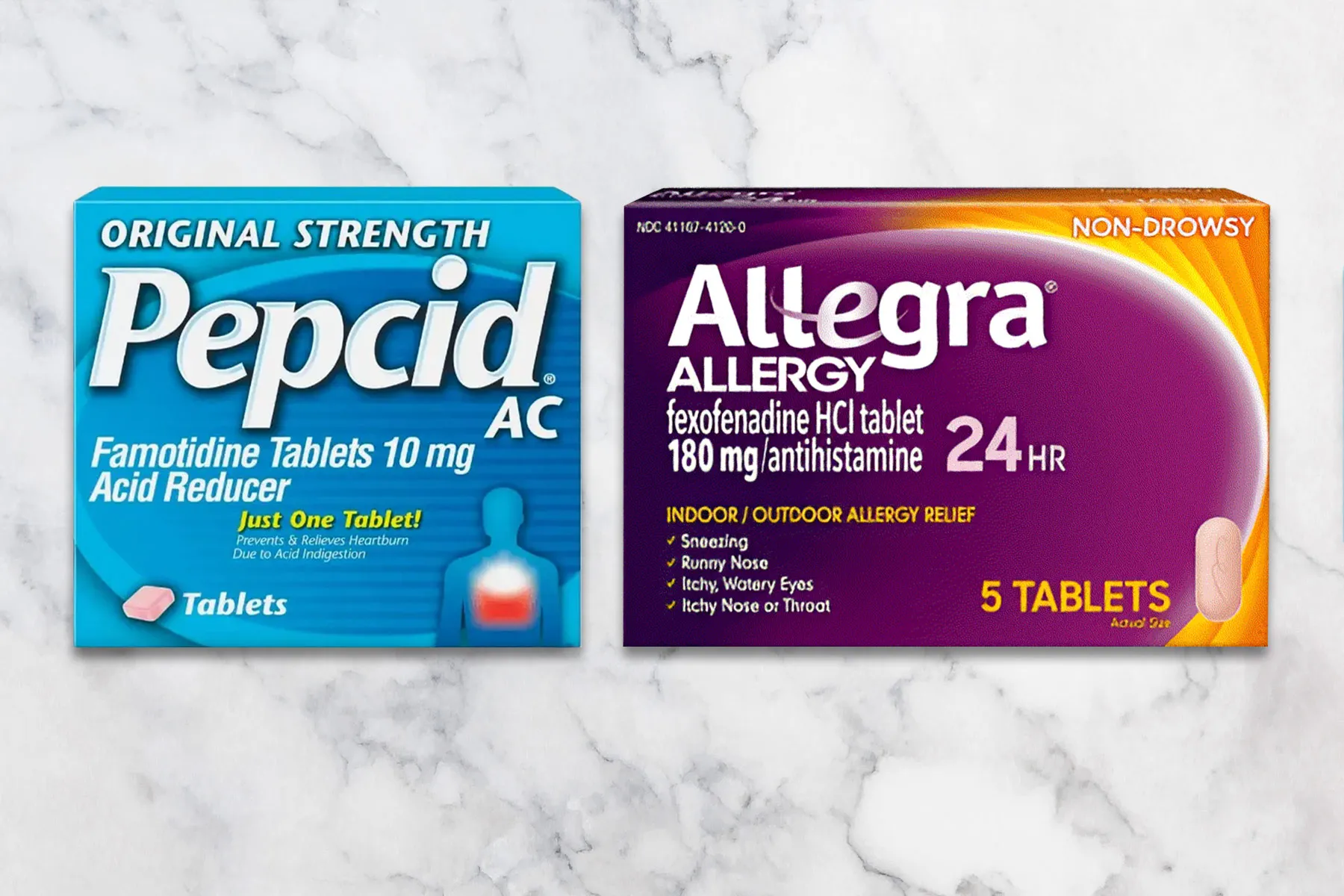
| Allegra 24 Hour Adult | 180 mg Fexofenadine HCl | Once daily |
| Allegra 12 Hour Adult | 60 mg Fexofenadine HCl | Twice daily |
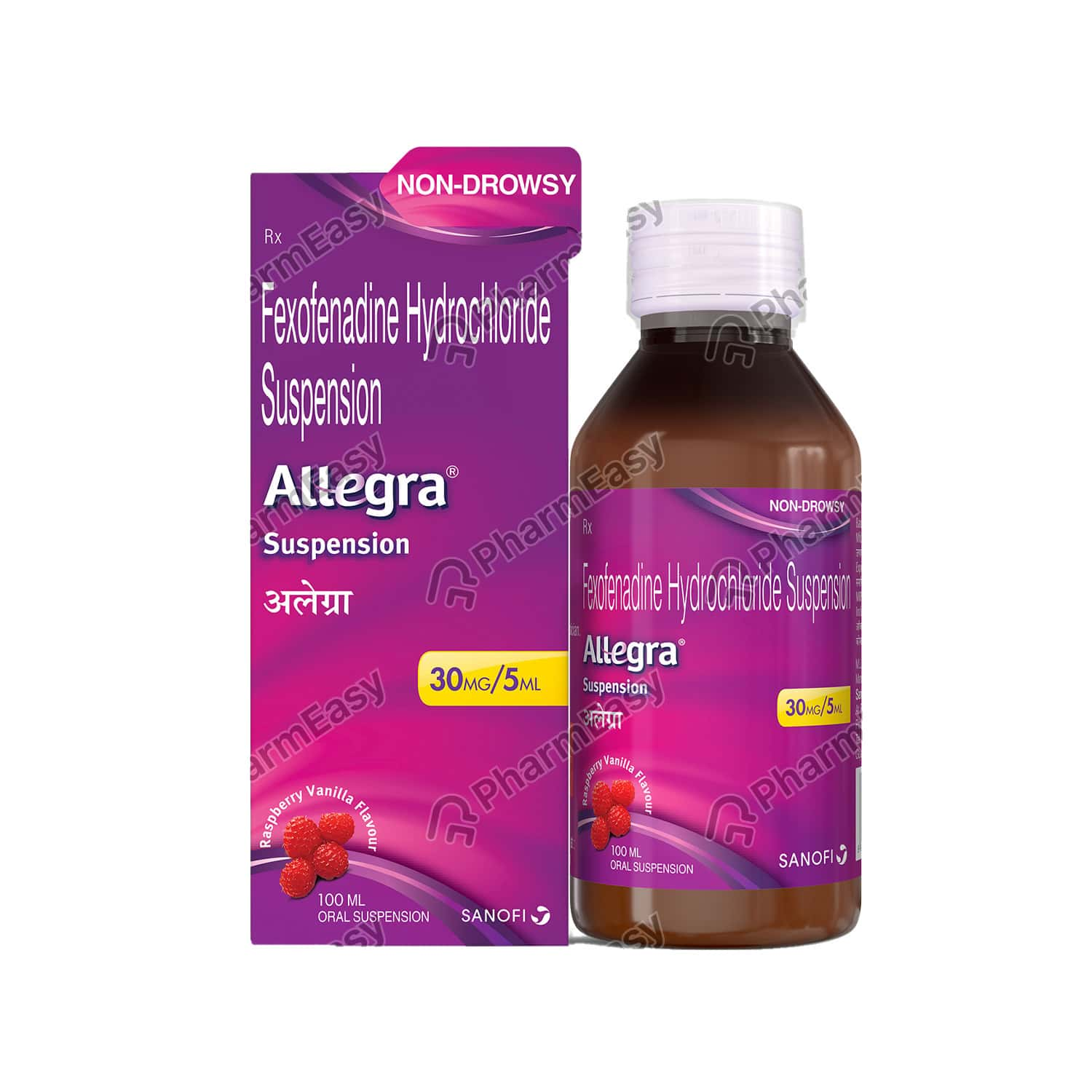
| Children's Allegra (Liquid) | 30 mg per 5 mL | Twice daily (age dependent) |
| Allegra-D 24 Hour | 180 mg Fexofenadine / 240 mg Pseudoephedrine | Once daily (requires pharmacy counter access) |
| Allegra-D 12 Hour | 60 mg Fexofenadine / 120 mg Pseudoephedrine | Twice daily |
The 180 mg once-daily tablet is currently the most popular choice for adults because of its convenience and steady-state concentration in the blood, which provides consistent relief for a full 24-hour cycle.
Critical Interactions: The Fruit Juice Warning
While the main ingredient in Allegra is generally safe, it has a unique interaction that distinguishes it from other antihistamines like Zyrtec or Claritin. Fexofenadine hydrochloride should not be taken with fruit juices—specifically grapefruit, orange, or apple juice.
This is not due to a risk of toxicity, but rather a risk of decreased effectiveness. These juices contain compounds that inhibit a transport protein in the gut known as OATP1A2 (Organic Anion Transporting Polypeptide). This protein is responsible for moving fexofenadine from the digestive tract into the bloodstream. When this protein is blocked by fruit juice, the absorption of the active ingredient can be reduced by up to 40% to 70%. To ensure the medication works as intended, it should be taken with water, and fruit juice should be avoided for at least two hours before and after the dose.
Side Effects and Safety Considerations
Fexofenadine is widely regarded as one of the safest antihistamines available, but no medication is entirely without side effects. In clinical trials, the most commonly reported adverse effects were mild and occurred at a rate similar to those taking a placebo.
- Headache: Reported by a small percentage of users, often mild in nature.
- Gastrointestinal Distress: Some individuals may experience nausea or an upset stomach.
- Dizziness: Though rare due to the non-drowsy nature of the drug, some users may feel slight lightheadedness.
- Back Pain: Occasionally reported in long-term adult studies for the 180 mg dose.
Patients with significant kidney disease should exercise caution. Because the kidneys are primarily responsible for clearing fexofenadine from the system, those with reduced renal function may require a lower starting dose (typically 60 mg once daily) to avoid accumulation of the drug in the body. Always consult a healthcare professional if you have a history of kidney issues before starting a daily regimen.
Comparing Fexofenadine to Other Popular Antihistamines
When choosing an allergy medication, it helps to understand how fexofenadine hydrochloride compares to its peers in the second-generation antihistamine class.
- Fexofenadine (Allegra) vs. Loratadine (Claritin): Fexofenadine is often cited as being slightly faster-acting than loratadine. While both are non-drowsy, some studies suggest fexofenadine provides more robust relief for severe hay fever symptoms.
- Fexofenadine (Allegra) vs. Cetirizine (Zyrtec): Cetirizine is known for being very potent, but it carries a higher risk of drowsiness (approximately 10% of users report sedation). Fexofenadine is the preferred choice for those who must remain 100% alert for work or driving.
- Fexofenadine (Allegra) vs. Levocetirizine (Xyzal): Levocetirizine is the active isomer of cetirizine. Like cetirizine, it may provide slightly faster relief but shares a similar risk of mild sedation that fexofenadine avoids.
Frequently Asked Questions
Can I take Allegra every day?
Yes, fexofenadine hydrochloride is designed for daily use during allergy season. For chronic conditions like idiopathic urticaria, doctors often prescribe it for long-term maintenance. There is no evidence of "tachyphylaxis" (building up a tolerance) where the drug becomes less effective over time with daily use.
Is fexofenadine safe for pregnant or breastfeeding women?
Fexofenadine is generally categorized as a drug to be used only if clearly needed during pregnancy. While animal studies have not shown significant risk, human data is more limited compared to loratadine or cetirizine. Small amounts may pass into breast milk. It is vital to consult an obstetrician or primary care provider for a personalized recommendation.
How long does it take for the main ingredient to start working?
Fexofenadine typically begins to provide relief within 60 minutes of ingestion. Peak concentrations in the blood are usually reached within 2 to 3 hours. This makes it a "fast-acting" antihistamine, although full effectiveness for chronic symptoms might be felt more consistently after the second or third day of consecutive dosing.
Does Allegra interact with antacids?
Yes. Taking antacids containing aluminum or magnesium (such as Maalox or Mylanta) can reduce the absorption of fexofenadine hydrochloride. It is recommended to separate the administration of fexofenadine and these types of antacids by at least two hours to ensure the allergy medication is fully absorbed.
Is the generic fexofenadine just as good as brand-name Allegra?
In the United States and most other regulated markets, generic medications must prove "bioequivalence" to the brand-name version. This means the generic fexofenadine must deliver the same amount of the active ingredient into the bloodstream at the same rate. Most patients find that generic versions provide identical relief at a lower cost.
Practical Recommendation for 2026
If you are struggling with seasonal allergies and need to remain alert, fexofenadine hydrochloride remains the gold standard for non-sedating relief in 2026. For the best results, take your 180 mg tablet with a full glass of plain water in the morning, avoiding all fruit juices for a two-hour window. If your symptoms include significant nasal "stuffiness" that the antihistamine alone cannot fix, consider the Allegra-D formulation, but be aware of the potential for increased heart rate or insomnia due to the decongestant component. Always keep a log of your symptoms to discuss with an allergist if your OTC options are not providing sufficient relief.
Image Gallery