How the Ottawa University Ranking Shapes Global and Domestic Perceptions
University ranking systems heavily influence how higher education institutions are perceived by prospective students, faculty, research partners, and corporate employers. For the University of Ottawa (and regional counterparts like Ott...
University ranking systems heavily influence how higher education institutions are perceived by prospective students, faculty, research partners, and corporate employers. For the University of Ottawa (and regional counterparts like Ottawa University in Kansas), placement on major global and national league tables defines institutional prestige, drives international student recruitment, and dictates competitive positioning in academic research funding.
Contents
Defining the Entity: Distinguishing the Institutions
When evaluating how institutional rankings shape public perception, it is vital to distinguish between two distinct academic entities:
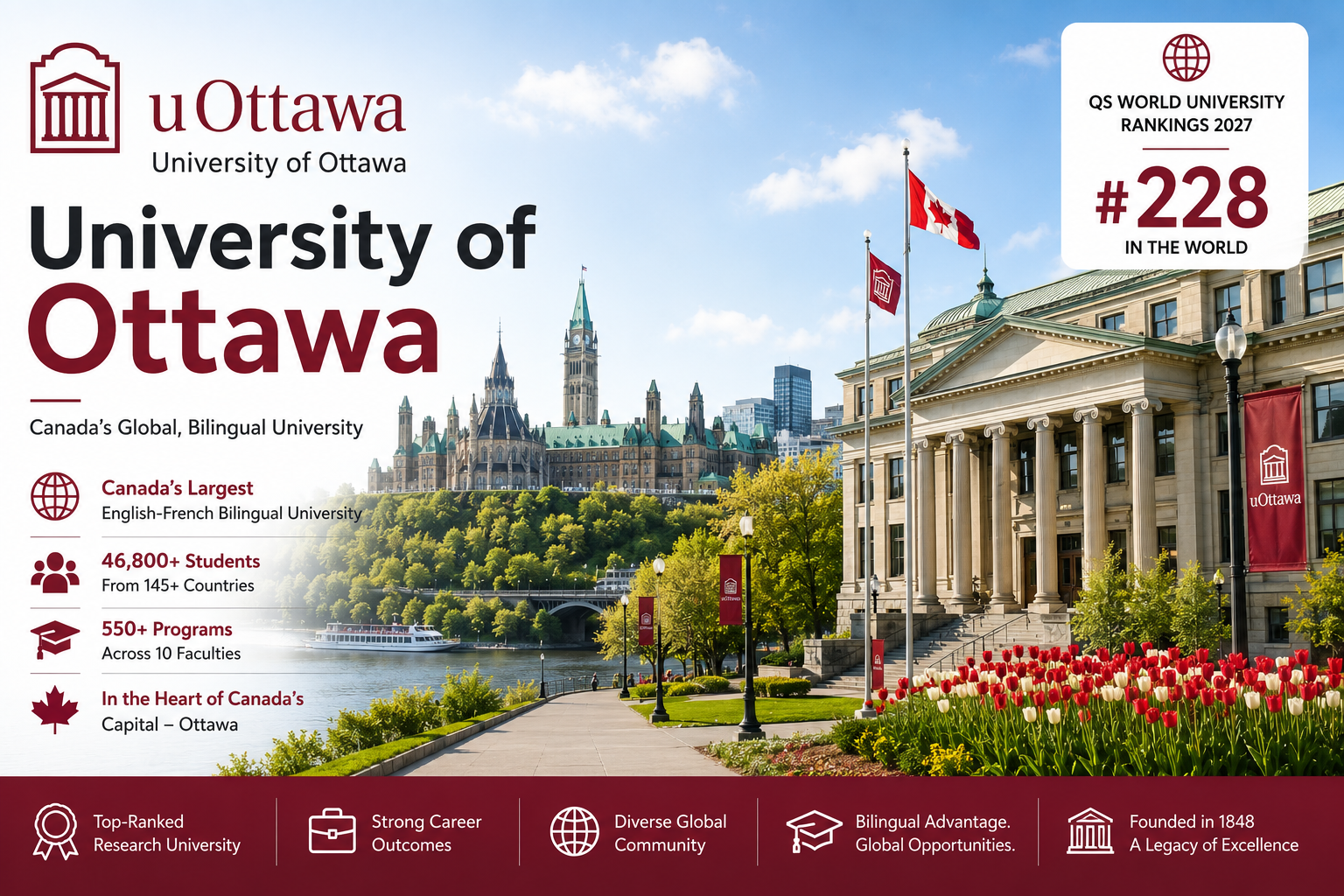
- The University of Ottawa (uOttawa): Located in Ontario, Canada, uOttawa is the world's largest bilingual (English-French) research-intensive university. It is a member of Canada's prestigious U15 group of research universities and frequently ranks among the top 150 to 200 universities globally across major league tables.
- Ottawa University: Headquartered in Ottawa, Kansas, this private, faith-based liberal arts institution focuses primarily on undergraduate education, professional graduate degrees, and adult learning across several regional campuses in the United States.
While Ottawa University in Kansas maintains regional accreditation and specific regional rankings within the U.S. News & World Report matrix, international discussions regarding higher education rankings overwhelmingly focus on Canada’s University of Ottawa. This analysis concentrates primarily on the global and domestic ranking mechanics of the University of Ottawa (uOttawa), while contextualizing how performance metrics govern public trust and institutional decision-making.
The Core Ranking Systems and Institutional Standing
Public perception of a university is rarely formed by a single metric. Instead, it is shaped by an aggregate of national publications and international evaluations, each employing distinct methodologies that highlight different institutional strengths.
Global & Domestic Ranking Tables:
- Global Index (QS / THE)
- Focus: Industry Reputation, Citations, & International Diversity
- Academic Index (ARWU)
- Focus: High-Impact Research Citations & Nobel/Fields Awards
- Domestic Index (Maclean's)
- Focus: Student Experience, Operating Budget & Class Sizes
Global Indexes: QS, Times Higher Education, and ARWU
On the international stage, three primary ranking systems dominate public perception:
- QS World University Rankings: QS emphasizes academic reputation, employer reputation, faculty-to-student ratios, citations per faculty, and international faculty/student ratios. The University of Ottawa consistently maintains a top-200 global position. Its strong employer reputation score directly enhances the global mobility of its graduates.
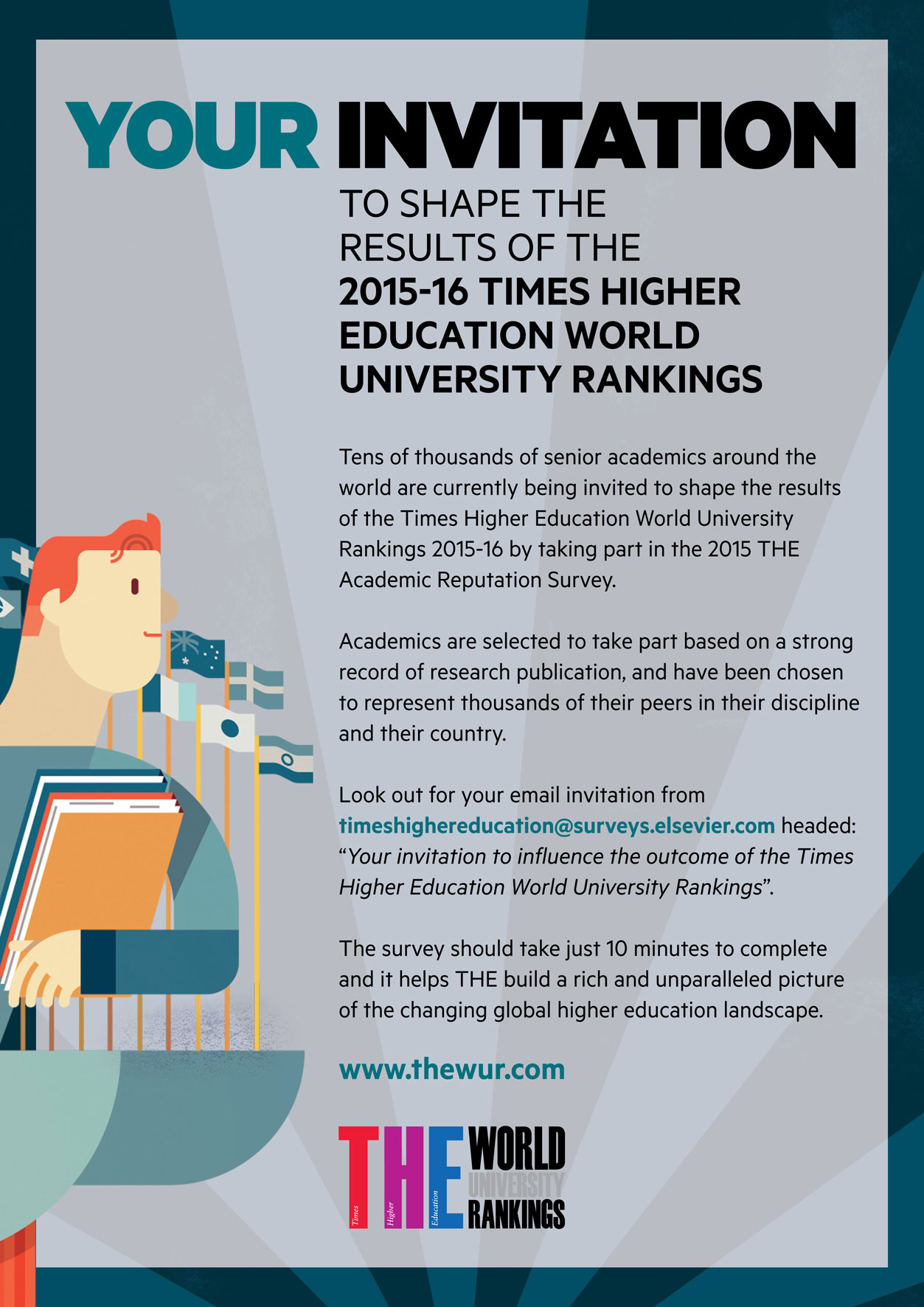
- Times Higher Education (THE) World University Rankings: THE places significant weight on the learning environment, research environment, research quality (citation impact), industry transfer, and international outlook. uOttawa's research-intensive output in health sciences, law, and engineering yields robust performance in THE evaluations.
- Academic Ranking of World Universities (ARWU / Shanghai Ranking): ARWU relies strictly on objective research indicators, including alumni and staff winning Nobel Prizes and Fields Medals, highly cited researchers, and papers published in Nature and Science. uOttawa's presence in the top 200–300 bracket reflects its high-volume biomedical and STEM research output.
Domestic Benchmarks: The Maclean’s Rankings
In Canada, national perception is heavily dictated by the annual Maclean’s University Rankings. Maclean's categorizes institutions into Medical Doctoral, Comprehensive, and Primarily Undergraduate tiers.
Operating in the Medical Doctoral category alongside institutions such as the University of Toronto, McGill University, and the University of British Columbia, uOttawa consistently ranks in the upper tier. Maclean’s evaluates student awards, faculty research grants, library resources, total operating budgets, and reputation. A strong showing in Maclean's directly affects domestic student applications, secondary school guidance counselor recommendations, and provincial political standing.
How Rankings Construct Student and Public Perceptions
Rankings serve as an informational shortcut for students, parents, and international stakeholders who cannot directly evaluate an institution's day-to-day academic quality. Consequently, a shift in league table positions creates measurable ripples across student recruitment and institutional credibility.
International Recruitment and Student Mobility
For international applicants, university rankings act as a key risk-mitigation tool. Studying abroad represents a major financial and logistical commitment; candidates rely on QS and THE scores to validate their investment.
When the University of Ottawa solidifies its position within the top 150 globally, it signals to international candidates that the institution provides globally portable credentials. Conversely, minor drops in performance indicators can suppress application volumes from competitive international markets where government scholarships or student visa pathways depend on institutional ranking thresholds.
Employer Recognition and Alumni Career Mobility
Corporate recruiters frequently use university rankings as a filter during candidate screening. Highly ranked universities are perceived to attract superior talent and offer rigorous training.
For uOttawa, strong scores in employer reputation metrics benefit graduates entering competitive fields such as technology, public policy, biotechnology, and corporate law. Because uOttawa is located in Canada's capital, its ranking trajectory reinforces its reputation as a primary pipeline for government ministries, policy think tanks, and international diplomatic organizations.
Ranking Trajectory & Perceptual Feedback Loop:
- Research Funding & Output
- Higher Ranking Metrics
- Enhanced Brand Prestige
- Increased Applications
- Employer Confidence
- Top Talent Retention (feeds back into Research Funding & Output)
Impact on Research Funding, Partnerships, and Faculty Retention
The influence of university rankings extends far beyond student enrollment; it shapes the operational ecosystem of academic institutions.
- Institutional Collaborations: Global universities seek research partners with comparable or higher league standings. High rankings allow uOttawa to secure international research alliances, joint degree programs, and cross-border research consortiums with elite universities worldwide.
- Faculty Recruitment: Distinguished scholars and principal investigators assess a university's ranking to gauge research infrastructure, library assets, and grant support. High rankings serve as a talent magnet, helping uOttawa recruit renowned researchers who further elevate citation metrics and peer reputation scores.
- Private and Public Grant Acquisition: While federal funding agencies like NSERC, SSHRC, and CIHR evaluate research proposals on merit, institutional capacity—reflected in university rankings—plays a subtle role in large-scale infrastructure grants and corporate research partnerships.
Ranking System Methodologies and Perceptual Drivers
Understanding how perceptions are formed requires examining the specific indicators measured by primary evaluation bodies.
| Ranking Body | Key Weighting Factors | Primary Perceptual Impact | Focus Area for uOttawa |
|---|---|---|---|
| QS World University Rankings | Academic Reputation (30%), Citations per Faculty (20%), Employer Reputation (15%), Sustainability (5%) | Shapes global brand prestige, prospective international student choices, and corporate hiring preferences. | Internationalization, employer network, high citation output in medicine and tech. |
| Times Higher Education (THE) | Research Quality (30%), Research Environment (29%), Teaching Environment (29.5%), Industry Income (4%) | Influences global academic peer recognition, international faculty recruitment, and institutional grant competitiveness. | Research productivity, industry partnership income, PhD yield rates. |
| ARWU (Shanghai Ranking) | Highly Cited Researchers (20%), Papers in Nature/Science (20%), Per Capita Performance (10%) | Determines perception among scientific researchers, grant committees, and international STEM doctoral applicants. | High-impact health science publications and STEM laboratory output. |
| Maclean's (Domestic) | Student Awards (20%), Faculty Grants (20%), Total Resources/Budget (20%), Reputation (15%) | Drives Canadian undergraduate enrollment choices, guidance counselor rankings, and provincial public relations. | Medical doctoral resource allocation, student-to-faculty ratios, student services. |
Strategic Implications for Higher Education Stakeholders
Stakeholders should interpret university rankings as one of several variables rather than an absolute measure of educational quality.
For Prospective Undergraduate and Graduate Students
- Look Beyond Overall Rank: Evaluate subject-specific rankings. An institution ranked 150th overall may possess a top-50 program in civil engineering, public policy, or digital humanities.
- Balance Metrics with Campus Fit: Rankings rarely measure campus safety, student mental health support, extracurricular vibrancy, or cost of living.
- Verify Co-op and Internship Access: uOttawa's capital location provides unique co-operative education placements across federal agencies and private tech hubs that standard ranking metrics do not capture.
For Academic Administrators and Policy Makers
- Avoid Ranking-Driven Governance: Tailoring academic strategy solely to chase ranking points can divert funds from undergraduate teaching to citation-heavy research silos.
- Focus on Core Strengths: Sustained investment in research infrastructure, equity initiatives, and international co-publications naturally lifts ranking performance while supporting the university's mission.
Common Misconceptions About University Ranking Metrics
- Misconception 1: A slight drop in ranking indicates declining educational quality.
- Reality: Ranking shifts are often relative. If peer institutions increase research output faster, a university's numerical position may drop even if its internal metrics improved.
- Misconception 2: Overall global rankings accurately reflect undergraduate teaching excellence.
- Reality: Global rankings heavily favor research output, citation counts, and institutional wealth. Teaching effectiveness receives relatively low weight in systems like QS and ARWU.
- Misconception 3: Regional institutions like Ottawa University (Kansas) compete directly on global tables.
- Reality: Comprehensive global tables are designed for research-intensive universities. Teaching-focused institutions operate under different regional criteria optimized for student-centered metrics rather than research citation volume.
Frequently Asked Questions
Why does the University of Ottawa rank differently across QS, THE, and Maclean's?
Each ranking organization uses a different methodology. QS places higher emphasis on survey-based academic and employer reputation, THE balances teaching and research environments, and Maclean's focuses specifically on Canadian medical-doctoral resource allocation and student funding.
How do rankings impact the value of a degree from uOttawa?
Higher rankings enhance global brand recognition. For graduates seeking employment or further education internationally, a top-ranked university degree provides built-in credibility, as overseas employers and admissions boards frequently reference global league tables like QS and THE.
Does a higher university ranking guarantee better job placement?
No. While higher rankings improve brand recognition and corporate recruitment presence, individual career success depends primarily on practical skill acquisition, internships, co-op experiences, networking, and academic performance.
Is Ottawa University in Kansas ranked on the same scale as the University of Ottawa in Canada?
No. Ottawa University (Kansas) is a regional private university evaluated within the U.S. News & World Report regional rankings framework. The University of Ottawa (Canada) is a large, research-intensive institution evaluated on global international rankings like QS, THE, and ARWU.
How do citation counts affect the Ottawa University ranking?
Citation counts measure how frequently researchers worldwide reference papers published by uOttawa faculty. In systems like THE and ARWU, high citation counts directly elevate the university's research quality score, significantly driving its overall ranking position upward.
Next Actions and Strategic Guidance
To make informed decisions based on university ranking data, adopt a structured evaluation approach:
- Define Your Priorities: Determine whether your primary decision driver is undergraduate teaching quality, specialized graduate research opportunities, career networking, or global mobility.
- Examine Subject-Specific Tables: Access the detailed subject rankings on QS World University Rankings or Times Higher Education to view specific performance metrics for law, medicine, engineering, or social sciences.
- Evaluate Domestic Context: Consult the annual Maclean’s University Rankings report to understand domestic funding dynamics, student service allocations, and national reputation within Canada.
- Assess Institutional Fit directly: Supplement ranking data with campus visits, prospective student webinars, direct faculty outreach, and co-op employment statistics to gain a comprehensive view of the university environment.
Image Gallery