William Schallert: The Prolific Legacy of a Television Icon
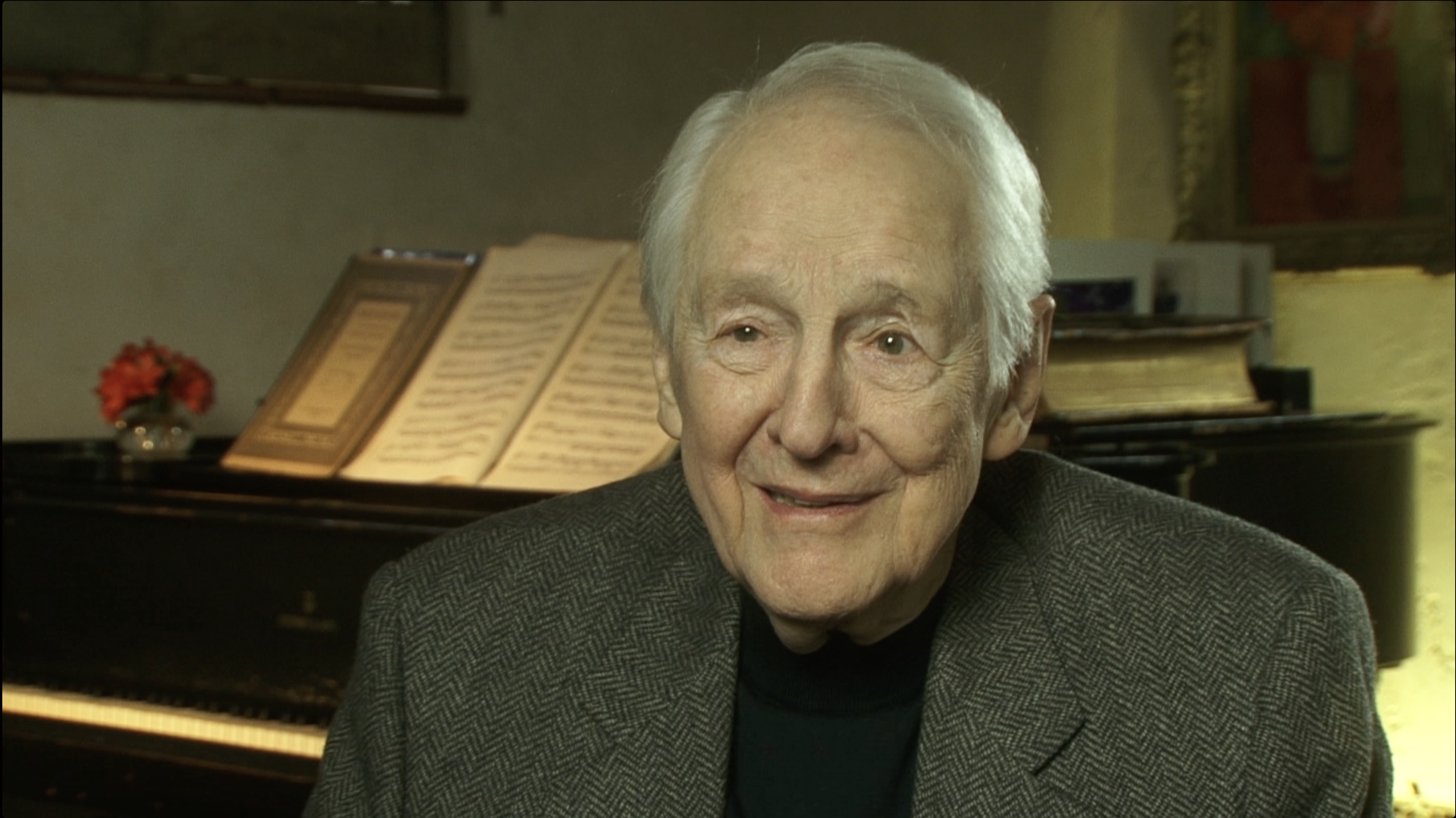
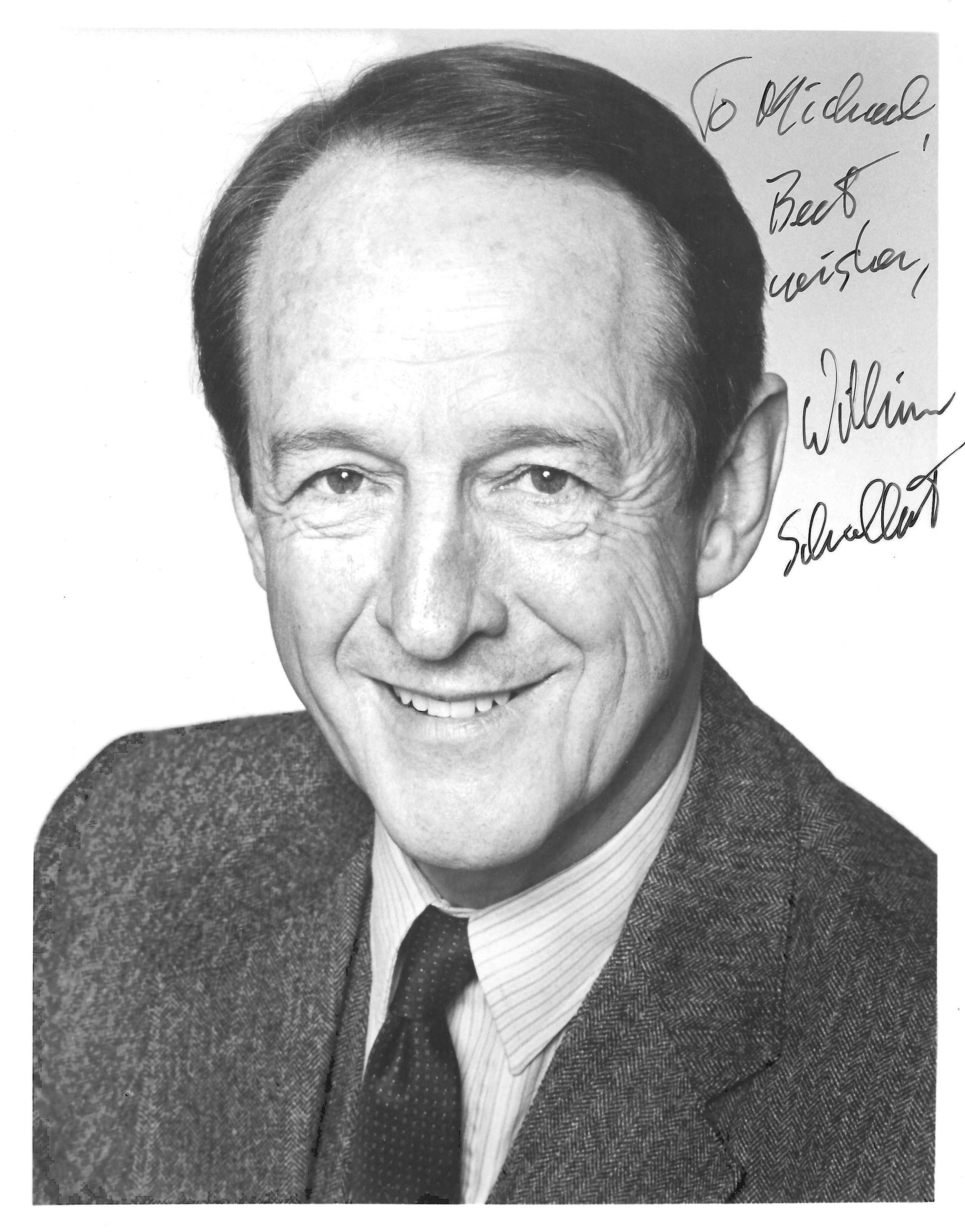
William Schallert was a foundational figure in American television, best known for his role as the quintessential father, Martin Lane, on The Patty Duke Show. With a career spanning seven decades and over 300 credits, he served as a ve...
William Schallert was a foundational figure in American television, best known for his role as the quintessential father, Martin Lane, on The Patty Duke Show. With a career spanning seven decades and over 300 credits, he served as a versatile character actor and a pivotal President of the Screen Actors Guild.
Contents
In the history of American entertainment, few actors possess a filmography as dense or as varied as William Schallert. Born in 1922 and active until his passing in 2016, Schallert was more than just a recognizable face; he was a reliable anchor for hundreds of productions. By 2026, his work continues to be studied by historians of the "Golden Age" of television and aspiring character actors who seek to understand the art of the "working actor"—those who maintain constant employment through versatility rather than singular typecasting. Schallert’s contribution to the industry extended far beyond the screen, as his leadership during critical labor disputes reshaped how actors are compensated in the modern era.
Early Life and the Foundation of a Craft
William Joseph Schallert was born on July 6, 1922, in Los Angeles, California. He did not enter the industry as an outsider; he was the son of Edwin Schallert, a long-time drama editor for the Los Angeles Times, and Elza Schallert, a prominent magazine writer and radio host. Growing up in a household deeply embedded in the critique and reporting of Hollywood provided William with an analytical perspective on the performing arts from an early age.
He attended the University of California, Los Angeles (UCLA), where he initially focused on music before pivoting to drama. His academic pursuit of the craft was interrupted by military service during World War II, but he returned to his studies and eventually became a founding member of the Circle Theatre in 1946. This theatrical background was essential; it gave him the range to handle everything from Shakespearean drama to the rapid-fire timing required for 1950s sitcoms. In 1952, he received a Fulbright Fellowship to study repertory theater in the United Kingdom, an experience that refined his vocal technique and presence, qualities that would later make him a first-choice actor for voice-over work and authoritative character roles.
The Definitive TV Father: The Patty Duke Show
While Schallert had already established himself in dozens of films and television episodes by the early 1960s, it was The Patty Duke Show (1963–1966) that cemented his place in the cultural zeitgeist. Playing Martin Lane, the father of Patty Lane and the uncle of her "identical cousin" Cathy, Schallert had to provide a stabilizing force in a show built on the high-energy, dual-role performance of a young Patty Duke.
Schallert’s portrayal of Martin Lane was nuanced. Unlike many sitcom fathers of the era who were either buffoons or overly stern disciplinarians, Martin Lane was depicted as a hardworking managing editor of a newspaper—intelligent, patient, and occasionally bewildered by the antics of the teenage girls. This role showcased his ability to play "the straight man," a technical skill in acting where the performer provides the necessary reality for the surrounding comedy to land effectively. The chemistry between Schallert and Duke was genuine, leading to a lifelong friendship that lasted until Duke’s death in 2016, just weeks before Schallert’s own passing.
A Master of Science Fiction and Cult Classics
Beyond the suburban living rooms of 1960s sitcoms, William Schallert was a staple of the science fiction and horror genres. This segment of his career is particularly relevant to researchers focusing on the "B-movie" era and the transition of sci-fi into mainstream television.
One of his most notable early film roles was the lead in The Man from Planet X (1951). In this film, he played Dr. Mears, a morally ambiguous scientist. This performance remains a point of study for its understated intensity, contrasting with the often-overwrought acting styles of early 1950s low-budget cinema.
In television, Schallert secured his place in sci-fi history with his appearance in the Star Trek: The Original Series episode "The Trouble with Tribbles" (1967). He portrayed Nilz Baris, the irritable Federation Undersecretary for Agricultural Affairs. His performance as a bureaucratic foil to Captain Kirk provided the necessary tension to make the comedic elements of the episode—namely the multiplying Tribbles—function within the show's universe. He would later return to the franchise in Star Trek: Deep Space Nine, playing a different character, a testament to his enduring appeal to casting directors within the genre.
Leadership and the 1980 SAG Strike
Perhaps the most significant chapter of Schallert’s career occurred off-camera. From 1979 to 1981, he served as the President of the Screen Actors Guild (SAG). This was a period of immense technological upheaval. The industry was beginning to grapple with the rise of "new media," which at the time consisted of pay-television (like HBO) and home video (VHS and Betamax).
Schallert led the guild during the 1980 strike, which lasted 94 days and effectively shut down Hollywood production. The central conflict involved establishing a formula for residuals—payments made to actors when their work is reused—on these new platforms. Under Schallert's leadership, the guild secured a landmark agreement that guaranteed actors a percentage of the gross receipts from home video and pay-TV. This victory laid the technical and legal groundwork for the residual structures that still exist in 2026, including the frameworks used for digital streaming services. His tenure as president demonstrated that he was not just a performer, but a sophisticated negotiator who understood the economic mechanics of the entertainment industry.
Technical Versatility: Voice Acting and Longevity
As Schallert aged, his career did not decline; it merely transitioned. His voice, characterized by a mid-range clarity and a trustworthy tone, became a valuable asset. He voiced numerous characters in animated series and was the spokesperson for Milton Bradley games for many years.
His ability to adapt to changing television landscapes allowed him to remain relevant across several generations of viewers. In the 1980s and 90s, he appeared in everything from The Golden Girls to Quantum Leap. Even in the 21st century, he continued to find work in high-profile series like True Blood, where he played the ancient vampire Mayor Norris, and Desperate Housewives. This longevity is rare in Hollywood and speaks to a technical reliability; Schallert was known for being "one-take Bill," an actor who arrived prepared, understood his blocking, and delivered the required performance without delay.
Comparative Overview of Key Career Milestones
The following table summarizes the diverse nature of William Schallert’s contributions to the industry across different eras and formats.
| Period | Project/Organization | Role | Significance |
|---|---|---|---|
| 1951 | The Man from Planet X | Dr. Mears | Established him as a serious actor in the burgeoning sci-fi film genre. |
| 1963–1966 | The Patty Duke Show | Martin Lane | Defined the "American TV Father" archetype for the 1960s. |
| 1967 | Star Trek | Nilz Baris | Guest role in one of the most famous TV episodes of all time. |
| 1979–1981 | Screen Actors Guild | President | Led the 1980 strike, securing residuals for home video and cable. |
| 1988 | War and Remembrance | Harry Hopkins | Demonstrated his capacity for high-stakes historical drama. |
| 2008–2011 | True Blood | Mayor Norris | Showcased his ability to adapt to modern, "prestige" cable television. |
Frequently Asked Questions
Was William Schallert related to other famous actors?
While his parents were famous in the world of journalism and criticism, William was the primary actor in his immediate family. However, his father, Edwin Schallert, was one of the most influential drama critics in Los Angeles history, often credited with helping to professionalize film criticism. This background gave William a unique "insider-outsider" perspective on the industry, allowing him to navigate the politics of Hollywood with greater ease than many of his peers.
How many television shows did William Schallert appear in?
It is estimated that William Schallert appeared in over 350 different television episodes and films throughout his career. This volume of work is among the highest for any actor in the history of the Screen Actors Guild. His appearances ranged from guest spots in Westerns like Gunsmoke to recurring roles in modern dramas, making him one of the most prolific performers of the 20th century.
What was William Schallert's role in the 1980 SAG strike?
As President of the Screen Actors Guild, Schallert was the chief representative for actors during the 1980 strike. He was responsible for maintaining unity among the membership during the 94-day work stoppage and negotiating with the Alliance of Motion Picture and Television Producers (AMPTP). His successful negotiation for residuals on "supplemental markets" (home video) is considered one of the most important labor victories in Hollywood history.
Did William Schallert ever win an Emmy?
Despite his massive body of work and high visibility, Schallert never won a Primetime Emmy Award for his acting. However, his contributions to the industry were recognized in other ways, including various lifetime achievement awards from acting organizations and his enduring reputation among his peers as a "master of the craft." His legacy is defined more by his ubiquity and his labor leadership than by individual trophies.
What was his last acting role?
Schallert remained active into his 90s. One of his final notable roles was a guest appearance on the sitcom 2 Broke Girls in 2014. He continued to take on voice-over work and small character parts almost until his death at the age of 93 in 2016. His commitment to the profession was a point of pride, as he often stated he had no desire to retire from a job he loved.
Practical Legacy and Next Actions
For those looking to explore the history of American television, studying William Schallert provides a comprehensive roadmap. He participated in every major shift the medium underwent: from live television and the rise of the filmed sitcom to the birth of the "mini-series" and the transition to high-definition cable drama.
If you are a student of acting or film history, the best way to understand Schallert’s technical skill is to observe his "reaction shots" in The Patty Duke Show. He was a master of listening—a skill often overlooked by younger actors. Additionally, researchers interested in the labor history of Hollywood should consult the SAG-AFTRA archives for records regarding the 1980 strike, where Schallert’s leadership notes and public statements are preserved as vital documents of industry evolution. His life serves as a definitive example of how a character actor can shape an industry both through the characters they play and the professional standards they uphold.
Image Gallery