What Rajneesh Did in Antelope, Oregon: The Rise and Fall of Rajneeshpuram
Bhagwan Shree Rajneesh and his followers established a massive intentional community called Rajneeshpuram on a 64,000-acre ranch near Antelope, Oregon, in 1981. They eventually took political control of Antelope, renaming it "Rajneesh,...
Bhagwan Shree Rajneesh and his followers established a massive intentional community called Rajneeshpuram on a 64,000-acre ranch near Antelope, Oregon, in 1981. They eventually took political control of Antelope, renaming it "Rajneesh," before the commune collapsed in 1985 following criminal investigations into bioterrorism, immigration fraud, and attempted murder.
Contents
The events that unfolded in central Oregon during the early 1980s remain one of the most complex chapters in American legal and social history. What began as a spiritual movement’s search for a "promised land" quickly devolved into a bitter conflict between a small, conservative ranching community and a high-tech, well-funded religious organization. By 2026, the physical scars on the landscape have largely been reclaimed by new owners, but the legal precedents and historical lessons of the Rajneeshee occupation continue to be studied by sociologists and legal scholars alike.
The Arrival: From Pune to the Big Muddy Ranch
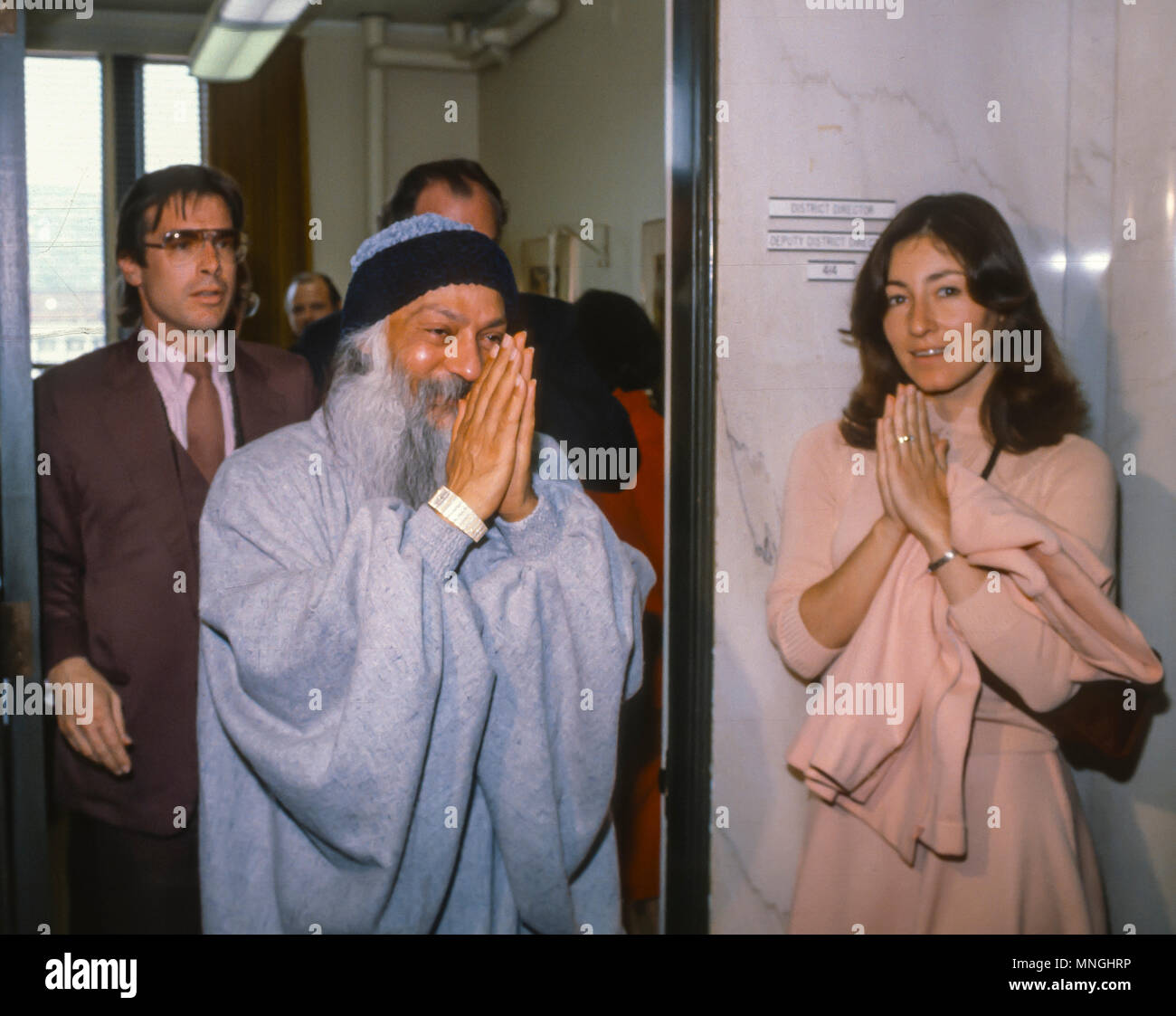
In mid-1981, Bhagwan Shree Rajneesh (later known as Osho) left his ashram in Pune, India, citing health reasons and the need for a more expansive location for his growing international following. His chief lieutenant and personal secretary, Ma Anand Sheela (born Sheela Silverman), spearheaded the search for a North American headquarters. They selected the Big Muddy Ranch, a sprawling 64,000-acre property located primarily in Wasco County and partly in Jefferson County, approximately 20 miles from the tiny town of Antelope.
The purchase price of $5.75 million was paid in cash, a move that immediately signaled the group’s immense financial power. The Rajneeshees, identifiable by their sunrise-colored clothing (shades of red, orange, and pink) and "mala" necklaces featuring Rajneesh’s portrait, began arriving by the hundreds. Their goal was to build a self-sustaining city, which they incorporated as "Rajneeshpuram" in 1982.
Building a Desert Utopia
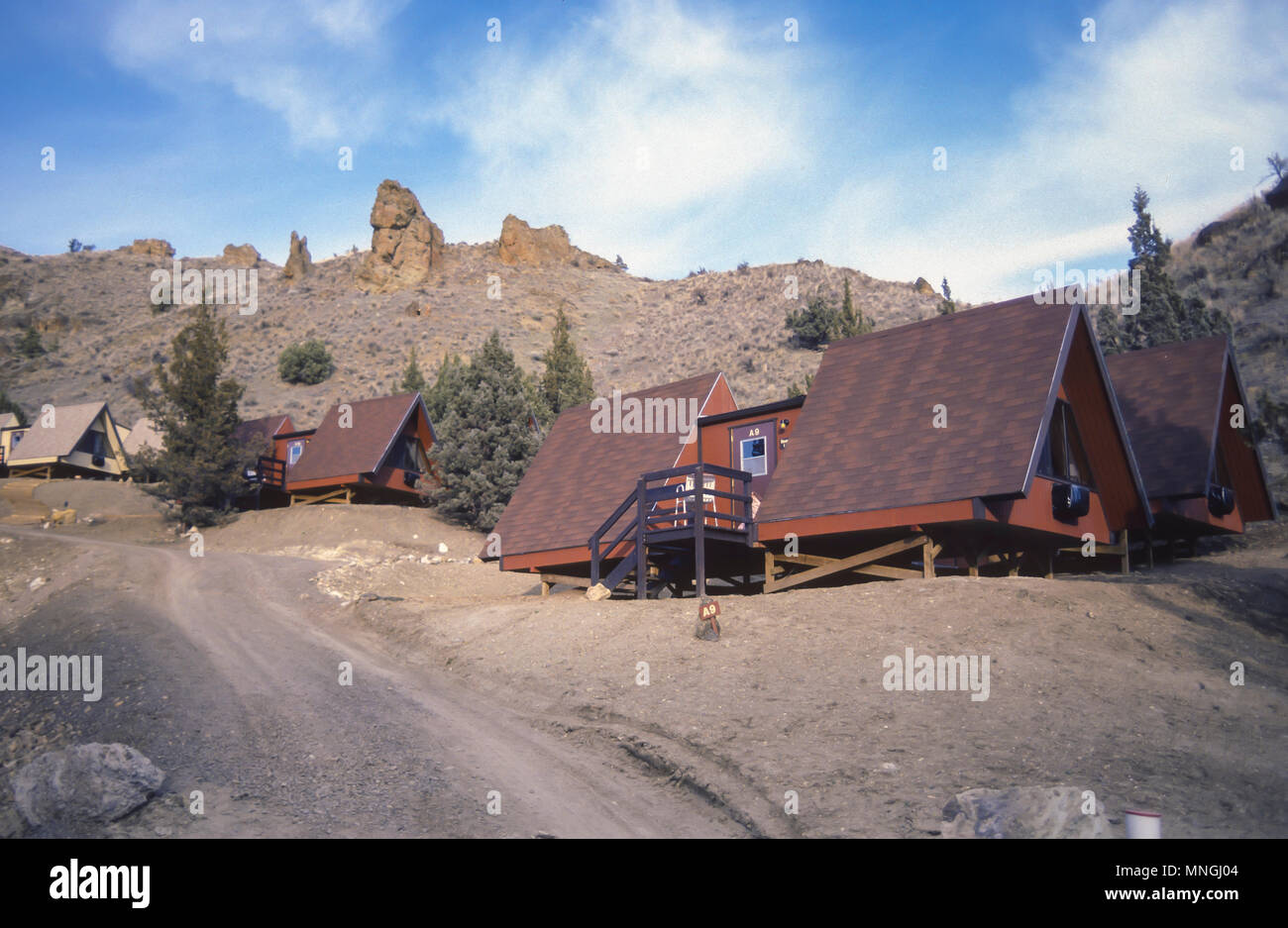
The technical scale of what the Rajneeshees accomplished in the high desert was, by all accounts, an engineering marvel. Within three years, they transformed an overgrazed, arid ranch into a fully functioning city. Key developments included:
- Infrastructure: A 4,000-foot paved runway for the commune's private airline (Air Rajneesh).
- Utilities: A state-of-the-art sewage treatment plant and a massive reservoir (Patanjali Lake) created by damming local creeks for irrigation and fire protection.
- Logistics: A fleet of buses to transport residents and a massive "Mandir" (meeting hall) that could hold 10,000 people.
- Agriculture: High-yield organic farms and greenhouses that allowed the community to produce much of its own food.
The Occupation of Antelope
The relationship between the Rajneeshees and the original residents of Antelope—a town of roughly 40 retirees and ranchers—collapsed almost immediately. The locals were wary of the influx of thousands of strangers, while the Rajneeshees viewed any opposition as religious bigotry.
When the town of Antelope attempted to block the commune’s expansion through zoning laws, the Rajneeshees responded by using their numbers. Followers began moving into the town, buying up vacant properties, and registering to vote. In 1982, the Rajneeshees won a majority on the Antelope City Council. By 1984, they voted to change the town’s name to Rajneesh, Oregon. They also established a heavily armed police force, the Rajneeshpuram Peace Force, which patrolled both the ranch and the town with Uzis and modern tactical gear, further alienating the local population.
Legal Warfare and Political Escalation
The core of the conflict was not just cultural; it was deeply legal. The Rajneeshees faced constant pressure from "1000 Friends of Oregon," a land-use watchdog group that argued the incorporation of Rajneeshpuram violated state laws intended to preserve agricultural land.
As the legal net tightened, Ma Anand Sheela’s leadership became increasingly militant. She viewed the state and local government as existential threats and sought ways to manipulate the 1984 Wasco County elections to ensure Rajneeshpuram’s survival. If the commune could control the three-member Wasco County Commission, they could bypass zoning restrictions.
The "Share-a-Home" Program
In an attempt to dilute the local vote, the commune launched the "Share-a-Home" program. They bussed in thousands of homeless people from major U.S. cities like New York and Chicago, offering them food and shelter at Rajneeshpuram. The underlying intent was to register these individuals to vote in Wasco County. However, the plan backfired when the county refused to register the new arrivals without individual hearings, and the program ended in chaos as the commune eventually dumped many of the homeless individuals in nearby cities like The Dalles and Portland.
The 1984 Bioterror Attack
The most infamous action taken by the Rajneeshee leadership occurred in late 1984. In a desperate attempt to influence the upcoming election by incapacitating the non-Rajneeshee voting population, members of the commune’s "medical" team cultivated Salmonella typhimurium in secret laboratories on the ranch.
They surreptitiously sprayed the bacteria onto salad bars at ten different restaurants in The Dalles, the county seat of Wasco County. This resulted in 751 documented cases of salmonellosis, 45 of whom required hospitalization. While no one died, it remains the largest bioterrorist attack in United States history. At the time, officials initially attributed the outbreak to poor food handling by restaurant workers; the truth only emerged a year later during the commune's internal collapse.
The Collapse and Criminal Prosecution
The end of the Rajneesh experiment began in September 1985, when Ma Anand Sheela and a core group of "Sannyasins" (followers) fled the country for Europe. Following their departure, Rajneesh broke a years-long period of public silence to accuse Sheela and her "gang" of various crimes, including the poisoning in The Dalles and an attempted assassination of the Bhagwan’s personal physician.
Federal and state authorities, who had been investigating the commune for immigration fraud, moved in. It was discovered that the commune had arranged hundreds of "sham marriages" to allow foreign followers to stay in the United States.
Key Legal Actions and Figures
| Individual/Entity | Primary Charge/Issue | Outcome |
|---|---|---|
| Bhagwan Shree Rajneesh | Immigration Fraud (Alford Plea) | $400,000 fine, 10-year suspended sentence, and permanent deportation from the U.S. |
| Ma Anand Sheela | Attempted murder, bioterrorism, wiretapping | Sentenced to 20 years; served 29 months in federal prison before being released for good behavior and moving to Switzerland. |
| Rajneeshpuram | Land-use violations | The city was eventually declared illegal under Oregon land-use laws; the corporation was liquidated. |
| Antelope, Oregon | Political Takeover | Residents voted to change the name back to Antelope in 1986. |
The Aftermath in Central Oregon
By 1986, the Rajneeshees had largely vacated the ranch. The property sat in a state of legal and physical limbo for years until it was eventually sold. In the 1990s, the land was donated to Young Life, a Christian youth organization, which converted the former commune into a massive summer camp known as the Washington Family Ranch.
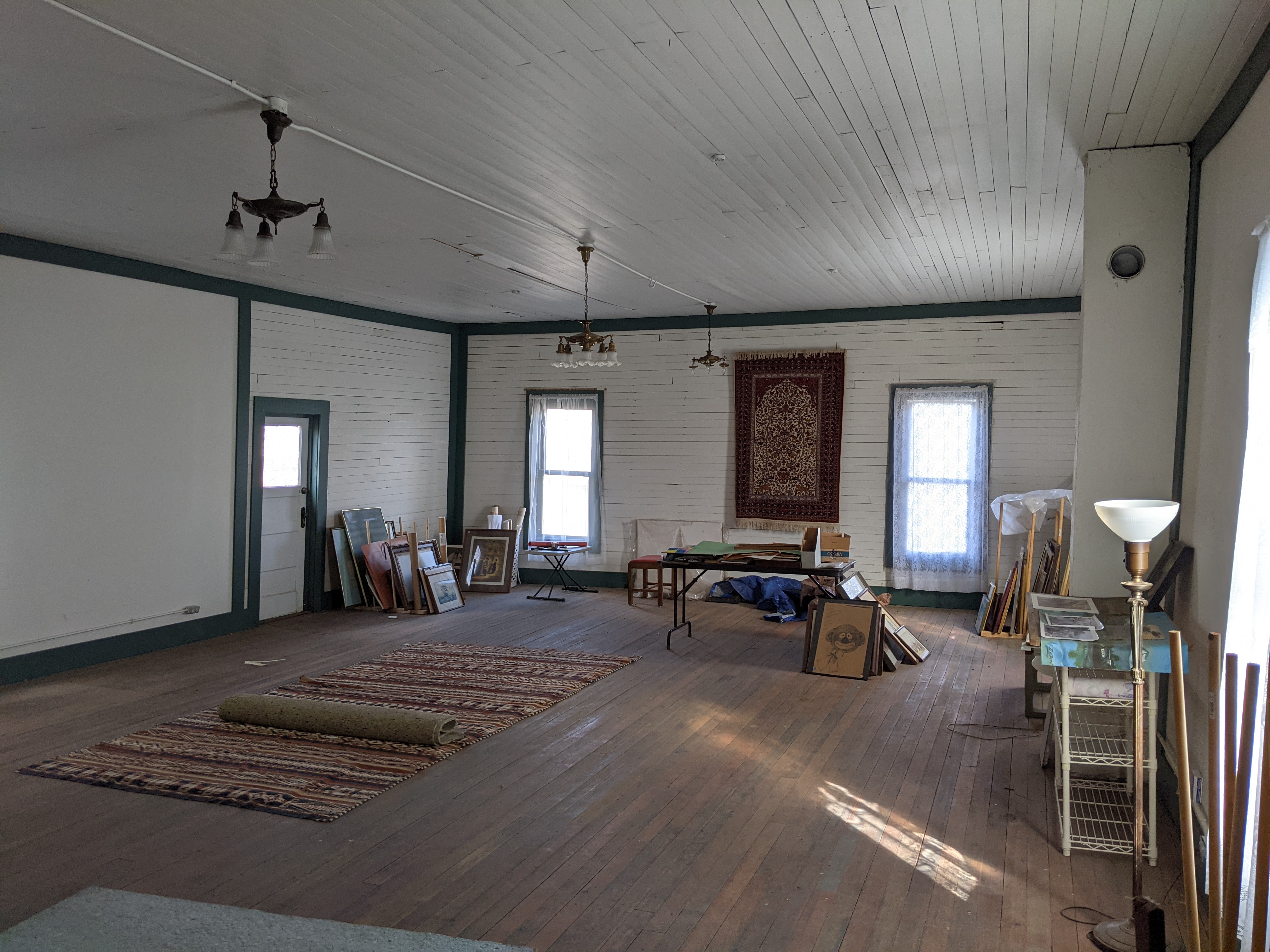
Today, many of the original structures built by the Rajneeshees—the massive Mandir, the runway, and the housing complexes—remain in use, though repurposed for the camp’s missions. The town of Antelope returned to its quiet roots, though it remains a destination for tourists interested in the history of the 1980s conflict.
Frequently Asked Questions
Why did Rajneesh have so many Rolls Royces?
Rajneesh famously owned a fleet of 93 Rolls Royces. To his followers, these were symbols of his rejection of traditional asceticism and a provocation to mainstream society's hang-ups about wealth. The cars were sold off during the liquidation of the commune to pay off debts and legal fees.
Is the cult still active today in 2026?
While the Rajneeshpuram commune no longer exists, the "Osho" movement continues. The Osho International Meditation Resort is active in Pune, India, and various meditation centers operate globally. Most modern followers focus on Rajneesh's later teachings and meditation techniques rather than the communal living experiments of the 1980s.
What happened to Ma Anand Sheela?
After her release from prison in 1988, Sheela moved to Switzerland. She became the subject of renewed public interest following the 2018 documentary series Wild Wild Country. She has spent her later years running nursing homes for the elderly and disabled in Switzerland.
How did they get caught for the poisoning?
The bioterror attack was not discovered until Bhagwan Shree Rajneesh himself invited authorities to investigate the ranch after Sheela fled. During the search, investigators found laboratory equipment and a matching strain of Salmonella that confirmed the commune's responsibility for the outbreak in The Dalles.
Final Recommendation for Researchers
If you are interested in the deeper legal nuances of this case, the Oregon Historical Society and the Wasco County archives maintain extensive records of the land-use trials and criminal proceedings. For those visiting the area, please respect the privacy of the residents of Antelope and the private property boundaries of the Washington Family Ranch.
Image Gallery