Comprehensive Guide to Becoming and Hiring a Certified Personal Trainer Online in 2026
A certified personal trainer online is a fitness professional who has earned a credential from an accredited institution and delivers exercise programming, nutritional guidance, and health coaching through digital platforms. These trai...
A certified personal trainer online is a fitness professional who has earned a credential from an accredited institution and delivers exercise programming, nutritional guidance, and health coaching through digital platforms. These trainers use remote tools to assess client needs, monitor progress, and provide accountability, ensuring professional standards are maintained without the need for a physical gym presence.
Contents
The landscape of the fitness industry in 2026 is defined by the convergence of high-level athletic science and accessible digital technology. Whether you are an aspiring professional looking to launch a career or a consumer seeking a qualified coach, understanding the nuances of online certification is essential. A "certified" status is not merely a label; it represents a commitment to safety, evidence-based practice, and continuing education.
The Importance of NCCA Accreditation
In the fitness industry, the gold standard for any certification—online or in-person—is accreditation by the National Commission for Certifying Agencies (NCCA). This body ensures that the exam process is fair, valid, and reliable. Most reputable gyms and insurance providers in 2026 will not recognize a trainer unless their certification carries this hallmark.
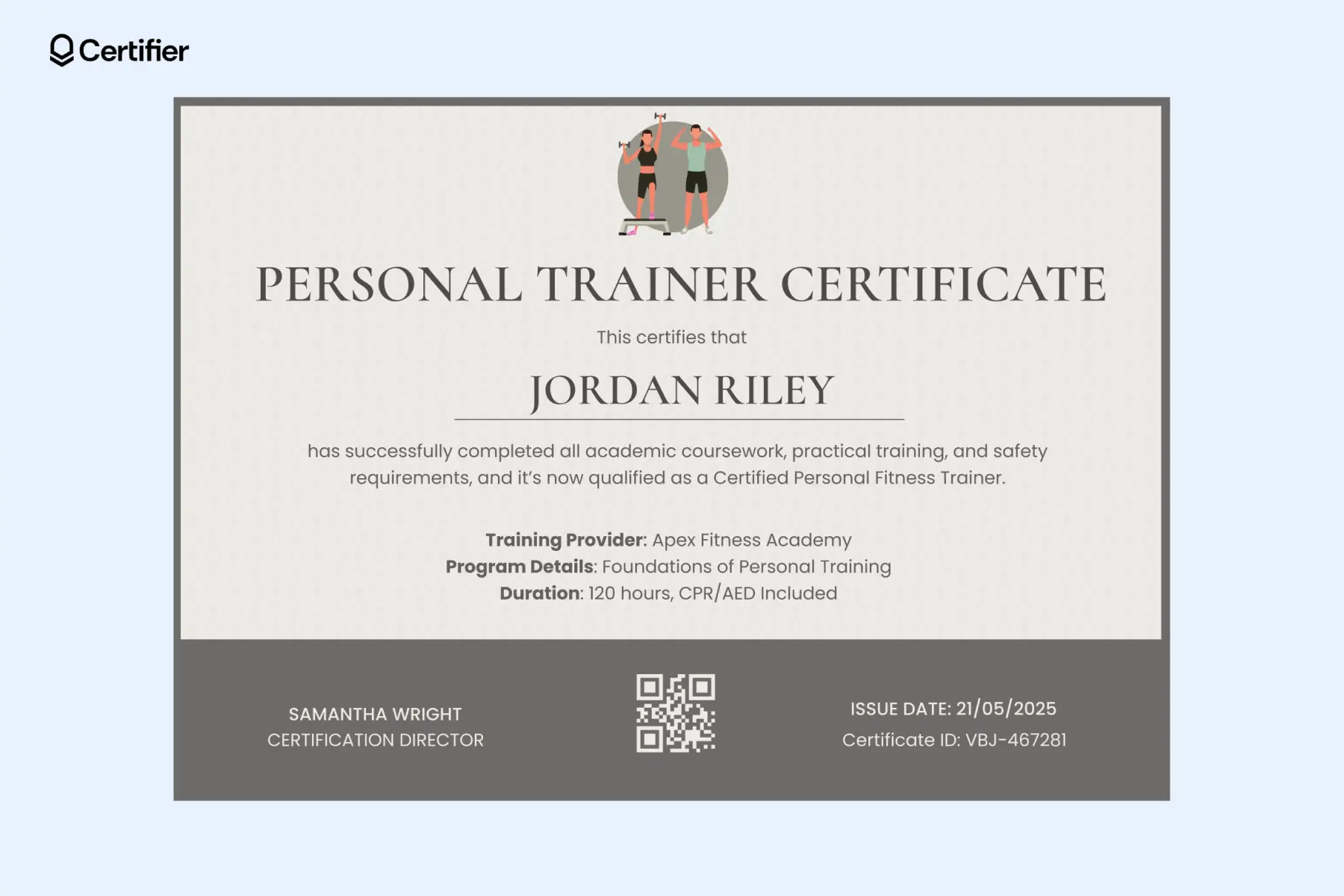
When searching for a certified personal trainer online, or seeking to become one, you must distinguish between "certificate programs" and "professional certifications." A certificate might indicate completion of a course, but a professional certification requires passing a rigorous, often proctored, exam that tests competency across anatomy, physiology, kinesiology, and program design.
Why Accreditation Matters for Trainers
For professionals, holding an NCCA-accredited credential is the primary barrier to entry for professional liability insurance. It also provides a competitive edge in a crowded digital marketplace. It proves that the trainer understands the risks of exercise, such as overtraining syndrome or acute injury, and knows how to screen clients for "red flags" that require medical clearance.
Why Accreditation Matters for Clients
For consumers, hiring an online trainer with an accredited certification ensures that the person providing advice is not just an influencer with a good physique. It guarantees the trainer follows the scope of practice, which includes not diagnosing medical conditions or prescribing meal plans that border on medical nutrition therapy unless they hold additional licensure.
Primary Online Certification Bodies in 2026
Several organizations dominate the online certification space. Each has a specific philosophy and target demographic.
1. National Academy of Sports Medicine (NASM)
NASM remains a leader in 2026 due to its proprietary Optimum Performance Training (OPT) Model. This evidence-based system allows trainers to progress clients through phases: Stabilization, Strength, and Power. It is particularly popular for online trainers because the structured nature of the OPT model makes it easier to design long-term programs remotely.
2. American Council on Exercise (ACE)
ACE is widely respected for its focus on behavior change and general population health. Their Integrated Fitness Training (IFT) Model emphasizes the "human" element of coaching. Online trainers who focus on weight loss and lifestyle habit formation often prefer ACE because of its robust psychological and motivational interviewing components.
3. International Sports Sciences Association (ISSA)
ISSA was an early adopter of the 100% online model. While they offer NCCA-accredited options, they are also known for their comprehensive business and marketing education. This makes ISSA a common choice for trainers who want to jumpstart their independent online business immediately after passing their exams.
4. National Strength and Conditioning Association (NSCA)
The NSCA is the "academic" choice, often preferred by those working with tactical athletes, collegiate sports, or high-performance clients. Their Certified Strength and Conditioning Specialist (CSCS) credential is often considered the most difficult to obtain, requiring a degree in a related field.
Comparison of Top Online Certification Programs
The following table compares the primary features of the top certification bodies available in 2026.
| Feature | NASM | ACE | ISSA | NSCA |
|---|---|---|---|---|
| Primary Focus | Corrective Exercise & OPT Model | Behavior Change & General Health | Business Growth & Practicality | Athletic Performance & Research |
| Accreditation | NCCA | NCCA | NCCA (Option) / DEAC | NCCA |
| Exam Format | Online Proctoring / In-Person | Online Proctoring / In-Person | Online (Non-Proctored or Proctored) | In-Person Testing Centers |
| Prerequisites | HS Diploma, CPR/AED | HS Diploma, CPR/AED | HS Diploma, CPR/AED | HS Diploma (CPT) or Degree (CSCS) |
| 2026 Est. Cost | $700 - $2,200 | $500 - $1,500 | $800 - $1,600 | $400 - $600 (Exam Only) |
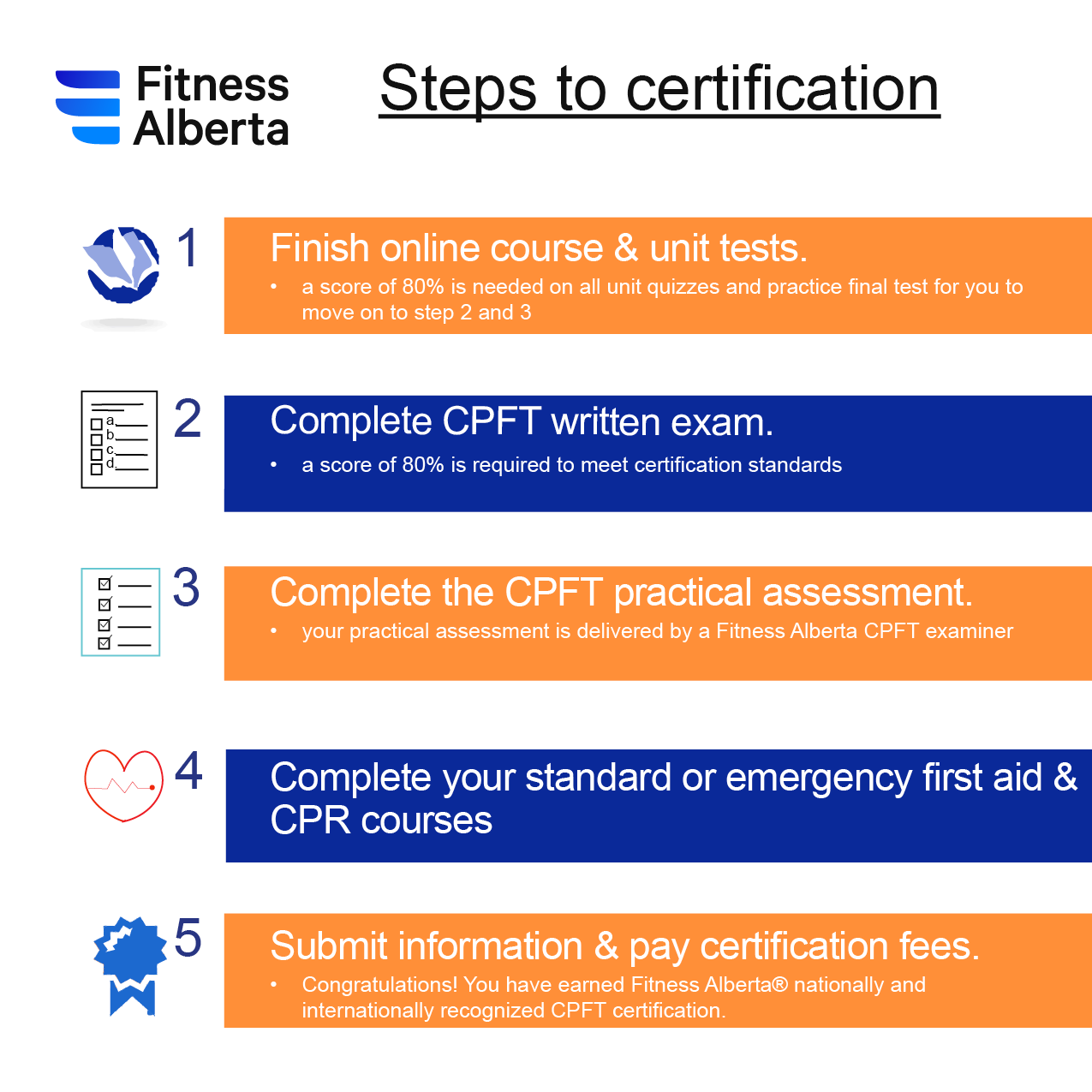
The Step-by-Step Path to Becoming an Online Certified Personal Trainer
If your goal is to enter the profession in 2026, the pathway is structured to ensure you are ready for both the scientific and digital aspects of the job.
Step 1: Meet the Prerequisites
Before enrolling in a course, you must have a high school diploma or equivalent. Additionally, you must hold a current CPR (Cardiopulmonary Resuscitation) and AED (Automated External Defibrillator) certification. Many organizations now accept online-only CPR certifications, provided they include a live skills-check component via video call.
Step 2: Select a Specialization
The online market is highly specialized. General trainers often struggle to find clients. Consider adding a "specialization" to your base CPT (Certified Personal Trainer) credential. Common 2026 specializations include:
- Virtual Coaching Specialist: Focuses specifically on the tech and communication skills needed for remote work.
- Corrective Exercise Specialist (CES): Focuses on fixing muscle imbalances often caused by sedentary desk work.
- Nutrition Coach: Provides the ability to give specific dietary guidance within the scope of practice.
Step 3: Study and Examination
Most programs offer a 3-to-6-month study window. In 2026, these curricula are delivered through interactive apps, virtual reality (VR) anatomy labs, and video libraries. The exam typically consists of 100–150 multiple-choice questions. If taking the exam online, you will use a remote proctoring service that monitors your webcam and screen to ensure academic integrity.
Step 4: Liability Insurance and Legal Setup
A certified personal trainer online faces unique risks, such as a client injuring themselves in their own home while following your video. Professionals must obtain Professional Liability Insurance. Providers like Next Insurance or HISCOX offer specific policies for online trainers that cover "telehealth" or "remote coaching" risks.
Essential Technology for the Online Trainer in 2026
To be a successful "certified personal trainer online," you need more than just a certification; you need a digital infrastructure.
- Client Management Software: Tools like Trainerize, TrueCoach, or My PT Hub allow you to deliver workouts, track metrics, and communicate in one place. These platforms often integrate with wearable tech (Apple Watch, Oura Ring, Whoop) to give the trainer real-time data on a client's sleep, heart rate variability, and daily steps.
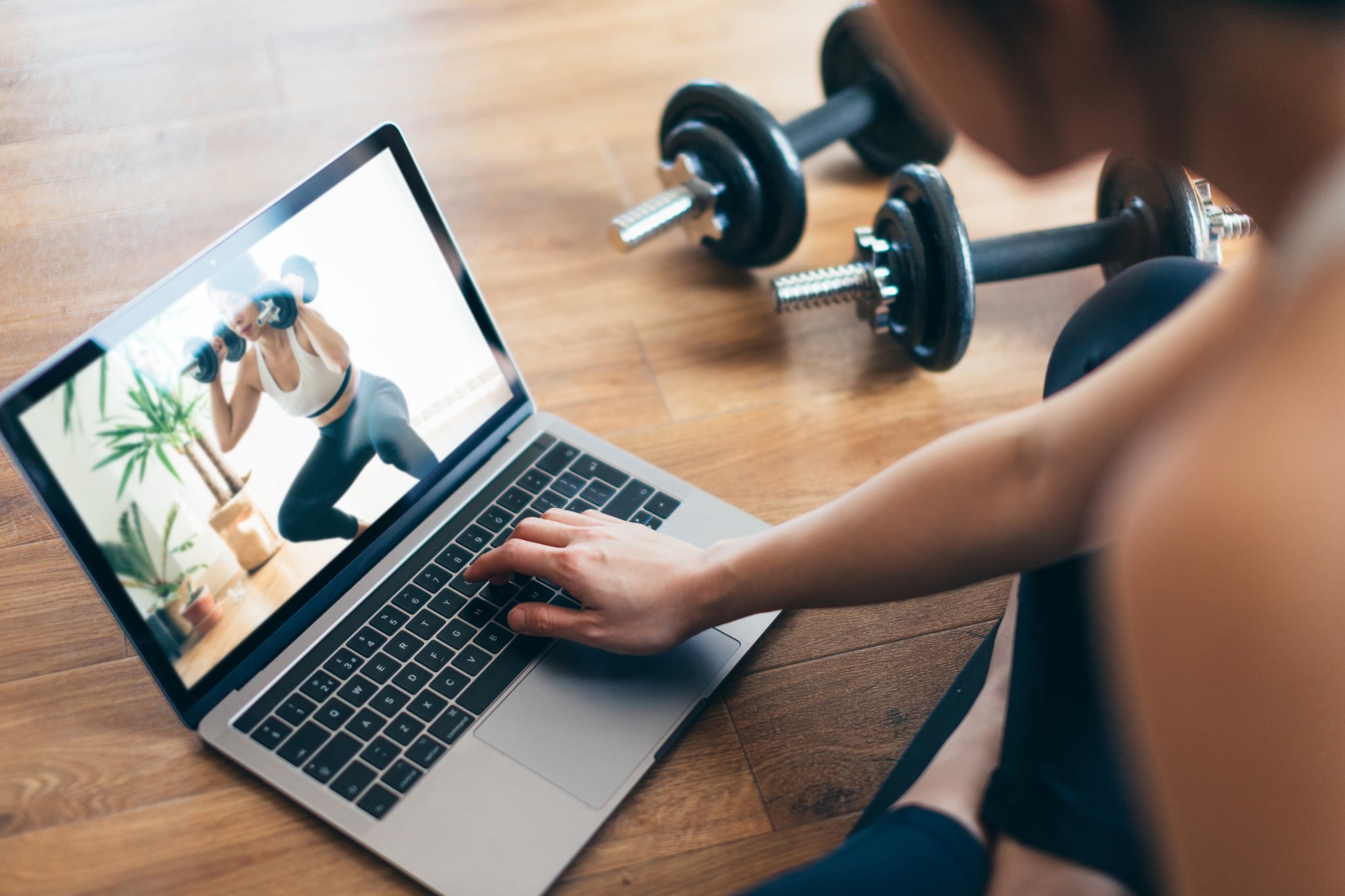
- Video Assessment Tools: Assessing form remotely is a challenge. Modern trainers use asynchronous video tools (where a client records a set and the trainer provides voice-over feedback) or synchronous tools like Zoom and Microsoft Teams for live sessions.
- Artificial Intelligence Integration: By 2026, many trainers use AI to handle administrative tasks like initial scheduling and basic calorie tracking, allowing them to focus more on the "human" aspects of coaching, such as motivation and complex program adjustments.
How to Verify a Trainer’s Credentials Online
If you are a consumer looking to hire a trainer, do not take their word for it. Verification is a simple process that protects your health and your wallet.
- The USREPS Registry: The United States Registry of Exercise Professionals is a database where you can search for a trainer by name to see if they hold a current, NCCA-accredited certification.
- Direct Verification: Most major bodies (NASM, ACE, NSCA) have a "Verify a Professional" link on their homepage. You simply enter the trainer's certification number or full name.
- Check the Expiration Date: Certifications must be renewed every two years through Continuing Education Units (CEUs). A trainer who hasn't updated their credentials since 2022 may not be practicing the most current safety protocols.
Common Mistakes When Pursuing Online Training
Whether you are learning or hiring, avoid these frequent pitfalls:
- Ignoring the "Online" Specifics: Being a great in-person trainer does not automatically make one a great online trainer. Online coaching requires superior communication skills and the ability to explain complex movements without being able to physically adjust the client.
- Chasing "Cheap" Certifications: Websites offering a "Personal Trainer Certification" for $99 in under an hour are usually scams. These certificates are not accredited and will not be accepted by reputable insurance companies or employers.
- Neglecting Nutrition: Many trainers overlook the nutritional component. However, online clients usually seek body composition changes, which are 80% driven by diet. Ensuring your online trainer has a recognized nutrition credential is a significant value-add.
Frequently Asked Questions
Can I really get a personal trainer certification entirely online?
Yes. As of 2026, all major accredited bodies offer 100% digital pathways for study and examination. The examination is conducted via remote proctoring software that secures your computer and monitors you via webcam to maintain the same standards as a physical testing center.
Is an online personal trainer as effective as one in person?
Research consistently shows that online training can be just as effective, and sometimes more so, because it emphasizes "autonomy." Clients learn how to train on their own rather than relying on a trainer to stand next to them. The key is the trainer’s ability to provide high-quality video feedback and consistent accountability.
How much should I expect to pay for a certified trainer online in 2026?
Rates vary based on the trainer's experience and the level of service.
- Subscription-based (App access + Weekly check-in): $150–$300 per month.
- 1-on-1 Live Virtual Sessions: $60–$150 per hour.
- Custom Programming (Monthly): $200–$500 per month.
Do online trainers need a special license to work across state lines?
In the United States, there is currently no national "license" for personal training; it is a certification-based industry. However, you must ensure your liability insurance covers you for clients residing in different states or countries. Always check local regulations if you are operating outside of the U.S.
What is the best certification for an online trainer?
For most, NASM or ACE is the best starting point due to their high brand recognition and robust online delivery platforms. If you intend to work with professional athletes, the NSCA-CSCS is the preferred choice.
Final Recommendation
For those looking to enter the field, the first step is to visit the NCCA website to confirm your chosen program's accreditation. Once verified, enroll in a program that offers a "Virtual Coaching" specialization to master the digital side of the business. For consumers, always request a trainer's certification number and verify it through the official organization's portal before signing a contract. In 2026, the barrier to entry for fitness information is low, but the barrier for professional, certified expertise remains high.
Image Gallery