Is The American Scholar Magazine a Worthwhile Read for Academics in 2026?
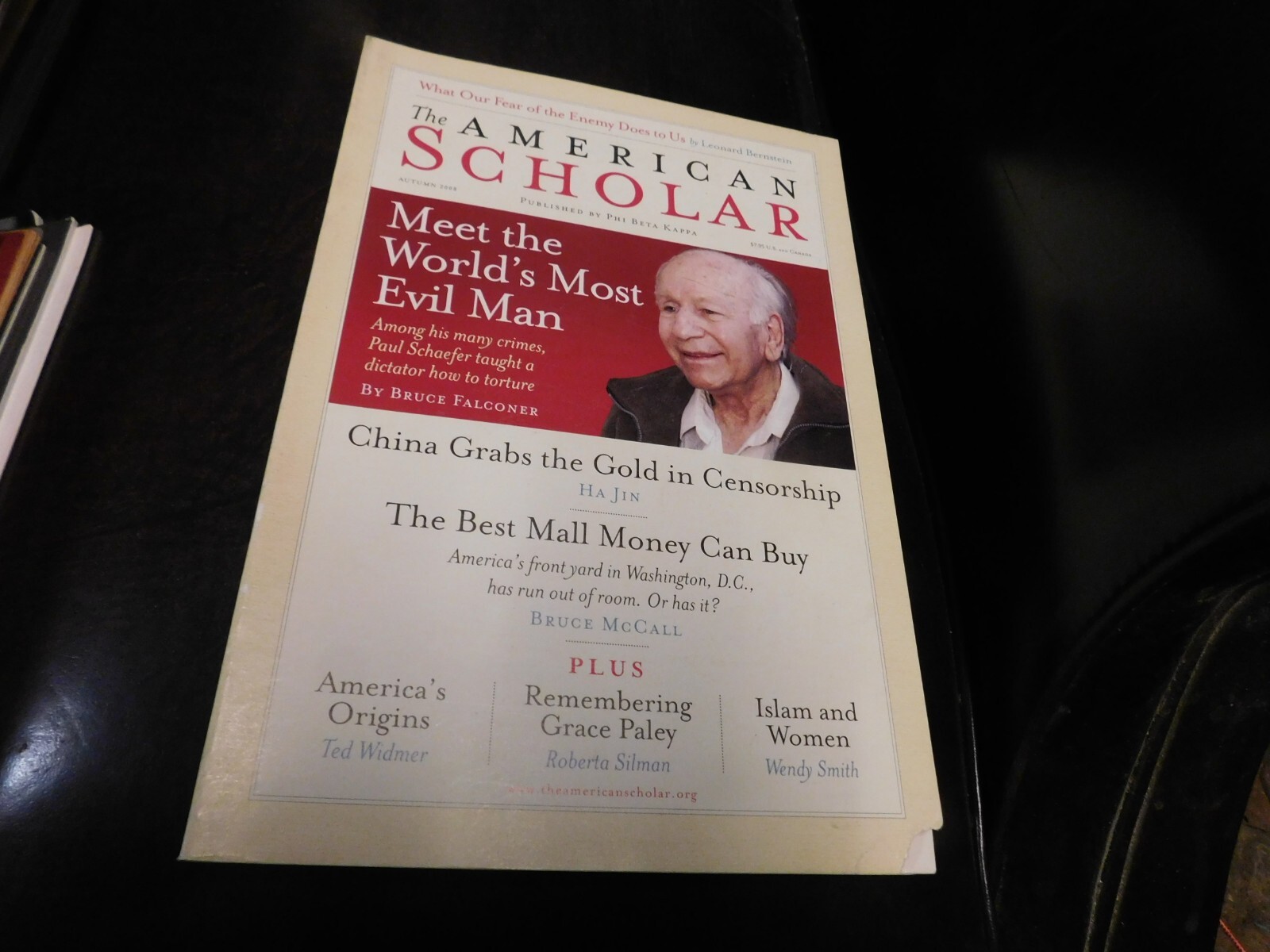
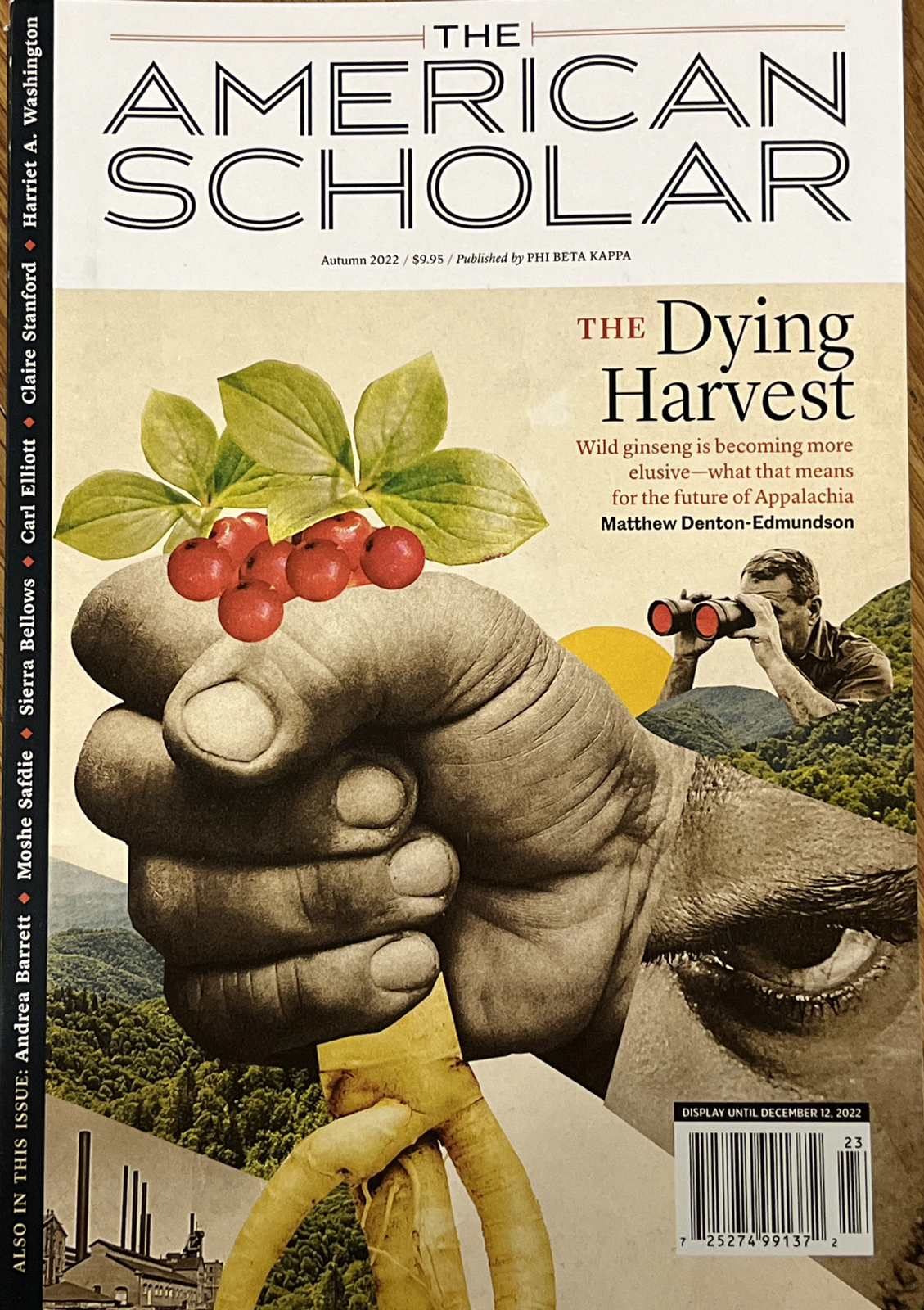
For academics seeking intellectual breadth beyond their specific sub-fields, The American Scholar remains an essential resource in 2026. It offers high-caliber literary essays, cultural criticism, and poetry that bridge the gap between...
For academics seeking intellectual breadth beyond their specific sub-fields, The American Scholar remains an essential resource in 2026. It offers high-caliber literary essays, cultural criticism, and poetry that bridge the gap between specialized research and the "common reader," making it a premier venue for interdisciplinary inspiration and public scholarship.
Contents
The modern academic landscape is often defined by extreme specialization, where researchers may spend years focused on a single niche. However, the intellectual life of a scholar requires more than just technical proficiency; it requires a connection to the broader humanistic tradition. Since its founding in 1932 by the Phi Beta Kappa Society, The American Scholar has served as a quarterly beacon for this holistic approach to knowledge. As we navigate the complexities of 2026, the magazine continues to challenge the "siloing" of academia by providing a space where science, politics, and literature converge.
The Philosophical Foundation: More Than Just a Magazine
To understand why The American Scholar is valuable, one must first understand its namesake. The publication takes its title from Ralph Waldo Emerson’s 1837 oration, which he delivered to the Phi Beta Kappa Society at Harvard. Emerson famously defined the scholar not as a "bookworm" or a specialist, but as "Man Thinking." He argued that the true scholar must remain connected to nature, to the past, and to action.
In 2026, this philosophy is more relevant than ever. Academics often find themselves buried under administrative duties, grant writing, and peer-review cycles. The American Scholar functions as a quarterly reminder of the original vocation of the intellectual. It is not a peer-reviewed journal in the traditional sense; rather, it is a literary quarterly that prioritizes prose quality and narrative arc. For a professor of biology, reading an essay on the history of 19th-century choral music or a critique of modern urban planning provides a cognitive "cross-training" that can spark unexpected insights in their own field.
Evaluating the Content: What Academics Can Expect
The magazine is structured to cater to a sophisticated audience that appreciates nuance. While the digital landscape is flooded with "hot takes" and rapid-response journalism, The American Scholar maintains a commitment to slow media. The content is generally categorized into several key areas that resonate with the academic temperament.
Long-Form Essays and Cultural Criticism
The core of each issue consists of long-form essays that typically range from 3,000 to 6,000 words. These are not abstracts or data-heavy reports; they are narrative-driven explorations of ideas. In recent years, the magazine has tackled subjects ranging from the ethics of artificial intelligence in education to the sociological impact of the "loneliness epidemic." For academics, these essays serve as models of public scholarship—demonstrating how complex ideas can be communicated to a broad, educated audience without sacrificing intellectual integrity.
The "Commonplace" and "Scientific Method" Columns
The magazine features regular columns that provide consistent touchpoints for readers. The "Scientific Method" column is particularly noteworthy for academics in the STEM fields, as it often features working scientists reflecting on the philosophy and history of their craft. "Commonplace" offers shorter, more observational pieces that reflect on the quirks of modern life, often written with a dry, academic wit that provides much-needed levity.
Book Reviews and Poetry
The "Books" section of The American Scholar is legendary among bibliophiles. Unlike the brief blurbs found in mainstream newspapers, these reviews are often "essay-reviews" that place the book within a much larger historical or theoretical context. Furthermore, the magazine remains one of the few high-prestige venues for contemporary poetry. For the academic, these sections provide a curated guide to the most significant intellectual output of the year, saving time in an era of information overload.
Comparison of Intellectual Publications for Academics
Choosing where to invest limited reading time is a common struggle for faculty and researchers. The following table compares The American Scholar with other prominent publications often found in faculty lounges and campus libraries.
| Publication | Primary Focus | Peer Reviewed? | Tone/Style | Frequency |
|---|---|---|---|---|
| The American Scholar | General intellect, culture, science | No | Elegant, literary, contemplative | Quarterly |
| Chronicle of Higher Ed | Academic news, labor, policy | No | Journalistic, professional | Weekly |
| Nature / Science | Original scientific research | Yes | Technical, data-driven | Weekly |
| The Atlantic | Politics, social trends | No | Provocative, fast-paced | Monthly |
| Critical Inquiry | Literary and cultural theory | Yes | Highly theoretical, dense | Quarterly |
| PMLA | Language and literature | Yes | Specialized, scholarly | 5x / Year |
The Role of the Magazine in Professional Development
While The American Scholar is primarily read for pleasure and intellectual enrichment, it offers practical benefits for an academic’s professional development.
- Improving Writing Style: Many academics struggle with "legalese" or "academese." Reading the magazine exposes researchers to some of the best non-fiction stylists in the country. Observing how these writers structure arguments and use metaphors can help academics write more engaging grant proposals and book introductions.
- Interdisciplinary Networking: The magazine often features contributors from diverse fields. Keeping up with who is writing for the Scholar can introduce academics to potential collaborators outside their immediate department.
- Classroom Resources: Many of the essays are ideal for undergraduate seminars. They provide "seed texts" that can prompt discussions on ethics, history, or social change without the barrier of overly technical jargon.
Digital Presence and the "Smarty Pants" Podcast
As of 2026, The American Scholar has successfully integrated its digital and print offerings. While the print edition remains a "prestige object" for many, the website provides daily updates, including "Ten-Minute Lectures" and web-only columns.
A significant draw for the modern, busy academic is the Smarty Pants podcast. Hosted by the magazine’s editors, the podcast features interviews with authors and scholars about their latest work. It serves as an excellent way for academics to stay informed during commutes or exercise, maintaining the magazine's high standards of discourse in an audio format.
Membership and Subscription Considerations
It is important to clarify a common misconception: you do not have to be a member of the Phi Beta Kappa Society to subscribe to The American Scholar. While PBK members often receive the magazine as a benefit of their membership or at a discounted rate, the publication is available to the general public.
In 2026, subscription costs remain competitive with other high-end literary journals. For academics, the cost is often tax-deductible as a professional expense, particularly if it is used for research or teaching preparation. Libraries at most major research universities provide digital access through databases like JSTOR or Project MUSE, but many scholars prefer a personal subscription to keep physical copies for their home offices.
Potential Limitations for Academics
Is the magazine right for everyone? Perhaps not. There are specific scenarios where an academic might find it less useful:
- Need for Primary Data: If you are looking for the latest statistical trends or experimental results to cite in a formal paper, this is not the venue. It is a secondary and tertiary source of analysis, not a primary research journal.
- Highly Politicized Content: While the magazine strives for intellectual balance, it operates within the tradition of American liberalism (in the classical sense). Those seeking purely partisan or highly radicalized discourse may find its tone too "measured" or "establishment."
- Time Constraints: Because the articles are long and dense, they require dedicated "deep work" time. If your reading habits are currently limited to five-minute breaks, the quarterly format might feel overwhelming.
FAQ: The American Scholar for Academic Readers
Is The American Scholar peer-reviewed? No, it is a literary and intellectual magazine, not a peer-reviewed academic journal. While its contributors are often distinguished experts and professors, the editing process is focused on editorial style, clarity, and narrative rather than double-blind scholarly vetting.
Do I need to be a member of Phi Beta Kappa to read it? No. Anyone can subscribe to the magazine or purchase individual issues. While it is published by the Phi Beta Kappa Society, its mission is to reach a broad audience of educated readers, regardless of their society affiliations.
Does publishing in The American Scholar count toward tenure? This depends on the institution and the specific department. In most "Research 1" (R1) universities, it is considered "public scholarship" or "outreach" rather than a primary research publication. However, for faculty in the humanities or creative writing, a feature in the Scholar is highly prestigious and can significantly enhance a tenure dossier under the category of "professional recognition."
How often is the magazine published? It is a quarterly publication, with issues released for Winter, Spring, Summer, and Autumn. This slow frequency is intentional, allowing for more depth and higher production values than monthly magazines.
Is there a digital-only subscription option? Yes, as of 2026, the magazine offers digital-only subscriptions that provide full access to the archives, the current issue, and the "Smarty Pants" podcast extras via their mobile app and website.
Final Recommendation
For the academic who feels increasingly isolated within their own department, The American Scholar is a worthwhile investment. It provides a crucial link to the broader world of ideas and helps maintain the "intellectual curiosity" that likely drew them to academia in the first place. Whether you are using it to refine your prose, find interdisciplinary connections, or simply enjoy a well-crafted essay on a Sunday afternoon, it remains one of the few publications that treats its readers with the intellectual respect they deserve.
To get the most out of it, consider starting with the digital archives to explore past essays in your general area of interest before committing to a full print subscription. For those in leadership positions—such as department chairs or deans—it also makes an excellent gift for graduating PhD students entering the profession.
Image Gallery