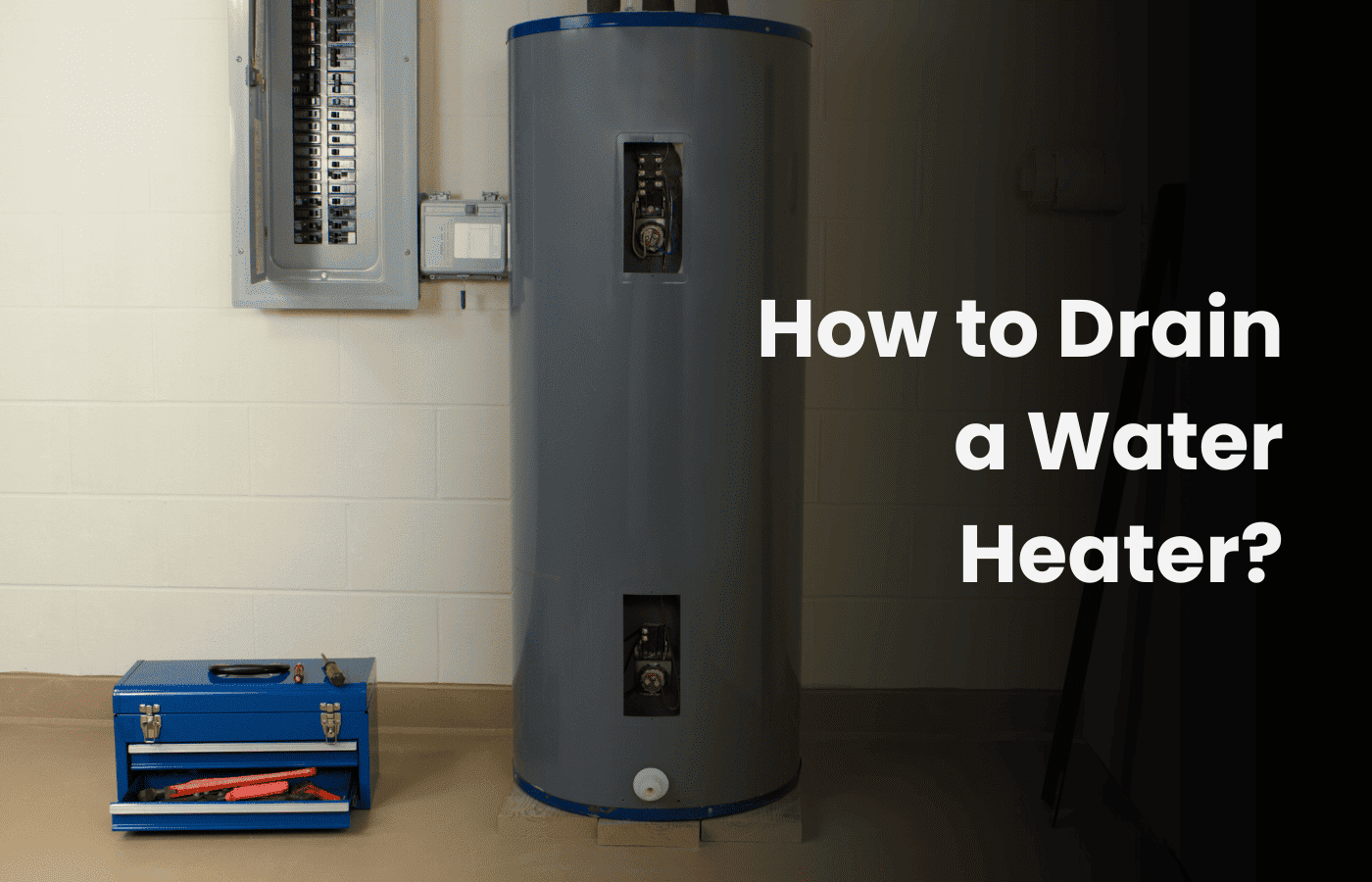
How Often Should You Drain Your Water Heater? A Complete Maintenance Guide
Most homeowners should drain and flush their water heater at least once every 12 months to remove accumulated sediment and mineral deposits. If you live in a region with exceptionally hard water, increasing this frequency to every six...
Most homeowners should drain and flush their water heater at least once every 12 months to remove accumulated sediment and mineral deposits. If you live in a region with exceptionally hard water, increasing this frequency to every six months is recommended to maintain energy efficiency and prevent premature tank failure.
Contents
Water heaters are among the most hard-working appliances in a modern home, yet they are frequently the most neglected. Hidden away in basements, garages, or utility closets, these tanks provide the comfort of hot showers and the sanitation required for dishwashing and laundry. However, as water is heated, minerals—primarily calcium and magnesium—precipitate out of the liquid and settle at the bottom of the tank. This process, known as sedimentation, acts as a silent thief, stealing energy efficiency and eventually destroying the appliance from the inside out.
As of 2026, the cost of replacing a standard residential water heater has continued to rise due to material costs and stricter energy efficiency regulations. Consequently, understanding the "how" and "why" of water heater maintenance is more financially significant than ever before.
Understanding Sediment: Why Your Tank Needs a Flush
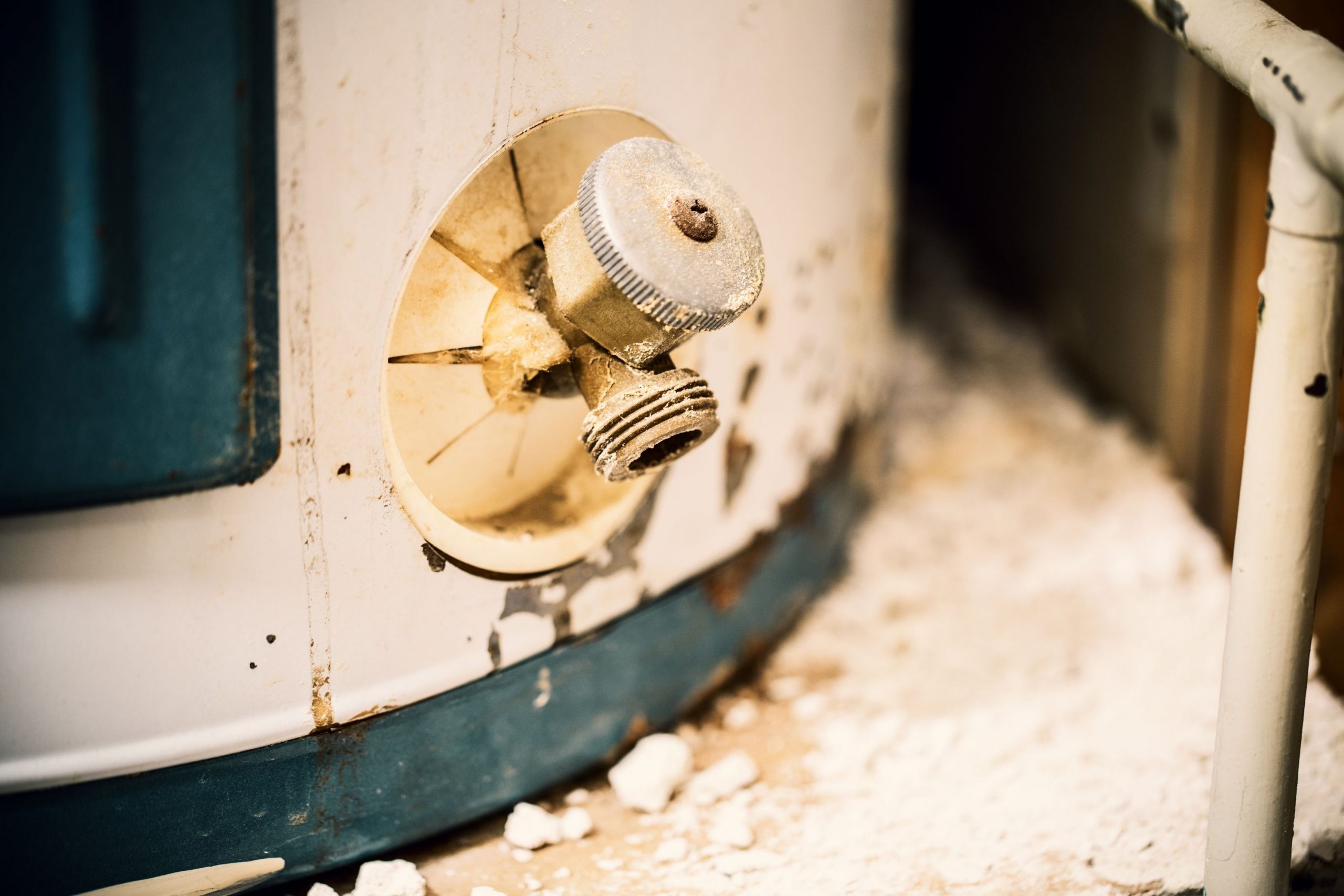
To understand why you must drain your water heater, you must first understand what is happening inside the tank. Most municipal and well water contains dissolved minerals. When water is heated, a chemical reaction occurs that causes these minerals to crystallize and settle. Over time, these crystals form a thick layer of "scale" or "sediment" at the bottom of the tank.
In electric water heaters, this sediment can bury the lower heating element, causing it to overheat and eventually burn out. In gas water heaters, the sediment sits directly on top of the burner at the bottom of the tank. This creates an insulating barrier. The burner must then work much harder to heat the water through the layer of "rock," which leads to the metal tank overheating and eventually cracking or leaking.
Furthermore, sediment takes up physical space. A tank heavily laden with sediment holds several gallons less water than its rated capacity, meaning you run out of hot water faster during high-demand periods. The presence of sediment also creates a phenomenon called "kettling," where water trapped beneath the sediment layer boils and turns to steam, creating the popping or rumbling sounds often heard coming from older units.
Factors That Influence Your Maintenance Schedule
While the one-year rule is a standard baseline, several variables can dictate a more aggressive or relaxed maintenance schedule.
Water Hardness Levels
The mineral content of your local water supply is the primary driver of sediment accumulation. According to the U.S. Geological Survey (USGS), water hardness varies significantly by geography. If you live in an area with "very hard" water (typically exceeding 180 mg/L of calcium carbonate), you should consider flushing your tank every six months. Conversely, in soft water areas, you might safely extend the interval to 18 or 24 months.
Tankless vs. Traditional Tank Heaters
It is a common misconception that tankless water heaters are maintenance-free. While they do not store a large volume of water, the "heat exchanger" inside a tankless unit has very narrow passages. Even a small amount of scale buildup can restrict flow and cause the unit to shut down or fail. Tankless units generally require a descaling procedure using a specialized solution (often food-grade white vinegar) once a year.
The Role of Water Softeners
If your home is equipped with a whole-house water softener, the rate of mineral scale buildup is significantly reduced. However, water softeners replace calcium and magnesium with sodium. While this prevents scale, it can actually accelerate the depletion of the water heater's anode rod—the sacrificial metal rod that prevents the tank from rusting. Even with a softener, you should still drain the tank annually to inspect the rod and clear any minor debris.
Signs Your Water Heater Needs Immediate Attention
You do not always have to wait for the calendar to tell you it is time for maintenance. Your water heater often provides audible and visual cues that sediment has reached a critical level.
- Popping or Rumbling Noises: Often described as "kettling," this occurs when steam bubbles burst through a layer of sediment at the bottom of the tank.
- Reduced Hot Water Volume: If your 50-gallon tank feels like a 30-gallon tank, sediment may be occupying the remaining volume.
- Fluctuating Temperatures: Debris can interfere with the thermostat’s ability to accurately gauge the water temperature, leading to unexpected cold snaps mid-shower.
- Cloudy or Rusty Water: If the water coming from your hot taps appears discolored while the cold water remains clear, it is a sign of internal tank issues or heavy sediment.
- Odors: In some cases, sediment can provide a breeding ground for sulfur-reducing bacteria, which produce a "rotten egg" smell.
Comparison of Maintenance Requirements by Unit Type
| Water Heater Type | Primary Maintenance Task | Recommended Frequency | Complexity |
|---|---|---|---|
| Standard Gas Tank | Full Flush & Sediment Drain | Every 12 Months | Moderate |
| Standard Electric Tank | Flush & Element Inspection | Every 12 Months | Moderate |
| Tankless (Gas/Elec) | Descaling / Flushing | Every 12-24 Months | High |
| Heat Pump (Hybrid) | Flush & Filter Cleaning | Every 12 Months | Moderate |
| Point-of-Use Mini | Minor Drain | Every 24 Months | Low |
Step-by-Step Guide to Draining Your Water Heater
Draining a water heater is a task most homeowners can complete in about an hour with basic tools. However, safety is paramount, as the water inside is hot enough to cause third-degree burns.
1. Preparation and Power Down
Before touching any valves, you must disable the heating source. For a gas water heater, turn the thermostat knob to the "Pilot" setting or "Off." For an electric water heater, switch off the dedicated breaker in your home's main electrical panel. Warning: If you drain an electric heater without turning off the power, the upper element will burn out almost instantly once it is exposed to air.
2. Shut Off the Water Supply
Locate the cold water intake pipe at the top of the heater. There should be a shut-off valve (either a lever or a gate valve). Turn this to the "Off" position to prevent more water from entering the tank while you are trying to drain it.
3. Connect a Garden Hose
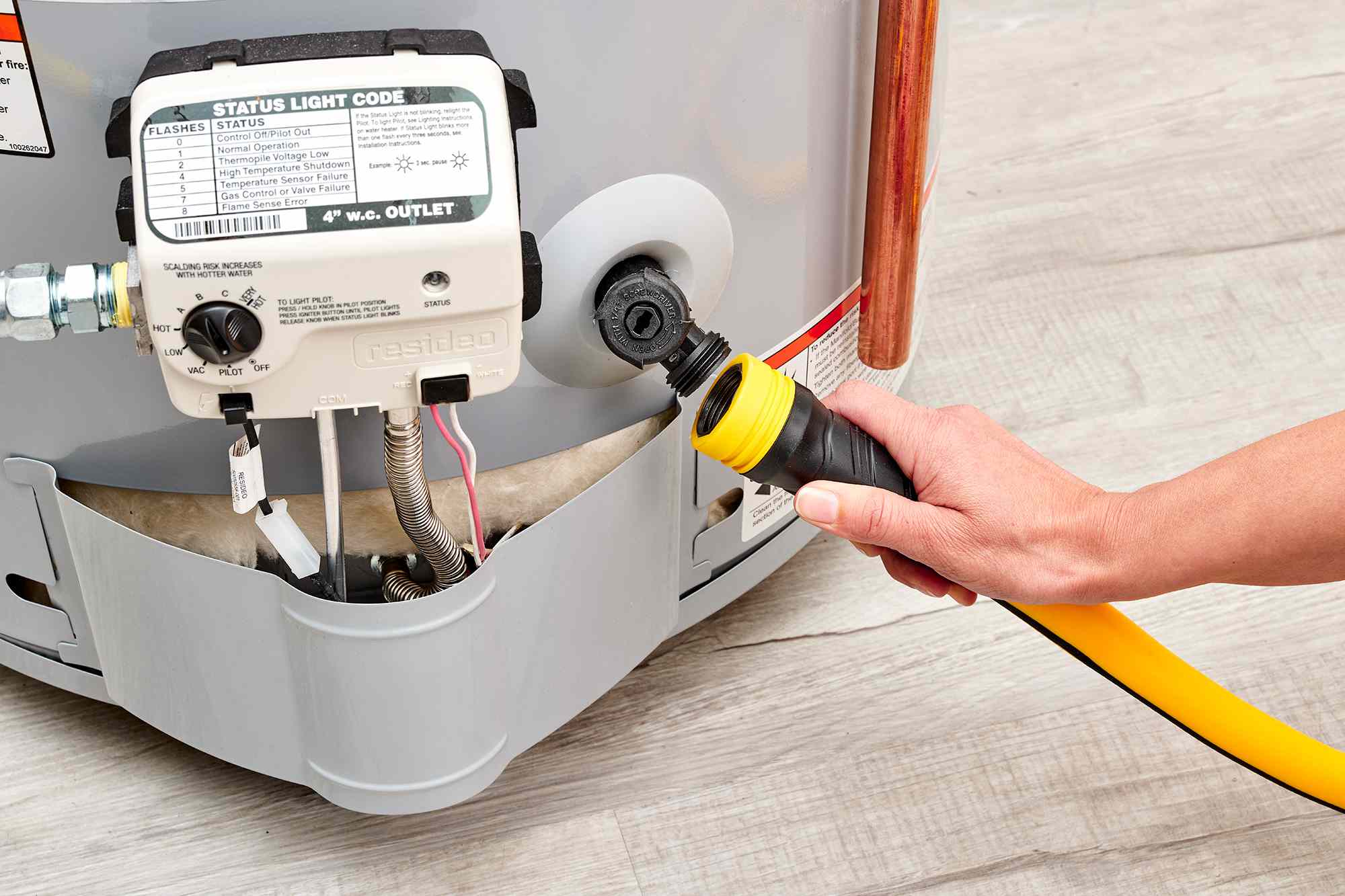
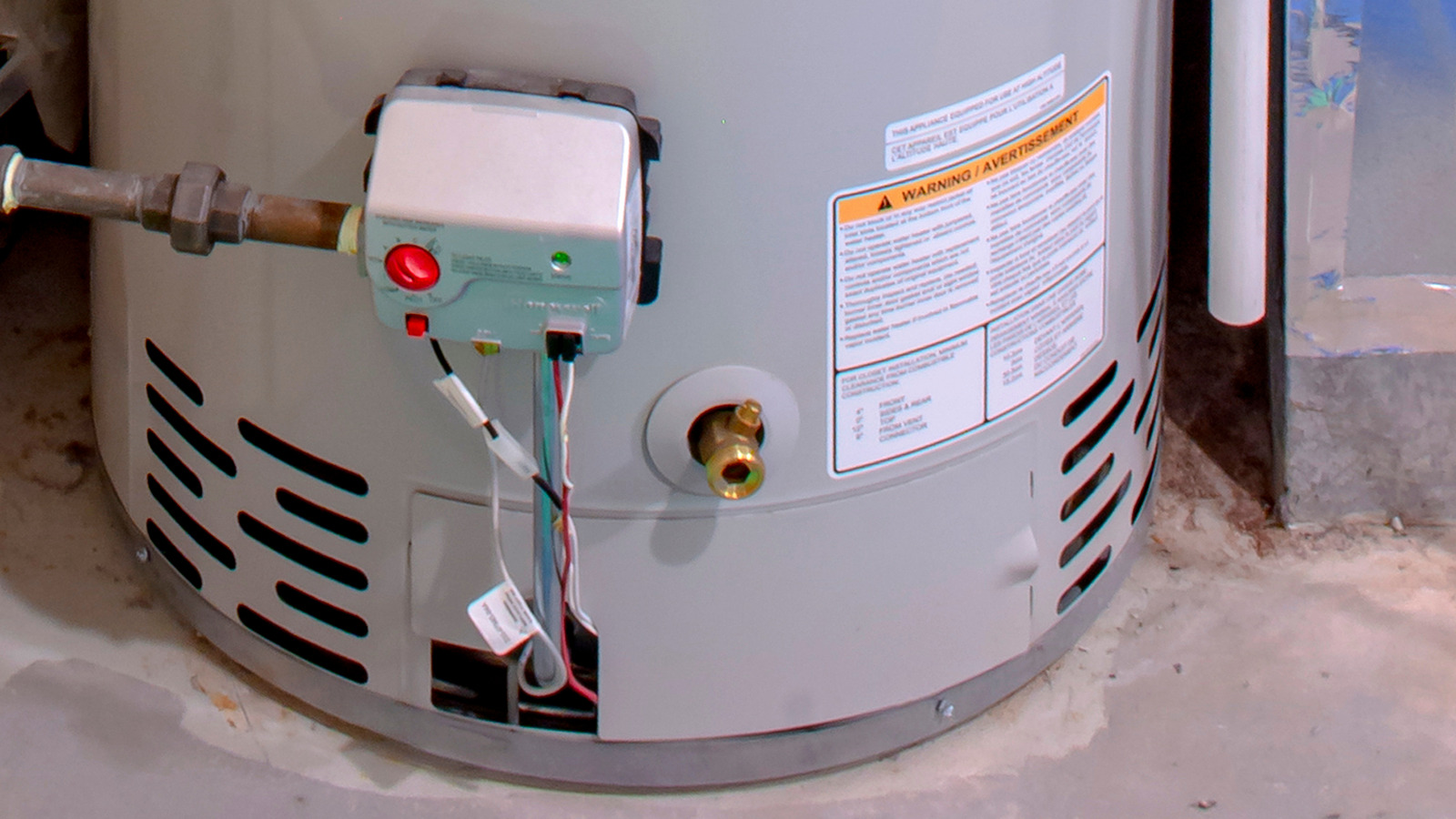
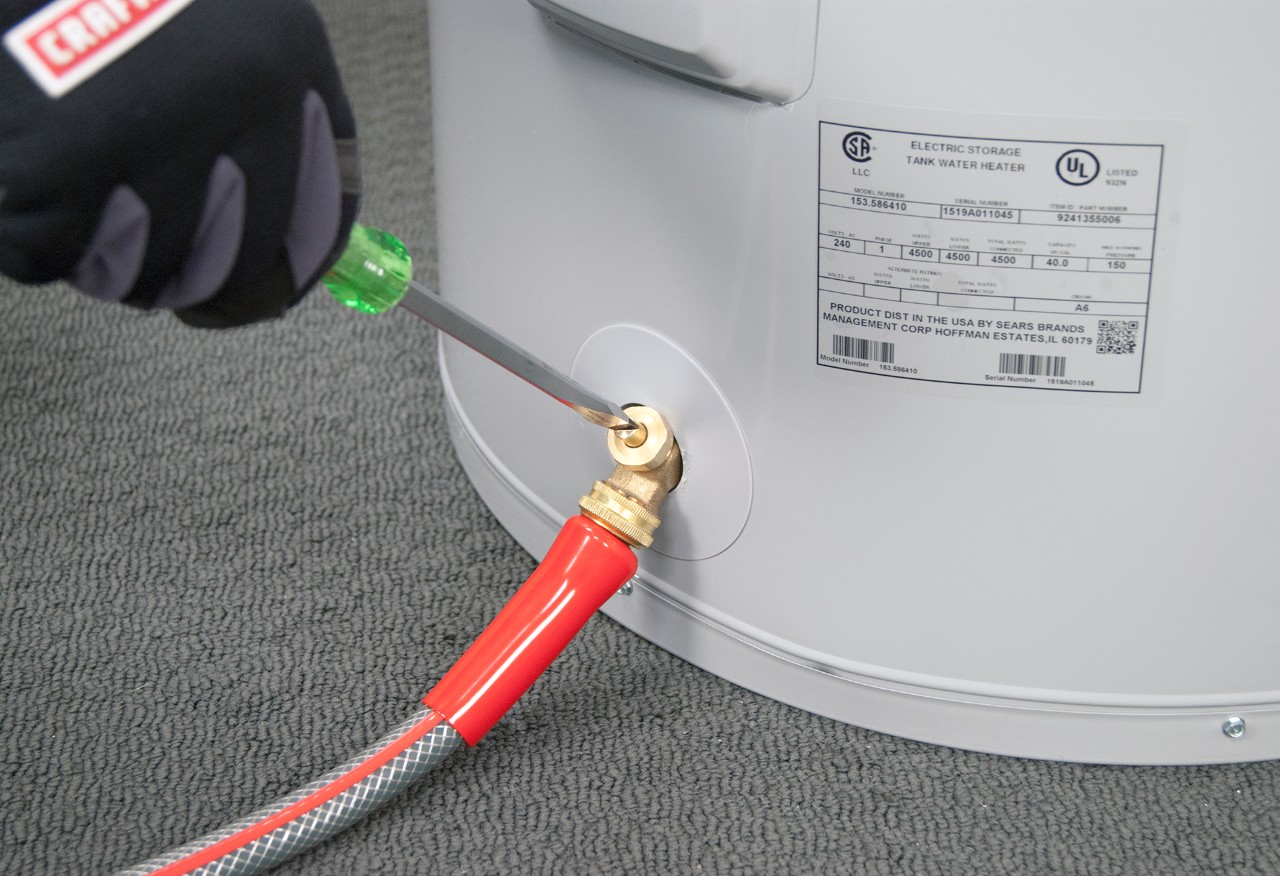
Locate the drain valve at the bottom of the tank. It usually looks like a small outdoor spigot. Attach a standard garden hose to this valve. Lead the other end of the hose to a floor drain, a driveway, or a large bucket. If the heater is in a basement, you may need a small transfer pump to push the water up and out a window.
4. Open the Valves
To allow the water to flow, you must break the vacuum inside the tank. You can do this by opening the Temperature and Pressure (T&P) Relief Valve (the lever-operated valve at the top or side of the tank) or by turning on a hot water faucet somewhere else in the house. Once the vacuum is broken, open the drain valve at the bottom of the tank.
5. The "Power Flush"
Once the tank is empty, you will likely see "snow" or "sand" (sediment) in the water. To ensure the tank is truly clean, briefly turn the cold water supply back on while the drain valve is still open. Let it run for 2-3 minutes. This "power flush" uses the incoming water pressure to stir up and push out the remaining sediment at the bottom.
6. Refilling and Restarting
Close the drain valve and the T&P valve. Remove the garden hose. Turn the cold water supply back on. Crucial Step: Go to a hot water faucet in your home and turn it on. At first, it will sputter air. Once a steady stream of water flows, the tank is full. Only after the tank is full should you turn the gas back on or flip the electrical breaker.
The Financial Benefits of Regular Maintenance
Neglecting to drain a water heater is a classic example of "penny wise, pound foolish." In 2026, a standard water heater replacement typically costs between $1,200 and $2,500, depending on the unit's efficiency rating and local labor rates.
Regularly flushing the unit can extend its lifespan from the average 8–10 years to 15 years or more. Furthermore, a clean tank is more efficient. A 20% reduction in energy efficiency due to scale buildup can add $50 to $100 to your annual utility bills. Over the life of the appliance, the simple act of draining the tank pays for itself several times over in energy savings alone.
Frequently Asked Questions
Can I drain a water heater myself, or do I need a plumber?
Most homeowners can safely drain their own water heater. It requires no specialized tools beyond a garden hose and a screwdriver. However, if your drain valve is made of plastic and feels brittle, or if it is stuck, you should call a plumber. Plastic valves can snap off, leading to an uncontrollable leak of hot water.
What happens if I have never drained my 10-year-old water heater?
If a water heater hasn't been drained in many years, the sediment may have hardened into a "brick." In some cases, attempting to drain a very old, neglected unit can cause more harm than good, as chunks of sediment can get stuck in the drain valve, preventing it from closing. If your unit is very old and has never been serviced, consult a professional first.
Does a tankless water heater need to be drained?
Tankless heaters do not "drain" in the same way tanks do, but they must be "flushed" with a descaling solution. Because the heat exchangers have such tight tolerances, mineral buildup can cause the unit to overheat or provide inconsistent temperatures very quickly.
How long does it take to fully flush a water heater?
The entire process usually takes between 45 and 90 minutes. The longest portion of the task is waiting for the 40 to 50 gallons of water to gravity-drain through the garden hose.
Is it normal for the water to look white or sandy during a flush?
Yes. The "white sand" is actually calcium carbonate. If the water looks like it contains small pebbles, your sediment buildup was significant, and the flush was long overdue. If the water is reddish or brown, it may indicate that the interior of the tank is beginning to rust, signaling that the unit is nearing the end of its life.
Practical Recommendation
To maximize the life of your water heater, set a recurring reminder on your digital calendar for an annual "Home Systems Check." Combine the water heater flush with other annual tasks, such as changing your HVAC filters and testing your smoke detectors. If you find a significant amount of sediment during your first flush, increase the frequency to every six months. For those in high-hardness areas, installing a scale-inhibitor system or a water softener can significantly reduce the labor required during these maintenance sessions.
Image Gallery