How Much Does a Federal Background Check Cost?
A standard federal background check typically costs between $18 and $75 for individuals, depending on the method of submission and the specific records requested. An FBI Identity History Summary check processed directly through the gov...
A standard federal background check typically costs between $18 and $75 for individuals, depending on the method of submission and the specific records requested. An FBI Identity History Summary check processed directly through the government costs $18, while third-party FBI-approved channelers often charge between $50 and $100 for expedited processing and fingerprinting services.
Contents
Federal background checks are more complex than standard state or county-level screenings. They involve searching national databases and federal district court records that are not typically included in a local police check. Whether you are applying for a sensitive job, seeking a professional license, or fulfilling international residency requirements, understanding the breakdown of these costs is essential for budgeting and choosing the right service level.
Understanding the Different Types of Federal Background Checks
Before calculating the cost, it is vital to distinguish between the various screenings often categorized under the "federal" umbrella. The term is frequently used to describe three distinct processes, each with its own fee structure and administrative requirements.
FBI Identity History Summary Checks
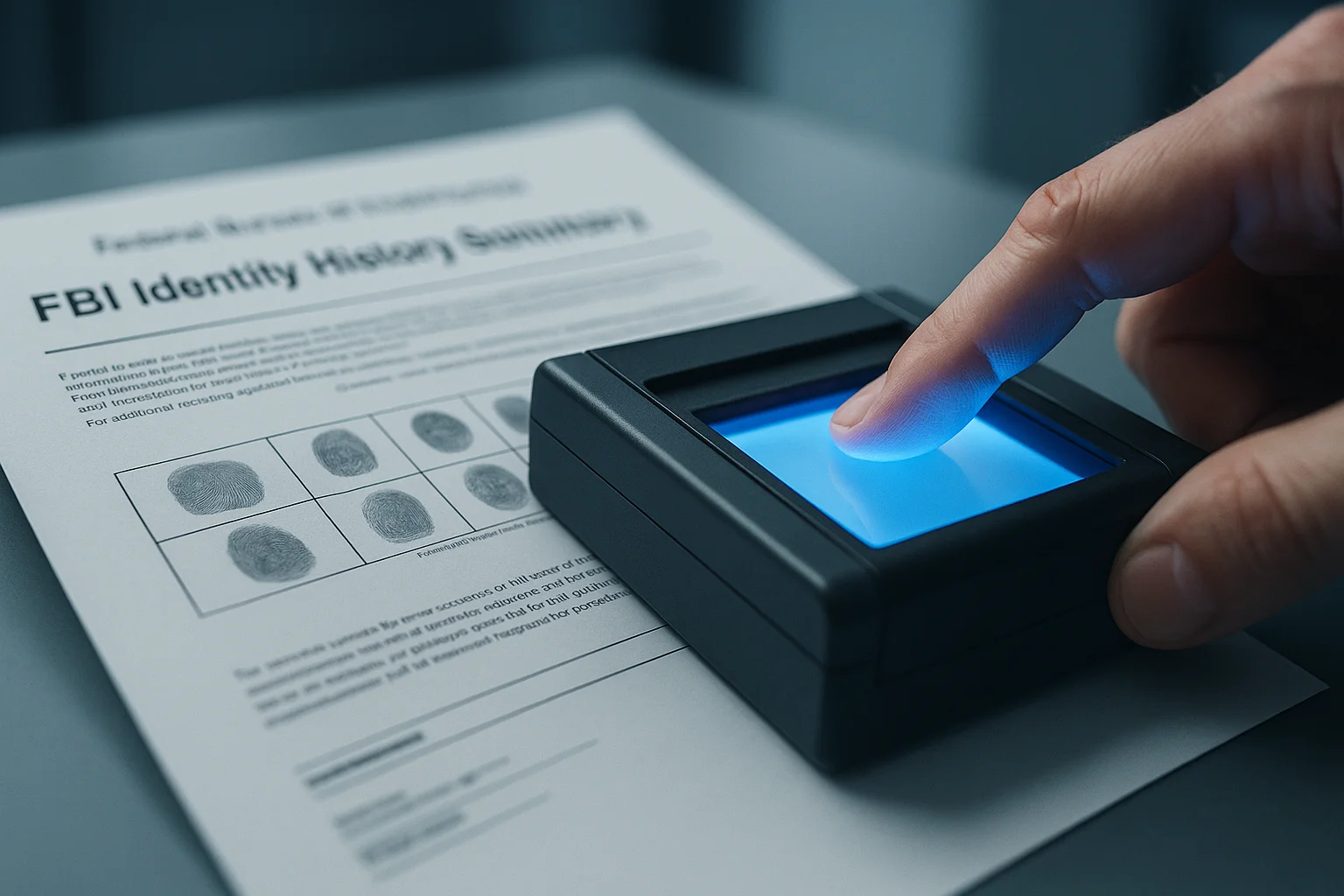
Often referred to as a "rap sheet," this is the most common form of a federal check. It is based on fingerprint submissions and searches the FBI’s Integrated Automated Fingerprint Identification System (IAFIS). This check identifies any federal arrests or convictions, as well as state-level data that has been reported to the FBI. As of 2026, the base government fee remains a consistent starting point for individual applicants.
Federal District Court Records Search
Unlike state or county criminal records, federal crimes (such as mail fraud, drug trafficking across state lines, or federal tax evasion) are tried in U.S. District Courts. A search of these records does not usually require fingerprints and is performed using a name-and-date-of-birth match. These are commonly used by employers and are priced based on the number of districts searched.
Federal Employment and Security Clearances
For those entering the federal workforce or contracting for the Department of Defense, the vetting process is significantly more rigorous. These investigations, managed by the Defense Counterintelligence and Security Agency (DCSA), range from basic suitability (Tier 1) to Top Secret clearances (Tier 5). While the individual applicant rarely pays these costs out of pocket, the financial burden on the sponsoring agency or company is substantial.
Breakdown of FBI Identity History Summary Costs
The most frequent request for a "federal check" from an individual is the FBI Identity History Summary. In 2026, the pricing structure is divided between direct government filing and private facilitation.
Direct Filing with the FBI (CJIS)
Submitting your request directly to the FBI’s Criminal Justice Information Services (CJIS) Division is the most cost-effective method. The standard fee is $18. This fee covers the search of the national database and the issuance of one electronic or paper response. However, this base price does not include the cost of obtaining fingerprints, which must be done at a local law enforcement agency or a private fingerprinting site.
FBI-Approved Channelers
If you need your results quickly—often within 24 to 48 hours—you may use an FBI-approved channeler. These are private companies contracted by the government to receive fingerprint submissions and forward them to the FBI.
- Service Fees: Channelers charge a convenience fee on top of the $18 FBI fee. Total costs usually range from $50 to $95.
- Convenience: Many channelers offer "Live Scan" digital fingerprinting at their locations, eliminating the need to mail physical ink cards and reducing the risk of rejection due to poor print quality.
Fingerprinting Fees
Whether you go through the FBI or a channeler, you must pay for the physical act of being fingerprinted.
- Local Police/Sheriff: Many local stations offer fingerprinting for a nominal fee, typically $10 to $25 per card.
- Private Live Scan Sites: Facilities like UPS stores or specialized background check centers may charge $30 to $60 for digital fingerprinting services.
Federal Criminal Court Search Pricing
For employers or individuals who need to verify if someone has a record in the federal court system, the pricing model shifts toward access fees and service charges. Federal crimes are not tracked in local county courthouses, making this a separate and necessary search for comprehensive vetting.
PACER Fees
The Public Access to Court Electronic Records (PACER) system is the primary tool for searching federal cases. The system charges $0.10 per page or per search result. For an individual searching their own name, the cost is usually negligible—often under $5—provided the search is targeted.
Third-Party Screening Vendors
Most people hire a background screening firm to perform these searches. These vendors charge a service fee (typically $15 to $30) to navigate the PACER system and provide a verified report. This is often bundled into a "Gold" or "Premium" background check package that also includes state and county records.
Summary of Federal Background Check Costs in 2026
The following table outlines the estimated costs for different federal screening products and services currently available.
| Service Type | Estimated Cost (USD) | Processing Time | Best For |
|---|---|---|---|
| Direct FBI Check | $18 | 3–5 Days (Electronic) | Personal review, foreign travel/residency |
| FBI Channeler | $50 – $95 | 24–48 Hours | Urgent employment or licensing needs |
| Fingerprinting (Ink) | $10 – $25 | Immediate (Per session) | Direct FBI mail-in applications |
| Live Scan Fingerprinting | $30 – $60 | Immediate (Digital) | Channeler submissions, digital accuracy |
| Federal Court Search | $15 – $30 | 1–3 Days | Employment screening for federal crimes |
| Apostille Service | $40 – $150 | 2–6 Weeks | International legal use (e.g., visas) |
Factors That Increase the Total Cost
The "sticker price" of a federal background check can often be misleading, as several secondary factors can drive up the total expenditure.
Expedited Shipping and Handling
If you are using the paper-based mail-in process for an FBI check, you will incur costs for tracked shipping to West Virginia. Furthermore, if you require the results to be mailed back via overnight courier, expect to add $25 to $40 to your total.
Rejection and Resubmission
Fingerprint quality is the most common cause of delays and extra costs. If the FBI rejects your fingerprint cards because the ridges are not clear (common with older individuals or those in manual labor), you must pay for a new fingerprinting session and, in some cases, a new application fee. Digital Live Scan technology has significantly reduced this risk but remains more expensive upfront than traditional ink.
International Authentication (Apostilles)
If you are obtaining a federal check for a visa or work permit in a foreign country, a standard FBI report is often insufficient. Most foreign governments require the report to be "Apostilled" or authenticated by the U.S. Department of State.
- Government Fee: The State Department charges a small fee (approx. $20) for authentication.
- Third-Party Facilitators: Because the process can take several weeks, many people use an authentication service, which can cost between $100 and $200 to manage the logistics and speed up the return.
How to Obtain a Federal Background Check: Step-by-Step
To ensure you are paying the correct amount and receiving the right document, follow this sequence:
- Identify the Requirement: Determine if you need a fingerprint-based FBI Identity History Summary (for personal use, adoption, or international travel) or a federal district court search (for employment).
- Choose Your Method: Decide between the $18 direct FBI route (slower but cheaper) or an FBI-approved channeler (faster but more expensive).
- Schedule Fingerprinting: Locate a provider. If using a channeler, they often have integrated sites. If going direct, visit a local law enforcement agency. Ensure you have the correct form (usually the Standard Form FD-258).
- Submit Payment: Pay the government fee via the online portal (Pay.gov) or provide a credit card authorization form if mailing.
- Review the Report: Once received, check for accuracy. Errors in federal records can be difficult to correct and may require legal assistance.
Common Mistakes That Lead to Higher Costs
Many applicants end up paying double or triple the necessary amount due to simple administrative errors. Avoiding these pitfalls can keep your costs closer to the $18–$50 range.
- Using Non-Approved Third Parties: Many websites look like official government portals but are actually "lead generators" that charge $50 just to give you the forms that are free on the FBI website. Always ensure you are on a
.govsite or a verified channeler's page. - Incomplete Forms: Ensure every field on the fingerprint card is filled out correctly. Missing data regarding eye color, height, or birthplace can lead to an automatic rejection of your $18 fee.
- Poor Fingerprint Quality: Using "lotion-free" hands and ensuring the technician uses enough ink (or a clean digital scanner) is vital. If your prints are rejected twice, you may be required to undergo a "name-based" search, which involves additional administrative hurdles.
Frequently Asked Questions
Does a federal background check show state crimes?
The FBI Identity History Summary includes state-level arrests and convictions only if the local law enforcement agency reported those fingerprints to the FBI. While most felony arrests are reported, some older records or minor misdemeanors may not appear. For a truly comprehensive view, many people pair a federal check with a state police check.
How long is a federal background check valid?
Technically, a background check is only accurate for the day it is issued. Most employers, licensing boards, and foreign consulates consider a federal check "current" if it was issued within the last 90 to 180 days. If your document is older than six months, you will likely need to pay for a new one.
Can I get a federal background check for free?
There are very few instances where these checks are free. Some non-profit organizations or volunteer groups may have their fees waived or subsidized through specific grants, but for the average individual, the $18 minimum fee is mandatory and cannot be waived for personal reasons.
What is the difference between a Level 2 check and a federal check?
"Level 2" is a term used primarily in states like Florida to describe a fingerprint-based search of both state records (FDLE) and federal records (FBI). The cost for a Level 2 check is usually higher (around $60 to $80) because it combines both the state and the federal fees.
How much does it cost to clear a federal record?
If your federal background check contains an error, the cost to correct it is not fixed. You generally have to contact the agency that contributed the data. If you hire a lawyer to expunge or set aside a federal conviction (which is extremely rare and difficult), legal fees can range from $2,000 to $10,000.
Practical Recommendation
If you are not in a rush, the most efficient way to get a federal background check in 2026 is to apply directly through the FBI’s Electronic Departmental Order (eDO) website. Pay the $18 fee online, visit a local post office that offers FBI fingerprinting services (usually for a $45–$50 total package), and you will likely receive your results via email within 24 hours of your fingerprints being scanned. This avoids the high markups of private channelers while maintaining the speed of digital processing.
Image Gallery