The Best iPhone Ranked for 2024 and Who Should Choose It
Navigating the Apple ecosystem requires balancing hardware capability, financial investment, and individual use cases, making the task of identifying the best iPhone a matter of matching specific features to personal needs rather than...
Navigating the Apple ecosystem requires balancing hardware capability, financial investment, and individual use cases, making the task of identifying the best iPhone a matter of matching specific features to personal needs rather than simply choosing the most expensive model.
Contents
Understanding the iPhone Lineup
Choosing a smartphone has evolved from a simple choice of storage capacity and color into a nuanced decision regarding chip architecture, camera focal lengths, display technology, and long-term software support. Apple traditionally structures its smartphone catalog to cater to distinct consumer segments: power users demanding maximum performance and photographic versatility, mainstream consumers seeking a reliable daily driver with modern conveniences, and budget-conscious buyers looking for entry points into the iOS ecosystem without paying flagship prices.
When evaluating the lineup, prospective buyers must analyze how they use their devices daily. A mobile content creator or remote professional who edits 4K video on the go requires an entirely different set of specifications than a student or retiree who primarily uses messaging, browsing, and casual photography applications. Furthermore, Apple’s commitment to multi-year software updates means that even older models retain viability long after their initial release, complicating the purchasing decision further.
Top iPhone Models Ranked
1. iPhone 15 Pro Max: The Ultimate Powerhouse
The iPhone 15 Pro Max stands at the pinnacle of Apple’s smartphone engineering, specifically tailored for enthusiasts, professionals, and power users. Built around a lightweight aerospace-grade titanium chassis, this model introduced a significant reduction in weight compared to its stainless-steel predecessors while improving durability.
At its core lies the A17 Pro chip, the industry's first 3-nanometre processor featuring a hardware-accelerated ray tracing GPU. This architectural leap enables console-tier gaming experiences alongside desktop-class processing efficiency. The device also features a 5x telephoto optical zoom lens powered by an innovative tetraprism design, allowing users to capture distant subjects with exceptional clarity. The inclusion of a USB-C port supporting USB 3 speeds further elevates its utility for professionals transferring massive ProRes video files.
Who should choose it: Mobile photographers, videographers, mobile gamers, and technology enthusiasts who demand the absolute maximum performance, longest battery life, and most advanced optical capabilities Apple offers.
2. iPhone 15 Pro: Compact Performance Without Compromise
For users who appreciate the advanced technological capabilities of the Pro Max tier but prefer a more ergonomic, pocket-friendly form factor, the iPhone 15 Pro represents the ideal balance. It shares almost identical internal specifications with its larger sibling, including the A17 Pro chip, the customizable Action Button, the titanium build, and the USB-C connectivity standard.
The primary divergence lies in the display and camera system. The iPhone 15 Pro features a 6.1-inch OLED display rather than the sprawling 6.7-inch canvas of the Max. While it lacks the 5x tetraprism telephoto lens—relying instead on a standard 3x optical zoom—it retains the same primary 48-megapixel main sensor and ultra-wide capabilities, ensuring stunning image quality in a smaller footprint.
Who should choose it: Professionals, power users, and anyone who prefers a manageable one-handed smartphone experience without sacrificing processing muscle, premium build quality, or high-end display refresh rates.
3. iPhone 15 and iPhone 15 Plus: The Best Choices for Most People
Representing the sweet spot of value, modernization, and everyday usability, the standard iPhone 15 and its larger counterpart, the iPhone 15 Plus, bring several marquee features previously reserved for Pro models down to the mainstream tier. Most notably, these models abandon the traditional display notch in favor of the Dynamic Island, transforming notifications and live activities into an interactive interface element.
Powered by the robust A16 Bionic chip—proven through generations of heavy use—these devices handle multitasking, streaming, and moderate gaming with ease. The adoption of a 48-megapixel main camera brings high-resolution photography to the baseline tier, while the shift to USB-C unifies charging accessories. The iPhone 15 offers a comfortable 6.1-inch display, whereas the iPhone 15 Plus stretches to 6.7 inches, delivering exceptional battery life that frequently outlasts even the Pro Max models due to a less demanding screen driver and efficient processor pairing.
Who should choose it: Mainstream consumers, media consumers, and budget-conscious buyers who want a modern design, reliable performance, and great battery life without paying for professional-grade camera and processing features they may never use.
4. iPhone 14 and iPhone 14 Plus: Value and Reliability
As the previous generation, the iPhone 14 and 14 Plus remain exceptionally capable devices that benefit from price adjustments following newer releases. Utilizing the A15 Bionic chip with a 5-core GPU, these models deliver snappy performance and dependable daily operation. While they retain the traditional display notch and Lightning port rather than the newer Dynamic Island and USB-C standard, they continue to receive timely iOS updates and security patches.
Safety features introduced in this generation, such as Crash Detection and Emergency SOS via satellite, ensure that users retain critical modern safety utilities. For buyers who prioritize a lower price tag over cutting-edge industrial design changes, these models present a pragmatic acquisition path.
Who should choose it: Cost-sensitive shoppers looking for a reliable, premium iOS device who do not mind utilizing older charging cables or traditional screen layouts.
5. iPhone SE (3rd Generation): The Budget Entry Point
The iPhone SE serves a very specific market segment: consumers who prioritize a compact physical footprint, physical Home button navigation with Touch ID, and the lowest possible entry price for a new, supported Apple device. Enclosed in the classic iPhone 8-style chassis, the SE packs the surprisingly powerful A15 Bionic chip inside, giving it a level of computational speed that punches well above its weight class.
However, compromises are significant. The device features a single 12-megapixel rear camera lacking night mode, a smaller 4.7-inch LCD screen with thick bezels, and comparatively modest battery life.
Who should choose it: Minimalist users, enterprise deployment buyers needing basic fleet phones, younger children receiving their first smartphone, and anyone who strictly prefers Touch ID and a small physical device.
Comprehensive Comparison Matrix
| Model | Display Size | Processor | Primary Camera | Biometric Security | Charging Standard | Target Audience |
|---|---|---|---|---|---|---|
| iPhone 15 Pro Max | 6.7 inches | A17 Pro | 48MP + 12MP Ultra Wide + 12MP 5x Telephoto | Face ID | USB-C (USB 3) | Power users and mobile creators |
| iPhone 15 Pro | 6.1 inches | A17 Pro | 48MP + 12MP Ultra Wide + 12MP 3x Telephoto | Face ID | USB-C (USB 3) | Enthusiasts seeking compact power |
| iPhone 15 / 15 Plus | 6.1 or 6.7 inches | A16 Bionic | 48MP + 12MP Ultra Wide | Face ID | USB-C (USB 2) | Mainstream users and battery-seekers |
| iPhone 14 / 14 Plus | 6.1 or 6.7 inches | A15 Bionic | 12MP Dual Camera System | Face ID | Lightning | Value-focused buyers |
| iPhone SE (3rd Gen) | 4.7 inches | A15 Bionic | 12MP Single Camera | Touch ID | Lightning | Budget buyers and Touch ID traditionalists |
Key Decision Factors When Choosing Your iPhone
Performance and Silicon Generation
Apple’s proprietary silicon dictates how long a device will remain fast and responsive. The A17 Pro chip introduces hardware-accelerated ray tracing, making it essential for high-end mobile gaming and intensive graphic rendering. Conversely, the A16 Bionic and A15 Bionic chips remain more than capable of handling everyday productivity tasks, social media application navigation, and 4K video playback without stuttering. Buyers should evaluate whether their daily habits require cutting-edge graphical processing or simply reliable multitasking efficiency.
Camera Capabilities and Focal Lengths
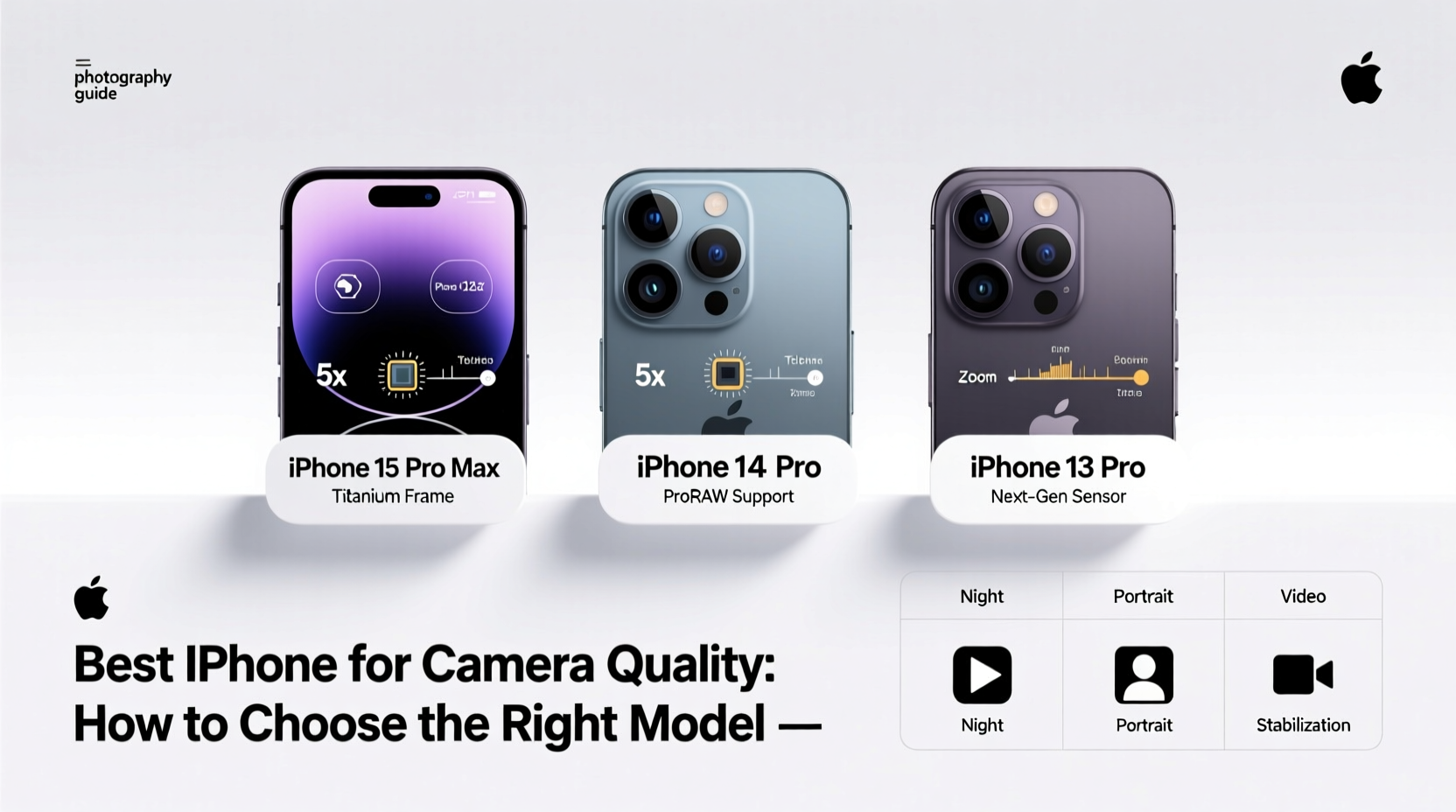
Photography needs vary wildly between users. If capturing wildlife, sports, or distant architectural details is a priority, the 5x optical zoom on the iPhone 15 Pro Max is an indispensable tool. For general street photography, portraits, and landscape captures, the standard wide and ultra-wide lenses found across the iPhone 15 and Pro lineups deliver stunning dynamic range and color accuracy. Users who rarely take photos or utilize digital zoom can comfortably bypass the Pro tier.
Build Materials and Ergonomics
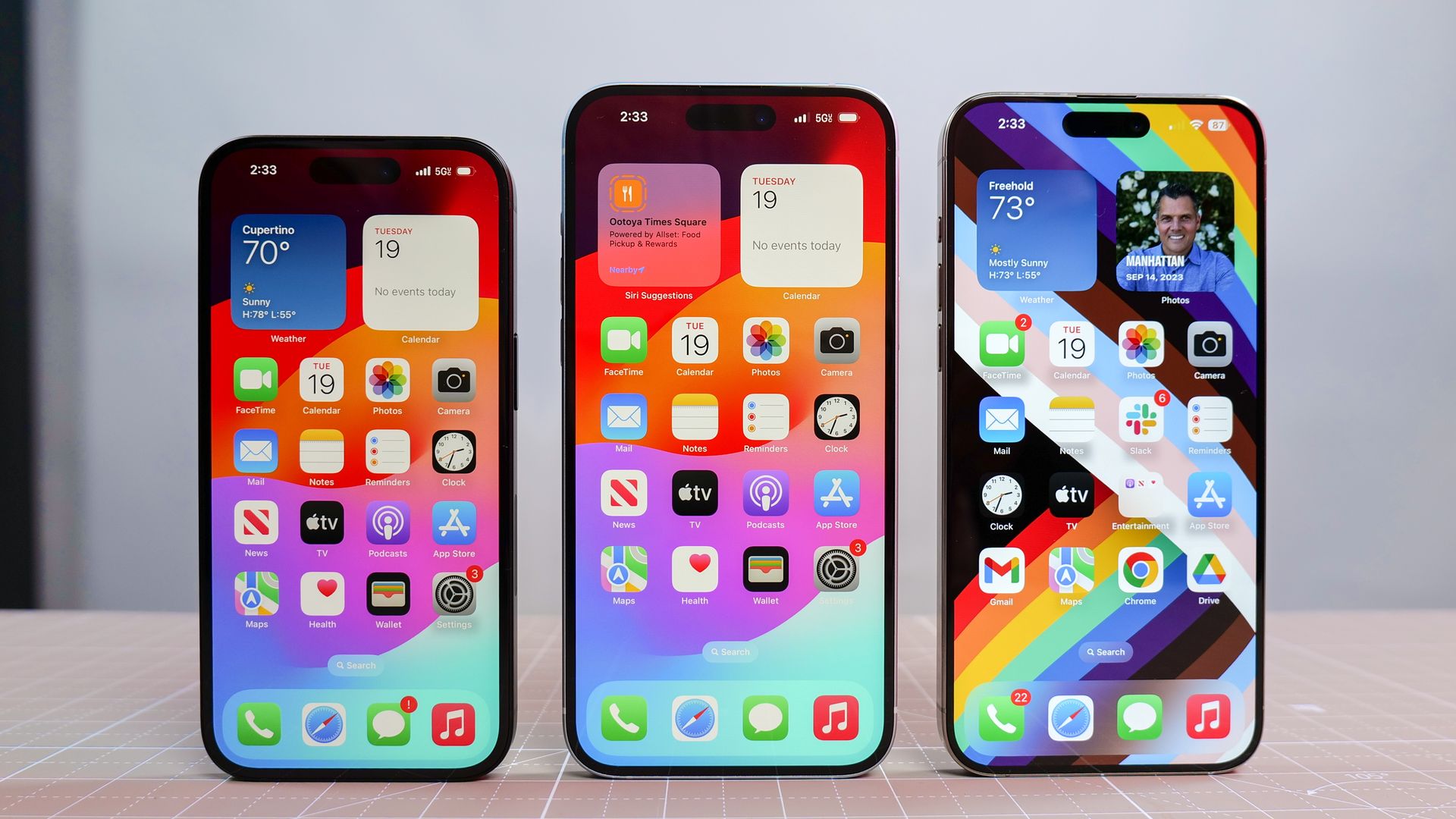
The physical construction of the device affects comfort and durability. The titanium frames on the Pro models offer a noticeable reduction in weight compared to older stainless steel iterations while providing a premium, brushed texture. Standard models utilize aerospace-grade aluminum frames paired with color-infused back glass, offering a vibrant, glossy finish that is equally resilient when paired with a protective case. Screen size preferences—ranging from the pocketable 4.7-inch SE to the expansive 6.7-inch Plus and Pro Max displays—should guide the final purchase decision based on hand size and media consumption habits.
Frequently Asked Questions
Which iPhone offers the best battery life?
The iPhone 15 Plus and iPhone 15 Pro Max offer the longest battery life in the lineup, regularly outperforming their smaller siblings. Because the iPhone 15 Plus combines a power-efficient A16 Bionic chip with a large chassis housing a substantial battery, and lacks the power-hungry high-refresh-rate display driver of the Pro models, it occasionally achieves endurance numbers that rival or exceed the Pro Max during video playback tests.
Is it worth paying extra for the Pro models?
Upgrading to a Pro model is worth the financial investment if you specifically need the 120Hz ProMotion display for smoother scrolling, the extra telephoto camera lenses for optical zoom flexibility, USB 3 transfer speeds for professional media workflows, or the raw graphical power of the A17 Pro chip for mobile gaming. If your usage consists primarily of messaging, web browsing, streaming, and casual snapshots, the standard iPhone models provide 90% of the daily experience for a lower cost.
How many years of software updates will these phones receive?
Apple typically provides major iOS software updates and security patches for approximately five to seven years from a device's initial release date. Purchasing a current-generation model ensures that your device will remain supported with the latest features, security protocols, and application compatibilities well into the decade.
Do standard iPhone models still use Lightning cables?
No. Apple transitioned the entire iPhone 15 lineup—including the standard iPhone 15, iPhone 15 Plus, iPhone 15 Pro, and iPhone 15 Pro Max—to the universal USB-C standard. Older models, such as the iPhone 14 series and the iPhone SE, continue to utilize the proprietary Lightning connector.
Can the standard iPhone 15 play console-quality games?
Console-quality games featuring hardware-accelerated ray tracing, such as natively ported AAA titles, are exclusive to the iPhone 15 Pro and iPhone 15 Pro Max due to their inclusion of the A17 Pro chip and specialized GPU architecture. The standard iPhone 15, powered by the A16 Bionic chip, handles standard mobile games exceptionally well but cannot run these specific high-end console ports.
Final Recommendation
To make the optimal purchase, align your budget directly with your functional requirements. If you require absolute peak performance, advanced telephoto zoom, and professional connectivity, invest in the iPhone 15 Pro or iPhone 15 Pro Max. If you want a thoroughly modern device with exceptional battery life, a stunning display, and modern design conventions without paying for professional photography hardware, the iPhone 15 or iPhone 15 Plus represents the most sensible choice for the vast majority of users.
Image Gallery