Understanding the Average Cost of an MBA Degree in 2026
In 2026, the average cost of an MBA degree ranges from $65,000 at public institutions to over $225,000 at elite private universities. This total includes tuition, mandatory fees, and living expenses. Prospective students must also acco...
In 2026, the average cost of an MBA degree ranges from $65,000 at public institutions to over $225,000 at elite private universities. This total includes tuition, mandatory fees, and living expenses. Prospective students must also account for the opportunity cost of lost wages, which often represents the largest single financial factor.
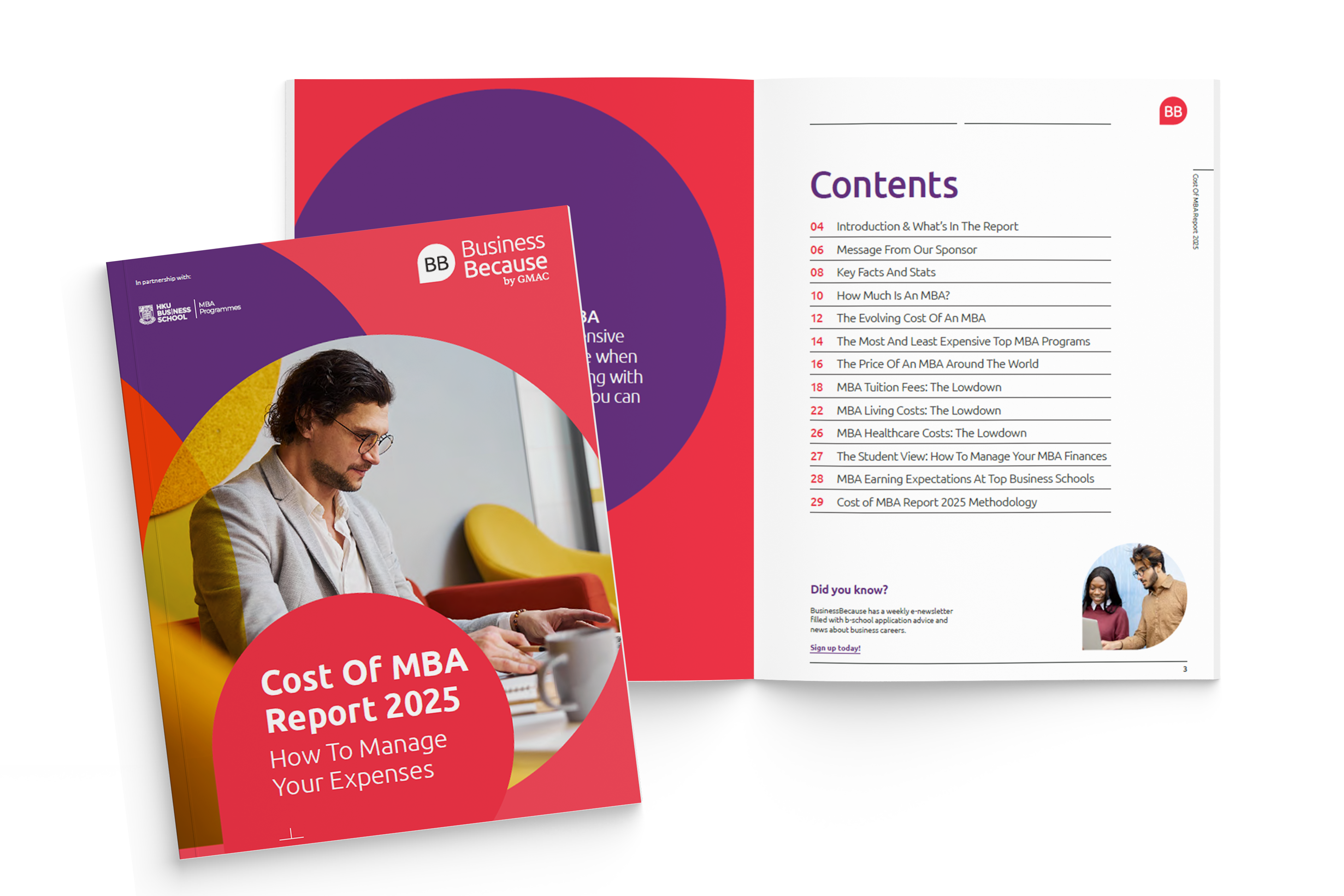
Contents
The decision to pursue a Master of Business Administration (MBA) is as much a financial investment as it is an academic pursuit. As we navigate the 2026 academic landscape, the price of higher education continues to reflect inflationary pressures, increased demand for specialized technology tracks, and the premium placed on global networking opportunities. To accurately calculate the total investment required, one must look beyond the "sticker price" of tuition and examine the full Total Cost of Attendance (TCOA).
Breaking Down the Primary Components of MBA Expenses
When evaluating the cost of an MBA, tuition is merely the baseline. Most accredited programs divide their costs into several categories that can significantly alter the final bill.
Tuition and Mandatory Fees
Tuition remains the most substantial variable. In 2026, top-tier programs at institutions like Harvard, Wharton, or Stanford command tuition rates exceeding $85,000 per year. Over a two-year program, this translates to $170,000 in tuition alone. Conversely, state-affiliated universities offer "in-state" tuition rates that may hover around $30,000 to $45,000 per year.
Mandatory fees are often overlooked but can add $3,000 to $7,000 annually. These typically include:
- Technology Fees: Covers access to proprietary databases, Bloomberg terminals, and AI-driven learning platforms.
- Student Activity Fees: Funds graduate student organizations and networking events.
- Health Insurance: Most universities require students to carry comprehensive coverage. If a student is not covered by a partner or employer, university-sponsored plans in 2026 can cost between $4,000 and $6,000 per year.
Instructional Materials and Technology
The cost of textbooks has shifted toward digital subscriptions and case study licenses. Most MBA curricula rely heavily on case studies from providers like Harvard Business Publishing. Students should budget approximately $1,500 to $2,500 per year for these materials, software licenses (such as advanced data analytics tools), and the high-performance hardware required for modern business simulations.
Total Cost of Attendance vs. Tuition
To understand the true financial burden, applicants must distinguish between tuition and the Total Cost of Attendance (TCOA). The TCOA is a formal estimate provided by universities that includes living expenses, which are heavily influenced by the school’s location.
Living Expenses and Urban Premiums
An MBA program in New York City, London, or San Francisco will naturally incur higher costs than one in a smaller college town. In 2026, estimated living expenses for a single student in a high-cost-of-living (HCOL) area average $30,000 to $40,000 per academic year. This includes housing, food, and local transportation.
Global Immersions and Networking Treks
Modern MBA programs prioritize "global immersions"—short-term international trips to study foreign markets. While some programs include the base cost of these trips in the tuition, many do not. Flights, visas, and incidental expenses for a single global trek can add $4,000 to $7,000 to the annual budget. Since networking is a primary driver of MBA value, participating in these optional but professionally significant events is often considered a "hidden" necessity.
Average Costs by Program Type
The structure of the MBA program is the greatest determinant of the final price tag. Choosing between a full-time, part-time, or online format changes both the direct costs and the associated opportunity costs.
| Program Type | Typical Duration | Avg. Tuition (2026) | Total Estimated Cost (TCOA) |
|---|---|---|---|
| Top-Tier Full-Time | 21–24 Months | $165,000 - $185,000 | $235,000 - $275,000 |
| Mid-Tier Public | 21–24 Months | $60,000 - $95,000 | $110,000 - $150,000 |
| Online MBA | 12–36 Months | $35,000 - $125,000 | $40,000 - $135,000 |
| Executive MBA (EMBA) | 18–22 Months | $110,000 - $220,000 | $130,000 - $240,000 |
| Accelerated (1-Year) | 10–12 Months | $80,000 - $130,000 | $115,000 - $170,000 |
Online MBA Programs
By 2026, the stigma once associated with online degrees has largely vanished, but the price range remains broad. "Low-cost" online MBAs from reputable state schools may cost as little as $35,000 total. However, online programs from prestigious institutions often price their tuition nearly identically to their on-campus counterparts, arguing that the degree confers the same brand value and alumni access.
Executive MBA (EMBA)
The EMBA is designed for mid-to-senior-level professionals. While the tuition is the highest of all formats, these programs often include high-end amenities, such as luxury lodging during residency blocks and all-inclusive international travel. Most EMBA students continue to work, which mitigates the opportunity cost but requires a high upfront investment.
The Factor of Opportunity Cost
For most full-time MBA students, the most significant "cost" is not the check written to the bursar, but the salary forfeited during the two years of study.
If a professional earning $85,000 per year leaves their job for a two-year MBA, their opportunity cost is $170,000 in lost gross income, plus the loss of employer-sponsored benefits and retirement contributions. When added to a $200,000 TCOA, the "economic cost" of the degree approaches $370,000.
This calculation explains why part-time and online programs have surged in popularity by 2026; they allow students to attain the credential while maintaining their current income stream, effectively reducing the economic cost to just the direct tuition and fees.
Regional Cost Variations: US vs. International
The cost of an MBA degree also fluctuates based on the country of study.
- United States: Home to the most expensive programs globally. US programs are typically two years long, doubling the living expense requirements compared to many European models.
- Europe: Institutions like INSEAD or HEC Paris often offer one-year or 16-month programs. While the annual tuition is high (often exceeding €95,000), the shorter duration significantly reduces the total living expenses and opportunity costs.
- Asia: Programs in Singapore, Hong Kong, and India have seen price increases in 2026 as their global rankings climb. Leading Asian MBAs now cost between $60,000 and $100,000, offering a competitive middle ground for international students.
Evaluating Return on Investment (ROI)
Given the staggering costs, calculating the Return on Investment is essential. According to the Graduate Management Admission Council (GMAC), the median post-MBA salary increase in 2026 remains strong, particularly in consulting, technology, and finance sectors.
To calculate your projected ROI, use the following formula: ROI = (Post-MBA Salary - Pre-MBA Salary) / (Total Cost of Degree + Opportunity Cost)
Most graduates from top-20 programs expect to "break even" on their investment within 3.5 to 5 years. However, the ROI of an MBA is not solely financial; it also includes long-term career mobility, the strength of the alumni network, and the pivot into a more resilient industry.
Funding Strategies and Cost Mitigation
Very few students pay the full "sticker price" for an MBA. In 2026, several avenues exist to lower the effective cost:
- Merit-Based Scholarships: Many schools use scholarships as a tool to recruit high-GMAT/GRE scorers or diverse candidates. These can range from $10,000 to full-tuition coverage.
- Employer Sponsorship: While less common than in previous decades, some firms in consulting and finance still offer tuition reimbursement in exchange for a multi-year employment commitment post-graduation.
- Federal and Private Loans: In the US, the Federal Student Aid office provides Grad PLUS loans, though interest rates in 2026 require careful management.
- Tax Credits: Depending on the jurisdiction, tuition payments may be tax-deductible or eligible for specific education credits, providing a minor offset to the total cost.
Common Mistakes in MBA Budgeting
One of the most frequent errors applicants make is failing to account for "social costs." The MBA experience is heavily reliant on dinners, club activities, and weekend trips that facilitate networking. Students who budget only for the university’s official TCOA often find themselves $10,000 to $15,000 short by the end of the program because they did not account for the discretionary spending required to participate fully in the "hidden curriculum" of networking.
Additionally, many students underestimate the impact of loan interest. A $150,000 loan at 7% interest will accrue significant costs during the two years of study and the subsequent repayment period, potentially adding tens of thousands of dollars to the final price of the degree.
Frequently Asked Questions
Is a more expensive MBA always better?
Not necessarily. The value of an MBA is highly dependent on your career goals. If you aim for "M7" (top-tier) consulting or investment banking, the brand equity of an expensive school is often required. However, for general management or entrepreneurship, a high-quality regional or online program may offer a much better ROI.
Does the average cost include health insurance?
The reported tuition usually does not, but the Total Cost of Attendance (TCOA) estimate provided by the school almost always includes a line item for health insurance, which is mandatory for most full-time students.
Can international students get loans for US MBA programs?
Yes, but they often require a US-based co-signer. Some specialized lenders offer no-cosigner loans to international students attending top-ranked programs, though these typically come with higher interest rates.
How much should I budget for "hidden" networking costs?
For a full-time, top-tier program, it is wise to budget an additional $5,000 to $10,000 per year for club treks, professional conferences, and social networking, as these are critical for the job search process.
Are online MBAs significantly cheaper in 2026?
The floor for online MBA pricing has dropped, with some reputable programs available for under $40,000. However, "Prestige Online" programs from top-ranked schools remain expensive, often costing over $100,000.
Next Steps for Prospective Students
Before committing to a program, perform a rigorous financial audit. Request the most recent TCOA worksheet from the financial aid office of your target schools for the 2026-2027 academic year. Compare these figures against your current savings and projected debt capacity. It is recommended to use a specialized MBA loan calculator that accounts for capitalized interest to understand what your monthly payments will look like five years after graduation. Finally, reach out to current students or recent alumni to get a realistic view of discretionary spending and "hidden" costs specific to that campus.
Image Gallery