The Environment of Hong Kong: A Comprehensive Guide to its Ecology and Sustainability in 2026
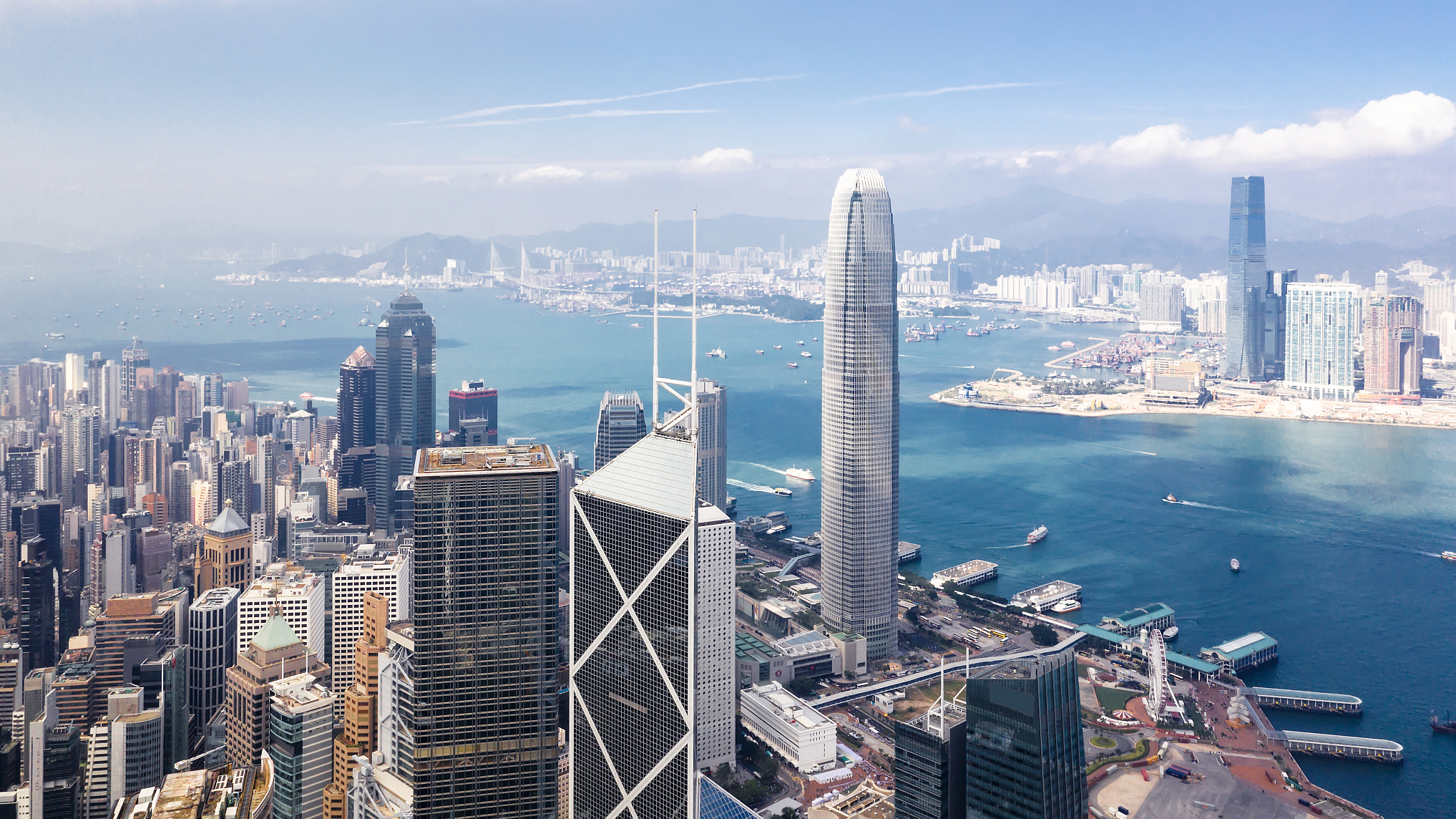
The environment of Hong Kong is a unique intersection of extreme high-density urbanism and preserved subtropical wilderness. While globally recognized for its skyline, over 40% of the territory is protected as country parks or nature r...
The environment of Hong Kong is a unique intersection of extreme high-density urbanism and preserved subtropical wilderness. While globally recognized for its skyline, over 40% of the territory is protected as country parks or nature reserves, creating a delicate balance between rapid economic development and critical biodiversity conservation efforts.
Contents
The Geographical Paradox: Urban Density vs. Protected Wilderness
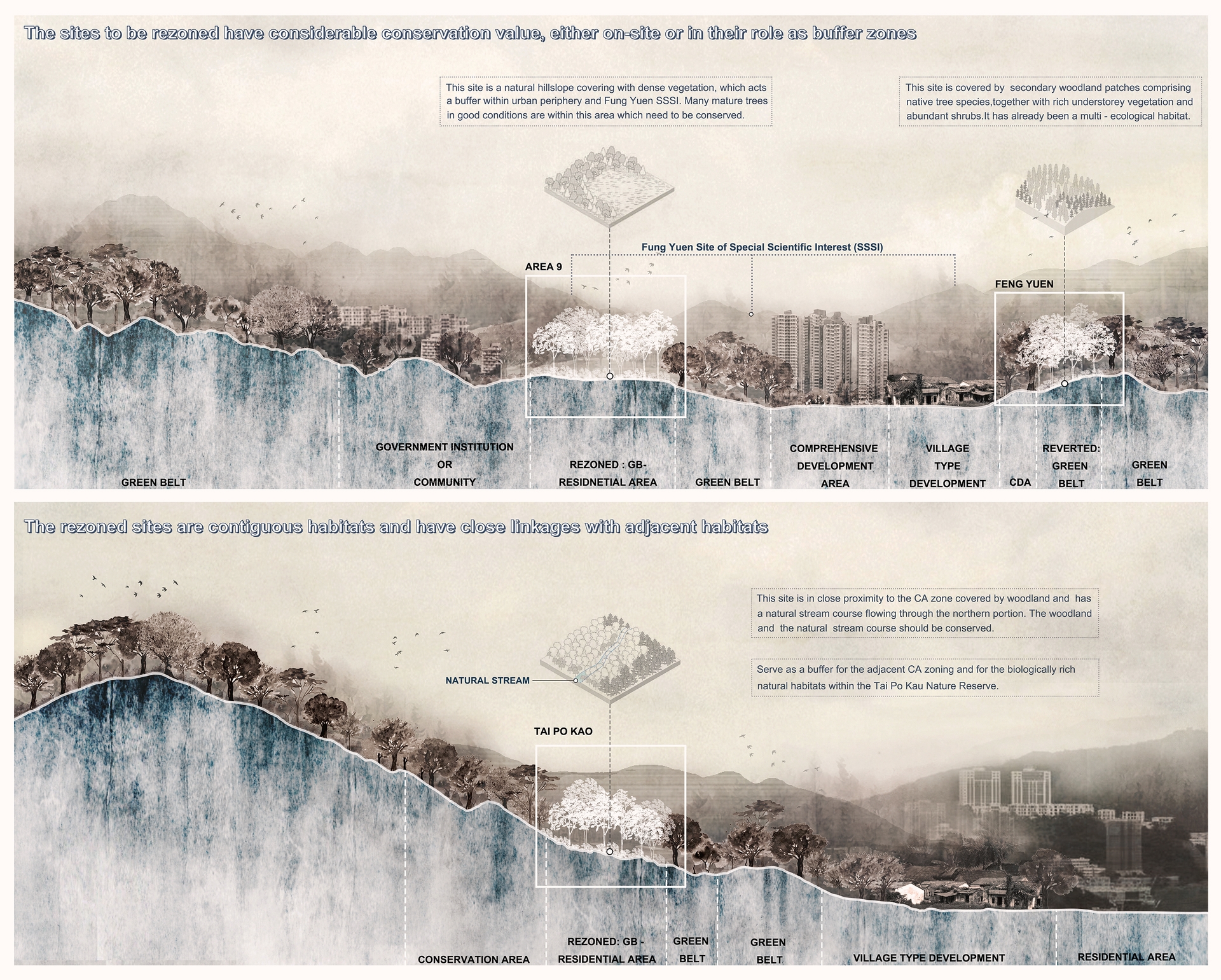
Hong Kong’s environmental landscape is defined by a striking contrast that surprises many visitors. The territory encompasses approximately 1,114 square kilometers of land, yet a significant portion of this is rugged, mountainous terrain unsuitable for high-rise development. This geographical constraint led to the creation of one of the world's most compact urban environments, while simultaneously necessitating the protection of the surrounding hillsides to prevent erosion and manage water catchment.
As of 2026, the Country Park system, established in the 1970s, remains the cornerstone of Hong Kong’s terrestrial conservation. These 24 country parks and 22 special areas provide essential ecosystem services, including air filtration, temperature regulation, and recreational space for over 7.4 million residents. The ecological value of these areas is immense, housing diverse flora and fauna, including the Rhesus macaque, the Burmese python, and over 500 species of birds.
However, the pressure for housing remains a primary environmental challenge. The "Northern Metropolis" and various reclamation projects are subjects of ongoing debate regarding their impact on local wetlands and marine ecosystems. Balancing the urgent need for residential space with the commitment to "No Net Loss" of wetland functions is a central theme in Hong Kong’s current environmental policy.
Air Quality Management: Navigating Regional and Local Pollutants
Air quality has historically been a significant concern for Hong Kong, influenced by both local emissions and regional transport of pollutants from the Pearl River Delta (PRD). In 2026, the city continues to operate under the Clean Air Plan for Hong Kong 2035, which sets ambitious targets for reducing nitrogen oxides (NOx) and fine particulate matter (PM2.5).
Local Roadside Emissions and the EV Transition
The most immediate impact on public health comes from roadside air pollution. To combat this, the government has accelerated the transition to electric vehicles (EVs). In 2026, the landscape of Hong Kong's streets has shifted visibly:
- Private Cars: The "One-for-One Replacement" Scheme has successfully transitioned a large percentage of the private fleet to electric models.
- Public Transport: Following the successful trials of electric buses and taxis in 2023-2024, the infrastructure for rapid charging is now widespread across the New Territories and Kowloon.
- Commercial Fleets: Stricter emission standards for non-road mobile machinery and heavy goods vehicles have significantly lowered the sulfur dioxide levels in industrial corridors.
Regional Cooperation
Regional air quality is managed through the Pearl River Delta Regional Air Quality Monitoring Network. Collaboration between the Hong Kong Environmental Protection Department (EPD) and authorities in Guangdong province is essential, as a substantial portion of Hong Kong's smog, particularly during the winter months, originates from industrial activities and power plants across the border.
Waste Management and the Circular Economy
One of the most pressing environmental issues in Hong Kong is the management of municipal solid waste (MSW). For decades, the city relied almost exclusively on three massive landfills: West New Territories (WENT), South East New Territories (SENT), and North East New Territories (NENT).
The Shift from Landfills to Waste-to-Energy
In 2026, the strategy has moved decisively toward Waste-to-Energy (WtE) technology. The I·PARK (Integrated Waste Management Facilities) on an artificial island near Shek Kwu Chau is now a critical component of the infrastructure. This facility reduces the volume of waste by 90% while generating electricity for the power grid, moving Hong Kong away from the unsustainable "fill and cover" model.
Specialized Treatment Facilities
Hong Kong has pioneered several specialized facilities to handle different waste streams:
- T·PARK: A world-class sludge treatment facility in Tuen Mun that turns sewage sludge into energy.
- O·PARK1 and O·PARK2: These organic waste treatment facilities use anaerobic digestion to convert food waste into biogas and compost.
- WEEE·PARK: Dedicated to the recycling of waste electrical and electronic equipment, ensuring that toxic materials like lead and mercury do not enter the environment.
The implementation of the Municipal Solid Waste Charging Scheme, though historically met with logistical hurdles, has catalyzed a shift in corporate and domestic behavior. In 2026, waste reduction at the source is no longer an aspiration but a regulated financial necessity for households and businesses alike.
Marine Conservation and Water Quality
Surrounded by the South China Sea, Hong Kong’s marine environment is a vital resource. The water quality in Victoria Harbour has seen a remarkable recovery following the completion of the Harbour Area Treatment Scheme (HATS). Once a heavily polluted waterway, the harbour now supports various marine life and has seen the return of the annual cross-harbour swimming race.
Protecting Marine Biodiversity
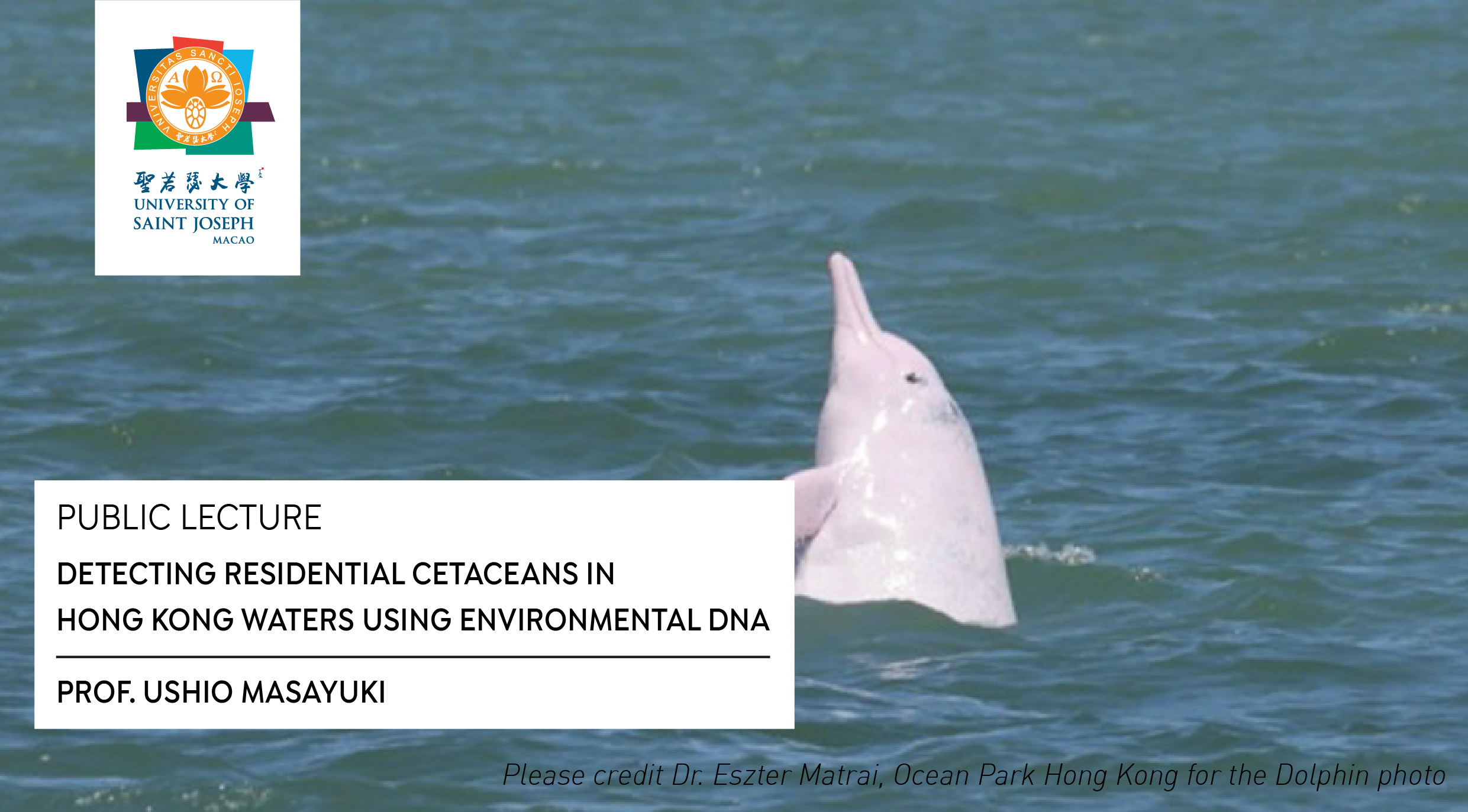
Despite improvements in water quality, marine biodiversity remains under threat from coastal development and maritime traffic. Key species of concern include the Indo-Pacific humpback dolphin (popularly known as the Chinese White Dolphin) and the Finless Porpoise.
- Marine Parks: There are currently eight marine parks and one marine reserve in Hong Kong. These areas, such as the North Lantau Marine Park, are designed to protect the habitats of dolphins and enhance fisheries resources.
- Plastic Pollution: Following the 2024 ban on various disposable plastic tableware and products, the levels of microplastics found in local waters have begun to stabilize, although regional plastic debris remains a persistent issue.
Hong Kong’s Climate Action Plan 2050
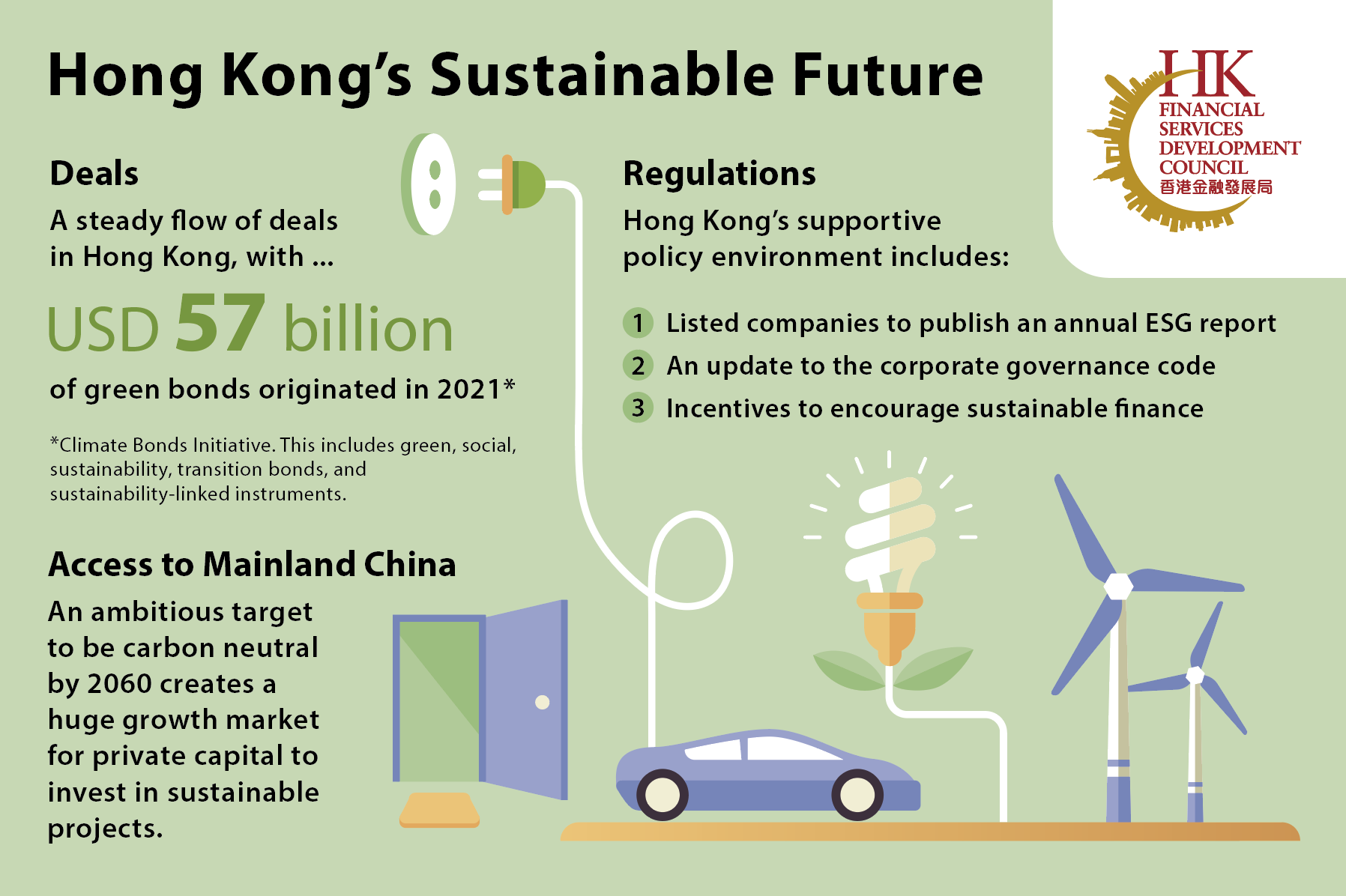
In alignment with international climate goals, Hong Kong has committed to achieving carbon neutrality by 2050. The "Climate Action Plan 2050" focuses on four major decarbonization strategies: net-zero electricity generation, energy saving and green buildings, green transport, and waste reduction.
Net-Zero Electricity Generation
Since power generation is the largest source of local carbon emissions (roughly 60%), the shift in the energy mix is paramount. By 2026, coal has been largely phased out in favor of natural gas, which acts as a bridge fuel. Furthermore, the government is exploring regional cooperation to import more zero-carbon energy (nuclear and renewables) from the Mainland power grid.
Green Buildings and Energy Efficiency
The high-rise nature of Hong Kong means that buildings account for about 90% of the city’s electricity consumption. In 2026, the Building Energy Efficiency Ordinance has been tightened, requiring both new developments and existing commercial buildings to undergo frequent energy audits and implement retrofitting to reduce their carbon footprint.
Summary of Environmental Indicators (2026)
The following table provides a comparison of key environmental metrics and the targets set by the Hong Kong government.
| Metric | 2015 Baseline | 2026 Status (Estimated) | 2035/2050 Target |
|---|---|---|---|
| Carbon Emissions | 41.5 Million Tonnes | ~32 Million Tonnes | Net-zero by 2050 |
| Waste Recovery Rate | 35% | 45% | 55% by 2035 |
| EV Market Share | < 2% (New Reg) | > 60% (New Reg) | 100% (New Reg) by 2035 |
| Coal in Fuel Mix | ~48% | < 10% | 0% by 2035 |
| Landfill Dependency | High | Moderate/Declining | Zero Landfill by 2035 |
Frequently Asked Questions
Is the air in Hong Kong safe to breathe in 2026?
Yes, overall air quality has improved significantly over the last decade. However, the Air Quality Health Index (AQHI) may still reach "High" or "Very High" levels during specific weather conditions, such as when a typhoon is approaching and stagnant air traps pollutants. Residents are encouraged to use the EPD's real-time monitoring apps to check local conditions.
Can you drink tap water in Hong Kong?
Technically, the water treated by the Water Supplies Department (WSD) meets World Health Organization (WHO) standards. However, due to the age of many residential buildings, the condition of internal plumbing can lead to contamination. In 2026, most residents still prefer to boil their water or use high-quality filtration systems as a precaution.
How does Hong Kong handle electronic waste?
Hong Kong has a comprehensive Producer Responsibility Scheme on waste electrical and electronic equipment (WPRS). Residents can arrange for free removal of "regulated electrical equipment" (such as refrigerators, washing machines, and computers) when purchasing new items. This equipment is then processed at the WEEE·PARK to ensure environmentally sound recycling.
What is being done to protect the Chinese White Dolphin?
Protection efforts include the establishment of marine parks in North and West Lantau, the regulation of high-speed ferry routes, and stricter environmental impact assessments for all maritime construction projects. Despite these efforts, the population remains vulnerable due to cumulative habitat loss and underwater noise.
Does Hong Kong have renewable energy?
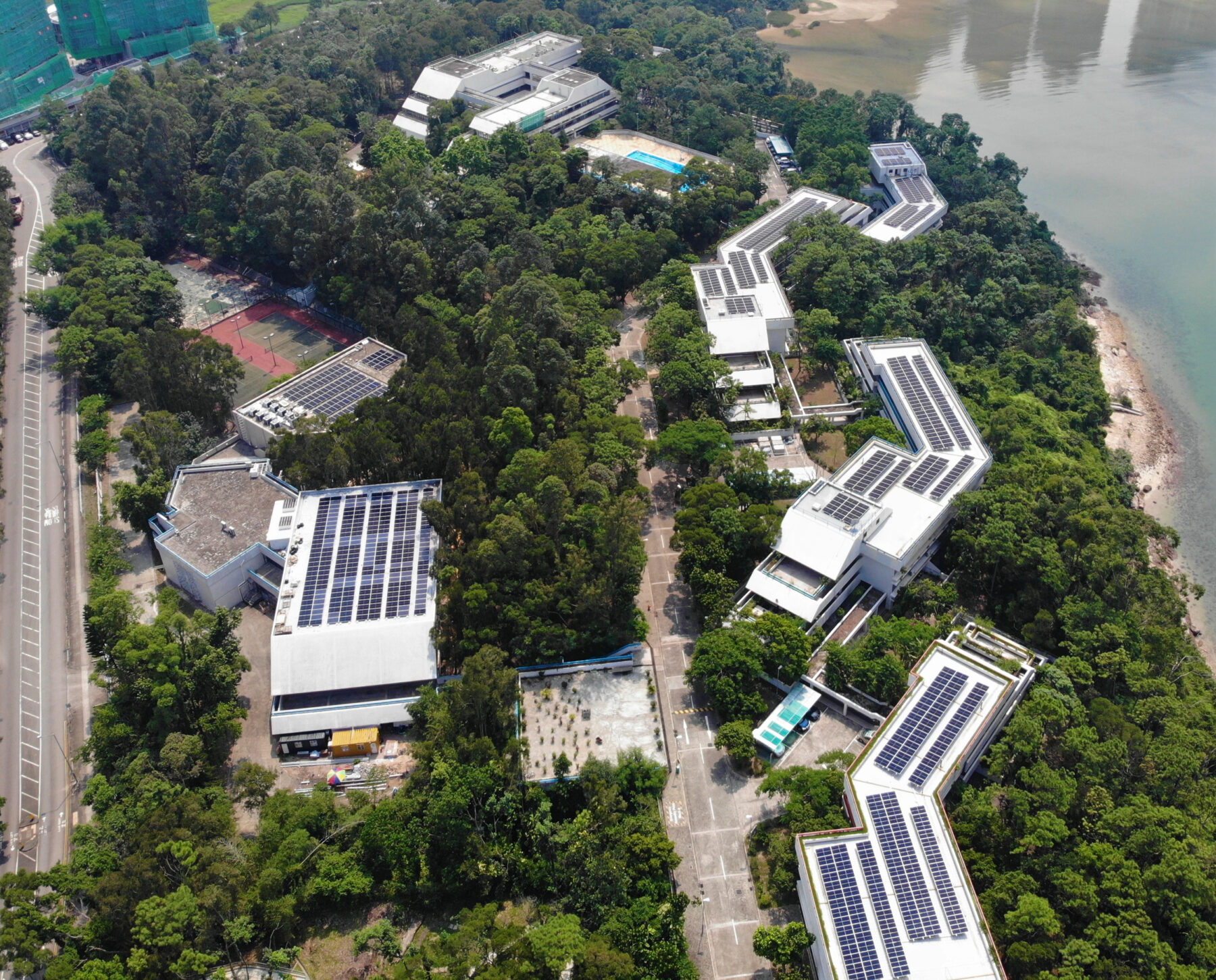
While the small land area limits large-scale solar or wind farms, Hong Kong utilizes building-integrated photovoltaics and has small-scale wind turbines on Lamma Island. The "Feed-in Tariff" (FiT) scheme continues to encourage private individuals and businesses to install solar panels on rooftops.
Practical Recommendations for Residents and Visitors
To support the environment of Hong Kong in 2026, individuals are encouraged to take proactive steps:
- Utilize the "GREEN@COMMUNITY" Network: Use the community recycling stations located in every district to dispose of plastics, glass, and electronics that are not collected by standard household bins.
- Opt for Public Transport: Hong Kong’s MTR and bus networks remain some of the most efficient and lowest-emission ways to travel globally.
- Mind the AC: Set air conditioning to 25.5°C during summer months to significantly reduce energy consumption in high-rise apartments.
- Explore Sustainably: When visiting country parks, adhere to the "Leave No Trace" policy and use reusable water bottles to reduce the burden on wilderness waste management.
The future of Hong Kong's environment depends on the successful integration of technological innovation in waste and energy with a steadfast commitment to preserving the natural heritage that makes the city unique.
Image Gallery