Hari Raya 2025 Dates and Observances: A Complete Guide to the Festive Season
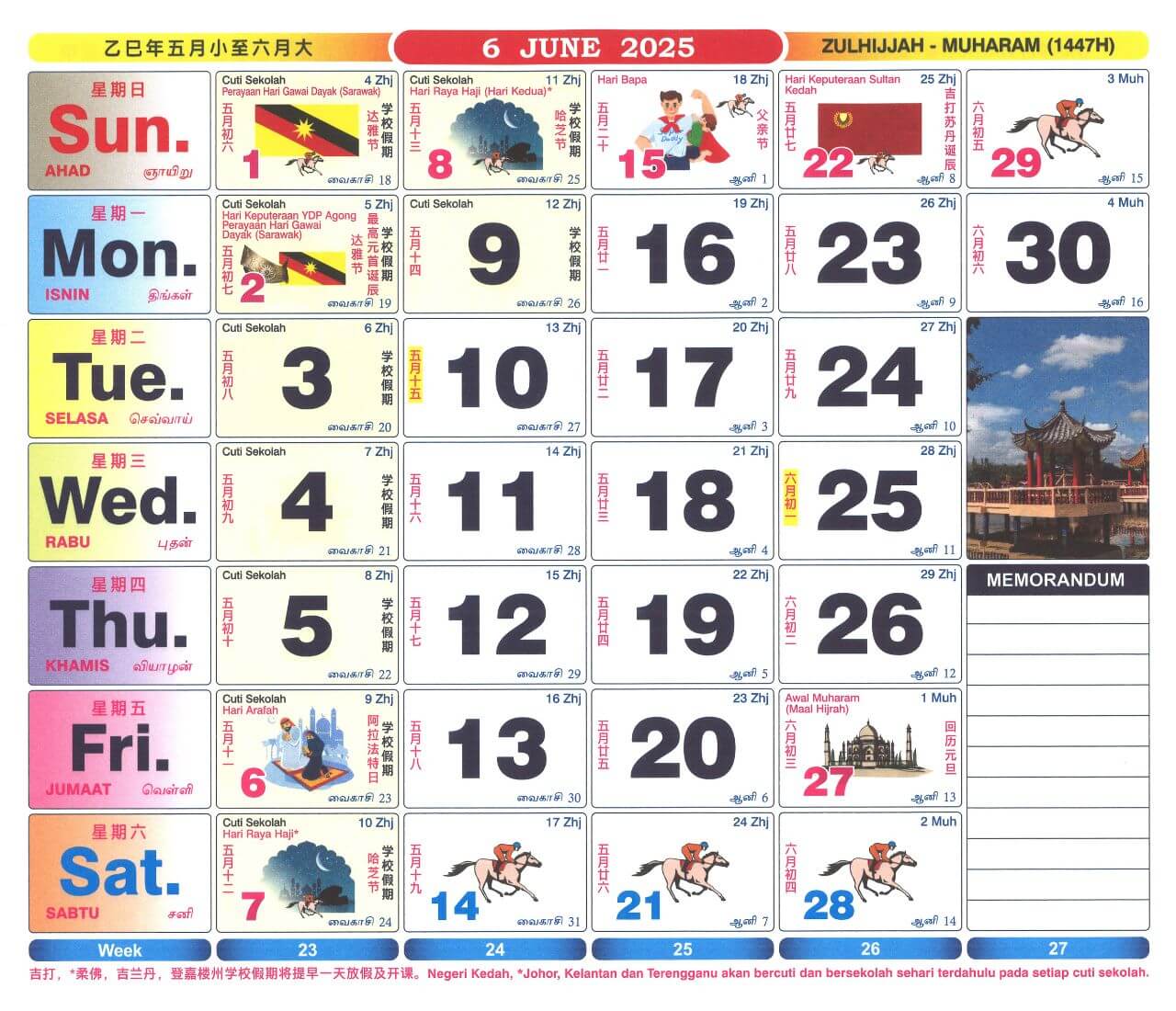
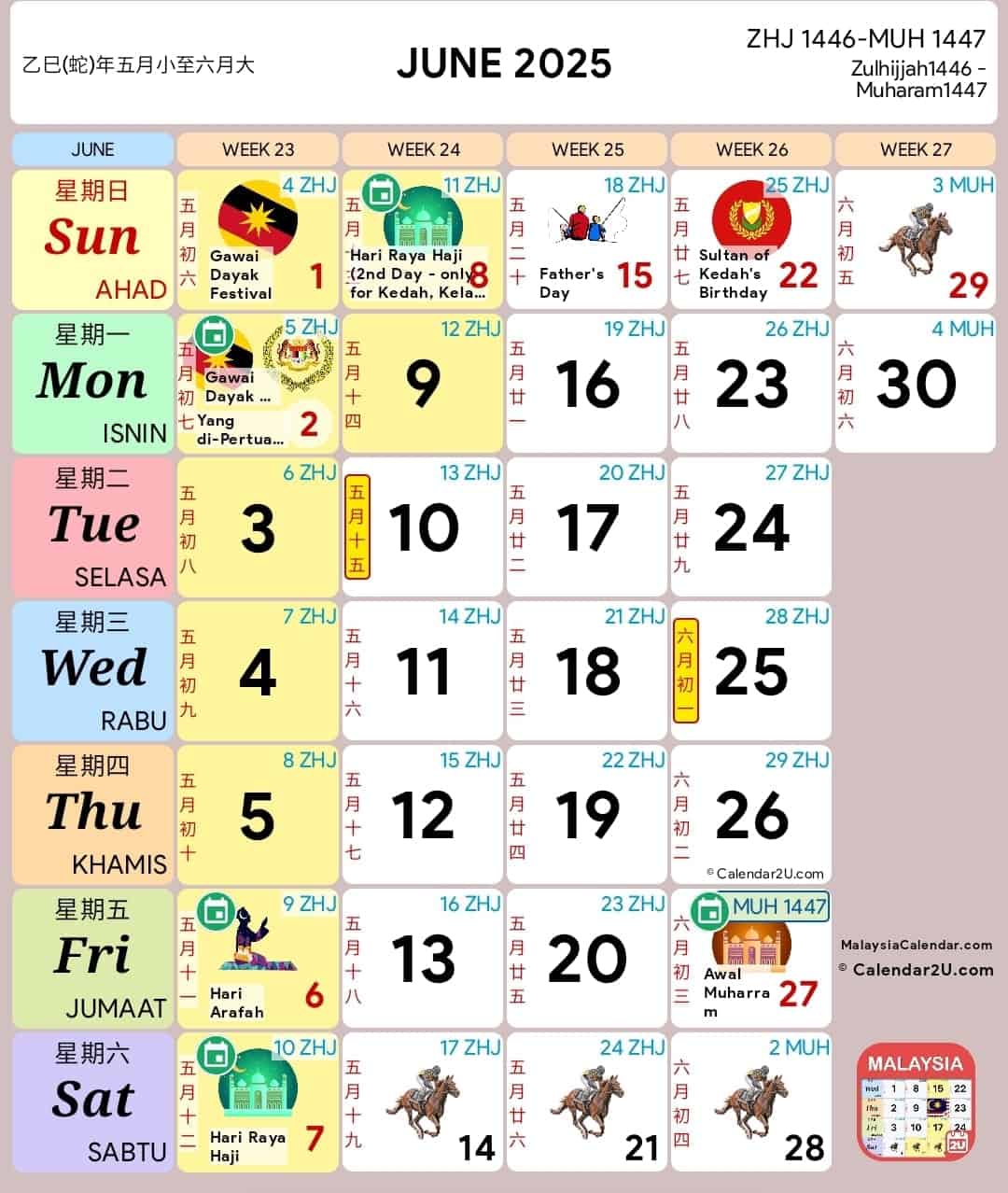
In 2025, Hari Raya Puasa (Eid al-Fitr) was observed on March 31, marking the conclusion of the holy month of Ramadan. This was followed by Hari Raya Haji (Eid al-Adha), which took place on June 7, 2025. These dates, determined by the l...
In 2025, Hari Raya Puasa (Eid al-Fitr) was observed on March 31, marking the conclusion of the holy month of Ramadan. This was followed by Hari Raya Haji (Eid al-Adha), which took place on June 7, 2025. These dates, determined by the lunar Hijri calendar, serve as pivotal moments for spiritual reflection, communal prayer, and family gatherings across Southeast Asia.
Contents
The Significance of the Hijri Calendar in Determining Holiday Dates
Understanding the timing of Hari Raya requires an appreciation of the Islamic (Hijri) calendar. Unlike the Gregorian calendar, which is solar-based, the Hijri calendar is strictly lunar. This means that each month begins with the first sighting of the new crescent moon (hilal). Because a lunar year is approximately 10 to 11 days shorter than a solar year, Islamic holidays "rotate" through the seasons over a 33-year cycle.
For the year 2025, this rotation placed Hari Raya Puasa in late March and Hari Raya Haji in early June. This regression is a significant factor for government planning, school holiday scheduling, and business operations in countries like Malaysia, Singapore, and Indonesia. In 2026, as we look back at these dates, we see how the shifting calendar influenced regional tourism and retail patterns. The determination of these dates often involves two methods: Rukyah (the physical sighting of the moon) and Hisab (astronomical calculation). While modern technology allows for highly accurate predictions, many national religious authorities still require physical verification to officially declare the start of the festivities.
Hari Raya Puasa 2025: The Festival of Breaking the Fast
Hari Raya Puasa, also known internationally as Eid al-Fitr, is the "Festival of the Breaking of the Fast." It marks the end of Ramadan, the ninth month of the Islamic calendar, during which Muslims fast from dawn until sunset. In 2025, Ramadan began around March 1, creating a month of heightened spiritual activity leading up to the grand celebration on March 31.
The Spiritual Discipline of Ramadan
The lead-up to Hari Raya 2025 was defined by the rigorous observance of the fast (sawm). This is one of the Five Pillars of Islam and is intended to teach patience, humility, and empathy for the less fortunate. Beyond abstaining from food and drink, Muslims focus on increasing their prayers (salat), reciting the Quran, and performing acts of charity (zakat).
The final ten nights of Ramadan in 2025 were particularly significant due to Laylat al-Qadr (the Night of Power), which is believed to be the night the first verses of the Quran were revealed. During this period, mosques across Southeast Asia were filled with worshippers participating in Tarawih prayers, a special nocturnal prayer performed only during this holy month.
Key Rituals and Traditions of Hari Raya Puasa
On the morning of March 31, 2025, the celebration began with the Aidilfitri sunnah prayer at mosques and open fields. This was a communal event where thousands gathered to offer thanks to God. Following the prayers, the tradition of Maaf Zahir dan Batin took center stage. This involves seeking and offering forgiveness for any wrongs committed during the previous year, effectively "cleansing" one's relationships with family and friends.
A unique aspect of the 2025 celebration in Malaysia and Singapore was the "Open House" (Rumah Terbuka) tradition. This social phenomenon allows people of all races and religions to visit the homes of their Muslim friends to enjoy festive food and strengthen community ties. It serves as a powerful symbol of multicultural harmony in the region.
Hari Raya Haji 2025: The Festival of Sacrifice
Commonly known as Eid al-Adha or the "Great Feast," Hari Raya Haji occurred on June 7, 2025. This holiday commemorates the willingness of the Prophet Ibrahim (Abraham) to sacrifice his son as an act of obedience to God, before God provided a ram to sacrifice instead. It also coincides with the culmination of the Hajj, the annual pilgrimage to Mecca, Saudi Arabia.
Understanding the Qurban Ritual
The defining feature of Hari Raya Haji is the Qurban (sacrifice). In 2025, livestock such as cattle, goats, and sheep were sacrificed at mosques and designated community centers. The meat is then divided into three parts: one-third for the family who provided the animal, one-third for friends and neighbors, and the final third for the poor and needy.
This practice emphasizes the Islamic values of sharing and charity. Unlike Hari Raya Puasa, which focuses on the joy of breaking the fast, Hari Raya Haji is more somber and reflective, highlighting the virtues of sacrifice and total devotion to the Divine. In 2025, religious authorities in Singapore and Malaysia continued to implement strict hygiene and logistical protocols for the Qurban to ensure public safety and animal welfare.
The Link to the Hajj Pilgrimage
For the global Muslim community, the period leading up to June 7, 2025, was also the peak of the Hajj season. Millions of pilgrims traveled to Mecca to perform rituals that trace the footsteps of the Prophet Muhammad and the Prophet Ibrahim. For those not performing the Hajj, the first ten days of the month of Dhu al-Hijjah are considered among the most sacred days of the year, often spent in fasting and extra devotion.
2025 Hari Raya Public Holiday Schedule Comparison
The way these dates were observed varied slightly across Southeast Asia due to national labor laws and the specific religious boards governing the moon sightings. The following table outlines the public holiday observances for the major regional hubs in 2025.
| Country | Holiday | 2025 Date(s) | Impact on Public Life |
|---|---|---|---|
| Malaysia | Hari Raya Puasa | March 31 - April 1 | Two-day national holiday; widespread business closures and "Balik Kampung" travel. |
| Malaysia | Hari Raya Haji | June 7 | One-day national holiday; special state holidays in Kelantan/Terengganu on June 8. |
| Singapore | Hari Raya Puasa | March 31 | One-day public holiday; major festivities in Geylang Serai district. |
| Singapore | Hari Raya Haji | June 7 | One-day public holiday; since it fell on a Saturday, many businesses offered Monday as a day off. |
| Indonesia | Idul Fitri | March 31 - April 1 | Massive "Mudik" exodus; extended "Cuti Bersama" (collective leave) typically added. |
| Indonesia | Idul Adha | June 7 | National public holiday focused on community meat distribution. |
| Brunei | Hari Raya Aidilfitri | March 31 - April 2 | Three-day public holiday with significant royal palace visits. |
Cultural Traditions and Social Observances
While the religious foundations of Hari Raya are consistent, the cultural expressions in Southeast Asia are remarkably diverse and vibrant. By 2025, these traditions had evolved to blend historical practices with modern sensibilities.
Culinary Traditions: From Ketupat to Rendang
Food is the universal language of Hari Raya. In 2025, the preparation of traditional delicacies began weeks in advance. Key dishes included:
- Ketupat: Rice cakes packed inside a woven palm leaf pouch. These are iconic symbols of Hari Raya and were often served with peanut sauce or curry.
- Rendang: A slow-cooked, spicy meat dish (usually beef or chicken) braised in coconut milk and spices until the liquid evaporates, leaving the meat tender and flavorful.
- Lemang: Glutinous rice cooked with coconut milk in bamboo stalks lined with banana leaves over an open fire.
- Kuih Raya: An assortment of festive cookies and cakes, such as Tart Nanas (pineapple tarts), Semperit, and Kek Lapis (layer cake), which were essential for greeting guests during open houses.
The Concept of 'Balik Kampung' and 'Mudik'
In 2025, the "Balik Kampung" (return to the village) in Malaysia and the "Mudik" in Indonesia were among the largest annual human migrations. Millions of people living in urban centers like Kuala Lumpur and Jakarta traveled to their ancestral hometowns to celebrate with elderly parents and extended family. This mass movement significantly impacted the regional economy, boosting the transport, hospitality, and fuel sectors, while temporarily turning major cities into "ghost towns."
Logistics and Economic Trends during the 2025 Festive Season
The 2025 Hari Raya period saw a notable shift in consumer behavior. Retailers reported a surge in online shopping for Baju Melayu and Baju Kurung (traditional attire), as well as home decor items, as families prepared to host guests. The "duit raya" tradition—the giving of small amounts of money in green envelopes to children and the elderly—saw an increase in digital transfers via mobile banking apps, although physical envelopes remained the preferred choice for family gatherings.
From a travel perspective, 2025 was a peak year for regional tourism. Because Hari Raya Puasa fell in late March, it overlapped with some school term breaks, leading to high demand for flights and hotel accommodations in popular destinations like Melaka, Penang, and Bali. Travelers were advised to book months in advance to avoid the steep price hikes associated with the festive rush.
Frequently Asked Questions
Why do the dates of Hari Raya change every year?
The dates change because the Islamic calendar is lunar, consisting of 354 or 355 days per year. This is shorter than the 365-day Gregorian solar calendar, causing Islamic holidays to move forward by approximately 10 to 11 days each year.
What is the difference between Hari Raya Puasa and Hari Raya Haji?
Hari Raya Puasa (Eid al-Fitr) celebrates the completion of the fasting month of Ramadan. Hari Raya Haji (Eid al-Adha) commemorates the Prophet Ibrahim’s act of sacrifice and coincides with the Hajj pilgrimage. Puasa is generally a more joyous, social celebration, while Haji is more religious and focused on the ritual of the Qurban.
Is it okay for non-Muslims to attend Hari Raya celebrations?
Yes, it is highly encouraged in Southeast Asian culture. The tradition of the "Open House" is specifically designed to invite friends, neighbors, and even strangers to share in the meal and festivities regardless of their religious background.
What should I wear to a Hari Raya open house?
While there is no strict dress code for guests, wearing modest and respectful clothing is appreciated. Many non-Muslim guests choose to wear traditional attire like the Batik shirt or a simple Baju Kurung as a sign of respect and cultural appreciation.
What are the "green envelopes" given during Hari Raya?
Known as Sampul Raya or Duit Raya, these green envelopes contain monetary gifts given by adults to children and the elderly. The color green is traditionally associated with Islam and paradise.
Practical Recommendations for Future Planning
As we navigate through 2026, those looking to plan events or travel around future Hari Raya dates should consult official religious councils such as JAKIM in Malaysia or MUIS in Singapore. Because the dates are subject to moon sightings, there is always a slight chance of a one-day shift. For businesses, it is essential to account for the reduced workforce during the "Balik Kampung" periods and to plan marketing campaigns that align with the themes of family, forgiveness, and charity that define these holy observances.
Image Gallery