How Long Can Pedialyte Sit Out Safely? Storage and Safety Guidelines
Once opened or mixed from powder, Pedialyte should not sit out at room temperature for more than two hours. To ensure maximum safety and prevent bacterial growth, any unused portion should be refrigerated immediately after opening and...
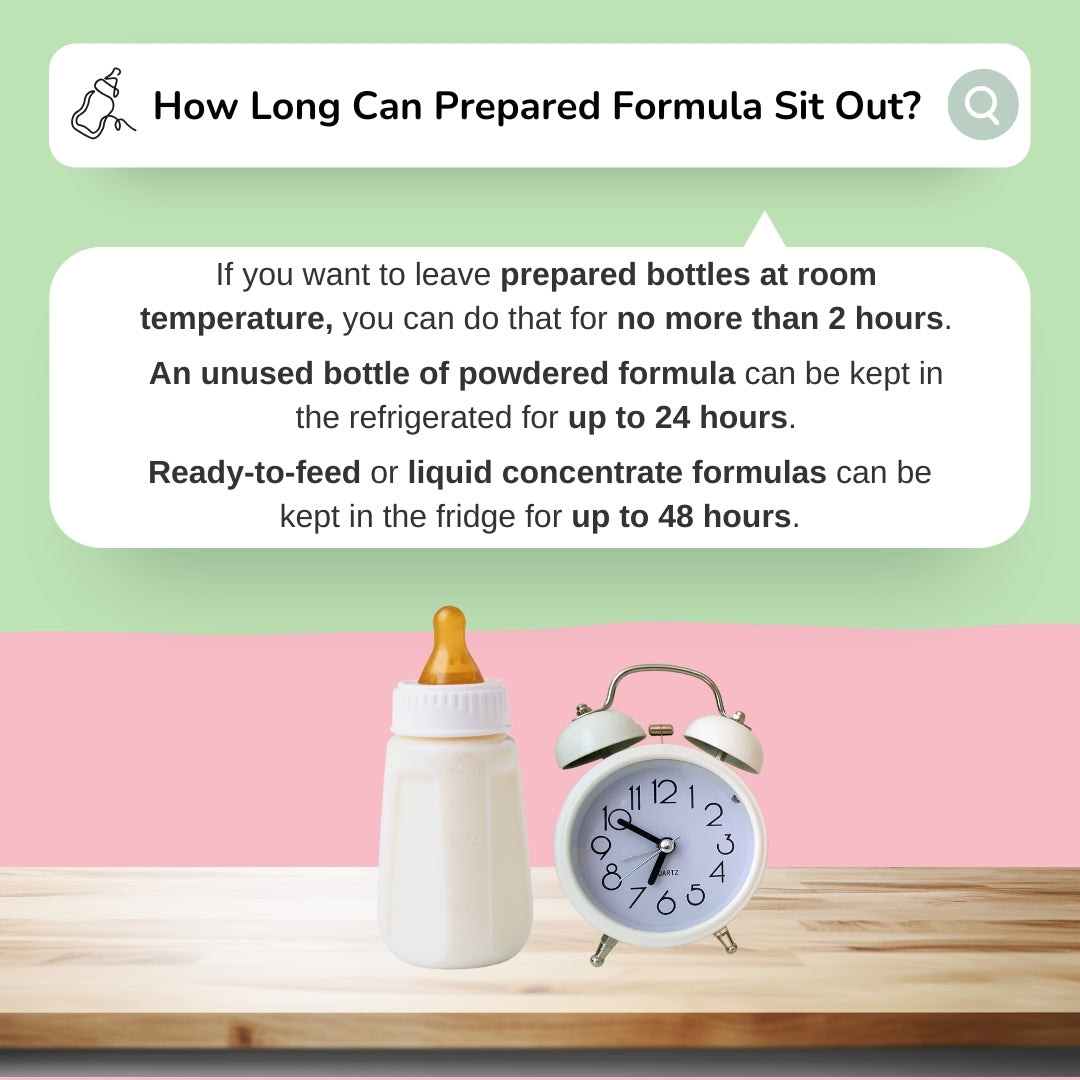
Once opened or mixed from powder, Pedialyte should not sit out at room temperature for more than two hours. To ensure maximum safety and prevent bacterial growth, any unused portion should be refrigerated immediately after opening and must be consumed or discarded within 48 hours to maintain its clinical effectiveness.
Contents
Pedialyte is a specialized oral rehydration solution (ORS) designed to replenish fluids and electrolytes lost during bouts of dehydration, typically caused by vomiting, diarrhea, or intense physical exertion. Because it is formulated with a specific balance of sugar (glucose) and minerals, it provides an ideal environment for microbial growth if not stored correctly. In 2026, healthcare providers continue to emphasize that the window for safety is narrow, particularly because the primary users of the product are often infants, children, or immunocompromised adults who are already in a weakened physiological state.
Understanding the Two-Hour Rule for Room Temperature
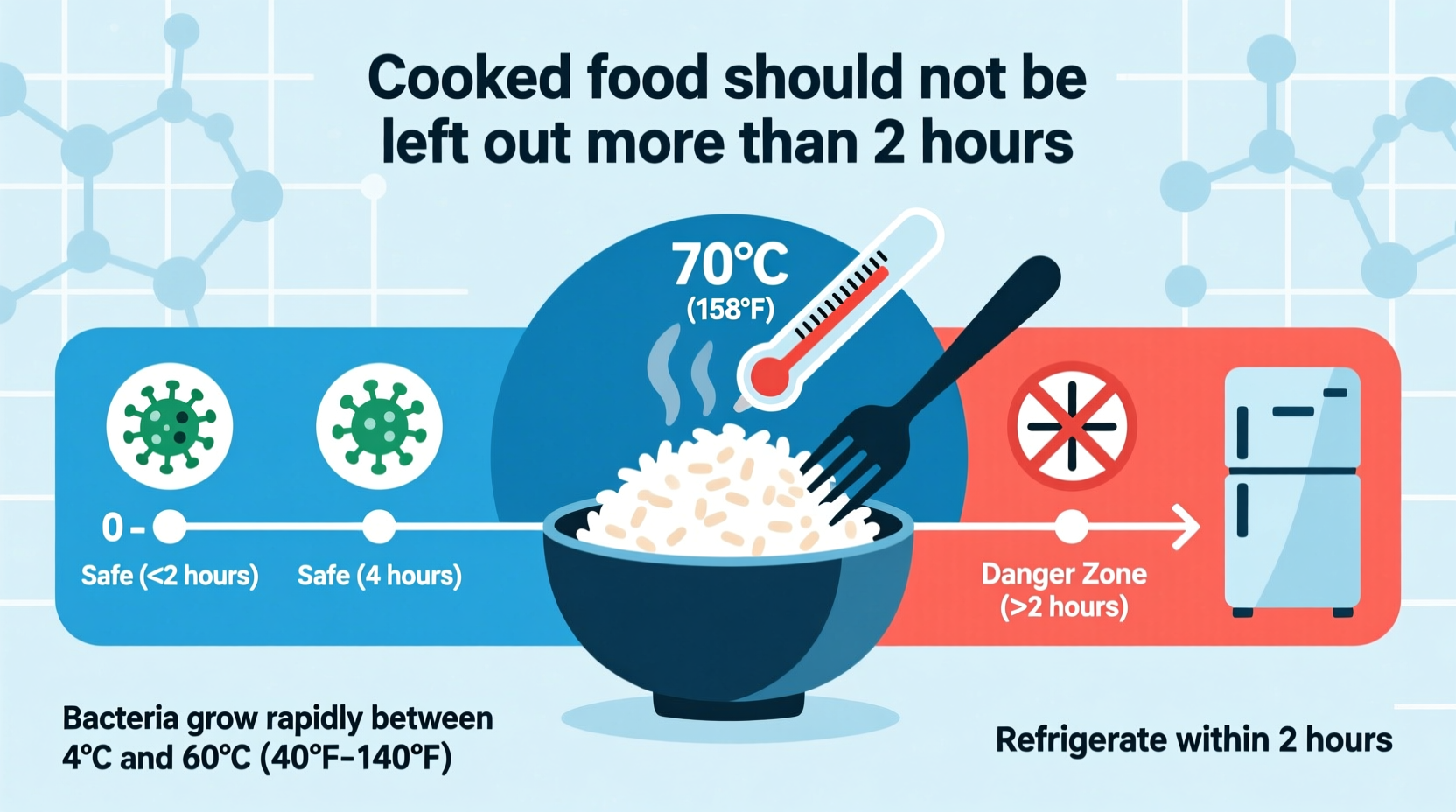
The "two-hour rule" is a standard safety guideline derived from food science and microbiology. When Pedialyte is left at room temperature—typically defined as between 68°F and 77°F (20°C to 25°C)—it enters what food safety experts call the "Danger Zone." This temperature range, which spans from 40°F to 140°F, is where bacteria such as Staphylococcus aureus or Salmonella can double in population every 20 minutes.
While Pedialyte does not contain dairy or meat, it does contain glucose. Sugar serves as a primary energy source for bacteria. Once a bottle is opened, environmental contaminants from the air or the user’s mouth (if they drank directly from the container) enter the liquid. If the solution sits out for more than two hours, the bacterial load can reach levels that cause gastrointestinal distress, potentially worsening the very symptoms the Pedialyte was intended to treat.
In warmer environments, such as outdoors during a summer sporting event or in a house without air conditioning, this window shrinks. If the ambient temperature is above 90°F (32°C), the safe window for Pedialyte sitting out is reduced to just one hour.
The 48-Hour Refrigeration Window
Once a bottle of Pedialyte is opened and promptly placed in a refrigerator (maintained at 40°F/4°C or below), its shelf life extends to 48 hours. This timeframe is notably shorter than that of standard fruit juices or carbonated soft drinks. There are several technical reasons for this strict expiration:
- Lack of Strong Preservatives: Pedialyte is formulated to be gentle on the digestive system. It lacks the high levels of citric acid or artificial preservatives found in other beverages that might inhibit mold and bacterial growth for longer periods.
- Electrolyte Stability: Over time, the chemical balance of the electrolytes can begin to shift slightly, though the primary concern remains microbial contamination.
- Risk Mitigation for Vulnerable Users: Because the target demographic often includes infants with developing immune systems, manufacturers like Abbott Laboratories maintain conservative safety windows to prevent any risk of secondary infection.
After 48 hours in the refrigerator, the solution must be discarded, even if it looks and smells normal. Bacteria and mold can be present in concentrations high enough to cause illness long before they become visible to the naked eye or produce a foul odor.
Variations in Pedialyte Products: Liquids, Powders, and Freezer Pops
The form of Pedialyte you are using dictates the specific storage requirements. As of 2026, there are three primary formats available on the market, each with distinct shelf-life characteristics.
Ready-to-Use Liquid
The ready-to-use liquid is the most common form. When unopened, it is shelf-stable until the "Use By" date printed on the bottle, which is typically one to two years from the date of manufacture. However, the 48-hour clock begins the moment the seal is broken.
Powder Packets
Pedialyte powder packets are highly stable in their dry form. They are ideal for emergency kits or travel. However, once the powder is mixed with water, it assumes the same characteristics as the ready-to-use liquid. It must be used within two hours if left out or 48 hours if refrigerated. It is critical to use clean, potable water for mixing, as contaminated water will introduce bacteria immediately, regardless of storage temperature.
Freezer Pops
Pedialyte Freezer Pops are designed to be consumed while frozen. Because bacteria cannot grow at freezing temperatures, these are safe for a much longer duration while in the freezer. However, if a pop melts, it should be consumed immediately or discarded. Once a freezer pop is opened and partially eaten, it should not be refrozen for later use due to the introduction of saliva.
Storage and Safety Comparison Table
The following table summarizes the safety windows for various Pedialyte formats and storage conditions based on current 2026 safety standards.
| Product Form | Condition | Room Temp (68°F–77°F) | Refrigerated (≤40°F) | Unopened Shelf Life |
|---|---|---|---|---|
| Ready-to-Use Liquid | Opened | 2 Hours | 48 Hours | See "Use By" Date |
| Mixed Powder | Prepared | 2 Hours | 48 Hours | N/A (Liquid State) |
| Powder Packets | Unopened | Indefinite (Cool/Dry) | Not Required | 2+ Years |
| Freezer Pops | Frozen | Until Melted | N/A | 1–2 Years |
| Freezer Pops | Thawed | 2 Hours | 24 Hours | N/A |
The Impact of Saliva Contamination
One of the most common mistakes caregivers make is allowing a child to drink directly from the Pedialyte bottle and then putting the bottle back in the refrigerator. This process, known as "backwash," introduces enzymes and bacteria from the mouth into the bottle.
Saliva contains amylase and other enzymes that begin breaking down the components of the solution. More importantly, the human mouth is home to hundreds of species of bacteria. When these are introduced into a nutrient-rich fluid like Pedialyte and then stored, the 48-hour safety window may actually be shorter.
Pro-tip: To maximize safety, pour the required amount of Pedialyte into a separate cup or bottle for consumption. Seal the original container immediately and return it to the refrigerator. If the user does not finish the portion in their cup, discard it rather than pouring it back into the original bottle.
Identifying Spoiled Pedialyte
While you should always follow the 48-hour rule regardless of appearance, there are specific signs that Pedialyte has gone bad before that window has closed, especially if it was accidentally left out.
- Cloudiness: Fresh Pedialyte (unless it is a specific opaque flavor) should be relatively clear. If the liquid appears "milky" or has floating particles, it is a sign of advanced microbial colonies.
- Off-Putting Odor: Pedialyte has a distinct, slightly medicinal or fruity scent. Any sour, yeasty, or fermented smell indicates spoilage.
- Visible Mold: In rare cases where a bottle is kept longer than 48 hours, mold may form around the rim or on the surface of the liquid.
- Change in Taste: While not recommended as a test, if a user reports that the solution tastes "fizzy" or unusually sour, it should be discarded immediately.
Health Risks of Improper Storage
Consuming Pedialyte that has sat out too long can lead to food poisoning. For a healthy adult, this might result in mild stomach cramps or a single episode of diarrhea. However, for the primary users of Pedialyte—those already suffering from dehydration—the consequences are more severe.
If a child is already dehydrated from a stomach virus, introducing additional pathogens from spoiled Pedialyte can lead to a "rebound" effect. This causes further vomiting and diarrhea, accelerating the dehydration process and potentially leading to a medical emergency requiring intravenous (IV) fluids.
Medical Disclaimer: This information is for educational purposes and does not replace professional medical advice. If you or a child show signs of severe dehydration, such as lethargy, sunken eyes, or lack of urination, contact a healthcare provider immediately.
Practical Recommendations for Caregivers
To ensure you are using Pedialyte effectively and safely in 2026, follow these operational steps:
- Label the Bottle: Use a permanent marker to write the date and time of opening directly on the bottle. This eliminates guesswork regarding the 48-hour limit.
- Small Portions: Only pour 2–4 ounces at a time. Small, frequent sips are better for rehydration and minimize waste if the child refuses to finish the portion.
- Keep it Cool: If you are traveling, keep opened Pedialyte in an insulated cooler bag with ice packs to maintain a temperature below 40°F.
- Prioritize Powders for Travel: Use powder packets for outings. Mix them only when you are ready to use them to ensure the two-hour room temperature clock starts at the latest possible moment.
- Check the Seal: Always inspect the safety seal on a new bottle. If the cap is loose or the foil seal is broken upon purchase, return it to the retailer.
By adhering to these strict storage timelines—two hours at room temperature and 48 hours in the refrigerator—you ensure that Pedialyte remains a helpful tool for recovery rather than a source of further illness.
Image Gallery