JoJo’s Bizarre Adventure Voice Actor Overview: Cast, Legacy, and Performance Analysis
The voice cast of JoJo’s Bizarre Adventure (JJBA) is a multi-generational ensemble that spans several decades of anime history, transitioning from the 1993 OVAs to the definitive David Production television adaptations. The series is r...
The voice cast of JoJo’s Bizarre Adventure (JJBA) is a multi-generational ensemble that spans several decades of anime history, transitioning from the 1993 OVAs to the definitive David Production television adaptations. The series is renowned for its high-energy performances, iconic "Stand Cries," and a casting philosophy that prioritizes both veteran prestige and genuine fan passion among its performers.
Contents
The JoJo’s Bizarre Adventure franchise is unique in the anime industry because each narrative "Part" features a new protagonist and setting, requiring a complete refresh of the primary cast every few years. As of 2026, the voice acting legacy of JJBA has become a hallmark of the industry, with "JoJo alumni" often seeing significant career boosts following their involvement. The casting process, led largely by sound director Yoshikazu Iwanami for the modern series, focuses on the physical and rhythmic demands of "Stand" battles, where actors must deliver rapid-fire vocalizations like the famous "Ora Ora" or "Muda Muda" with consistent intensity and breath control.
The Evolution of JoJo Casting: From OVAs to the Modern Era
To understand the current JJBA voice actor (VA) landscape, one must look at the two distinct eras of adaptation. The first major attempt to animate the series was the 1993-1994 and 2000-2002 Original Video Animation (OVA) series by Studio APPP. These featured a more somber, cinematic tone, with veteran actors like Jūrōta Kosugi voicing Jotaro Kujo and Chikao Ōtsuka voicing Joseph Joestar.
When David Production began the modern TV adaptation in 2012, they opted for a total reboot of the cast. This decision was initially met with debate among long-time fans of the video games (such as the Capcom fighter or the All-Star Battle series), but the new cast quickly defined the characters for a global audience. The modern era is characterized by a "passing of the torch," where the protagonist of one part often appears as a mentor in the next, requiring the actors to evolve their performances to reflect their characters' aging—most notably seen in the transition of Jotaro Kujo across Parts 3, 4, and 6.
The Joestar Bloodline: Primary Japanese Voice Actors
The "JoJos" are the heart of the series. Each actor is selected based on their ability to balance the specific "flavor" of their Part—ranging from the Victorian gentlemanly tone of Part 1 to the gritty, rebellious nature of Part 6.
Kazuyuki Okitsu (Jonathan Joestar)
Okitsu’s portrayal of Jonathan in Phantom Blood set the standard for the series. He utilized a classical, heroic vocal register that emphasized Jonathan’s sincerity and physical power. His performance had to bridge the gap between traditional shonen tropes and the more eccentric style that JoJo would eventually adopt.
Tomokazu Sugita (Young Joseph Joestar)
Sugita brought a radical shift in energy for Battle Tendency. Known for his comedic timing and versatile range, Sugita’s Joseph was unpredictable, cocky, and highly expressive. This performance is widely cited as the moment the anime found its unique vocal identity.
Daisuke Ono (Jotaro Kujo)
Daisuke Ono is perhaps the most recognizable voice in the franchise. Voicing Jotaro across Stardust Crusaders, Diamond is Unbreakable, and Stone Ocean, Ono developed a signature stoic delivery that could erupt into the ferocious "Ora Ora Ora" Stand cry. His portrayal is so influential that it has become the template for how Jotaro is perceived in all media, including spin-off games and commercials.
Yuki Ono (Josuke Higashikata)
Not related to Daisuke Ono, Yuki Ono took over for Diamond is Unbreakable. He had to balance Josuke’s polite schoolboy demeanor with his explosive temper regarding his hair. This duality required a "split" performance style that was both grounded and over-the-top.
Kensho Ono (Giorno Giovanna)
Giorno’s character in Golden Wind is more composed and philosophical than his predecessors. Kensho Ono provided a more melodic and focused performance, emphasizing Giorno’s "Golden Spirit" and his heritage as the son of DIO.
Fairouz Ai (Jolyne Cujoh)
The casting of Fairouz Ai for Stone Ocean is a legendary story within the industry. A massive fan of the series who credited JoJo as her inspiration for becoming a voice actor, she was eventually cast as the first female JoJo. Her performance is noted for its raw emotional power and the technical precision of her "Ora Ora" cries, which she reportedly practiced for years before ever being cast.
The Voices of the Antagonists: Defining "JoJo Evil"
An overview of JJBA voice acting would be incomplete without the villains, who often require even more theatrical performances than the heroes.
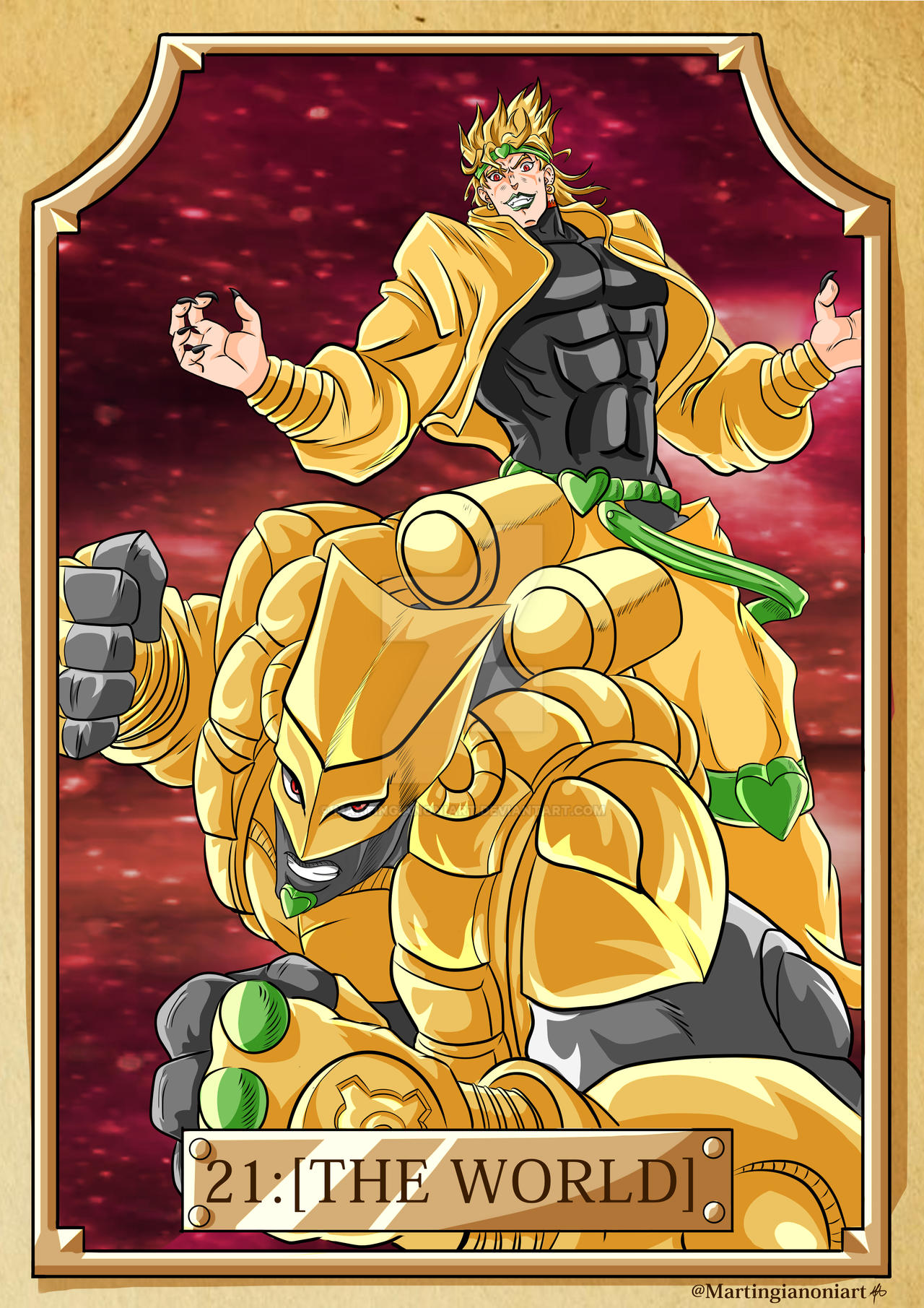
- Takehito Koyasu (DIO): Koyasu’s performance as Dio Brando/DIO is legendary. His deep, textured voice and eccentric delivery of lines like "Wryyyyy" and "Za Warudo" have become cultural touchstones in Japan and the global anime community.
- Toshiyuki Morikawa (Yoshikage Kira): Morikawa provided a chillingly calm and mundane voice for Kira, reflecting the character’s desire for a "quiet life" while hiding a monstrous nature.
- Katsuyuki Konishi (Diavolo): Konishi had the complex task of voicing the dual personality of Diavolo/Doppio (alongside Sōma Saitō), switching between paranoid franticness and cold, commanding authority.
- Tomoaki Maeno (Enrico Pucci): Maeno brought a religious, rhythmic cadence to Father Pucci, emphasizing his unwavering faith in "Heaven" and his obsession with DIO.
English Dub Cast: Bringing JoJo to the West
The English localization of JoJo’s Bizarre Adventure, handled largely by Bang Zoom! Entertainment and later VSI Los Angeles for Netflix, had the difficult task of matching the intensity of the Japanese originals while navigating the series' heavy use of musical references.
| Character | Japanese VA (Seiyū) | English VA | Notable Role Quality |
|---|---|---|---|
| Jonathan Joestar | Kazuyuki Okitsu | Johnny Yong Bosch | Heroic, noble resonance |
| Joseph Joestar | Tomokazu Sugita | Ben Diskin | High-energy, comedic |
| Jotaro Kujo | Daisuke Ono | Matthew Mercer | Stoic, deep "Western" grit |
| Josuke Higashikata | Yuki Ono | Billy Kametz | Youthful, rhythmic |
| Giorno Giovanna | Kensho Ono | Phillip Reich | Calm, calculated |
| Jolyne Cujoh | Fairouz Ai | Kira Buckland | Empowered, emotional |
| DIO | Takehito Koyasu | Patrick Seitz | Operatic, menacing |
The English dub is particularly noted for the performance of Matthew Mercer as Jotaro Kujo. Mercer, a fan of the series, maintained the character's "tough guy" persona while ensuring the emotional beats of the later parts resonated with English-speaking audiences. The late Billy Kametz also received widespread acclaim for his portrayal of Josuke, capturing the character’s charm and kindness.
Technical Specifications: The Sound of a Stand Cry
The "Stand Cry" (the repetitive vocalization during a Stand's attack) is a technical challenge for voice actors. Unlike standard dialogue, these cries require the actor to maintain a specific pitch and rhythm for 10 to 15 seconds at a time without losing power.
- Breath Control: Actors often record several takes of a cry, which are then layered or edited for maximum impact.
- Phonetic Consistency: Each character has a specific phonetic signature. For example, Giorno’s "Muda Muda" is often more staccato and rhythmic compared to DIO's more elongated and guttural version.
- Physical Toll: Many JJBA actors have reported that recording battle scenes is physically exhausting, often leading to throat strain that requires careful management during long recording sessions.
Selection Process and David Production’s Philosophy
David Production and sound director Yoshikazu Iwanami are known for a "character-first" casting approach. They often hold extensive auditions even for actors who have previously voiced characters in video games. While fans sometimes expect game actors to reprise their roles in the anime, the studio often looks for a specific "voice color" that fits the visual aesthetic of the animated Part.
For example, in the All-Star Battle game, Giorno Giovanna was voiced by Daisuke Namikawa. However, for the Golden Wind anime, the role went to Kensho Ono. This was reportedly because Ono’s voice had a "purity" that better matched the anime’s art style and Giorno’s younger age. This willingness to change established casting ensures that the anime remains a distinct and curated artistic product.
Frequently Asked Questions
Who voices the most characters in JoJo?
While most major actors stick to one primary role, some veteran VAs appear in minor roles across different parts. However, the most "recurring" presence is arguably the narrator. In the Japanese version, Tōru Ōkawa provided the iconic narration for Parts 1 and 2, which defined the "historical" feel of the early series.
Why do the voice actors change between the games and the anime?
Casting for video games and anime is handled by different production committees. David Production, the studio behind the anime, often conducts its own auditions to find voices that fit their specific creative vision, which may differ from the choices made by game developers like CyberConnect2.
Is the English dub of JoJo considered good?
Yes, the JJBA English dub is highly regarded in the anime community. While some fans prefer the Japanese "Stand Cries," the English cast—led by veterans like Patrick Seitz and Matthew Mercer—has been praised for capturing the series' flamboyant and "bizarre" tone while making the dialogue flow naturally in English.
Who is the voice of Old Joseph Joestar?
In the Japanese version of Stardust Crusaders, Old Joseph was voiced by the legendary Unshō Ishizuka. Following his passing in 2018, the role has been handled by other actors in spin-off media, but Ishizuka's performance remains the definitive version for the anime community.
Will the Steel Ball Run (Part 7) anime keep the game actors?
As of 2026, fans are eagerly awaiting official casting for the Steel Ball Run anime. While Mamoru Miyano (Johnny Joestar) and Shinichiro Miki (Gyro Zeppeli) voiced the characters in the All-Star Battle R game, David Production has a history of re-evaluating cast members for the anime adaptation.
Final Recommendations for Fans
For those interested in the vocal artistry of JoJo’s Bizarre Adventure, it is highly recommended to watch the "Making Of" specials and interviews with the David Production sound team. Understanding the technical requirements of the Stand cries and the emotional connection actors like Fairouz Ai have to their roles adds a significant layer of appreciation to the viewing experience. Whether you prefer the original Japanese Seiyū or the English dub, the vocal performances are central to the "bizarre" identity of the franchise.
Image Gallery