The Americas Culinary Cup Explained: Structure, Rules, and Competition Pathways
The Americas Culinary Cup is the premier continental culinary competition across North, Central, and South America, alongside the Caribbean. Sanctioned by international culinary bodies such as the World Association of Chefs' Societies...
The Americas Culinary Cup is the premier continental culinary competition across North, Central, and South America, alongside the Caribbean. Sanctioned by international culinary bodies such as the World Association of Chefs' Societies (Worldchefs), it evaluates elite culinary teams and individual chefs on technical precision, flavor, innovation, food waste management, and live hot-kitchen performance to select regional champions and global qualifiers.
Contents
What Is the Americas Culinary Cup?
The Americas Culinary Cup—frequently referred to in regional contexts as the Copa Culinaria de las Américas or linked to continental qualifiers like the Bocuse d'Or Americas—serves as the definitive testing ground for culinary excellence in the Western Hemisphere. Organized through partnerships between global authorities like Worldchefs (WACS), the Pan-American Forum of Culinary Associations, and host-nation culinary federations, this event brings together top professional chefs, pastry artisans, and junior culinary talents.
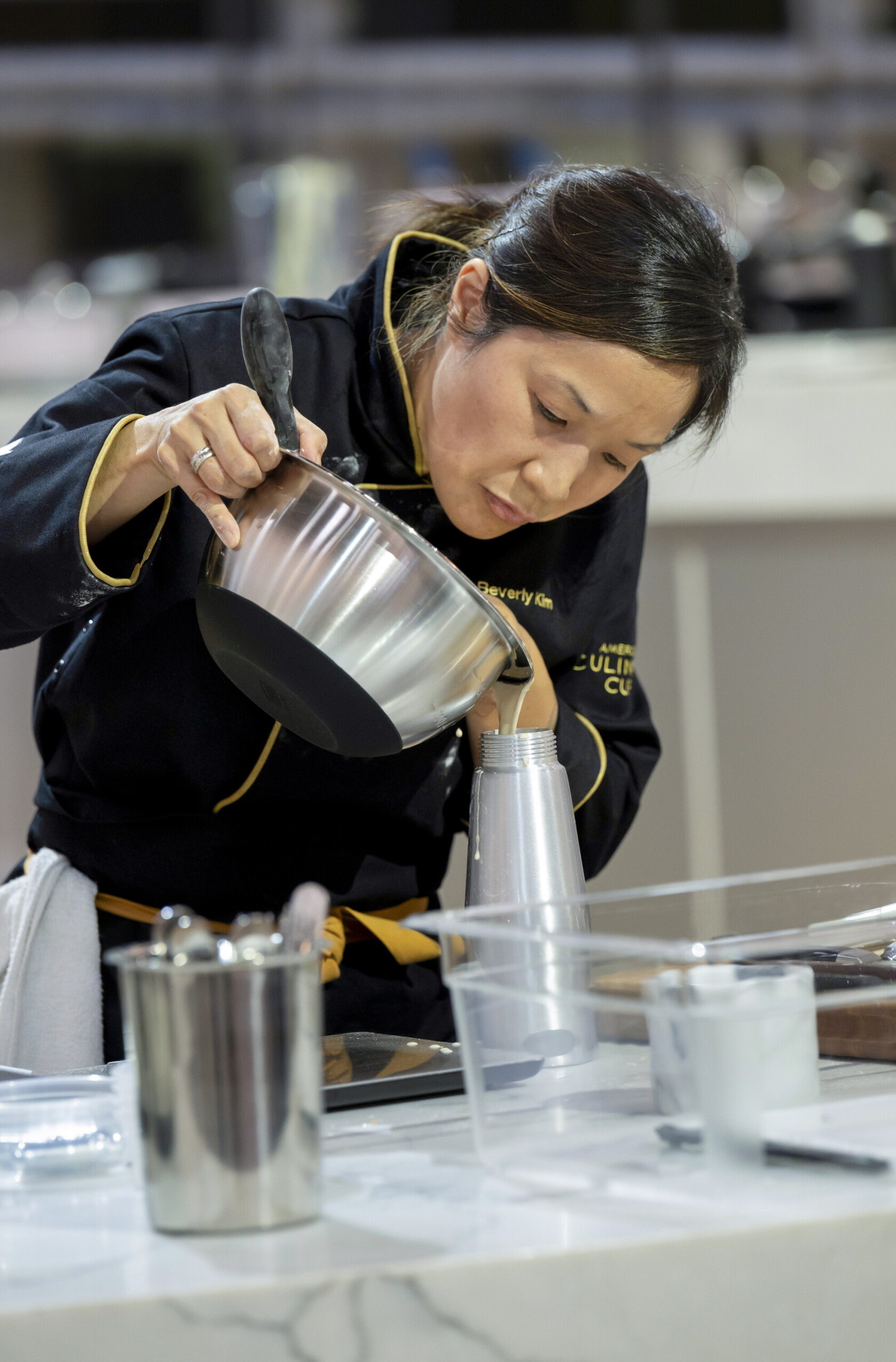
Unlike localized cooking shows or casual industry trade challenges, the Americas Culinary Cup operates under rigorous international tournament standards. Competitors do not simply prepare tasting plates for show; they execute multi-course menus under real-time kitchen stress, strict timer pressure, and microscopic scrutiny by certified international judges.
The event fulfills three primary roles in the global gastronomy ecosystem:
- Regional Benchmark: It establishes baseline standards for culinary technique, sanitation, and menu design across the Americas.
- Global Qualification Pathway: It acts as an official continental gateway for high-stakes worldwide finals, including the Worldchefs Global Chefs Challenge and the Bocuse d'Or World Final in Lyon.
- Cultural Exchange Platform: It encourages chefs to showcase indigenous ingredients, native heritage techniques, and regional biodiversity while adhering to modern international culinary protocols.
Competition Categories and Event Divisions
To reflect the diverse disciplines within modern commercial kitchens, the Americas Culinary Cup is divided into several structured competition tracks. Each track possesses its own distinct rulebook, time allowances, and menu specifications.
1. Senior National Culinary Team Division
The flagship division features national teams nominated by their respective country's official culinary association (such as the American Culinary Federation or equivalent Latin American federations). Teams usually consist of a Team Captain, a Lead Chef, a Pastry Specialist, and an apprentice (commis). They are required to prepare a formal three-course menu for a designated number of covers (often 10 to 12 guest covers plus jury plates) within a strict 5-to-6-hour continuous window.
2. Junior Culinary Division (Under 25)
Designed to nurture young talent, the Junior Division pits apprentice chefs and culinary students against one another. Competitors in this track must demonstrate fundamental classical techniques—such as precise knife cuts (julienne, brunoise), emulsion sauces, thermal protein control, and efficient bench management—under tight time constraints.
3. Pastry Arts and Confectionery
This specialized track focuses exclusively on the pastry kitchen. Competitors are evaluated on chocolate showpieces, sugar work, modern plated desserts, and banquet tortes. Judges look for structural stability, temper consistency, balance of sugar and acidity, and architectural creativity.
4. Hot Kitchen Live vs. Cold Display Art
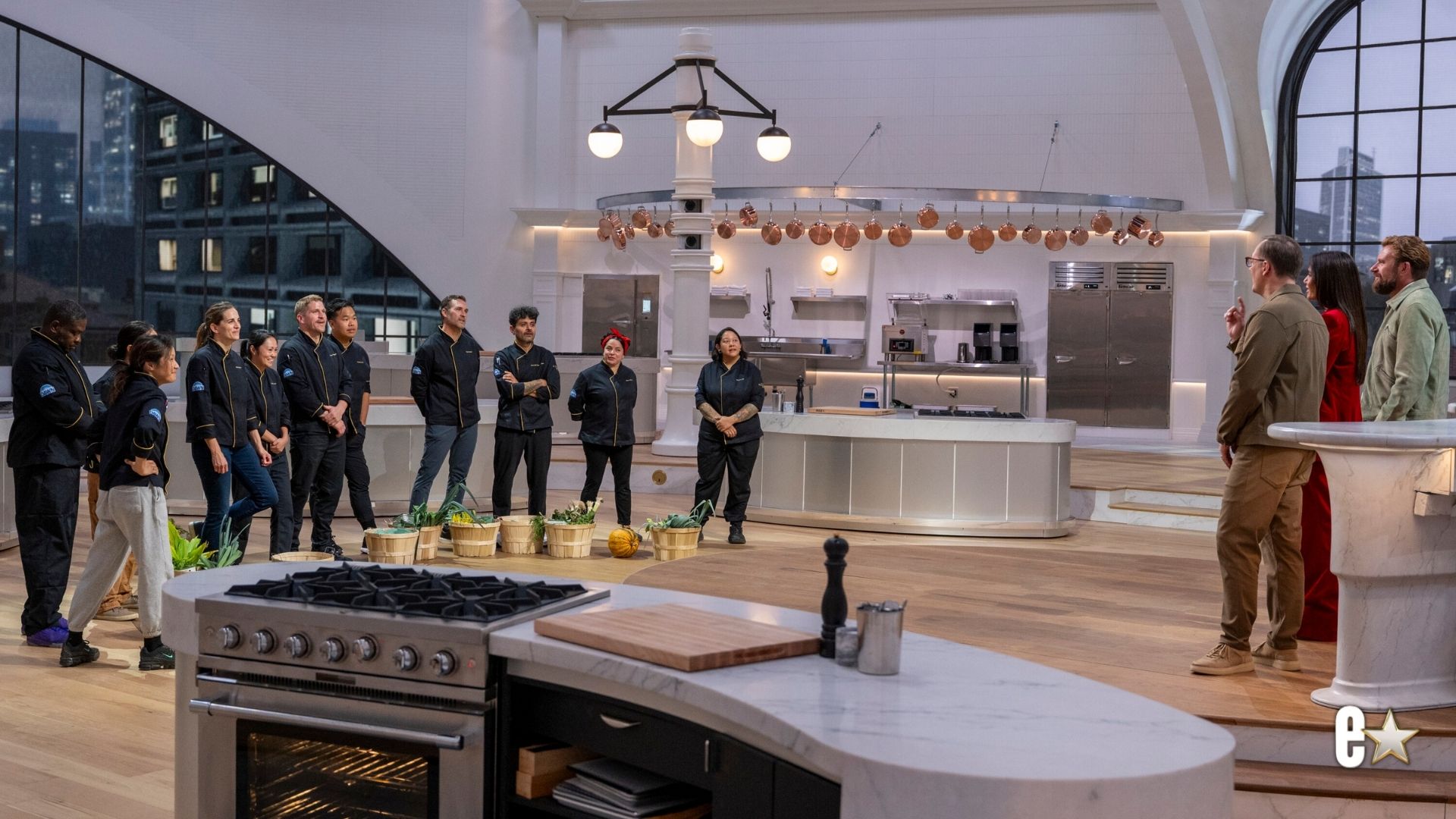
- Hot Kitchen Live: Chefs build dishes from raw ingredients inside fully equipped modular kitchens (boxes) set up on the competition floor, watched continuously by floor judges.
- Cold Display (Culinary Art): Chefs prepare elaborate cold platters, finger foods, or showpieces glazed with aspic to preserve appearance. This format tests symmetry, structural design, color harmony, and delicate preservation techniques.
Technical Rules and Kitchen Operations
Executing a winning menu at the Americas Culinary Cup requires absolute adherence to standardized competition guidelines. A minor operational failure in the box can result in severe point deductions or disqualification.
| Time Window | Activity |
|---|---|
| Hour 0:00 - 1:00 | Setup, Equipment Calibration & Ingredient Inspection |
| Hour 1:00 - 4:00 | Base Production, Stocks, Sauces & Component Prep |
| Hour 4:00 - 5:00 | Final Protein Assembly, Plating & First Course Out |
| Hour 5:00 - 6:00 | Main Course & Dessert Service / Final Sanitation |
Mise en Place Restrictions
Competitors must strictly observe regulations governing advance preparation (mise en place). Vegetables must be unpeeled and uncut, stocks must be unclarified or cooked on-site, and proteins must arrive raw and whole (though basic butchery prep rules vary depending on the specific category syllabus). Bringing pre-made sauces, flavored oils, or pre-cut garnish elements results in immediate point penalties administered by the floor judges.
The Mystery Basket Challenge
In select live individual formats within the Cup, chefs are presented with a hidden box of mandatory ingredients 30 to 60 minutes before cooking begins. The chef must draft a balanced menu on the spot, incorporating all mandatory components, managing inventory efficiently, and minimizing food waste.
Time Management and Service Windows
Plating times are enforced down to the second. Dishes presented outside the designated service window incur automatic penalty points:
- 1 to 5 Minutes Late: Minor point deduction applied to the service score.
- 5 to 15 Minutes Late: Heavy point penalty across technical execution categories.
- Beyond 15 Minutes Late: The jury may refuse to grade the course, resulting in zero points for that segment.
Judging Mechanics and Scoring System
The Americas Culinary Cup uses a standardized 100-point scoring matrix modeled after Worldchefs international competition criteria. Evaluation is divided between Kitchen Bench Judges (who remain inside the kitchen modules observing workflow) and the Tasting Jury (who evaluate the finished plates in a separate room).
- 100-Point Evaluation Matrix
- Taste & Flavor Balance (50 Points)
- Professional Preparation & Technique (20 Points)
- Visual Presentation & Service (15 Points)
- Hygiene, Food Safety & Ergonomics (10 Points)
- Waste Management & Sustainability (5 Points)
Breakdown of Scoring Categories
1. Taste and Flavor Balance (50 Points)
Flavor remains the single heaviest weighted component. Judges assess the harmony of ingredients, thermal temperature of the food upon arrival, correct seasoning, sauce consistency, and the complementary nature of textures (e.g., crisp vs. smooth elements). Over-seasoning, under-cooked proteins, or cold sauces lead to significant point drops.
2. Professional Preparation and Technical Skill (20 Points)
Bench judges inspect knife handling, classical technique mastery, correct cooking methods (poaching, searing, braising), and efficiency. Using improper techniques for a specific cut of meat or exhibiting poor knife control immediately reduces this score.
3. Visual Presentation and Innovation (15 Points)
Plates must exhibit modern aesthetic appeal without sacrificing practical culinary utility. Judges scrutinize portion balance (ratio of protein to starch, vegetable, and sauce), natural color contrast, cleanliness of plate rims, and structural logic. Overly manipulated food that loses its culinary integrity is penalized.
4. Hygiene, Food Safety, and Ergonomics (10 Points)
Competitors are evaluated on Hazard Analysis Critical Control Point (HACCP) compliance. Bench judges monitor cross-contamination risks, correct usage of color-coded cutting boards, internal core temperature control for meats, and personal hygiene.
5. Waste Management and Sustainability (5 Points)
In modern culinary judging, raw material yield is closely tracked. Leaving usable meat on bone carcasses or excessively trimming vegetables without repurposing scraps into stocks or secondary elements leads to deductions in this category.
How the Americas Culinary Cup Compares to Other Global Contests
Understanding where the Americas Culinary Cup fits within the hierarchy of international cooking competitions helps contextualize its prestige and technical scope.
| Feature / Metric | Americas Culinary Cup | Bocuse d'Or Final (Lyon) | IKA / Culinary Olympics | Worldchefs Global Chefs Challenge |
|---|---|---|---|---|
| Primary Scope | Continental (Americas & Caribbean) | Global Elite Individual | Global National & Junior Teams | Global Federation Champions |
| Organizing Body | Regional Federations / Worldchefs | Bocuse d'Or Winners Academy | VDK (German Chefs Association) | Worldchefs (WACS) |
| Format Focus | Live Hot Kitchen / Mystery Basket | Highly Engineered Platter & Plate | Cold Display & Mass Hot Catering | Structured Live Hot Kitchen |
| Commis Role | Required in Team Divisions | Mandatory (Must be under 23) | Varies by Division | Mandatory for Junior Division |
| Primary Goal | Regional Championship & Qualification | World Championship Title | Olympic Gold / Continental Prestige | World Championship Title |
| Team Size | 2–4 Culinary Professionals | 1 Candidate + 1 Commis + 1 Coach | Up to 6 Core Chefs + Support | 1 Chef + 1 Commis |
Preparation and Strategic Workflow for Teams
Preparing for the Americas Culinary Cup requires months of rigorous physical, technical, and logistical preparation. Successful teams approach the tournament with the precision of high-level athletic training.
- Preparation Timeline Model
- Months 12–9: Concept Development, Recipe Testing, & Ingredient Sourcing
- Months 8–5: Component Optimization, Time-Motion Audits, & Plate Design
- Months 4–2: Full-Scale Timed Mock Runs with External Expert Juries
- Month 1: Logistics Locking, Equipment Packing, & Mental Prep
1. Recipe Engineering and Costing
Teams begin by analyzing the official ingredient list and competition theme. Recipes are developed with precise gram-level weight specifications to guarantee consistency. Chefs conduct yield tests to maximize ingredient utilization and satisfy waste management requirements.
2. Time-Motion Studies and Station Mapping
To complete complex multi-course meals within five hours, teams map out every physical movement within the kitchen box. Every pot, pan, utility tray, and utensil has a predetermined location. Chefs train to work synchronously, ensuring that one team member's movement does not obstruct another's workflow during critical plating windows.
3. Timed Mock Trials
Top-tier national teams execute dozens of timed practice runs in replica kitchens. External judges—often former international competition winners or certified Worldchefs judges—are brought in to critique the food under simulated competition stress. Feedback from these trials is used to refine plating speed, sauce viscosity, and temperature management.
4. Logistics and Mobile Kitchen Assembly
Transporting specialty equipment, thermal immersion circulators, induction burners, molded silicone forms, and custom plateware across international borders requires meticulous customs documentation. Teams must build custom flight cases to safely transport delicate cookware and specialized tools to the host venue.
Common Pitfalls and Technical Disqualifications
Even experienced chefs can fail in the competition box due to manageable operational errors. Common reasons teams lose points or face disqualification include:
- Non-Compliant Mise en Place: Arriving at the kitchen station with pre-peeled garlic, pre-chopped herbs, or pre-portioned proteins.
- Cross-Contamination Violations: Failing to sanitize color-coded cutting boards after handling raw poultry or seafood.
- Plate Temperature Deficiencies: Serving warm mains on unheated plates or cold desserts on warm plates, which drastically affects the flavor score.
- Over-Complication at the Expense of Flavor: Prioritizing elaborate decorative garnishes while delivering under-seasoned or lukewarm core components.
- Ignoring Sanitation at Time-Out: Failing to return the kitchen module to pristine, sanitized condition at the end of the cooking time, which triggers late-stage penalty deductions.
Frequently Asked Questions
What is the primary difference between the Americas Culinary Cup and the Bocuse d'Or Americas?
While both are premier continental competitions in the Western Hemisphere, the Bocuse d'Or Americas specifically acts as the official qualifier for the biennial Bocuse d'Or World Final in Lyon, focusing heavily on individual candidate-and-commis pairings executing large silver platter presentations. The Americas Culinary Cup encompasses broader multi-team, junior, pastry, and regional categories under Worldchefs or Pan-American framework guidelines.
Who is eligible to represent a nation in the competition?
Eligibility depends on the specific category. For national team tracks, chefs must hold citizenship or verified long-term residency in the country they represent and be endorsed by that country's official culinary association. Junior division competitors must meet age thresholds (typically under 25 years old on the date of the competition).
How are dietary restrictions handled in the menu design?
Official competition syllabi specify mandatory themes (such as plant-based mains or specific fish/meat selections). Unless explicitly noted in the tournament rules, menus are judged on culinary excellence rather than general customer dietary accommodations, though teams must accurately declare all allergen profiles on their submitted menu cards.
Can independent, unattached chefs enter the competition?
Some open individual categories allow individual professional chefs or culinary students to register independently. However, official National Division team slots are strictly governed and assigned by recognized national culinary federations.
How do bench judges assess kitchen hygiene during live cooking?
Bench judges constantly monitor work stations during production. They check wash basin water temperatures, verify that tasting spoons are discarded after a single use, ensure raw proteins are held below danger-zone temperatures, and check that waste bins are properly sorted.
Recommended Next Steps for Aspiring Competitors
For culinary professionals, coaches, and students aiming to enter the Americas Culinary Cup, success requires early, methodical preparation:
- Review Official Syllabi: Obtain the current year’s official rulebook from Worldchefs or your national culinary federation to verify category requirements, dish counts, and time allowances.
- Join Your National Federation: Secure membership in your home country’s recognized culinary association to gain access to national team selection trials and regional workshops.
- Master Classical Fundamentals: Focus on core techniques—knife accuracy, classic French sauce derivations, thermal protein execution, and butcher prep—before attempting complex modern presentations.
- Audit Local Competitions: Attend regional or national culinary salon events as a spectator or assistant commis to study station setup, timer dynamics, and jury interactions firsthand.
Image Gallery