Hyundai Engine Light: What It Means and How to Respond
A Hyundai check engine light signals that your vehicle's On-Board Diagnostics (OBD-II) system has detected a fault in the engine, transmission, or emissions control system. A solid light indicates a non-emergency issue that requires pr...
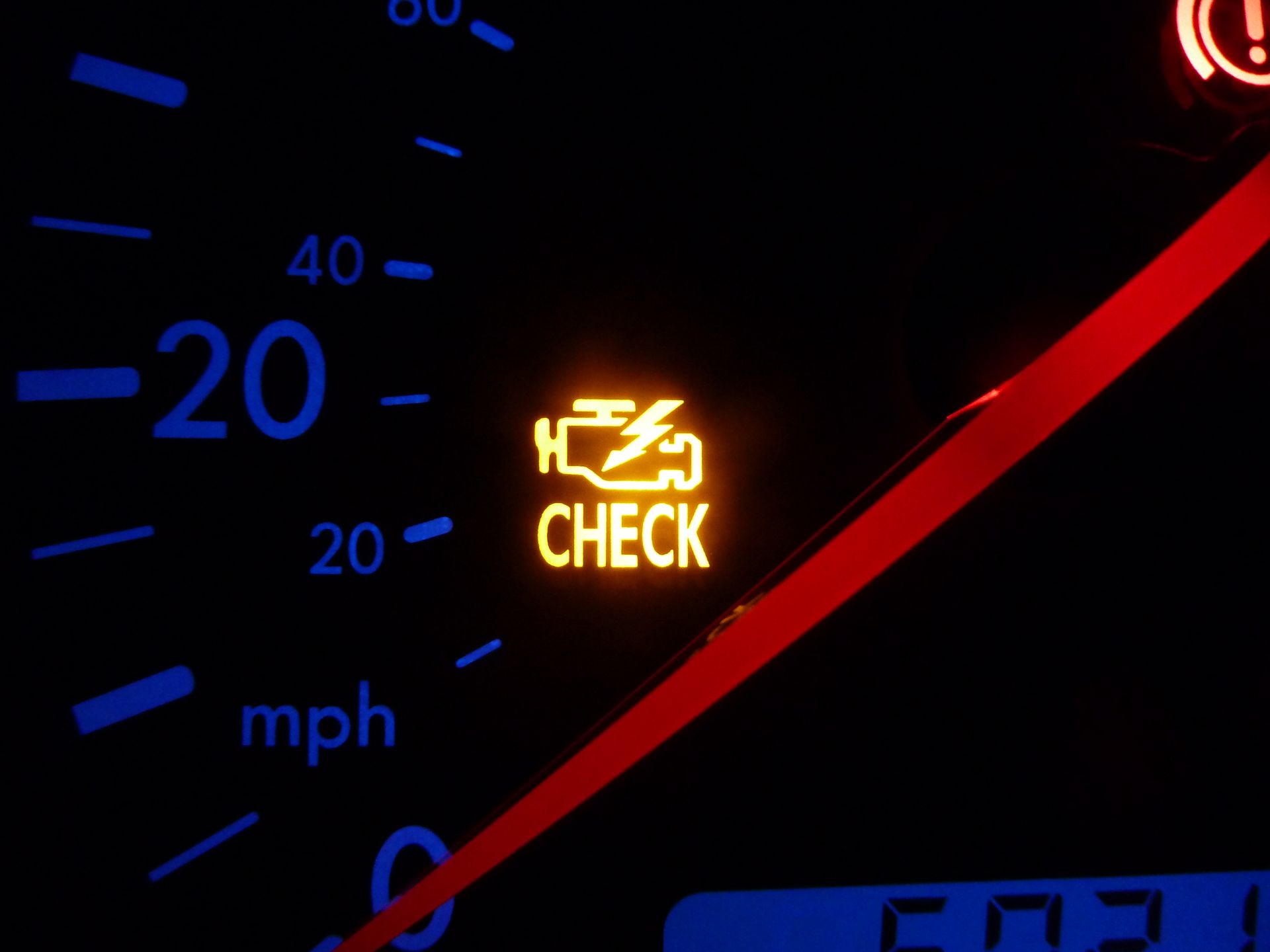
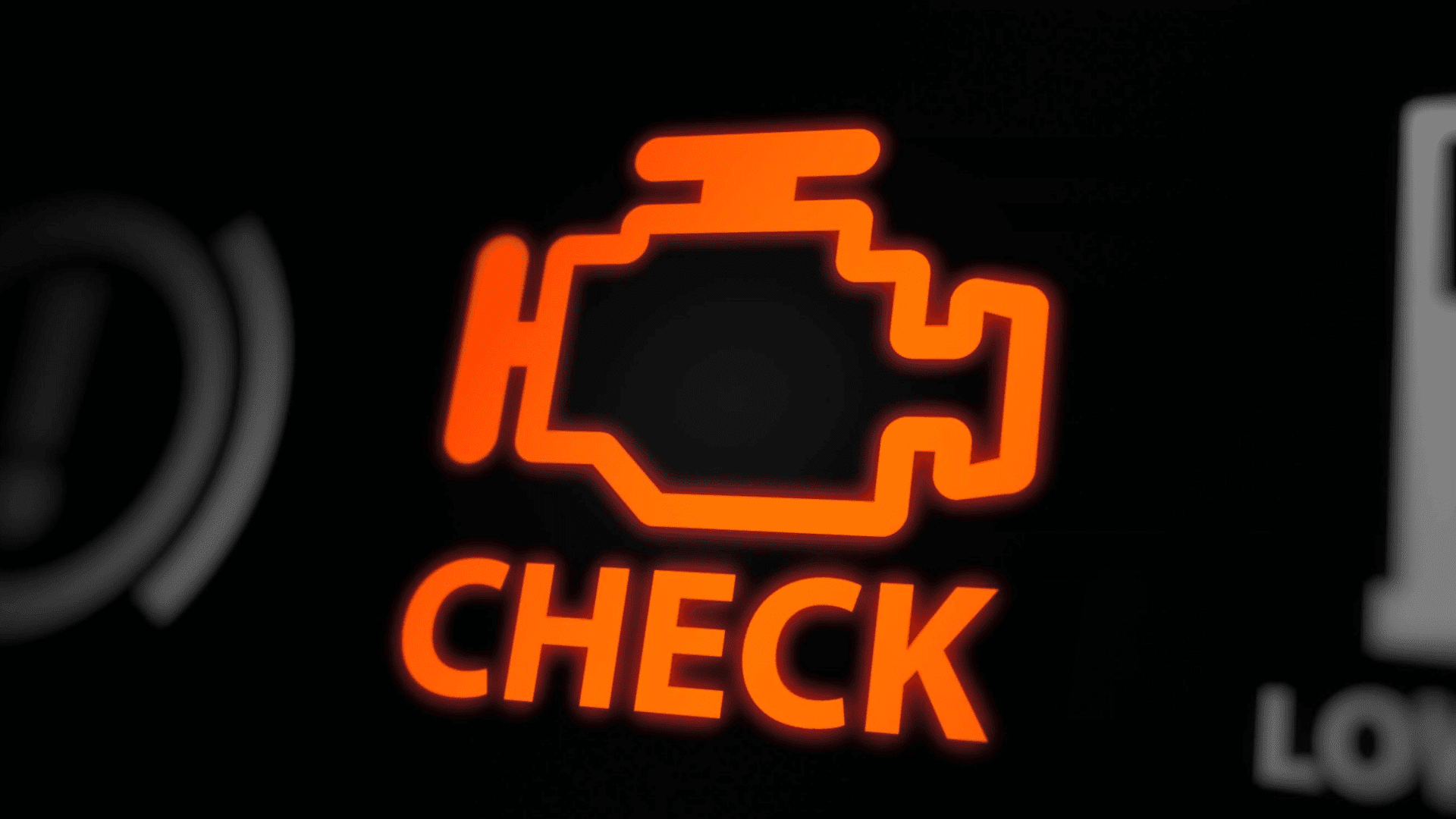
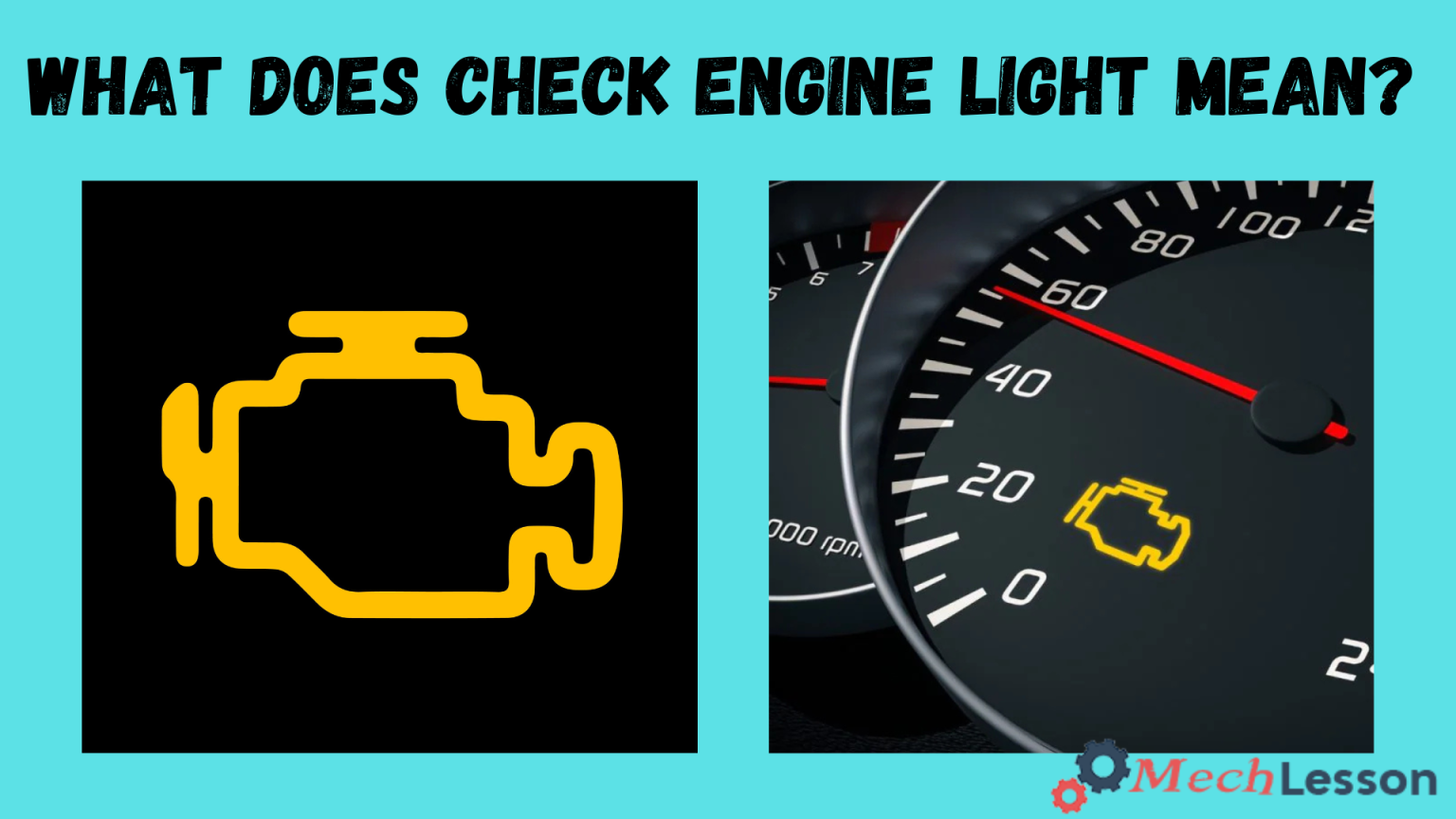
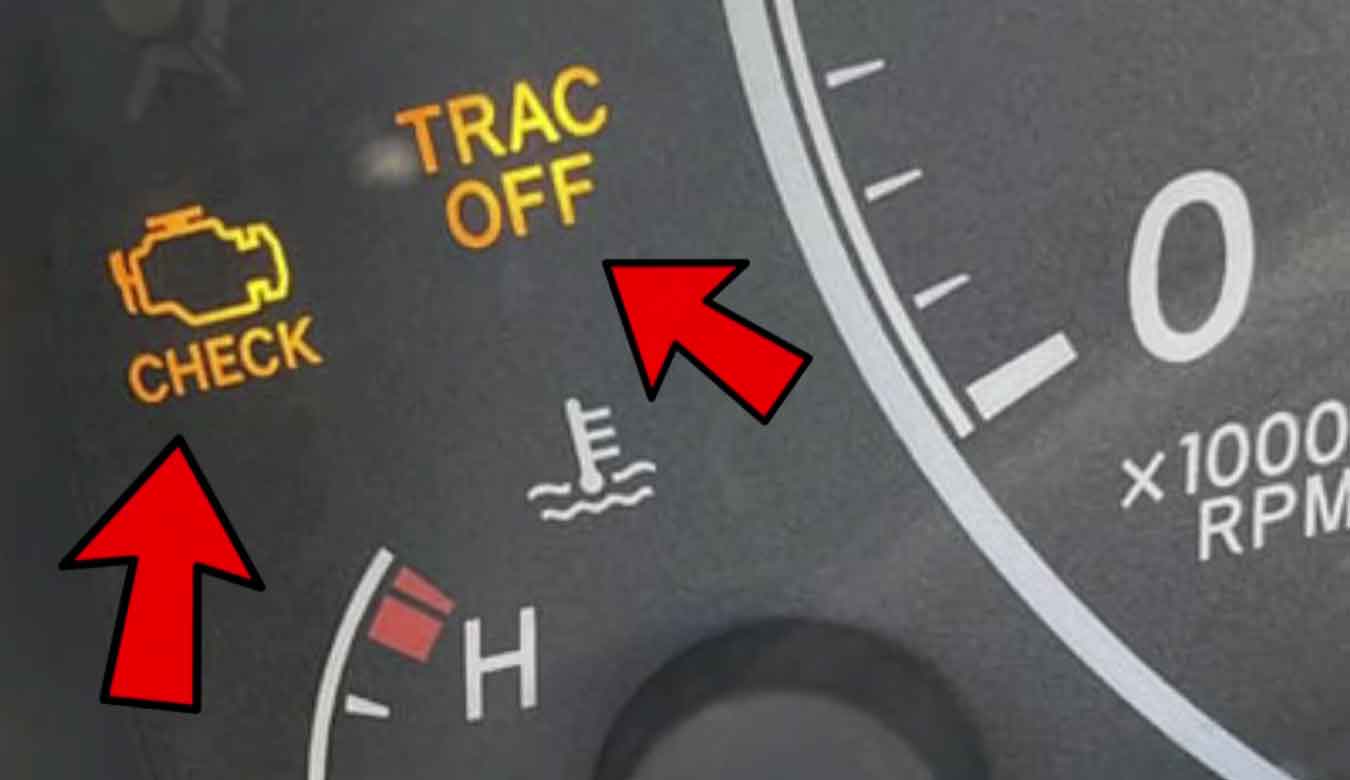
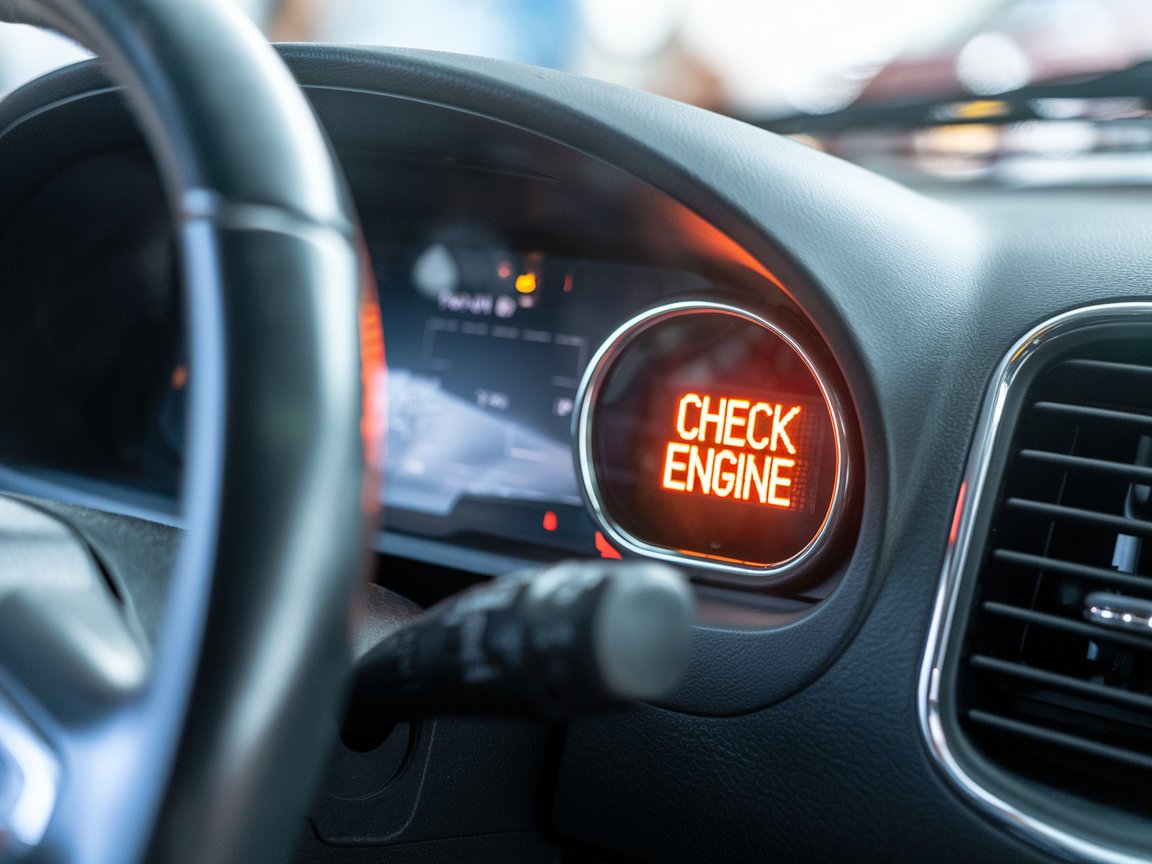
A Hyundai check engine light signals that your vehicle's On-Board Diagnostics (OBD-II) system has detected a fault in the engine, transmission, or emissions control system. A solid light indicates a non-emergency issue that requires prompt attention, whereas a flashing light signifies a severe engine misfire requiring immediate shutdown to prevent permanent catalytic converter damage.
Contents
Solid vs. Blinking Check Engine Light: Immediate Actions Required
Understanding the difference between a solid illumination and a rapidly flashing check engine light (also referred to as the Malfunction Indicator Lamp or MIL) is critical for protecting your engine from catastrophic failure and avoiding costly repair bills.
| Solid Yellow / Amber | Flashing / Blinking Light |
|---|---|
| Minor to moderate fault | Active engine misfire |
| Drive safely to destination | Unburned fuel in exhaust |
| Schedule diagnostic scan | IMPERATIVE: Stop vehicle safely |
Solid Check Engine Light
When the engine symbol on your Hyundai dashboard illuminates and remains steadily lit in yellow or amber, the On-Board Diagnostic system has recorded a fault code. While the issue requires investigation, a solid light generally indicates that the car's engine management computer has adjusted operational parameters into a "limp home" or safe fallback mode.
- Driving Safety: You can usually continue driving to your destination or a local service center.
- Operational Caution: Avoid heavy acceleration, towing heavy loads, or high-speed driving while the light remains active.
- Urgency: Schedule a diagnostic check within a few days to identify the underlying Cause before secondary damage occurs.
Blinking or Flashing Check Engine Light
A flashing check engine light is an urgent warning indicating an active, severe engine misfire. When a cylinder fails to ignite properly, unburned fuel flows directly out of the combustion chamber and enters the exhaust system. This raw fuel ignites inside the high-temperature environment of the catalytic converter, causing internal temperatures to surge beyond safe limits and melting the ceramic honeycomb core within minutes.
- Immediate Action: Safely pull off the roadway as soon as traffic permits.
- Engine Shutdown: Turn off the ignition immediately to stop fuel flow to the affected cylinder.
- Towing: Do not attempt to drive the vehicle further. Contact road assistance or a towing service to transport your Hyundai to a repair facility.
Most Common Causes of a Hyundai Check Engine Light
Modern Hyundai vehicles—including popular models like the Elantra, Sonata, Tucson, Santa Fe, Kona, and Palisade—rely on a complex network of engine sensors. A failure or out-of-range reading from any of these components will trigger a diagnostic trouble code (DTC).
1. Loose or Damaged Gas Cap (EVAP System Leak)
The Evaporative Emission Control (EVAP) system prevents gasoline vapors from escaping into the atmosphere. The gas cap acts as a critical pressure seal for this system. If the cap is loose, cracked, or has a worn rubber gasket, fuel vapors escape, causing a drop in system pressure that the Engine Control Module (ECM) detects during automated leak testing.
- Symptoms: Solid check engine light, often accompanied by a "Check Fuel Cap" message on newer digital Hyundai displays.
- Code Range: Typically triggers codes P0440, P0442, or P0455 (evaporative emission system leak).
- Fix: Tighten the gas cap until it clicks, or replace a damaged cap with an OEM Hyundai gas cap.
2. Oxygen Sensor (O2 Sensor) Failure
Hyundai engines typically utilize upstream and downstream oxygen sensors to measure the amount of unburned oxygen in the exhaust gases. The ECM uses this data to continually adjust the air-fuel ratio for optimal efficiency and emissions. Over time, soot accumulation and thermal stress degrade sensor responsiveness.
- Impact: Driving with a bad O2 sensor can decrease fuel economy by up to 40% and accelerate wear on the catalytic converter.
- Code Range: Commonly triggers codes P0130 through P0167.
3. Catalytic Converter Degradation
The catalytic converter reduces toxic exhaust gas emissions by converting hydrocarbons, carbon monoxide, and nitrogen oxides into less harmful substances. Catalytic converters rarely fail on their own; they usually deteriorate due to prolonged misfires, contaminated oil consumption, or aging O2 sensors.
- Impact: Reduced engine performance, sluggish acceleration, and failed state emissions inspections.
- Code Range: Frequently triggers code P0420 (Catalyst System Efficiency Below Threshold).
4. Ignition Coil Pack and Spark Plug Misfires
Hyundai's Gasoline Direct Injection (GDI) engines place high demands on ignition systems. Over time, spark plug electrodes wear down, widening the gap and requiring higher voltage to spark. If spark plugs or coil packs fail, the air-fuel mixture in the cylinder fails to ignite properly.
- Impact: Engine hesitation, rough idling, loss of power, and potential flashing engine light during heavy acceleration.
- Code Range: Triggers P0300 (random/multiple cylinder misfire) or specific cylinder codes P0301 through P0306.
5. Mass Air Flow (MAF) or Manifold Absolute Pressure (MAP) Sensor Faults
The MAF or MAP sensor calculates the mass or density of air entering the engine intake manifold. The ECM uses this measurement to calculate the exact volume of fuel to inject into each cylinder. Dirt, oil buildup, or internal electrical failure can disrupt these readings.
- Impact: Engine stalling, rough idle, poor fuel economy, and hesitation under load.
- Code Range: Triggers codes P0100 through P0104 (MAF) or P0105 through P0109 (MAP).
6. Knock Sensor Detection System (KSDS) and Code P1326
Many modern Hyundai vehicles equipped with Theta II 2.4-liter and 2.0-liter turbocharged GDI engines, as well as certain Nu and Gamma engines, feature software updates implementing the Knock Sensor Detection System (KSDS). This software continuously monitors engine vibration patterns using the knock sensor to detect abnormal signals caused by early rod bearing wear.
If you suspect your vehicle is impacted by software updates or safety recalls related to engine components, verify your vehicle's status on the National Highway Traffic Safety Administration (NHTSA) safety portal using your 17-digit Vehicle Identification Number (VIN).
- Impact: When KSDS detects abnormal bearing vibration, it triggers Diagnostic Trouble Code P1326 and puts the vehicle into "Limp Home Mode," limiting maximum engine RPM (typically capped around 1,800 to 2,000 RPM) to protect the engine block from catastrophic failure.
- Action: Vehicle must be diagnosed by a certified Hyundai technician to perform engine bearing clearance testing.
How to Read Diagnostic Trouble Codes (DTCs) on a Hyundai
Instead of guessing why the light is illuminated, reading the stored diagnostic trouble codes provides the exact fault path identified by the vehicle's computer.
Step 1: Locate the OBD-II Port
In virtually all Hyundai vehicles built after 1996, the standardized OBD-II 16-pin diagnostic port is located beneath the driver's side dashboard. Look near the fuse box panel, directly below the steering column, or behind a small removable panel labeled "OBD" near your left knee.
- Driver Dashboard
- Steering Wheel
- Fuse Panel
- OBD-II Port Here
Step 2: Connect an OBD-II Diagnostic Tool
- Turn off your vehicle's ignition completely.
- Insert the cable or wireless dongle of your OBD-II scanner securely into the port.
- Turn the ignition switch to the ON / RUN position without starting the engine (for push-button start models, press the START button twice without pressing the brake pedal).
- Select "Read Codes" or "Scan" on your OBD-II diagnostic tool interface.
Common Hyundai Diagnostic Codes
| Code | Standard Definition | Common Cause in Hyundai Vehicles |
|---|---|---|
| P0300 - P0304 | Cylinder Misfire Detected | Worn spark plugs, failing ignition coil packs, or carbon-fouled GDI intake valves. |
| P0420 | Catalyst System Efficiency Below Threshold | Damaged catalytic converter, failing downstream O2 sensor, or exhaust leak. |
| P0442 / P0455 | EVAP System Leak (Small / Large) | Loose, damaged, or missing gas cap; leaking EVAP purge valve or charcoal canister. |
| P0135 | O2 Sensor Heater Circuit (Bank 1 Sensor 1) | Burnt-out heating element within the upstream oxygen sensor. |
| P0011 / P0014 | Camshaft Position Timing Over-Advanced | Low engine oil level, dirty engine oil clogging the CVVT solenoid, or failing oil control valve. |
| P1326 | Knock Sensor Detection System (KSDS) Signal | Abnormal vibration detected in crankshaft/connecting rod bearings (Hyundai safety update). |
Step-by-Step Response Guide: What to Do When the Light Comes On
Follow this systematic procedure when your Hyundai displays an illuminated engine symbol:
Step 1: Assess Dashboard Indicators Immediately
Look at your instrument cluster for additional warning lights:
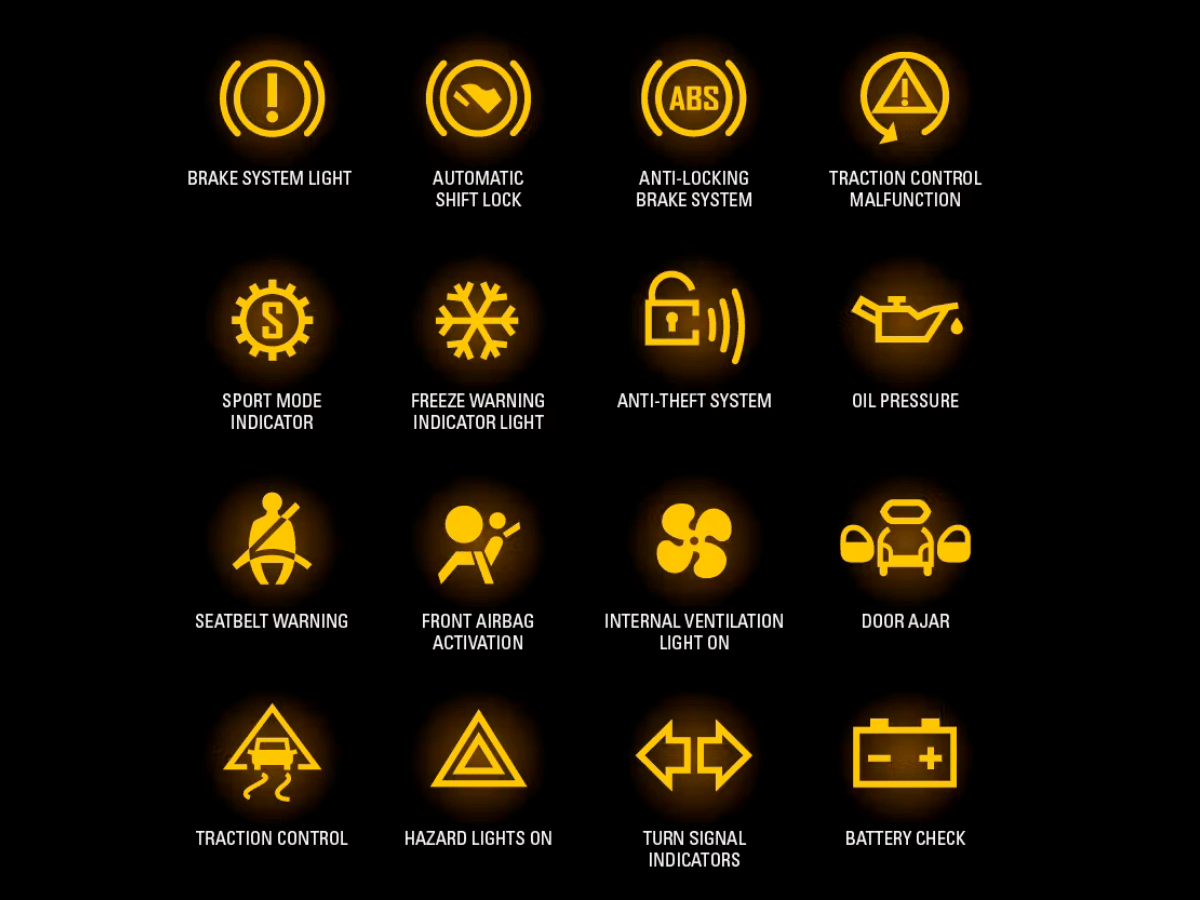
- Engine Temperature Gauge: If the temperature gauge is reading high or pointing in the red zone, pull over immediately. Engine overheating rapidly warps aluminum cylinder heads.
- Oil Pressure Warning Light: If a red oil can symbol appears alongside the engine light, turn off the engine immediately. Low oil pressure causes engine destruction within seconds.
Step 2: Check the Fuel Cap
If the engine light is solid and the car drives smoothly without unusual noises, park safely and turn off the engine. Open the fuel door, remove the gas cap, inspect the rubber seal for debris or cracks, reattach it, and turn it clockwise until it clicks firmly.
Step 3: Perform an OBD-II Code Scan
Use an handheld OBD-II code reader or visit a local auto parts store, many of which provide complimentary diagnostic scans. Write down the 5-digit diagnostic code (e.g., P0301) and freeze-frame data.
Step 4: Schedule Repair Based on Urgency
- Minor (EVAP / Cap): The light may take 3 to 5 normal drive cycles to automatically clear after tightening or replacing the gas cap.
- Moderate (Sensors / Solenoids): Schedule an appointment with a repair facility within the week to replace failed sensors and restore engine efficiency.
- Severe (Blinking Light / Code P1326): Transport the vehicle via flatbed tow truck to a dealership or certified facility.
Hyundai Engine Light Action Matrix
Use this quick-reference table to evaluate warning light symptoms and plan your immediate course of action.
| Dashboard Warning | Engine Behavior | Risk Level | Required Action |
|---|---|---|---|
| Solid Engine Light Only | Vehicle operates smoothly; no loss of power. | Low / Moderate | Tighten gas cap. Check oil level. Scan OBD-II codes within 48 hours. |
| Solid Light + Reduced Power | Engine revs capped at ~2000 RPM (Limp Mode). | High | Safely drive to a nearby shop or dealership. Common with KSDS Code P1326. |
| Solid Light + High Temp Gauge | Engine runs hot or needle enters red zone. | Extreme | Pull over safely immediately. Turn off engine to prevent warped cylinder head. |
| Flashing / Blinking Engine Light | Rough idling, severe shaking, exhaust popping. | Extreme | Stop vehicle immediately. Turn off engine. Tow to repair shop to protect catalytic converter. |
| Solid Light + Battery Symbol | Headlights dim; electronics glitching. | Moderate / High | Charging system fault (alternator/serpentine belt). Limit power use; drive straight to service. |
Will a Hyundai Check Engine Light Clear Itself?
Yes, a Hyundai check engine light can clear itself, but only if the underlying fault condition is resolved.
The Drive Cycle Reset Process
The ECM continuously runs self-diagnostic tests during normal driving routines called "drive cycles." A typical Hyundai drive cycle requires:
- Cold start (engine coolant temperature below 122°F / 50°C).
- Accelerating smoothly to 50–60 mph and maintaining steady highway speed for 15–20 minutes.
- Decelerating smoothly to a stop without braking hard.
- Allowing the engine to idle for 2 minutes in Drive (or Neutral for manuals).
If the computer executes these tests 3 to 5 consecutive times without detecting the original failure (such as after tightening a loose gas cap), the ECM will automatically turn off the check engine light.
Manual Clearing vs. Fixing the Problem
Using an OBD-II scanner to clear diagnostic codes resets the computer's readiness monitors and turns off the light temporarily. However, if the physical problem (such as a bad O2 sensor or faulty coil pack) has not been repaired, the ECM will detect the fault again as soon as its self-diagnostic tests run, turning the light back on.
Frequently Asked Questions
Can I drive my Hyundai with a solid check engine light?
Yes, in most cases you can safely drive a short distance with a solid check engine light, provided the vehicle is driving smoothly and no red critical warnings (such as high coolant temperature or low oil pressure) are lit. However, arrange to diagnostic scan the vehicle as soon as possible to prevent minor issues from turning into major repairs.
Why is my Hyundai engine light on after an oil change?
An engine light popping up shortly after an oil change is usually caused by an improperly seated oil dipstick, a loose oil filler cap, or an inadvertently disconnected air intake tube or sensor connector near the air filter box. Ensure all caps, dipsticks, and electrical connections in the engine bay are secure.
What does code P1326 mean on a Hyundai?
Code P1326 indicates that Hyundai's Knock Sensor Detection System (KSDS) has detected vibration patterns consistent with potential connecting rod bearing wear. When triggered, the vehicle enters Limp Home Mode to protect the engine. This issue is covered under extended warranty campaigns for many affected Hyundai engines, and the vehicle should be evaluated by an authorized Hyundai dealer.
How long does it take for the light to go off after fixing the issue?
After resolving the underlying fault, the light typically turns off within 3 to 5 full drive cycles (usually 50 to 100 miles of mixed city and highway driving). Alternatively, a technician or car owner can clear the code manually using an OBD-II diagnostic scan tool.
Does Hyundai warranty cover check engine light diagnostics?
If your vehicle is within Hyundai's 5-Year/60,000-Mile New Vehicle Limited Warranty or 10-Year/100,000-Mile Powertrain Warranty (for original owners), diagnostics and repairs for covered components are typically included. Additionally, mandatory federal emissions warranties cover major emissions components (like the catalytic converter and engine control module) for up to 8 years or 80,000 miles under standards monitored by the U.S. Environmental Protection Agency.
Recommended Next Steps
If your Hyundai engine light has turned on:
- Observe the light status: Confirm whether the symbol is solid or blinking.
- Perform basic checks: Pull over safely to verify that your gas cap is tight and check engine oil and coolant levels.
- Obtain the diagnostic code: Plug in an inexpensive OBD-II scanner or visit a local automotive supply store for a complimentary scan.
- Schedule professional service: If the code indicates critical engine component failure, intake/exhaust timing faults, or code P1326, contact an authorized Hyundai service department or certified mechanic for formal repairs.
Image Gallery