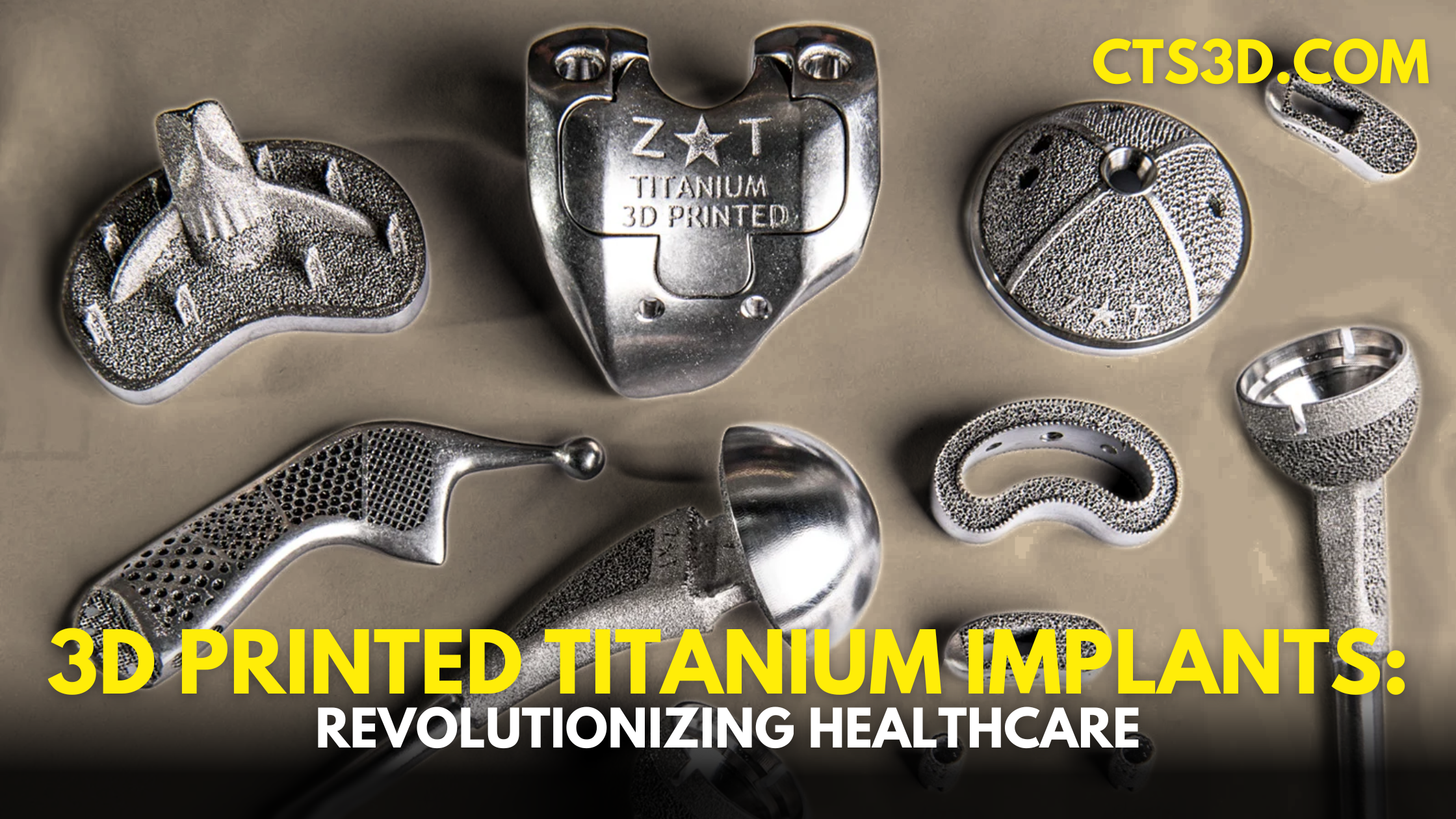
5 Emerging Trends in 3D Printed Orthopedic Implants
By 2026, additive manufacturing has transitioned from a specialized prototyping tool to a cornerstone of orthopedic surgery. These emerging trends focus on shifting from "off-the-shelf" components to personalized, bioactive, and data-i...
By 2026, additive manufacturing has transitioned from a specialized prototyping tool to a cornerstone of orthopedic surgery. These emerging trends focus on shifting from "off-the-shelf" components to personalized, bioactive, and data-integrated solutions that improve osteointegration, reduce recovery times, and optimize long-term mechanical stability for patients worldwide.
Contents
1. Hyper-Personalization and Patient-Specific Implants (PSI)
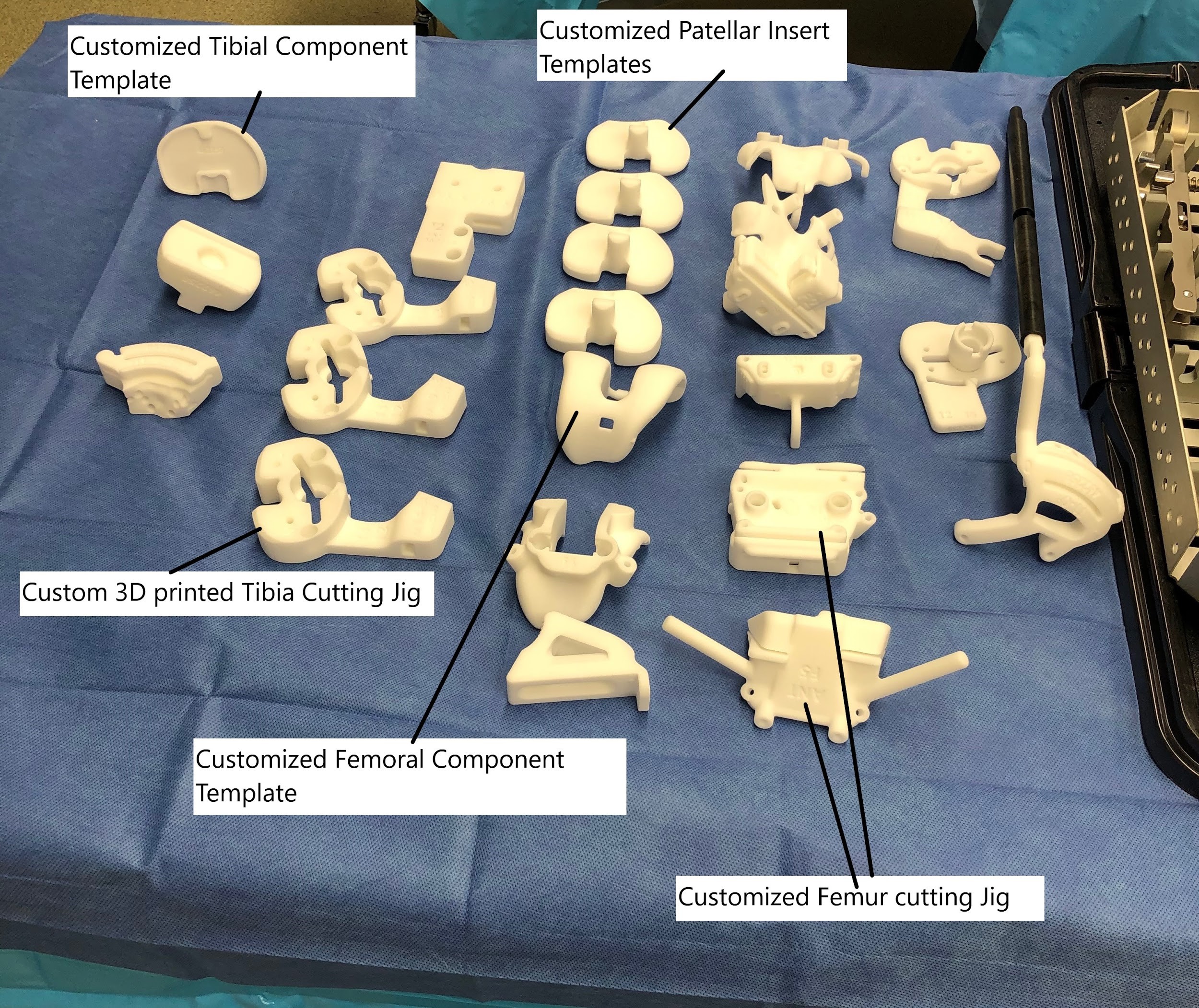
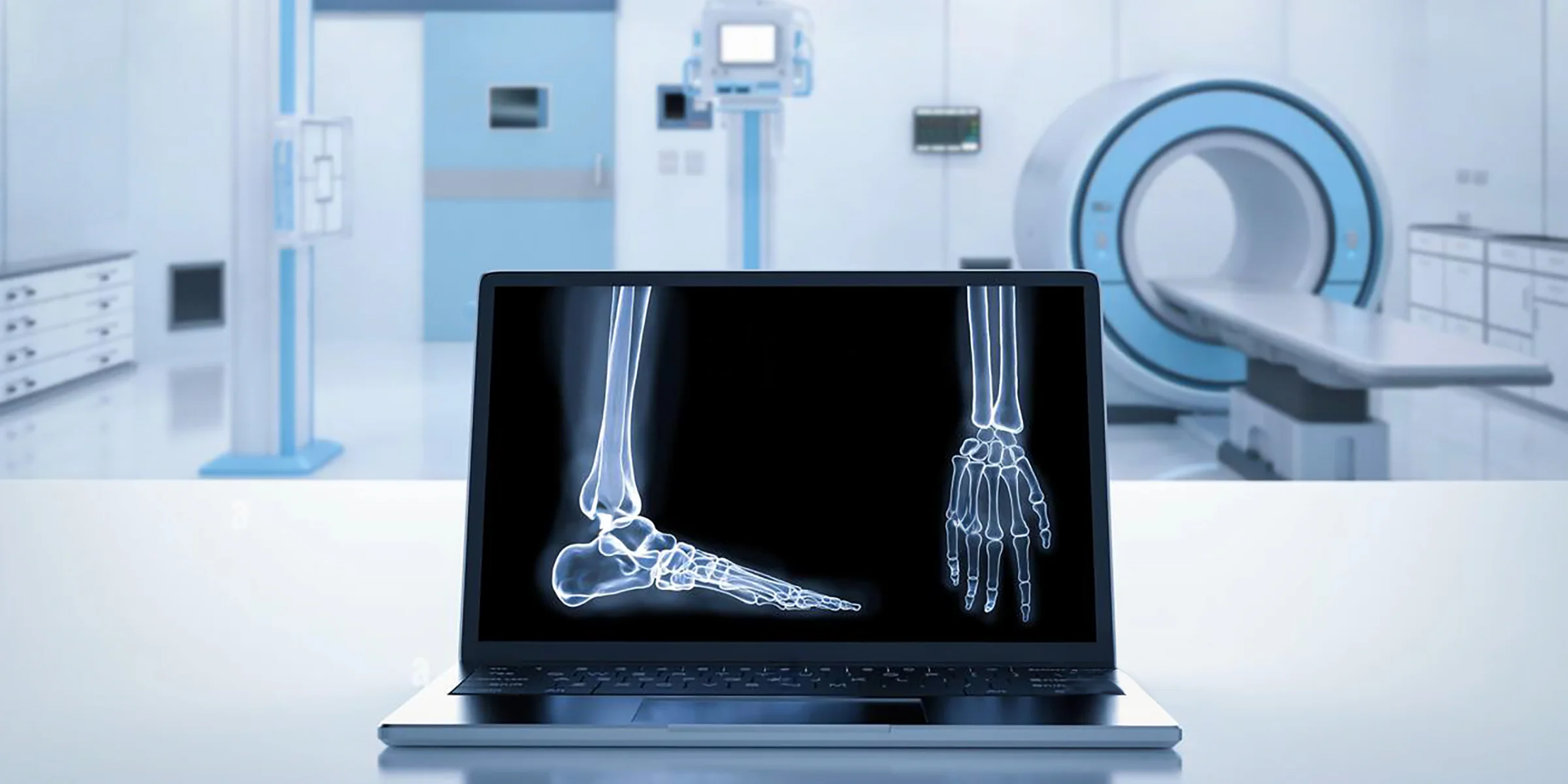
The most significant shift in orthopedic surgery is the transition from a discrete range of sizes (Small, Medium, Large) to Patient-Specific Implants (PSI). In 2026, the workflow from high-resolution CT or MRI scans to a finished titanium or polymer implant has been streamlined through automated segmentation software. This allows surgeons to treat complex anatomical deformities, massive bone loss due to oncology, or revision surgeries where standard hardware would fail.
The primary benefit of hyper-personalization is the preservation of healthy bone. Conventional implants often require the surgeon to "prepare" (remove) healthy bone to fit the geometry of the pre-fabricated metal. 3D printing allows the implant to be designed around the patient’s existing anatomy. This is particularly critical in acetabular reconstructions and cranio-maxillofacial surgeries. By using Generative Design algorithms, engineers can now create implants that not only match the shape but also the specific density of the patient's surrounding bone, ensuring a more natural distribution of weight and stress.
Furthermore, PSI reduces "theatre time." Since the implant is designed to fit precisely into the surgical site, there is less intraoperative manipulation and trial-and-error. This efficiency reduces the duration of anesthesia and the risk of infection, providing a clear economic incentive for healthcare providers to adopt additive manufacturing for complex cases.
2. Bioactive Materials and Osteoinductive Scaffolds
While Titanium (Ti6Al4V) remains the gold standard for load-bearing 3D printed implants, 2026 marks a surge in Bioactive and Osteoinductive materials. The goal has shifted from creating an "inert" replacement to a "biological participant." Manufacturers are now 3D printing with advanced composites, such as Polyetheretherketone (PEEK) infused with carbon fibers or hydroxyapatite (HA).
The integration of HA and other bioceramics into the 3D printing process allows the implant to actively encourage bone cells (osteoblasts) to migrate and bond to the surface. This process, known as osteointegration, is vital for the long-term success of joint replacements. If an implant does not bond well with the host bone, it can become loose over time, leading to pain and the need for revision surgery.
Beyond permanent implants, resorbable scaffolds are gaining traction for non-load-bearing applications. These are 3D-printed structures made of biodegradable polymers that provide a temporary framework for bone regrowth. As the patient’s natural bone fills the scaffold, the 3D-printed material slowly dissolves, eventually leaving no foreign object in the body. This is a revolutionary approach for pediatric orthopedics, where the patient's skeleton is still growing and traditional metal hardware could cause developmental restrictions.
3. Integrated Smart Sensors and the "Internet of Implants"
As of 2026, the "Internet of Medical Things" (IoMT) has reached the interior of the human body. One of the most futuristic yet rapidly maturing trends is the integration of micro-sensors directly into 3D-printed orthopedic implants. Because additive manufacturing builds the implant layer-by-layer, it is now possible to leave internal cavities for housing miniaturized electronics without compromising the structural integrity of the device.
These smart implants can monitor several key metrics in real-time:
- Strain and Load: Sensors can detect if a patient is over-burdening a healing limb too early or if the implant is shifting under stress.
- Temperature and pH: Sudden changes in the local environment of the implant can provide early warnings of infection or inflammation weeks before physical symptoms appear.
- Healing Progress: By measuring changes in electrical impedance, sensors can estimate the density of the new bone forming around the implant.
This data is transmitted wirelessly to the patient’s smartphone and then to the clinical team. This shift toward proactive post-operative monitoring allows for personalized rehabilitation schedules. Instead of a standard six-week follow-up, a surgeon can bring a patient in the moment the data suggests an anomaly, or conversely, allow a fast-healing patient to resume activity sooner than standard protocols would dictate.
4. Decentralized Point-of-Care (PoC) Manufacturing
The traditional model of orthopedic supply involved large centralized factories shipping crates of sterile implants to hospitals. In 2026, the trend is moving toward Point-of-Care (PoC) Manufacturing, where hospitals house their own certified 3D printing suites. This allows for the production of surgical guides, anatomical models, and even some patient-specific implants on-site.
The regulatory landscape, governed by bodies like the FDA and EMA, has evolved to provide frameworks for these hospital-based labs. Hospitals must adhere to strict Quality Management Systems (QMS), but the benefits are undeniable. In emergency trauma cases, a surgeon can scan a patient upon admission and have a custom-milled or printed fixation plate ready by the next morning.
Decentralization also addresses supply chain vulnerabilities. By reducing the reliance on international shipping and large inventories, hospitals can lower their overhead costs and respond more dynamically to patient needs. This trend is supported by the development of "compact" industrial 3D printers that use Laser Powder Bed Fusion (LPBF) or Electron Beam Melting (EBM) technology, scaled down for clinical environments.
5. Advanced Lattice Structures and Topology Optimization
One of the greatest challenges in traditional orthopedics is stress shielding. This occurs when a metal implant is significantly stiffer than the surrounding bone. Because the metal carries all the mechanical load, the bone is "shielded" from stress, which leads to bone resorption and weakening over time. 3D printing solves this through Advanced Lattice Structures.
By 2026, AI-driven software is used to design implants with varying porosity. These lattice structures mimic the trabecular (spongy) bone architecture. Engineers can tune the "Young's Modulus" (stiffness) of the 3D-printed metal to match the patient’s bone density. This ensures that the bone continues to experience healthy mechanical stimulation, promoting long-term stability and bone health.
Topology Optimization is the process of using mathematical models to remove material from areas that do not carry significant loads, leaving a lightweight but incredibly strong "organic" shape. These designs are often impossible to manufacture using traditional casting or machining but are easily achieved through 3D printing. The result is an implant that is lighter, more durable, and more biologically compatible than anything available in the previous decade.
Comparison of 3D Printing Materials in Orthopedics (2026 Status)
The following table compares the most common materials used in 3D-printed orthopedic applications, highlighting their primary use cases and mechanical benefits.
| Material Type | Common Applications | Key Benefits | Mechanical Limitations |
|---|---|---|---|
| Titanium Alloys (Ti6Al4V) | Hip/Knee joints, Spinal cages, Cranial plates | High strength-to-weight ratio; Excellent osteointegration via lattice structures. | Much stiffer than natural bone; potential for stress shielding if not optimized. |
| Cobalt-Chrome (CoCr) | High-impact joint surfaces, Dental implants | Superior wear resistance; Ideal for articulating surfaces in knees. | Heavier than titanium; contains nickel/cobalt which may cause sensitivities. |
| PEEK (Polyetheretherketone) | Spinal fusion, CMF (Cranio-maxillofacial) | Radiolucent (does not block X-rays); Elastic modulus similar to bone. | Naturally hydrophobic; requires additives (like HA) to encourage bone bonding. |
| Bio-Ceramics (HA/TCP) | Bone void fillers, Coating for metal implants | Highly bioactive; chemically similar to human mineralized bone. | Brittle; cannot be used alone for primary load-bearing applications. |
| Resorbable Polymers (PCL/PLA) | Pediatric scaffolds, Tissue engineering | Gradually dissolves; leaves no permanent foreign material. | Limited structural lifespan; degradation rate must be carefully controlled. |
Frequently Asked Questions
Are 3D-printed implants as durable as traditional forged implants?
Yes, and in many cases, they are more durable. Research as of 2026 shows that 3D-printed titanium implants using Laser Powder Bed Fusion (LPBF) possess fatigue strength and tensile properties that meet or exceed traditional wrought or cast materials. The advantage of 3D printing is the ability to create a monolithic structure with integrated porous surfaces, whereas traditional implants often require a secondary coating that can potentially delaminate (peel off) over time.
How does 3D printing affect the cost of orthopedic surgery?
While the upfront cost of a 3D-printed patient-specific implant is generally higher than a standard off-the-shelf part, the "total cost of care" is often lower. This is due to reduced time in the operating room, fewer instrument trays to sterilize, shorter hospital stays, and a lower rate of expensive revision surgeries. As point-of-care manufacturing becomes more common, the price of custom implants is expected to continue its downward trend.
What is the role of AI in 3D-printed orthopedics?
AI is the "engine" behind the design phase. In 2026, AI algorithms are used to automatically convert medical images into 3D models, predict how an implant will perform under specific patient loads through Finite Element Analysis (FEA), and optimize the lattice structures to prevent stress shielding. AI reduces the design time from days to minutes, making customization feasible for high-volume surgical centers.
Can 3D printing help with bone cancer treatment?
Absolutely. 3D printing is a game-changer for orthopedic oncology. When a tumor is removed from a bone, it often leaves a large, irregular gap. 3D printing allows surgeons to create a "custom plug" that fits perfectly into that gap, often including "attachment points" for tendons and ligaments. This allows for limb-salvage surgeries that were previously impossible, significantly improving the quality of life for cancer survivors.
Is there a risk of the body rejecting a 3D-printed implant?
The risk of rejection is not necessarily higher with 3D printing than with traditional methods, as the materials used (Titanium, PEEK, Ceramics) are identical. However, because 3D-printed implants can be made more porous, they actually encourage the body to "accept" the device by allowing bone to grow into it, effectively anchoring the implant as a part of the natural skeleton.
Practical Recommendations for Healthcare Providers
For clinical institutions looking to integrate these emerging trends, the first step is investing in a robust digital workflow. The success of 3D-printed orthopedics relies more on the quality of the initial imaging and the precision of the software design than on the printer itself.
- Prioritize Software Training: Ensure that surgical teams are proficient in viewing 3D models and participating in the pre-operative planning phase.
- Evaluate Regulatory Compliance: If considering point-of-care manufacturing, engage with regulatory consultants to ensure the facility meets ISO 13485 standards or local equivalent requirements for medical device manufacturing.
- Focus on Materials: When selecting a 3D printing partner, prioritize those offering bioactive coatings or lattice-optimization capabilities, as these provide the most significant clinical benefits for patient recovery.
Image Gallery