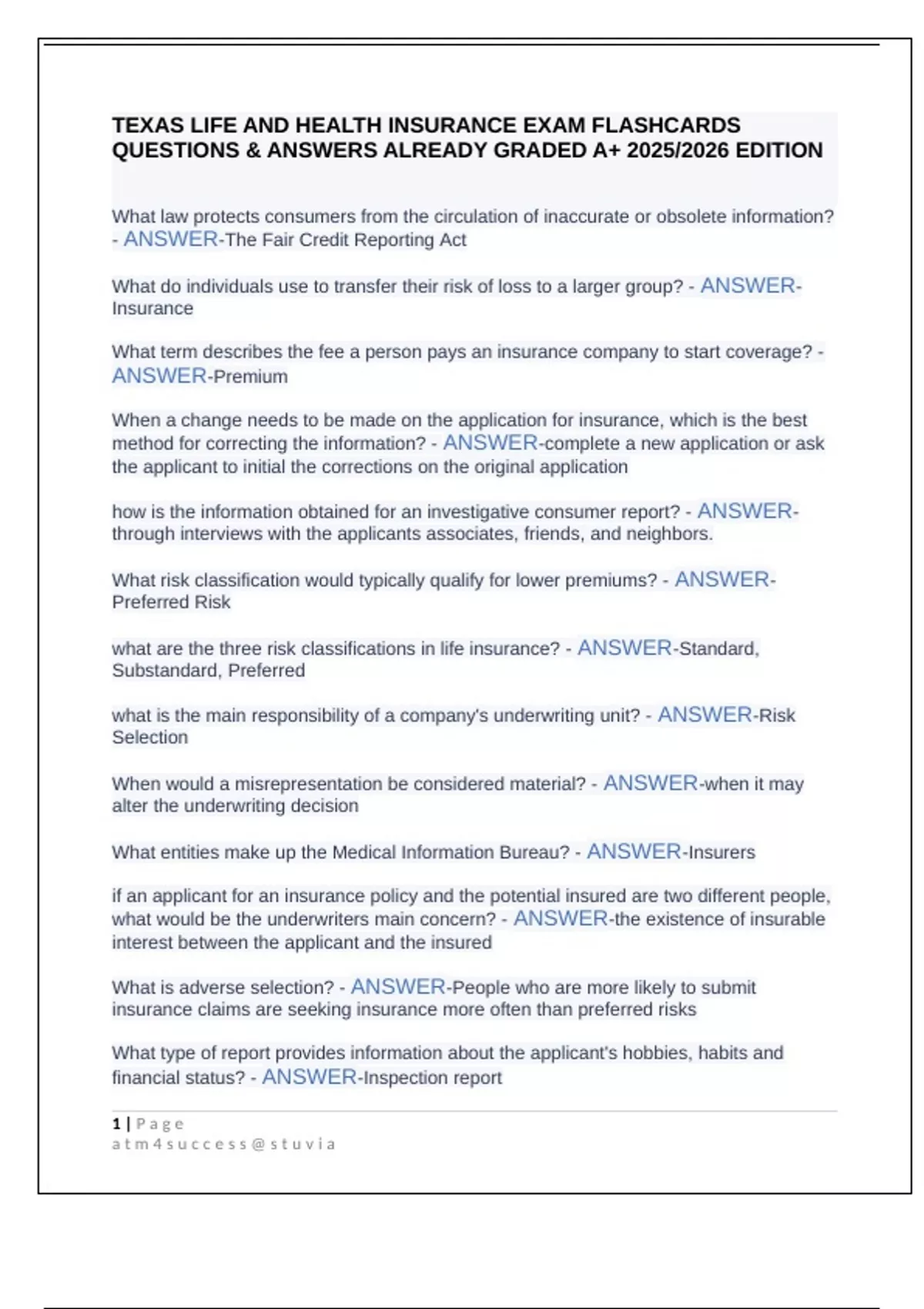
Free Life and Health Insurance Flashcards: A Practical Resource for Exam Success
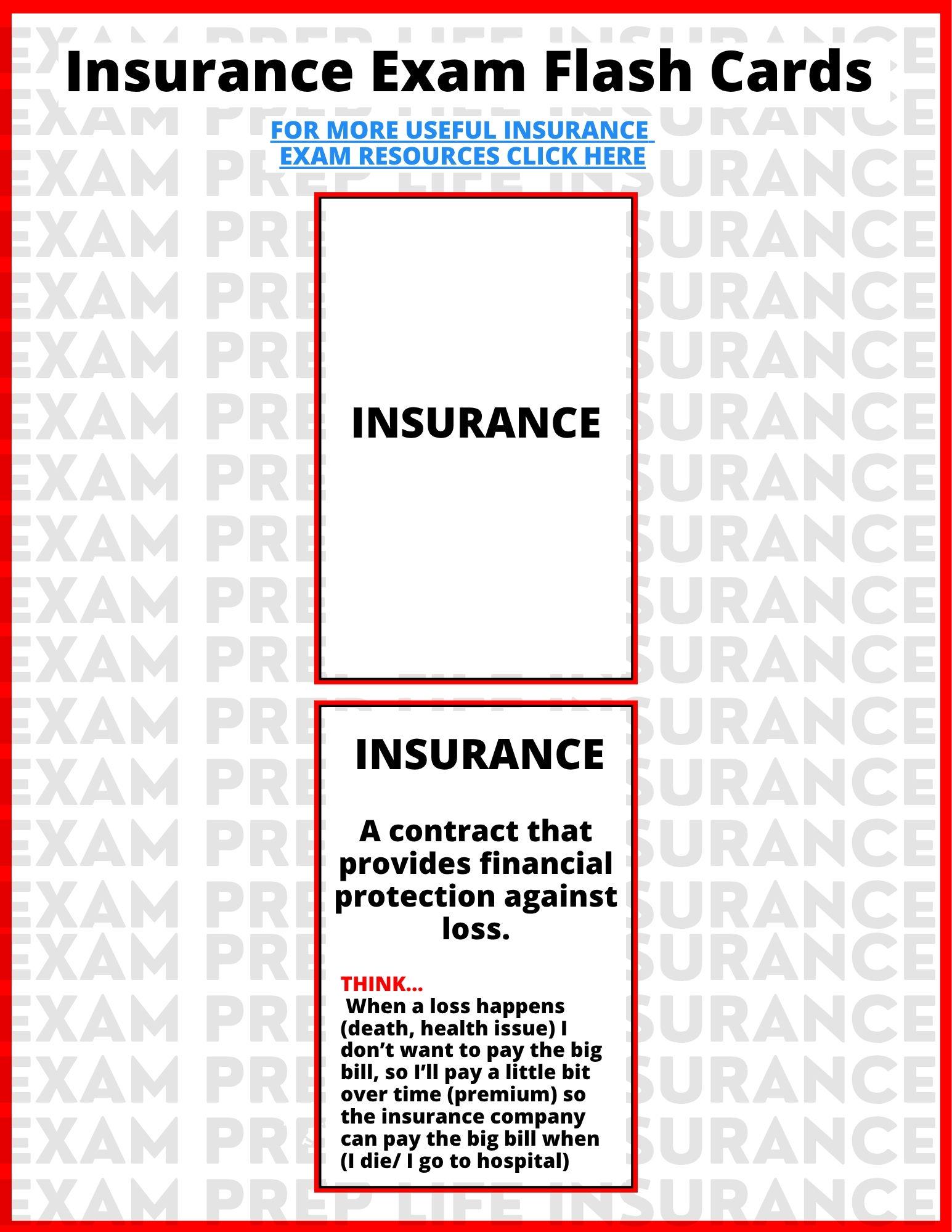
Free life and health insurance flashcards are essential study tools designed to help candidates master the complex terminology, legal concepts, and policy structures required to pass state licensing exams. By utilizing digital platform...
Free life and health insurance flashcards are essential study tools designed to help candidates master the complex terminology, legal concepts, and policy structures required to pass state licensing exams. By utilizing digital platforms like Quizlet or Brainscape, students can access crowdsourced and professionally vetted decks that focus on active recall and spaced repetition for maximum retention.
Contents
The path to becoming a licensed insurance producer is rigorous, requiring a deep understanding of both federal regulations and state-specific statutes. As of 2026, the complexity of health care reform and the evolution of hybrid life insurance products have made the licensing exam more challenging than in previous decades. For many, the hurdle isn't just understanding the concepts but memorizing the thousands of technical details that differentiate one policy from another. This is where flashcards serve as a practical, high-impact resource.
The Science of Flashcards in Professional Certification
Flashcards are more than just a convenient way to study on the go; they are grounded in cognitive science principles that are particularly effective for technical exams. The life and health insurance exam involves a significant amount of rote memorization—dates, grace periods, penalty percentages, and specific legal definitions.
Active Recall
When you look at the front of a flashcard and attempt to remember the definition on the back, you are engaging in active recall. Unlike passive reading, where information simply flows through your mind, active recall forces your brain to retrieve the information from memory. This process strengthens the neural pathways associated with that data point, making it easier to retrieve during the actual exam.
Spaced Repetition Systems (SRS)
In 2026, most digital flashcard platforms utilize algorithms for spaced repetition. This system tracks which cards you get right and which you struggle with. Cards you find difficult appear more frequently, while cards you have mastered are phased out and shown only occasionally to ensure long-term retention. This efficiency is vital for insurance candidates who are often balancing study time with full-time work or family obligations.
Primary Sources for Free Life and Health Flashcards
Finding high-quality, free resources requires knowing where to look. While many "premium" exam prep providers charge hundreds of dollars for their materials, excellent free alternatives exist if you know how to vet them.
Digital Repositories
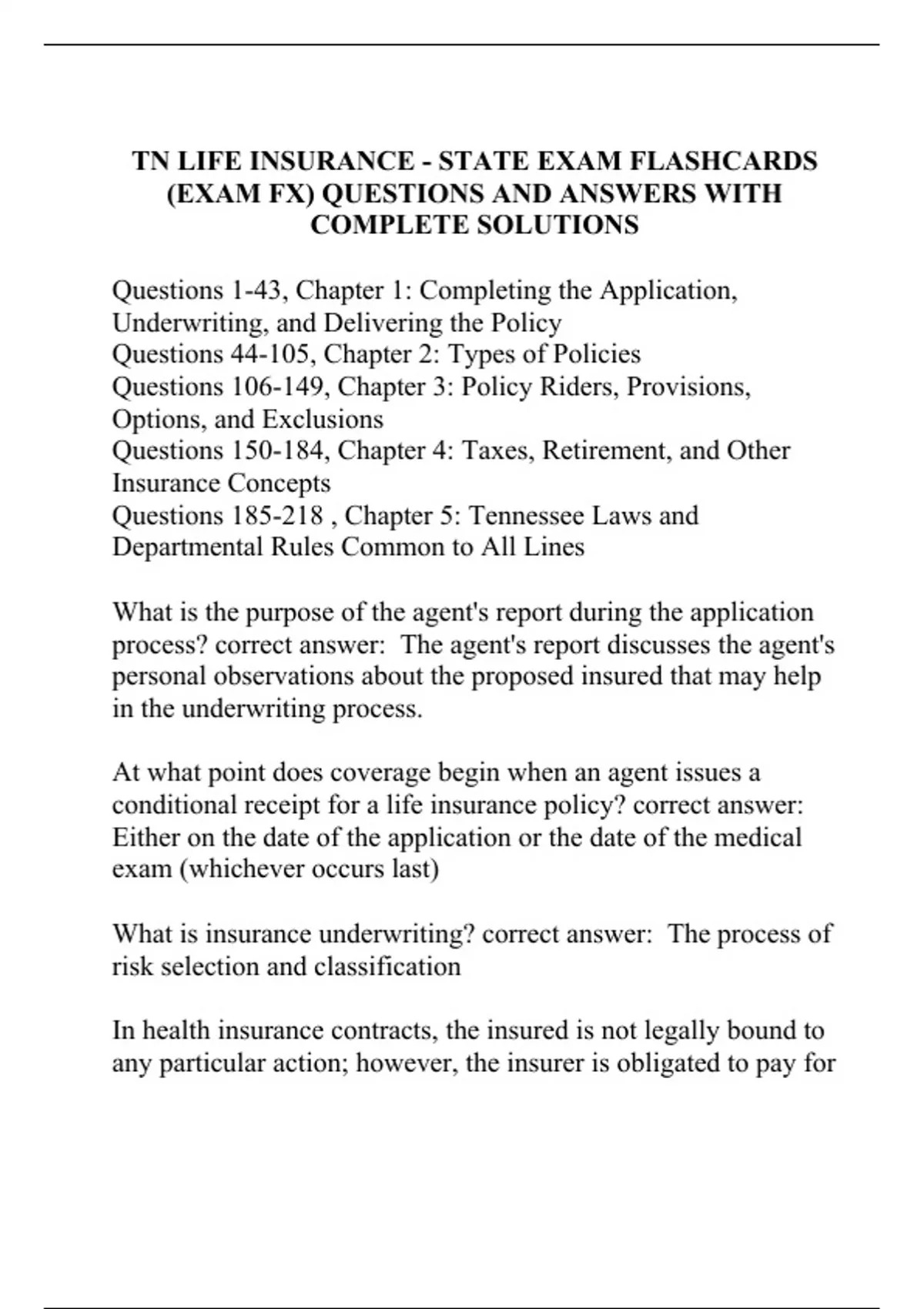
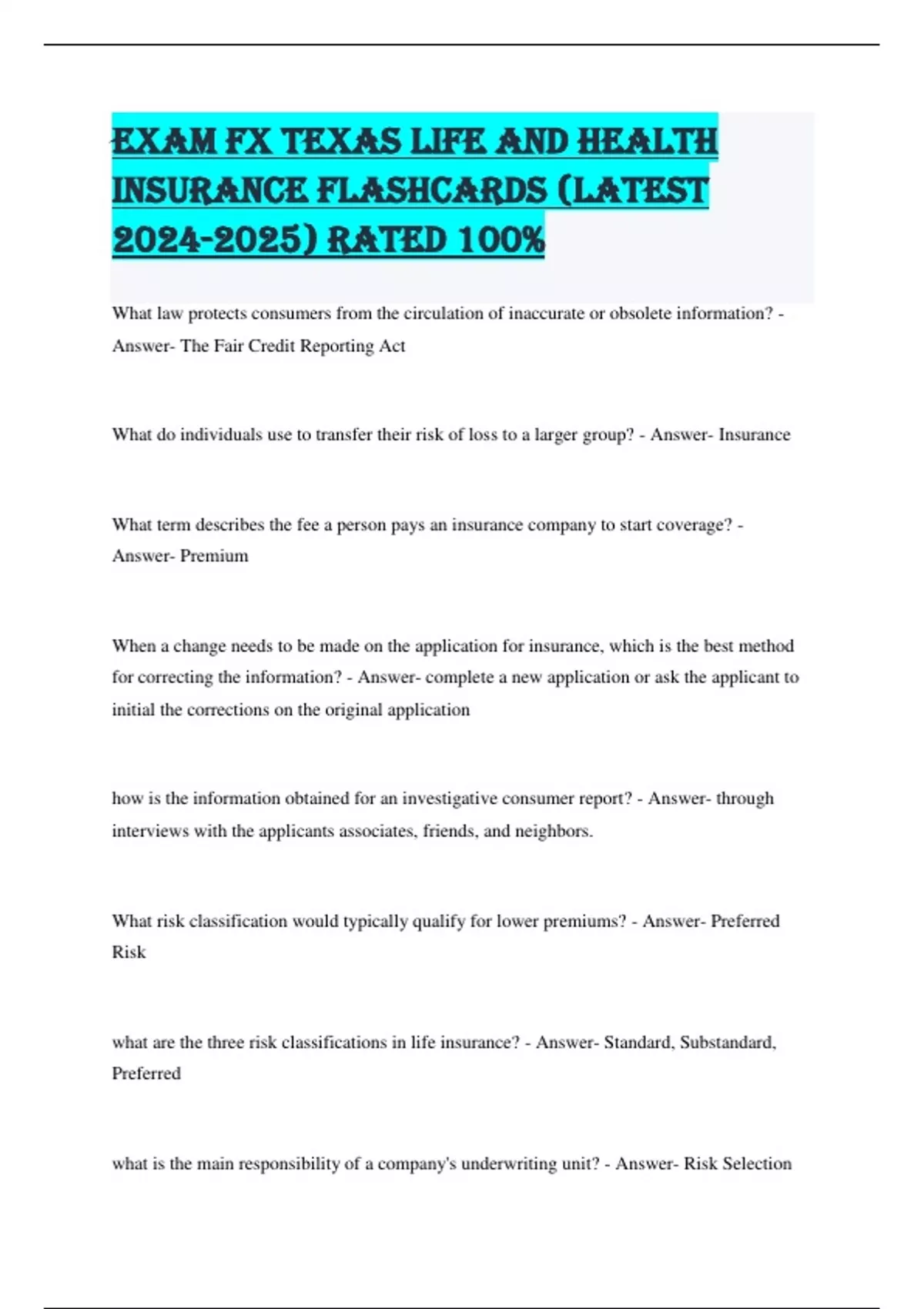
- Quizlet: This remains the largest repository of user-generated content. Search for "Life and Health Insurance Exam 2026" to find sets updated for current standards. Look for sets created by users with high ratings or those that specify they were built using reputable curricula like Kaplan or ExamFX.
- Brainscape: Known for its "Confidence-Based Repetition," Brainscape offers several "certified" decks created by experts, though many user-generated decks are also available for free.
- Anki: For those who prefer a more technical, highly customizable interface, Anki is a powerful open-source tool. It is particularly popular among students who want to build their own decks from scratch, which is a highly effective way to learn.
Insurance Agency "Lead Magnets"
Many large insurance agencies and independent marketing organizations (IMOs) offer free study materials, including downloadable flashcards, as a way to recruit new talent. These resources are often professionally designed and align closely with the current year's testing requirements.
Core Topics Your Flashcards Must Cover
To ensure your study resource is truly practical, your flashcards should be categorized into the primary domains found on most state exams. If you are using a free deck, verify that it includes these critical areas:
General Insurance Concepts
This section covers the foundation of the industry. You must be able to define risk, peril, and hazard. Flashcards should also detail the elements of a legal contract: offer and acceptance, consideration, competent parties, and legal purpose. Understanding the "Contract of Adhesion" and the "Aleatory" nature of insurance is frequently tested.
Life Insurance Policies and Riders
You need to distinguish between Term Life and Permanent Life insurance. Within permanent life, cards should cover Whole Life, Universal Life, and Variable Life. Pay special attention to policy riders like the Waiver of Premium, Accidental Death Benefit, and Guaranteed Insurability. These are "add-ons" that change the nature of the policy and are a favorite topic for exam writers.
Health Insurance and Disability
The health portion of the exam is often considered the most difficult due to the variety of plans. Your flashcards should clearly define:
- HMO (Health Maintenance Organization): Focus on the role of the Primary Care Physician (PCP) and the "gatekeeper" model.
- PPO (Preferred Provider Organization): Focus on out-of-network flexibility.
- HSA (Health Savings Accounts): Requirements for high-deductible health plans (HDHPs).
- Disability Income: The difference between "Own Occupation" and "Any Occupation" definitions of disability.
Medicare and Social Security
As of 2026, the integration of private Medicare Advantage plans and traditional Medicare is a significant exam component. Ensure your cards cover Part A (Hospital), Part B (Medical), Part C (Advantage), and Part D (Prescription Drugs), as well as the eligibility requirements for Social Security Disability benefits.
Comparative Overview: Life and Health Policy Features
The following table summarizes key distinctions that are frequently tested and should be prioritized in your flashcard study.
| Policy/Concept | Primary Feature | Key Distinction for Exam |
|---|---|---|
| Term Life | Temporary coverage | No cash value; provides maximum coverage for lowest cost. |
| Whole Life | Permanent coverage | Fixed premiums; builds cash value; remains in force until age 100. |
| Universal Life | Flexible permanent coverage | Flexible premiums; unbundled components; adjustable death benefit. |
| HMO | Managed care | Requires PCP; no coverage for out-of-network providers (except emergencies). |
| PPO | Preferred provider network | No gatekeeper; allows out-of-network care at a higher cost. |
| Major Medical | Comprehensive coverage | Features high limits, deductibles, and coinsurance. |
| Buy-Sell Agreement | Business life insurance | Funded by life insurance to transfer business interest upon death. |
How to Create Your Own Practical Flashcard Set
While downloading a free deck is a great start, the most successful candidates often create their own cards. This process of manual synthesis is a form of learning in itself.
- Use the "One Fact Per Card" Rule: Do not clutter a card with multiple ideas. If you are studying "Insurable Interest," have one card for when it must exist in life insurance (at application) and another for when it must exist in property insurance (at loss).
- Incorporate Visuals: If you are using a digital tool, add diagrams. For example, a chart showing how the cash value grows in a Whole Life policy versus a Universal Life policy can be more memorable than text alone.
- Include State-Specific Rules: Every state has different laws regarding the number of days for a "Free Look Period" or the "Grace Period." General decks often skip these, but they are vital for passing your specific state exam.
- Tag Your Cards: Use tags like #LifeBasics, #HealthLaws, or #Difficult to organize your study sessions.
Avoiding Common Pitfalls with Free Resources
The primary risk of using free flashcards is outdated or inaccurate information. In the insurance world, laws are subject to change by state legislatures and federal updates (such as the 2026 adjustments to Medicare contribution limits).
- Verify the Source: If the deck was created in 2020, the health insurance sections regarding tax penalties or subsidies are likely incorrect.
- Cross-Reference with the Candidate Handbook: Every state provides a candidate handbook that outlines exactly what will be on the exam. Use this as your master checklist. If a flashcard contradicts the handbook, the handbook is always right.
- Beware of Typos: User-generated content is prone to errors. A typo changing "30 days" to "3 days" can cost you a point on the exam.
Strategic Integration into Your Study Routine
Flashcards should not be your only study tool. They are best used as a supplement to a comprehensive textbook or video course. The ideal study routine in 2026 involves:
- Morning: Review 20–30 new flashcards.
- Mid-day: Quick review of "Difficult" cards during a break.
- Evening: Deep-dive reading or practice exams, followed by a final review of the day's cards.
By integrating these practical resources into a consistent schedule, you transform a daunting amount of information into manageable, bite-sized pieces that are far easier to master.
Frequently Asked Questions
Can I pass the life and health exam using only free flashcards?
While flashcards are an excellent tool for memorization, they typically do not provide the conceptual depth needed to answer complex situational questions. Most candidates need a combination of a structured course, practice exams to simulate the testing environment, and flashcards for terminology and law memorization.
Are the 2026 insurance exams different from previous years?
Yes, insurance exams are updated periodically to reflect new laws, such as changes in the SECURE Act, updated Medicare enrollment rules, and new state-specific mandates regarding long-term care or mental health parity. Always ensure your flashcards are updated for the current year.
How many flashcards should I expect to study?
A comprehensive Life and Health Insurance deck usually contains between 400 and 700 cards. This covers general insurance, life policies, health policies, annuities, retirement plans, and state-specific regulations.
Which is better: physical or digital flashcards?
Digital flashcards are generally superior for professional exams because they utilize Spaced Repetition Systems (SRS), are searchable, and can be used on a smartphone anywhere. However, physical cards can be helpful for those who find that the tactile act of writing helps them remember.
Do I need separate flashcards for the Life exam and the Health exam?
Most states offer a combined Life and Health license, and the exams are often administered together or back-to-back. If you are taking the combined exam, it is best to study a combined deck to understand how the topics overlap, particularly in areas like disability and taxation.
Final Recommendation for Candidates
To maximize your chances of passing the Life and Health Insurance exam in 2026, start by downloading a high-rated free deck on a platform like Quizlet to get a feel for the terminology. However, as you study, actively edit and add to this deck based on your state's specific candidate handbook. Treat your flashcards as a living document that grows more refined as you approach your test date. Focus heavily on the "Ethics and Laws" and "Policy Provisions" sections, as these are historically the areas where most candidates lose points.
Image Gallery