How to Cash Out Your State Farm Whole Life Insurance Policy
To cash out your State Farm whole life insurance policy, you must contact your State Farm agent or the Life Customer Service department at 1-800-782-8332 to request a surrender form. You can choose a full surrender to cancel the policy...
To cash out your State Farm whole life insurance policy, you must contact your State Farm agent or the Life Customer Service department at 1-800-782-8332 to request a surrender form. You can choose a full surrender to cancel the policy for its net cash value or a partial withdrawal to access a portion of the funds while keeping the coverage active.
Contents
Whole life insurance is designed to provide permanent protection, but its built-in cash value component serves as a significant financial asset that policyholders can tap into during their lifetime. Whether you are facing a financial emergency, looking to reinvest the capital, or no longer need the death benefit, State Farm offers several mechanisms to liquidate this value. However, cashing out is not a simple "ATM-style" withdrawal; it involves specific contractual procedures, potential tax liabilities, and a permanent impact on your beneficiaries’ security.
Understanding Your State Farm Cash Value
Before initiating a payout, it is vital to distinguish between the face amount (the death benefit) and the cash value. In a State Farm whole life policy, a portion of every premium payment is funneled into a tax-deferred savings account. Over years and decades, this value grows based on a guaranteed interest rate set by the company.
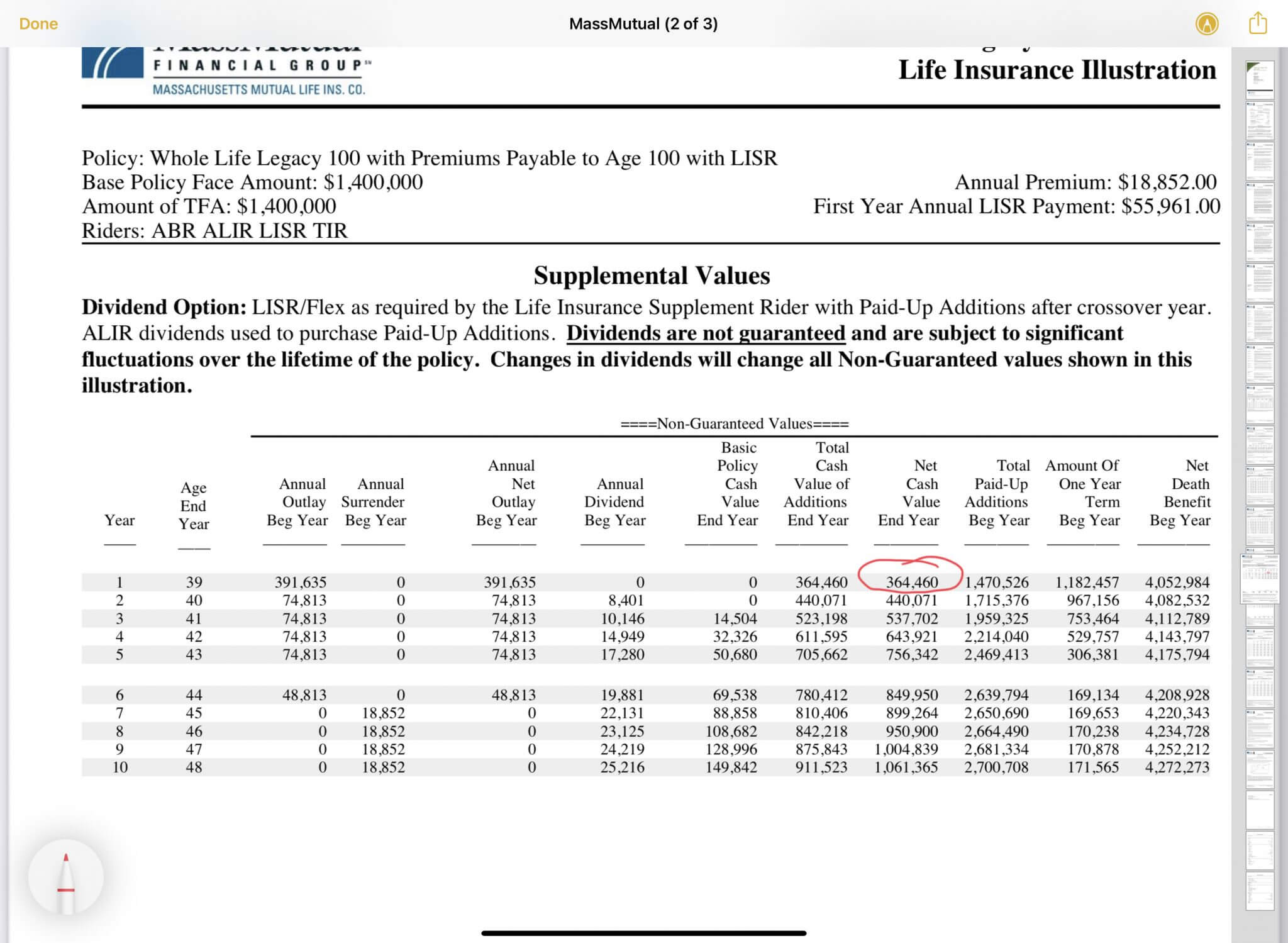
As of 2026, State Farm remains a mutual insurance company, meaning certain whole life policies may also be eligible for "dividends." While not guaranteed, these dividends can be directed into the cash value, accelerating its growth. When you "cash out," you are accessing this accumulated equity. It is important to request a Current Policy Illustration from your agent before proceeding. This document provides a snapshot of your "Net Cash Surrender Value," which is the total cash value minus any outstanding policy loans, unpaid premiums, or applicable surrender charges.
Methods for Accessing Cash from Your Policy
State Farm provides four primary ways to extract liquidity from a whole life policy. The best choice depends on whether you intend to keep the insurance coverage in place.
1. Full Policy Surrender
This is the most definitive way to cash out. By surrendering the policy, you voluntarily terminate the contract. State Farm will pay you the full net cash value, and in exchange, the death benefit is eliminated. This is typically chosen by individuals whose children are grown, whose debts are paid, or who have found a more efficient investment vehicle.
2. Partial Surrender (Withdrawal)
State Farm allows policyholders to perform a "partial surrender," where you withdraw a specific dollar amount from the cash value without canceling the policy entirely. While this provides immediate cash, it reduces the death benefit proportionately. If you withdraw more than the "basis" (the total amount of premiums you have paid into the policy), the excess is generally taxable as ordinary income.
3. Policy Loans
Technically, a loan is a way to "cash out" without triggering an immediate tax event. You borrow against the cash value using the policy as collateral. State Farm charges interest on these loans, but there is no mandatory repayment schedule. If you die with an outstanding loan, the balance is deducted from the death benefit paid to your beneficiaries.
4. Cashing Out Dividends
If your policy earns dividends, you can choose to receive these in cash rather than reinvesting them. While this does not deplete the core cash value, it provides a smaller, periodic way to access the policy's earnings.
Step-by-Step Process to Cash Out with State Farm
The process for liquidating a policy is standardized to ensure security and compliance with state insurance regulations. Follow these steps to ensure a smooth transaction in 2026.
Step 1: Contact Your State Farm Agent
State Farm’s business model is built on local agency representation. Your agent is the primary point of contact for initiating a surrender. They can provide the specific forms required in your state and explain the long-term impact on your financial plan. If you prefer to deal with the corporate office, you can reach the State Farm Life Insurance customer service line.
Step 2: Request a Surrender Value Quote
Before signing any papers, ask for a written statement of the Net Cash Surrender Value. This ensures you know exactly how much will be deposited into your bank account. Ensure the quote accounts for any "surrender charges." Most whole life policies have a surrender charge period—often the first 10 to 15 years—where the company deducts a fee for early termination.
Step 3: Complete the "Request for Cash Surrender" Form
You will need to fill out a specific form (often titled "Life Insurance Cash Surrender Request"). You will need to provide:
- Your policy number.
- Social Security Number (for tax reporting).
- Current contact information.
- The preferred payout method (Direct deposit or physical check).
Step 4: Identity Verification and Notarization
Because life insurance policies are high-value assets, State Farm may require a "Signature Guarantee" or a notary public’s seal on the surrender documents. This prevents unauthorized individuals from liquidating your policy. Your local State Farm agent can often act as a witness for these documents.
Step 5: Final Review and Processing
Once the paperwork is submitted, State Farm’s underwriters review the file to ensure there are no active liens or conflicting beneficiary claims. Processing typically takes 5 to 10 business days, though physical checks sent via mail may take longer.
Comparing Your Options: Surrender vs. Loan vs. Paid-Up
Making the right choice requires weighing the immediate cash need against the loss of protection.
| Feature | Full Surrender | Policy Loan | Partial Withdrawal |
|---|---|---|---|
| Death Benefit | Completely Terminated | Reduced by Loan Balance | Reduced Proportionately |
| Tax Impact | Taxed on Gains Over Basis | Generally Tax-Free | Taxed on Gains Over Basis |
| Repayment | Not Possible | Optional (Interest Applies) | Not Possible |
| Ongoing Premiums | Stopped | Must Continue | Must Continue |
| Availability | Full Net Cash Value | Up to ~90% of Cash Value | Varies by Policy Terms |
Tax Implications and Financial Consequences
Cashing out a whole life policy is not a tax-neutral event. The IRS views life insurance through the lens of "Cost Basis." Your basis is the total amount of premiums you have paid into the policy minus any prior tax-free dividends received.
If you surrender a policy for $50,000 but have only paid $35,000 in premiums over the years, you have a taxable gain of $15,000. This gain is taxed as ordinary income, not at the lower capital gains rate. State Farm is required to report this to the IRS via Form 1099-R.
Furthermore, if you cash out a policy that was classified as a Modified Endowment Contract (MEC)—a policy funded too quickly according to IRS limits—withdrawals are taxed on a "last-in, first-out" (LIFO) basis. This means the taxable gains come out first, and you may face a 10% penalty if you are under age 59½. You should consult a tax professional or review IRS Publication 525 regarding life insurance proceeds before finalizing a surrender.
Common Pitfalls to Avoid
- Ignoring the Surrender Charge: If your policy is less than 10 years old, the surrender charges may consume a significant portion of your cash value. It may be mathematically superior to wait a year or two for the charge to decrease.
- Losing "Insurability": Once you surrender a policy, you cannot simply "restart" it. If your health has declined since you first bought the policy, replacing the coverage later will be significantly more expensive or potentially impossible.
- Overlooking the "Reduced Paid-Up" Option: If your goal is to stop paying premiums but you still want some life insurance, ask State Farm about a "Reduced Paid-Up" policy. This uses your current cash value to buy a smaller death benefit that is fully paid for life, requiring no further premiums.
Frequently Asked Questions
Can I cash out my State Farm policy online?
As of 2026, State Farm allows you to view your cash value and start the inquiry process via the mobile app or web portal. However, most full surrenders still require a signed physical or secure electronic document (DocuSign) facilitated by an agent to ensure security and regulatory compliance.
How long does it take to receive the money from State Farm?
Generally, once State Farm receives the completed and verified surrender forms, funds are disbursed within 7 to 10 business days. Choosing electronic funds transfer (EFT) is the fastest way to receive your capital.
Will cashing out my policy affect my credit score?
No. Cashing out a life insurance policy is a private transaction between you and the insurer. It does not involve borrowing from a third-party lender and has no impact on your credit report or score.
Can I cash out a term life insurance policy with State Farm?
No. Term life insurance does not have a cash value component. If you stop paying premiums on a term policy, the coverage simply ends with no payout. Only permanent policies, such as Whole Life or Universal Life, accumulate cash value that can be liquidated.
What happens if I have an outstanding loan when I cash out?
If you surrender the policy while a loan is active, State Farm will subtract the loan balance and any accrued interest from your cash value before sending you the remainder. Be aware that if the loan balance exceeds your cost basis, this could trigger a significant tax liability.
Final Recommendation
Cashing out a State Farm whole life policy is a powerful way to access capital, but it should be a last resort or a calculated part of a broader retirement strategy. Before you sign the surrender forms, request a "In-Force Illustration" to see exactly how much you are giving up in future growth and death benefit protection. If you only need a temporary influx of cash, a policy loan is often the superior choice as it preserves the tax-advantaged nature of the policy and keeps the death benefit intact for your loved ones.
Image Gallery