Understanding the Risk Ratings in Group Term Life Insurance
Risk ratings in group term life insurance are actuarial classifications used to determine the probability of claims within a specific group, directly influencing the premiums charged to the employer or members. These ratings are primar...
Risk ratings in group term life insurance are actuarial classifications used to determine the probability of claims within a specific group, directly influencing the premiums charged to the employer or members. These ratings are primarily based on the group's demographic profile, industry-specific hazards, and historical claims experience rather than individual medical examinations for every participant.
Contents
Group term life insurance (GTLI) remains a cornerstone of corporate benefit packages in 2026, providing essential financial protection for employees and their families. However, the mechanics behind how insurance companies price these policies often seem opaque to the average policyholder or HR administrator. Unlike individual life insurance, where an individual's health history is the primary driver, group insurance relies on the "law of large numbers" and collective risk assessment. This article explores the intricate world of risk ratings, the factors that influence them, and how they shape the landscape of modern employee benefits.
The Fundamentals of Group Underwriting and Risk Assessment
Underwriting is the process by which an insurance company evaluates the risk of insuring a group and decides the appropriate premium. In group term life insurance, the "risk rating" is not typically a single score assigned to an individual, but a comprehensive evaluation of the entire group’s risk profile.
The primary goal of the underwriter is to prevent "adverse selection." This occurs when a plan is designed or priced in a way that attracts only those most likely to file a claim (e.g., older or less healthy individuals), while healthy individuals opt-out. To maintain a stable and affordable plan, insurers must ensure a balanced risk pool.
The Role of the Master Policy
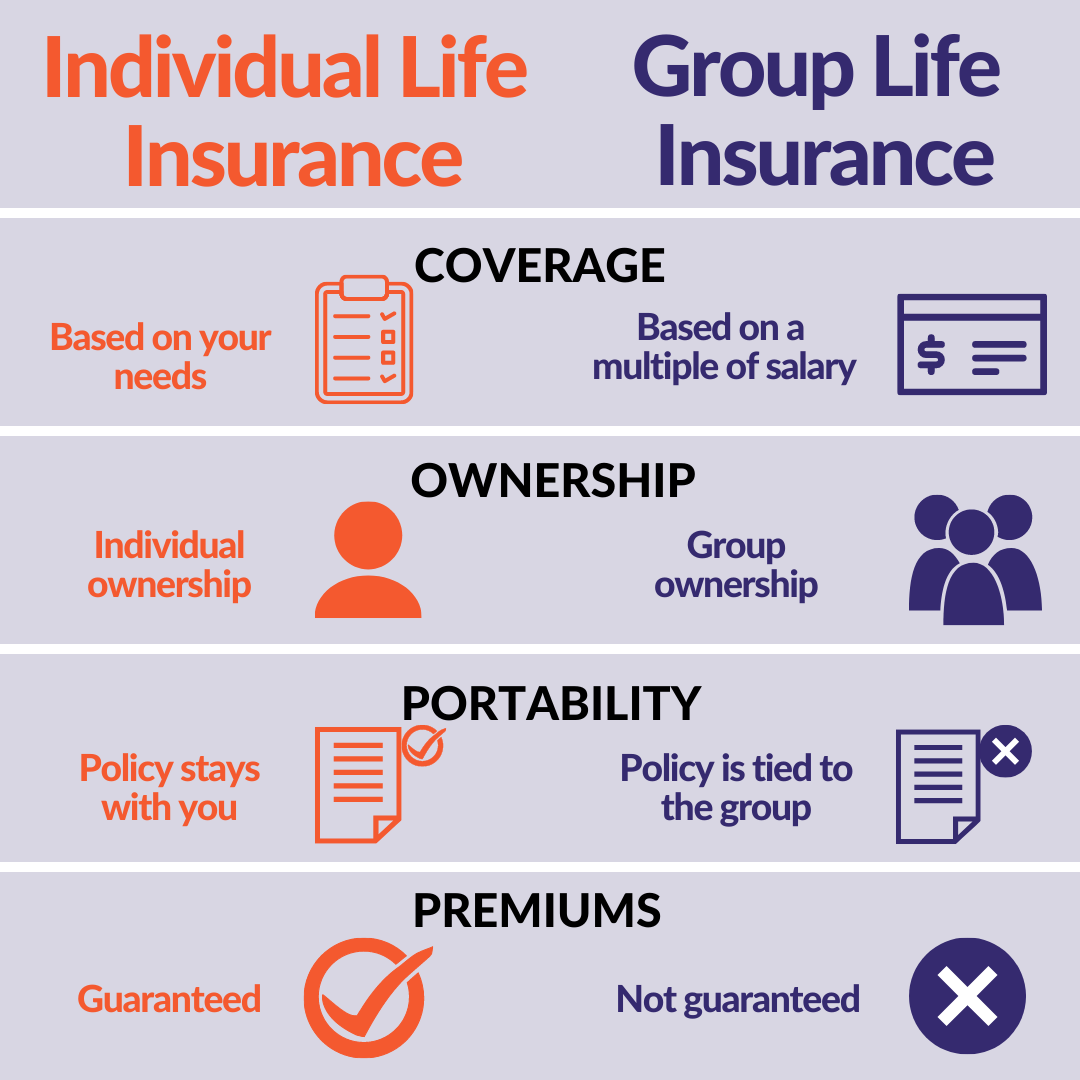
In a group setting, the insurer issues a Master Policy to the policyholder—usually the employer, a labor union, or a professional association. The risk rating applied to this Master Policy determines the "unit rate," often expressed as a cost per $1,000 of coverage. While individual employees receive certificates of insurance, their specific risk profile only becomes a factor in certain scenarios, such as when applying for coverage above the "Guaranteed Issue" limit.
Key Factors Influencing Group Risk Ratings
In 2026, insurers utilize sophisticated data analytics to refine risk ratings. However, the core pillars of risk assessment remain consistent. Understanding these factors helps organizations manage their benefits costs more effectively.
1. Demographic Composition (Age and Gender)
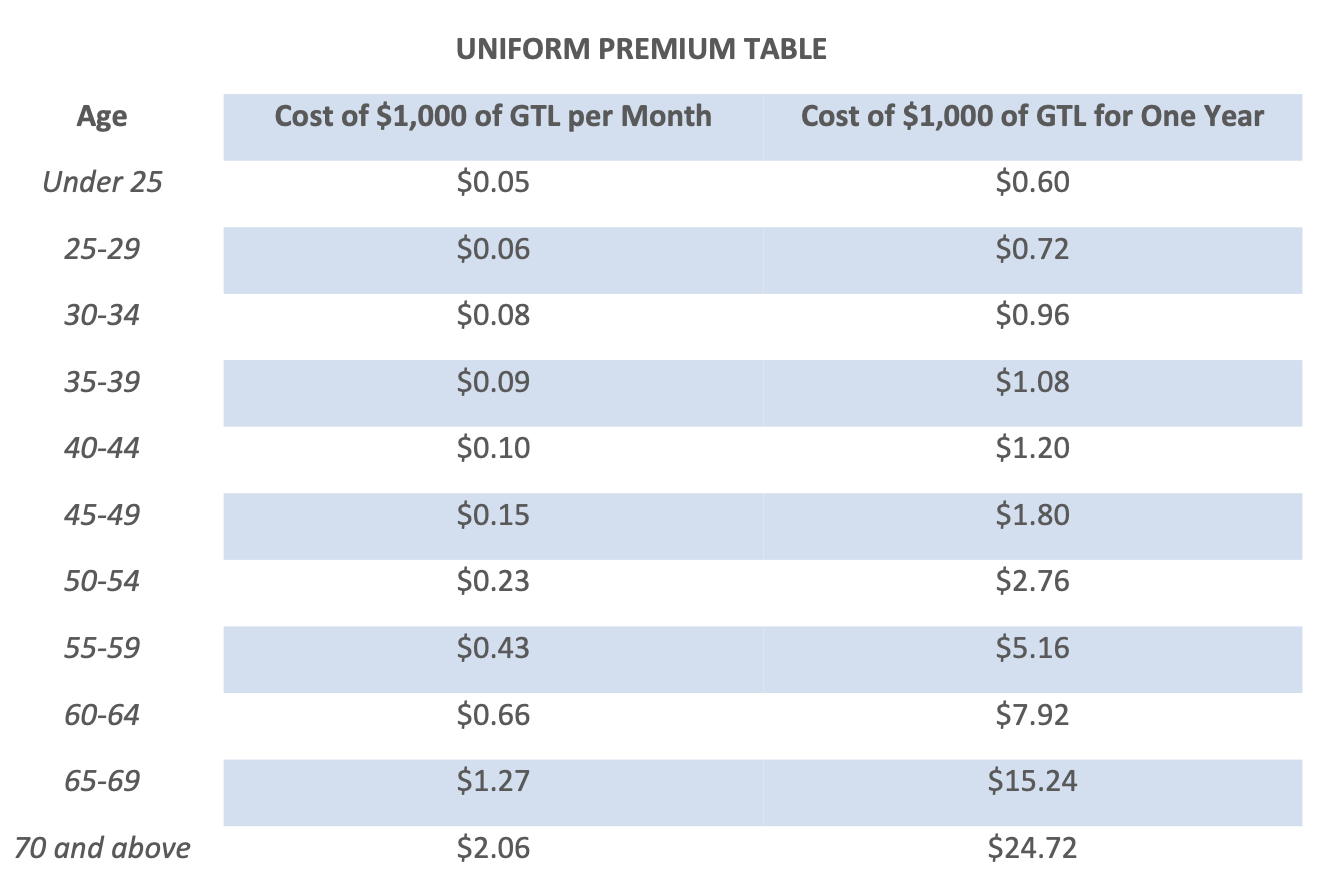
Age is the most significant predictor of mortality. Insurers analyze the age distribution of the workforce to calculate a "volume-weighted average age." A group with a high concentration of workers over age 50 will naturally carry a higher risk rating and higher premiums than a younger workforce.
Gender also plays a role, as historical mortality tables often show different life expectancy trends between males and females. In many jurisdictions, insurers use "unisex" rates for group plans to comply with employment regulations, but the underlying demographic mix still informs the total aggregate risk.
2. Occupational and Industry Risk
The nature of the work performed by the group is a critical component of the risk rating. Insurers use Standard Industrial Classification (SIC) codes or North American Industry Classification System (NAICS) codes to categorize the risk of the employer's industry.
- Low-Risk Industries: Professional services, such as accounting, law, or software development, typically receive more favorable risk ratings.
- High-Risk Industries: Mining, heavy construction, logging, and certain manufacturing sectors involve physical hazards that increase the probability of accidental death claims, leading to higher ratings.
3. Geographic Location
Where a group lives and works can influence mortality rates. Factors such as local healthcare access, regional lifestyle trends, and environmental hazards are factored into the geographic "area factor" of the risk rating. In 2026, insurers also monitor regional public health data to adjust for localized spikes in mortality trends.
4. Group Size and Participation Rates
The size of the group significantly impacts the "credibility" of the risk rating.
- Large Groups: Insurers have more statistical confidence in the data of a group with 1,000+ members. These groups are often "experience-rated," meaning their own past claims history heavily influences their future premiums.
- Small Groups: For groups with fewer than 50 or 100 members, insurers rely more on "manual rating," which uses broader industry averages because the small sample size makes their specific claims history less statistically significant.
Participation rates are equally vital. If a plan is voluntary (employee-paid) and only 20% of the workforce signs up, the insurer assumes that those 20% are likely the individuals with the highest health risks. To combat this, many insurers require a minimum participation level (e.g., 75%) to offer competitive risk ratings.
Experience Rating vs. Manual Rating
The methodology used to arrive at a risk rating generally falls into two categories, depending on the size and history of the group.
Manual Rating
Manual rating is the baseline. The underwriter looks at the group's demographics and industry and compares them to the insurer’s "manual"—a book of standardized rates developed by actuaries. This is the standard approach for new businesses or small companies that do not have a documented history of life insurance claims.
Experience Rating
For established, larger groups, insurers use experience rating. This looks at the actual claims paid out over the previous three to five years. If a company has a "clean" record with fewer deaths than expected for their demographic, they may receive a "favorable experience" credit, lowering their risk rating and premium. Conversely, a history of high claims will lead to a "debit" or an increase in the rating.
In 2026, many insurers use a "Blended Rating" approach for mid-sized groups, where the final risk rating is a weighted average of the manual rate and the group's actual experience.
Individual Risk Ratings within the Group: Evidence of Insurability (EOI)
While GTLI is designed to avoid individual underwriting, there are "trigger events" where an individual's specific risk rating is evaluated. This is handled through a process called Evidence of Insurability (EOI).
- Guaranteed Issue (GI) Limits: Most group plans offer a set amount of coverage (e.g., $50,000 or 1x salary) without any medical questions. This is the Guaranteed Issue amount.
- Excess Coverage: If an employee wants to purchase coverage above the GI limit (e.g., $500,000), the insurer will require an EOI form.
- Late Entrants: If an employee declines coverage during their initial eligibility period but decides to join later, they are usually treated as a "late entrant" and must provide EOI to ensure they aren't joining specifically because they have recently become ill.
In these cases, an individual might be assigned a specific risk class:
- Standard: The individual meets the average health criteria.
- Substandard/Rated: The individual has health conditions (e.g., heart disease, diabetes) that increase risk. They may be charged a higher premium or denied the "excess" portion of the coverage.
- Preferred: Some voluntary group plans now offer "Preferred" rates for individuals who can prove they are in exceptionally good health or are non-smokers.
Comparing Risk Rating Factors in 2026
The following table outlines how different variables impact the aggregate risk rating for a group term life policy.
| Risk Factor | Impact on Rating | Primary Assessment Method |
|---|---|---|
| Average Age | High | Census data analysis of the workforce. |
| Industry Code (SIC/NAICS) | Moderate to High | Comparison against Bureau of Labor Statistics (BLS) hazard data. |
| Claims History | High (for large groups) | Review of 3–5 years of historical death claim reports. |
| Participation Rate | Moderate | Verification of enrollment percentage vs. eligible employees. |
| Tobacco Usage | Variable | Aggregated data or individual self-certification in voluntary plans. |
| Geographic Region | Low to Moderate | Actuarial tables based on zip code or state mortality data. |
The Impact of Modern Data and Wellness Programs
By 2026, the integration of "InsurTech" has refined how risk ratings are calculated. Insurers are increasingly looking at "Lifestyle Risk Ratings." Employers who implement robust wellness programs—focusing on chronic disease management, mental health support, and smoking cessation—can often negotiate better risk ratings during their annual renewal.
Furthermore, predictive modeling now allows insurers to identify potential future risks within a group’s aggregate data more accurately. For instance, if a group’s data indicates a high prevalence of sedentary work environments, the insurer might adjust the manual rate unless the employer provides evidence of mitigating factors, such as ergonomic support or fitness incentives.
Frequently Asked Questions
Can a group's risk rating change every year?
Yes. Group term life insurance is typically an annual contract. During the renewal period, the insurer reviews the group's current demographics and the previous year's claims experience. If the workforce has aged significantly or there was a high volume of claims, the risk rating—and thus the premium—may increase for the following year.
Does an individual's chronic illness affect the whole group's rate?
In large groups, a single individual’s health condition has a negligible impact on the overall risk rating. The pool is large enough to absorb that risk. However, in very small groups (e.g., under 10 people), a known serious illness can sometimes influence the underwriter’s perception of the group’s risk, although many states have regulations limiting how much an insurer can hike rates based on a single individual's health.
What is the difference between "Basic" and "Voluntary" risk ratings?
"Basic" life insurance is usually employer-paid and covers everyone, leading to a very stable, blended risk rating. "Voluntary" life insurance is employee-paid and optional. Because voluntary plans are more susceptible to adverse selection, insurers often apply more stringent risk ratings or age-banded rates to ensure the plan remains financially viable.
How do "Tobacco vs. Non-Tobacco" ratings work in a group?
Many group plans in 2026 use a "composite" rate that assumes a certain percentage of the workforce uses tobacco. However, for supplemental or voluntary coverage, insurers often ask the tobacco question individually. If a large portion of the group identifies as smokers, the overall aggregate risk rating for the group will be higher.
What can an employer do to improve their risk rating?
Employers can improve their rating by encouraging high participation among younger, healthy employees, which balances the risk pool. Additionally, maintaining a safe working environment to minimize occupational accidents and providing wellness benefits that improve long-term employee health can lead to more favorable experience ratings over time.
Final Recommendations for Navigating Group Risk
Understanding risk ratings is essential for both employers managing a budget and employees choosing their coverage levels. For HR professionals, the key is to maintain accurate census data and foster a culture of health that can be presented to underwriters during renewals. Providing clear data on industry safety standards and wellness engagement can often serve as leverage to lower a "manual" risk rating.
For employees, it is important to recognize that the Guaranteed Issue (GI) amount is a valuable benefit that bypasses individual risk ratings. If you have pre-existing conditions that might lead to a "substandard" rating in the individual market, maximizing your group's GI coverage is often the most cost-effective way to secure life insurance. Always review your plan's summary of benefits to understand where the group's "blanket" rating ends and where your individual health history begins to matter.
Image Gallery