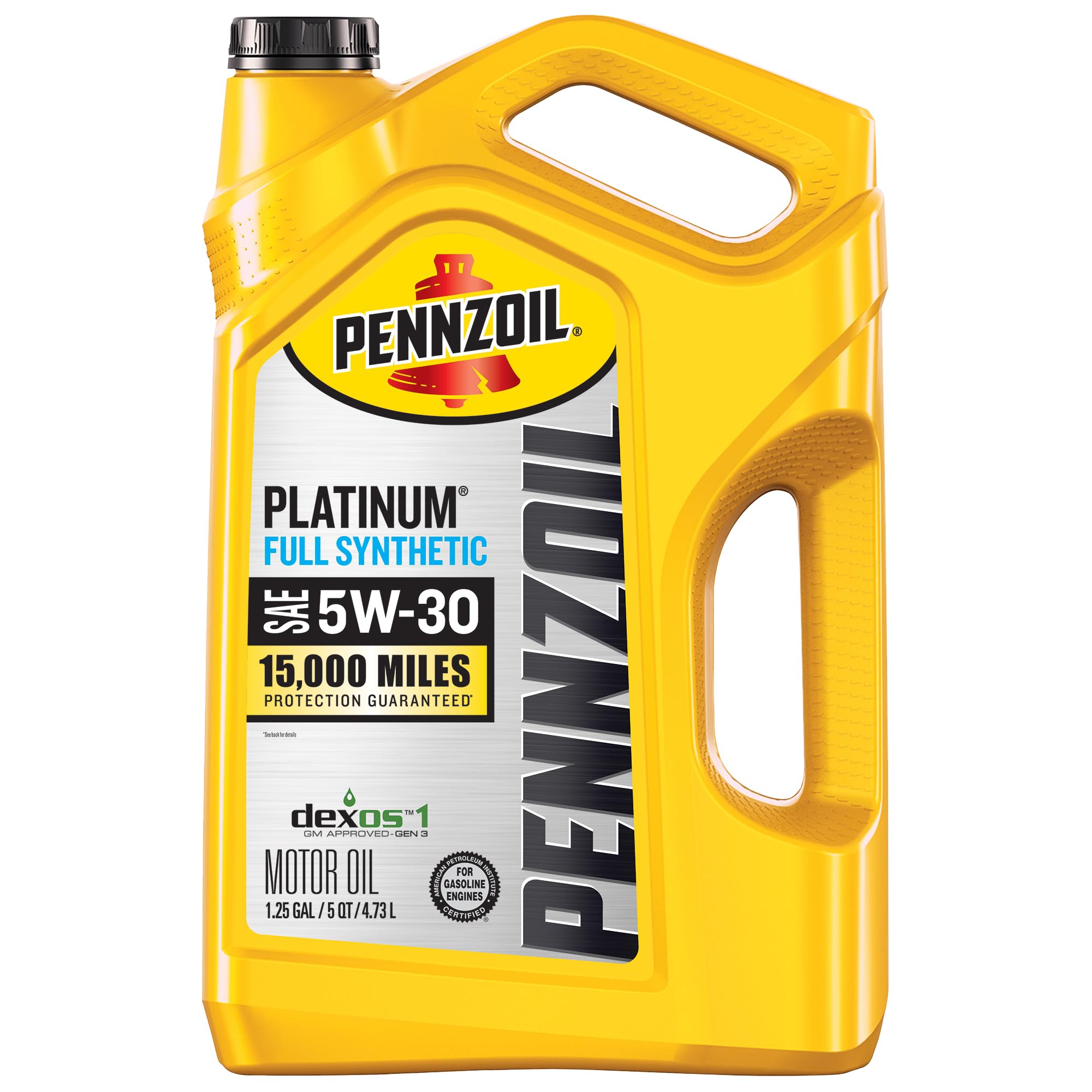
Switching to Synthetic Oil at 100,000 Miles: Benefits, Risks, and Critical Considerations
Switching to synthetic oil at the 100,000-mile mark is generally recommended for modern engines to enhance protection and longevity. While it offers superior thermal stability and cleaning properties, the primary trade-off is the poten...
Switching to synthetic oil at the 100,000-mile mark is generally recommended for modern engines to enhance protection and longevity. While it offers superior thermal stability and cleaning properties, the primary trade-off is the potential to "reveal" existing leaks by removing carbon deposits (sludge) that may have been plugging worn-out gaskets or seals.
Contents
Understanding the 100,000-Mile Milestone in 2026
By 2026, a significant portion of the internal combustion engine (ICE) fleet consists of vehicles manufactured between 2012 and 2022. For these vehicles, 100,000 miles is no longer considered the "end of life" but rather the midpoint of a well-maintained engine's journey. However, at this mileage, internal components have experienced significant thermal cycling. Piston rings may have slight wear, and rubber seals—such as the rear main seal or valve cover gaskets—often begin to lose their elasticity and "memory."
The decision to switch from conventional or synthetic blend oil to a full synthetic or high-mileage synthetic at this stage is a strategic maintenance move. Synthetic oils are engineered at the molecular level to be uniform, whereas conventional oils contain varying molecular sizes and impurities like sulfur and wax. In an aging engine, this uniformity translates to more consistent lubrication in the tighter tolerances of the overhead cam (OHC) systems and turbochargers prevalent in late-model vehicles.
The Core Benefits of Synthetic Oil for High-Mileage Engines
Transitioning to synthetic oil after 100,000 miles provides several distinct advantages that can prevent the typical "slow death" of an aging engine, characterized by loss of compression and increased friction.
Superior Thermal Stability and Oxidation Resistance
As engines age, they often run slightly hotter due to cooling system inefficiencies or internal friction. Conventional oil begins to oxidize and break down at lower temperatures, leading to the formation of varnish and sludge. Full synthetic oils, particularly those using Polyalphaolefin (PAO) or Group III hydrocracked base stocks, maintain their viscosity even under extreme heat. This ensures that the oil film remains intact on critical surfaces like the crankshaft bearings and camshaft lobes, even during long highway drives or heavy-duty towing.
Enhanced Detergency and Engine Cleanliness
One of the most significant advantages of synthetic oil is its high concentration of detergents and dispersants. Over 100,000 miles, conventional oil often leaves behind "micro-deposits" in the oil galleries and around the piston rings. Synthetic oil actively works to dissolve these deposits. By keeping the piston rings clean, the oil ensures a better seal against the cylinder wall, which maintains engine compression and reduces "blow-by"—the process where combustion gases leak into the crankcase.
Improved Cold-Start Protection
In high-mileage engines, the first few seconds of operation are the most damaging. Worn oil pumps and wider clearances mean it takes longer for oil to reach the top of the engine. Synthetic oils have a much lower pour point than conventional oils. They flow almost immediately upon startup, even in freezing temperatures, providing instant lubrication to the valvetrain. This reduces the "dry start" wear that accounts for the majority of engine damage over the vehicle's lifespan.
The Trade-offs and "Leak Myth" Explained
The most common concern regarding switching to synthetic oil at high mileage is the fear that it will "cause" oil leaks. It is essential to distinguish between causing a leak and revealing one.
The Problem with Dislodging Sludge
In a vehicle that has used conventional oil for 100,000 miles, it is common for a layer of sludge and carbon to build up around the engine's seals and gaskets. In some cases, this sludge acts as a secondary sealant, plugging small cracks in brittle rubber gaskets. Because synthetic oil is highly detergent, it cleans away these deposits. If a gasket is already compromised, the synthetic oil will wash away the "plug," and the thinner, more uniform molecules of the synthetic oil will begin to seep through.
Increased Cost vs. Value
Synthetic oil is consistently more expensive per quart than conventional or blend options. For a 100,000-mile vehicle, the cost of an oil change might increase by 40% to 60%. While synthetic oil allows for longer drain intervals (often 7,500 to 10,000 miles), many mechanics recommend maintaining a 5,000-mile interval for high-mileage vehicles regardless of the oil type. This is because high-mileage engines are more prone to fuel dilution and moisture buildup, which can degrade any oil, no matter how advanced.
Compatibility with Older Seal Materials
While modern (post-2000) seals are designed to be compatible with synthetic chemicals, very old vehicles (classic cars or those from the early 1990s) may use materials that react poorly to specific synthetic esters, causing them to shrink or harden. However, for the vast majority of vehicles hitting 100,000 miles in 2026, this is not a technical concern.
High-Mileage Synthetic vs. Standard Full Synthetic
When making the switch at 100,000 miles, drivers must choose between standard full synthetic and a dedicated "High-Mileage" synthetic.
High-Mileage Synthetic oils contain specific additives known as seal conditioners or "swellers." These are chemical agents that soak into the rubber seals and gaskets, causing them to expand slightly and regain some of their original flexibility. This is often the best "middle ground" for the 100,000-mile switch because it provides the cleaning and protection benefits of synthetic while actively working to prevent the leaks that the transition might otherwise reveal.
| Feature | Conventional Oil | Full Synthetic Oil | High-Mileage Synthetic |
|---|---|---|---|
| Base Stock | Refined Crude | Laboratory Engineered | Engineered + Additives |
| Sludge Resistance | Low | Very High | High |
| Seal Conditioners | None | Limited | Yes (Strong) |
| Volatility (Burn-off) | Higher | Very Low | Low |
| Cold Flow | Poor | Excellent | Excellent |
| Typical Cost | $30 - $45 | $70 - $95 | $75 - $100 |
The Role of Viscosity in High-Mileage Transitions
A common mistake when switching to synthetic at 100,000 miles is changing the viscosity (e.g., moving from 5W-20 to 10W-30). In 2026, engine tolerances are tighter than ever. You should generally stick to the manufacturer's recommended viscosity regardless of the oil type.
Synthetic oil maintains its viscosity grade better than conventional oil. A 5W-30 conventional oil may "shear" down to a 5W-20 weight after 3,000 miles of hard driving. A 5W-30 synthetic will stay a 5W-30 for much longer. Therefore, moving to a thicker oil is usually unnecessary unless the engine is experiencing significant mechanical oil consumption or "knocking" due to excessive bearing clearances.
Step-by-Step Guide to Making the Switch
If you decide to transition your 100,000-mile vehicle to synthetic oil, follow this protocol to minimize risks:
- Inspect for Existing Leaks: Before the oil change, check the oil pan, valve cover, and timing cover for signs of "wetness." If the engine is already leaking, synthetic oil will likely make it worse.
- Choose a High-Mileage Formulation: For the first switch, opt for a high-mileage full synthetic. The seal conditioners will help mitigate the cleaning effect on old gaskets.
- Use a High-Quality Filter: Synthetic oil can carry more contaminants in suspension. Use a "synthetic-grade" oil filter with a higher capacity and better filtration media (often synthetic mesh rather than cellulose).
- Shorten the First Interval: For the very first synthetic cycle, consider changing the oil at 3,000 or 4,000 miles. This initial cycle will do the bulk of the "heavy cleaning," and it is wise to flush out the dislodged deposits sooner rather than later.
- Monitor Oil Levels Weekly: Some engines "consume" synthetic oil faster initially as the rings adjust to the new chemistry. Check your dipstick frequently during the first 1,000 miles.
Common Questions About High-Mileage Oil Switches
Can I switch back to conventional oil after using synthetic?
Yes. This is one of the most persistent myths in automotive maintenance. Modern oils are fully compatible. You can switch back to conventional or use a synthetic blend at any time without damaging the engine. The only downside is losing the superior protection and cleaning benefits provided by the synthetic.
Will synthetic oil make my engine consume more oil?
It is possible but not certain. Synthetic oil molecules are smaller and more uniform. If your piston rings are worn or your valve stem seals are hardened, the thinner synthetic oil can find its way into the combustion chamber more easily than the "thicker," sludge-heavy conventional oil. If consumption increases significantly, it is a sign of mechanical wear that was previously masked by deposits.
Is the extra cost worth it for an old car?
In most cases, yes. The cost of an engine replacement or a major repair far outweighs the extra $40 per year spent on premium oil. If you intend to keep the vehicle for another 50,000 to 100,000 miles, the reduction in internal wear and the cleaning of the VVT (Variable Valve Timing) solenoids—which are very sensitive to oil quality—makes synthetic oil a sound investment.
Does synthetic oil cause gaskets to shrink?
No. In the early days of synthetic oil (the 1970s), some formulations caused certain seal materials to shrink. Modern synthetic oils are tested against strict API (American Petroleum Institute) and ILSAC standards to ensure they are seal-neutral or, in the case of high-mileage versions, seal-improving.
Practical Recommendations
For a vehicle reaching 100,000 miles in 2026, the most balanced approach is to switch to a High-Mileage Full Synthetic oil. This provides the highest level of protection for the engine's metal surfaces while simultaneously treating the aging rubber components. If your engine is currently "bone dry" with no signs of oil seepage, a standard full synthetic is also an excellent choice. However, if you notice even minor spotting on your driveway, the seal conditioners in the high-mileage variant are essential. Always pair the switch with a premium filter and a closer eye on the dipstick for the first several thousand miles to ensure a smooth transition into the engine's second hundred thousand miles.
Image Gallery