Comprehensive PPC Guide to Life Insurance for 2026
Successfully running a PPC campaign for life insurance in 2026 requires a sophisticated balance of high-intent keyword targeting, strict regulatory compliance, and seamless CRM integration. Because life insurance leads are among the mo...
Successfully running a PPC campaign for life insurance in 2026 requires a sophisticated balance of high-intent keyword targeting, strict regulatory compliance, and seamless CRM integration. Because life insurance leads are among the most expensive in digital marketing, advertisers must prioritize lead quality and conversion rate optimization over sheer traffic volume to maintain a profitable return on investment.
Contents
The Economics of Life Insurance PPC in 2026
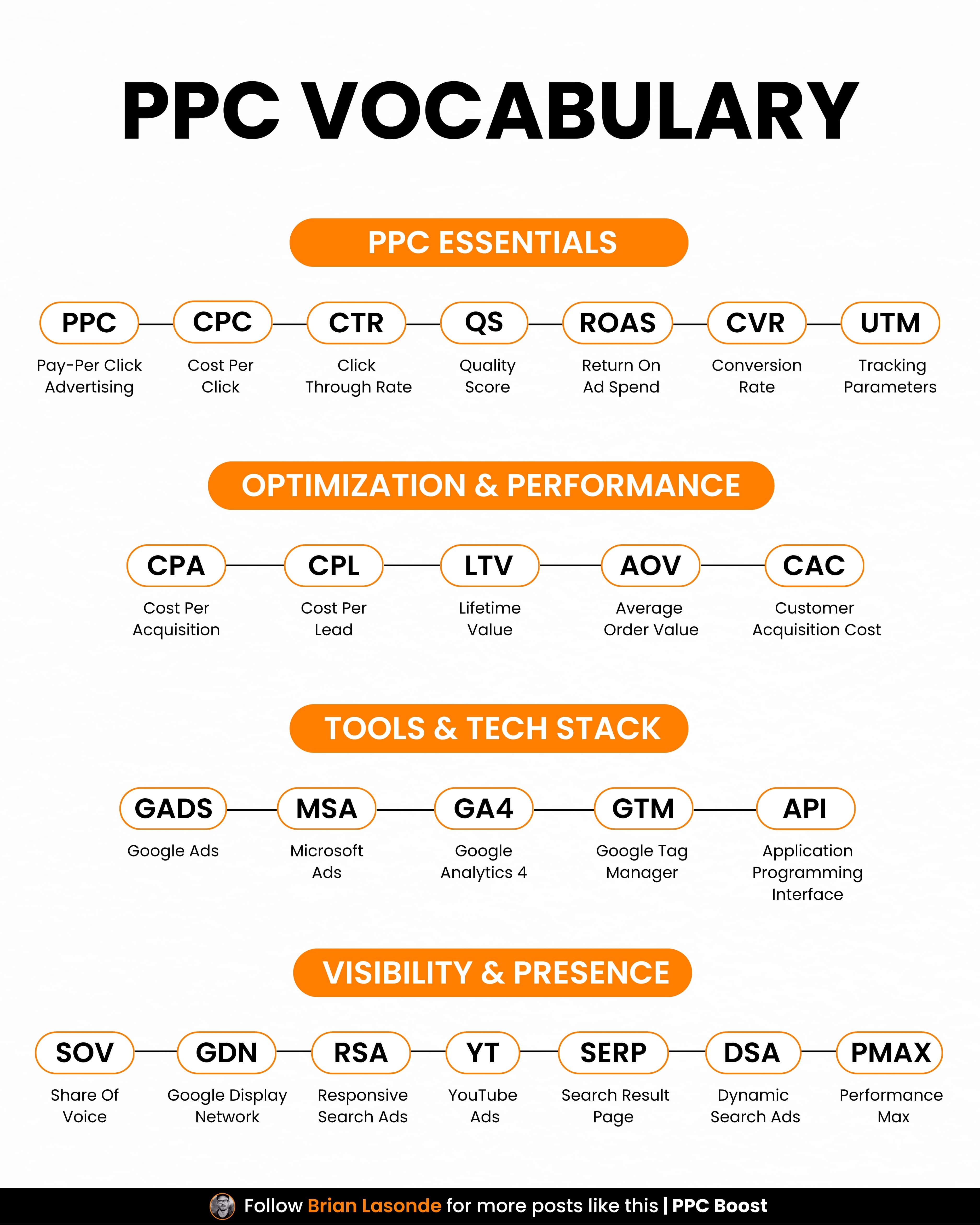
Life insurance remains one of the most competitive and expensive niches within the search engine marketing (SEM) landscape. In 2026, the digital marketplace for financial services has matured, with artificial intelligence driving much of the bidding logic. However, the fundamental economics of the industry—high lifetime value (LTV) and long sales cycles—continue to dictate the high cost-per-click (CPC) rates.
Average CPCs for high-intent keywords like "term life insurance quotes" or "whole life insurance for seniors" often range between $40 and $120, depending on the geographic target and the level of competition. Because a single policy can generate thousands of dollars in commission or long-term premiums, carriers and independent agencies are willing to pay a premium to appear at the top of search results.
To succeed, advertisers must understand the "Cost Per Acquisition" (CPA) rather than just the CPC. A lead might cost $150, but if one in five leads converts into a policy with a $2,000 annual premium, the economics remain highly favorable. The goal in 2026 is to use advanced tracking to ensure that every dollar spent on Google Ads or Microsoft Advertising is attracting a "qualified" lead rather than a casual browser.
Navigating Regulatory Compliance and Verification
Before launching a single ad, life insurance advertisers must clear significant regulatory hurdles. Search engines have implemented stringent "Financial Services Verification" processes to combat fraud and ensure that consumers are interacting with legitimate entities.
Google Financial Services Verification
In 2026, Google requires all advertisers promoting life insurance to be verified. This process involves proving that you are authorized by the relevant financial services regulator in your country or region. For example, in the United States, this often means showing alignment with state-level insurance departments or national bodies. Advertisers must often undergo a third-party audit through entities like G2 or similar verification partners.
Transparency and Disclosures
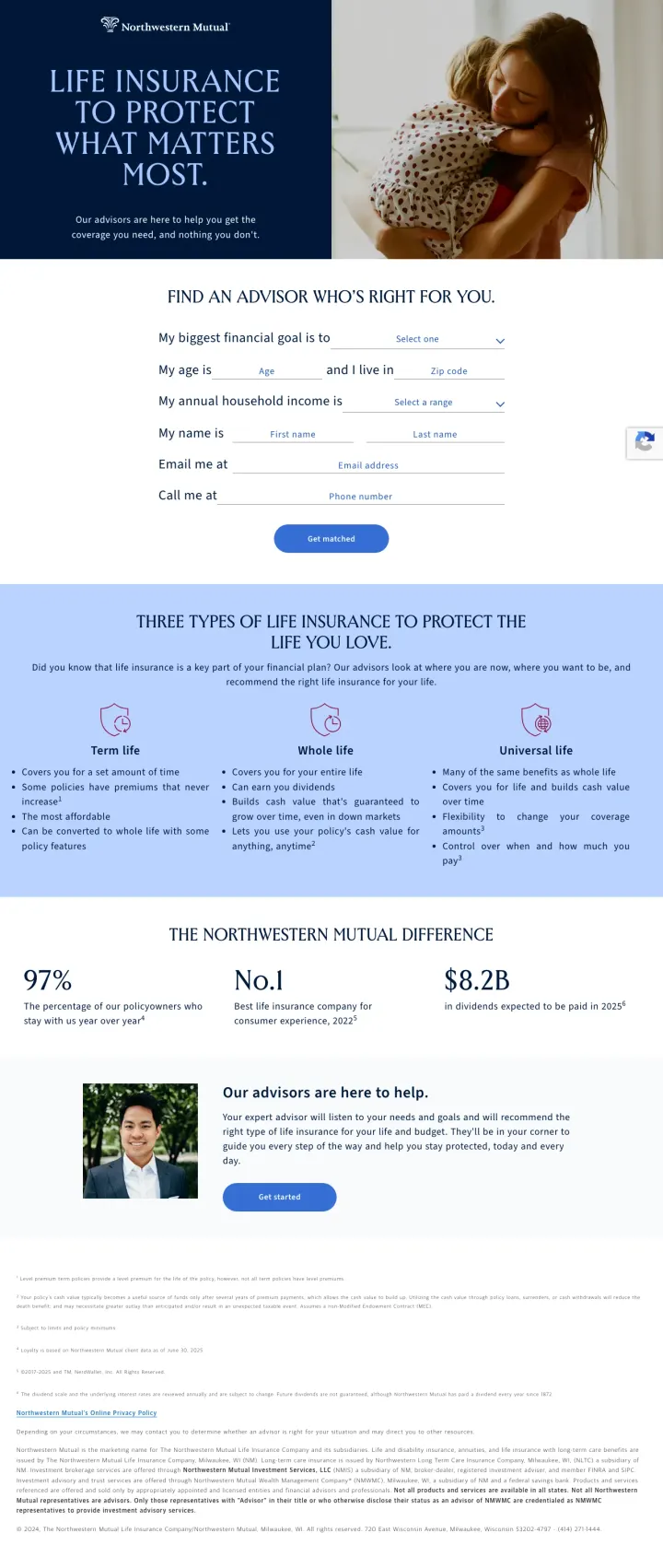
Ad copy and landing pages must be transparent about the nature of the service. You cannot promise "guaranteed lowest rates" without substantiated data, and all landing pages must include physical addresses, contact information, and licensing details. Failure to include these "trust signals" can result in ad disapproval or, worse, a permanent account suspension.
Strategic Keyword Architecture
A robust PPC guide to life insurance is built on a foundation of tiered keyword structures. You cannot bid on all keywords with the same aggression; you must segment them based on where the user is in the "buying funnel."
High-Intent Transactional Keywords
These are the most expensive but most valuable terms. Users searching for these are ready to compare rates or speak with an agent immediately.
- "Buy term life insurance online"
- "Whole life insurance quotes"
- "Life insurance for seniors over 70"
- "Final expense insurance coverage"
Informational and Educational Keywords
These keywords have lower CPCs but require a longer nurturing process. They are ideal for "Top of Funnel" (TOFU) strategies where you offer a lead magnet, such as a "2026 Life Insurance Buyer's Guide."
- "How much life insurance do I need?"
- "Term vs whole life insurance pros and cons"
- "Is life insurance taxable?"
The Role of Long-Tail Keywords
In 2026, conversational search and AI-driven queries mean long-tail keywords are more prevalent. Targeting specific niches—such as "life insurance for type 2 diabetics" or "non-smoker life insurance rates"—allows smaller agencies to compete with national carriers by offering highly relevant solutions to specific demographics.
Crafting High-Performance Ad Creative
In a sea of similar-looking ads, your creative must resonate emotionally while remaining compliant. Life insurance is a "grudge purchase"—people buy it because they have to protect their family, not because they want to.
Responsive Search Ads (RSAs)
Google’s RSA format is the standard in 2026. You provide up to 15 headlines and 4 descriptions, and the AI tests different combinations. To stand out, use a mix of:
- Social Proof: "Over 1 Million Families Protected."
- Urgency/Ease: "Get a Quote in Under 2 Minutes."
- Benefit-Driven: "Ensure Your Family’s Financial Security Today."
Leveraging Ad Assets
Ad assets (formerly extensions) are critical for increasing your "Real Estate" on the search results page.
- Sitelink Assets: Direct users to specific pages like "About Us," "Claim Process," or "Policy Types."
- Call Assets: Essential for insurance, as many users prefer to speak to a licensed agent immediately.
- Structured Snippets: Use these to list "Policy Types" (Term, Whole, Universal, Variable).
Landing Page Optimization for Insurance Leads
Your PPC campaign is only as good as your landing page. If you spend $80 on a click and the user bounces because the page is slow or confusing, that money is wasted.
Trust Signals and Authority
Life insurance involves sensitive personal and financial data. Your landing page must look professional. In 2026, users look for:
- AM Best or S&P Ratings: To prove the financial strength of the carriers you represent.
- SSL Certificates: Standard, but essential for the "Secure" padlock in browsers.
- Privacy Policy Links: Must be prominent to comply with data protection laws.
The Friction Balance
There is a constant battle between lead volume and lead quality. A short form (Name and Email) will get more leads, but they will be low quality. A long form (Age, Health Status, Smoking Habits, Coverage Amount) will get fewer leads, but those leads are much closer to a sale. In 2026, many successful advertisers use "Multi-Step Forms" that feel like a quiz, reducing the perceived effort while still collecting vital underwriting data.
Comparison of Life Insurance PPC Segments
The following table outlines the typical performance metrics for the three primary life insurance segments in the 2026 PPC market.
| Insurance Type | Average CPC (Est.) | Competition Level | Lead Quality | Primary Audience |
|---|---|---|---|---|
| Term Life | $45 - $75 | Very High | High (Transactional) | Young families, mortgage holders |
| Whole Life | $60 - $110 | High | Very High (Investment focus) | High-net-worth individuals |
| Final Expense | $25 - $50 | Medium-High | Moderate (High volume) | Seniors (65+), low-income earners |
| Guaranteed Issue | $35 - $60 | Medium | Moderate (High risk) | Individuals with health issues |
Tracking, Attribution, and CRM Integration
The biggest mistake in life insurance PPC is stopping your tracking at the "Lead" level. Because the gap between a "Lead" and a "Policy Issue" can be weeks or months, you must implement Offline Conversion Tracking (OCT).
By 2026, the integration between platforms like Google Ads and CRMs (Salesforce, HubSpot, or industry-specific tools like AgencyBloc) has become seamless. When a lead is generated, a unique "GCLID" (Google Click ID) is passed into your CRM. When that lead eventually converts into a paid policy, the CRM sends that "Value" back to Google Ads. This allows the bidding algorithm to optimize for revenue and actual sales rather than just form submissions.
Common Pitfalls to Avoid
- Ignoring Negative Keywords: If you don't exclude terms like "jobs," "meaning," "news," or "free," you will waste thousands of dollars on non-intent traffic.
- Broad Match Without Constraints: In 2026, Broad Match is more effective than it used to be, but it must be paired with Smart Bidding (like Target CPA) and a robust list of negative keywords.
- Slow Load Times: Mobile traffic accounts for over 60% of insurance searches. A landing page that takes more than 3 seconds to load on a 5G connection will see a significant drop in conversion rates.
- Poor Follow-Up: A PPC lead is "hot" for about five minutes. If your agency doesn't have an automated SMS or immediate call-back system, the lead will likely move to a competitor who responds faster.
Frequently Asked Questions
What is the average conversion rate for life insurance PPC?
In 2026, a well-optimized life insurance landing page typically converts at a rate of 5% to 12%. However, this varies significantly by sub-niche. Final expense insurance often sees higher conversion rates (15%+) due to simpler forms, while complex whole-life or universal-life products may see lower rates but higher policy values.
Can I run life insurance ads on social media instead of search?
Yes, but the intent is different. Search PPC (Google/Bing) targets people actively looking for a policy. Social PPC (Meta/LinkedIn) is "disruptive" and relies on demographic targeting. Generally, Search PPC provides higher-intent leads, while Social PPC is better for brand awareness or retargeting users who have already visited your site.
How much budget do I need to start life insurance PPC?
Due to the high CPCs, a monthly budget of less than $3,000 is often ineffective, as it doesn't provide enough data for the AI bidding algorithms to learn. For national coverage, budgets usually start at $10,000+ per month to remain competitive in the top ad slots.
Is Bing (Microsoft Advertising) worth it for life insurance?
Absolutely. Microsoft Advertising often has a lower CPC than Google and reaches an older, more affluent demographic that is more likely to be in the market for life insurance. Many agencies find that while the volume is lower, the lead quality and ROI on Bing are superior to Google.
How does "Performance Max" work for life insurance?
Performance Max (PMax) is a goal-based campaign type that uses AI to show your ads across Search, YouTube, Display, and Gmail. In 2026, PMax is highly effective for life insurance if you provide it with high-quality "Audience Signals," such as your existing customer lists, to help the AI find similar profiles.
Next Steps for Your PPC Strategy
To begin or refine your life insurance PPC journey, start by securing your financial services verification to avoid account disruptions. Once verified, build a segmented keyword list that separates term, whole, and final expense products into distinct campaigns. Ensure your tracking is configured to capture the entire lifecycle of a policy—from initial click to the final premium payment—enabling you to bid based on the true value of every customer.
Image Gallery