How Much Does Elon Musk Make Per Day?
On average, Elon Musk’s net worth fluctuates by approximately $150 million to $250 million per day, though he does not receive a traditional salary. This figure is derived from the shifting market valuations of his primary equity holdi...
On average, Elon Musk’s net worth fluctuates by approximately $150 million to $250 million per day, though he does not receive a traditional salary. This figure is derived from the shifting market valuations of his primary equity holdings in Tesla, SpaceX, and xAI, rather than liquid cash payments or monthly payroll deposits.
Contents
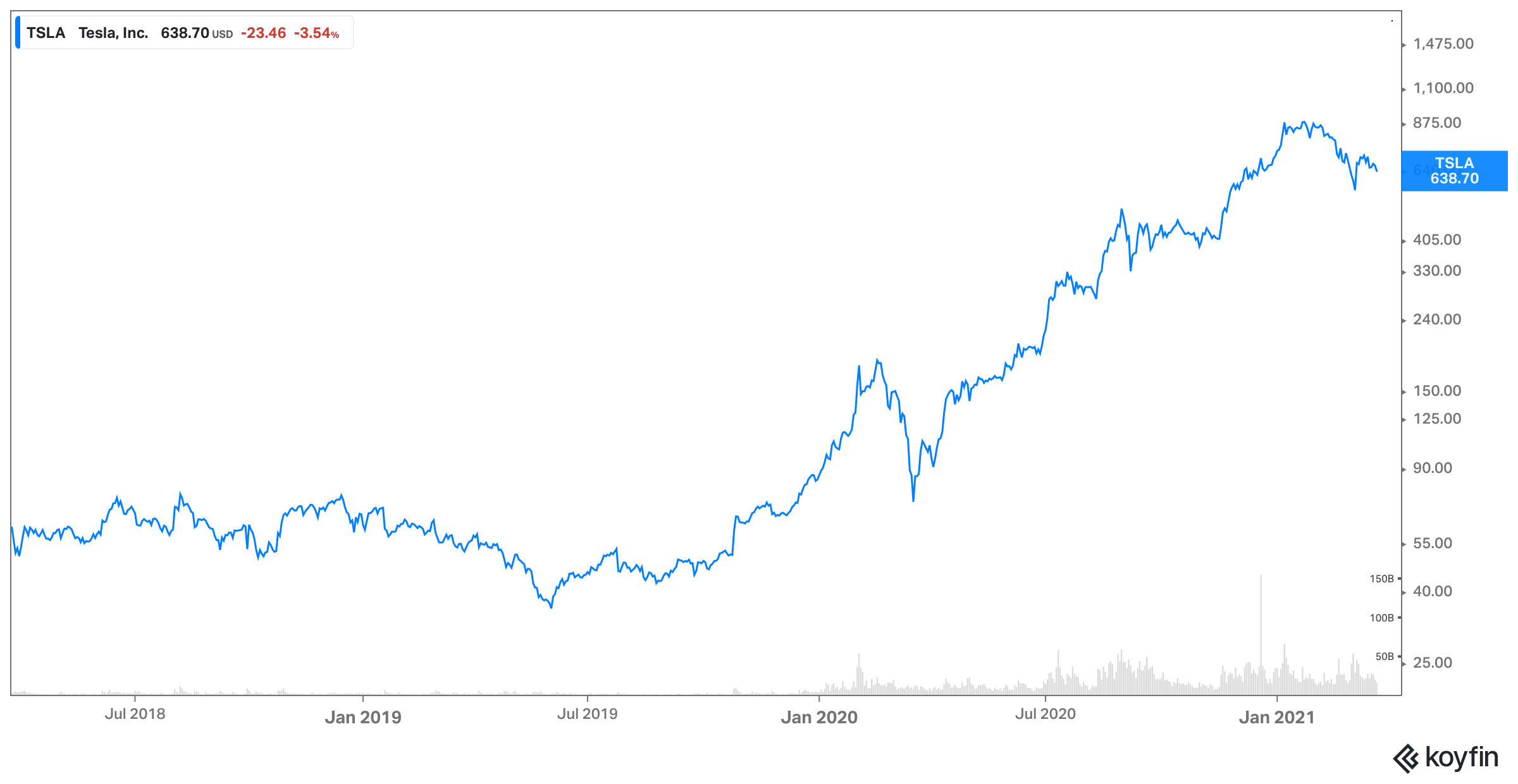
To understand how much Elon Musk "makes," one must first distinguish between a standard income and the appreciation of assets. As of 2026, Musk remains the world’s most prominent example of a "paper billionaire." His wealth is almost entirely tied to the performance of the companies he leads. On a day when Tesla (TSLA) stock rises by 5%, Musk’s net worth can increase by over $10 billion in a matter of hours. Conversely, a market downturn can result in a "loss" of several billion dollars in a single afternoon.
The Mechanics of Billionaire "Earnings"
For the average professional, earnings are a fixed sum agreed upon in a contract. For Elon Musk, "making money" is an exercise in valuation. Musk famously does not take a salary from Tesla, and he has often described himself as "cash poor," meaning that while he is worth hundreds of billions, his actual bank account balance is a fraction of that total.
His daily earnings are calculated by taking the annual change in his net worth and dividing it by 365 days. However, this is a smoothed average. In reality, his wealth moves in high-velocity spikes and dips. The core drivers of these movements are his ownership stakes in several multi-billion-dollar entities.
The Role of Equity Over Income
Musk’s wealth is concentrated in equity—ownership shares in companies. When these companies become more valuable because of technological breakthroughs, quarterly earnings reports, or successful product launches (such as the Starship Mars program or Tesla’s Optimus robot), Musk’s net worth climbs.
Because he rarely sells his shares—using them instead as collateral for loans to fund his lifestyle and new ventures—he avoids the traditional income tax cycles that apply to salaried employees. This "buy, borrow, die" strategy is common among the ultra-wealthy, where wealth is "made" through the growth of the business rather than a paycheck.
Primary Engines of Musk's Daily Wealth in 2026
To calculate a daily average, we must look at the specific companies that contribute to his net worth. By 2026, his portfolio has diversified significantly beyond automotive manufacturing.
1. Tesla, Inc. (TSLA)
Tesla remains the largest contributor to Musk’s daily earnings. As the company has transitioned from a pure electric vehicle (EV) manufacturer to an AI and robotics powerhouse, its valuation remains highly sensitive to market sentiment. In 2026, Tesla’s valuation is driven not just by car sales, but by the licensing of Full Self-Driving (FSD) software and the deployment of the Optimus humanoid robot in industrial settings.
Musk owns approximately 13% to 20% of Tesla (depending on the status of his various compensation packages and stock options). A $1 move in Tesla’s stock price can change his net worth by hundreds of millions of dollars.
2. SpaceX and Starlink
Unlike Tesla, SpaceX is a private company. Its valuation does not change every second on a stock ticker. Instead, its value jumps during periodic funding rounds or secondary market share sales. By 2026, SpaceX is often valued at over $200 billion, driven largely by the dominance of Starlink, the satellite internet constellation.
If SpaceX grows in value by $50 billion over the course of a year, Musk’s roughly 42% stake would increase by $21 billion. Dividing that by 365 days adds approximately $57 million per day to his average earnings.
3. xAI
Musk’s artificial intelligence venture, xAI, has become a significant pillar of his wealth. As AI valuations soared through the mid-2020s, xAI’s integration with the X platform (formerly Twitter) and its Grok models have attracted massive private investment. For Musk, xAI represents a high-growth asset that contributes to his daily "gains" through upward valuation adjustments in the private tech sector.
Comparison of Daily Earnings: Musk vs. Global Benchmarks
To put Musk’s daily "earnings" into perspective, it is helpful to compare his wealth accumulation with other high-earners and economic indicators. Note that the figures for Musk represent net worth appreciation, while others represent actual realized income.
| Entity/Individual | Estimated Daily Earnings (2026) | Source of Wealth |
|---|---|---|
| Elon Musk | $185,000,000 | Asset Appreciation (TSLA, SpaceX) |
| Jeff Bezos | $140,000,000 | Amazon Equity / Blue Origin |
| Average S&P 500 CEO | $45,750 | Salary, Bonuses, Stock Grants |
| Top Professional Athlete | $275,000 | Contracts and Endorsements |
| Average US Household | $205 | Wages and Salaries |
Note: Musk's figure is an average based on an annual net worth increase of $67.5 billion, a typical high-growth year for his portfolio.
The 2018 Tesla CEO Performance Award
A significant portion of Musk’s wealth in 2026 stems from the long-term impact of the 2018 CEO Performance Award. This was a radical compensation plan that provided no salary or bonuses but instead granted Musk the right to buy millions of shares of Tesla stock at 2018 prices if the company hit massive market cap and operational milestones.
By 2026, these milestones—once thought impossible—have largely been met. The "earnings" from this package are realized when Musk exercises his options. Although legal challenges in Delaware courts created volatility regarding this package in 2024, the subsequent shareholder re-ratifications have solidified his right to these assets. When he exercises these options, his "daily earnings" for that specific day can technically jump into the tens of billions, though this is a realization of value built over a decade.
Volatility: When Musk "Loses" Billions in a Day
It is inaccurate to suggest that Musk makes $200 million every single day without fail. Because his wealth is market-dependent, he frequently experiences "red days."
- Market Corrections: If the tech sector faces a 10% correction, Musk can lose $20 billion to $30 billion in a single week.
- Regulatory Impact: Decisions by the SEC or NHTSA regarding Tesla’s autonomous driving software can cause immediate, sharp declines in his daily wealth.
- Operational Failures: In the high-stakes world of aerospace, a failed Starship launch or a delay in the Starlink rollout can lead to downward revisions of SpaceX’s private valuation.
Therefore, Musk's "daily rate" is more like a high-altitude flight through a thunderstorm—the average altitude is high, but the turbulence is extreme.
How Much Does He Make Per Hour and Per Second?
For those who want to break down the $185 million daily average further, the numbers become even more staggering. If we assume a standard 24-hour day (as markets and private valuations do not strictly sleep), the breakdown is as follows:
- Per Hour: $7,708,333
- Per Minute: $128,472
- Per Second: $2,141
To put this in context, in the time it takes the average person to tie their shoes (about 10 seconds), Elon Musk’s net worth has theoretically increased by over $21,000. This is more than many people earn in six months of full-time work.
Taxes and Realized vs. Unrealized Gains
A common question regarding Musk’s daily earnings is how much he keeps after taxes. Under current US tax law in 2026, unrealized gains (the increase in the value of stocks you haven't sold) are generally not taxed as income.
Musk only pays significant taxes when he sells shares or exercises stock options. For example, in 2021, Musk paid the largest individual tax bill in US history (over $11 billion) after exercising options. On a day-to-day basis, however, his $185 million "gain" is not taxed, as it remains locked within the valuation of his companies. This allows his wealth to compound at a rate that would be impossible if he were receiving a standard cash salary subject to top-tier income tax brackets.
Summary of Factors Influencing 2026 Daily Totals
- TSLA Stock Price: The primary daily mover.
- SpaceX Valuation Rounds: Occasional massive jumps in net worth.
- xAI Growth: Contributions from the private AI sector.
- Borrowing Power: Musk uses his shares as collateral to access cash without selling assets, maintaining his ownership percentage.
- Market Sentiment: His public persona and "X" posts continue to influence the retail investor sentiment that drives Tesla's volatility.
Frequently Asked Questions
Does Elon Musk get a paycheck every two weeks?
No. Elon Musk does not receive a traditional paycheck or salary from Tesla or SpaceX. His wealth comes entirely from the increasing value of the shares he owns in those companies. He has famously turned down the minimum salary required by California law in previous years.
What is the most Elon Musk has made in a single day?
Historically, Musk has seen his net worth increase by as much as $25 billion to $36 billion in a single day. This usually happens following a blowout earnings report from Tesla or a massive new valuation for SpaceX.
How does Elon Musk pay for his lifestyle if he has no salary?
Musk uses a financial strategy known as "securities-backed lending." He takes out loans from major banks using his Tesla or SpaceX shares as collateral. This provides him with liquid cash for personal expenses and new investments without requiring him to sell his shares and trigger capital gains taxes.
Is Musk still the richest person in 2026?
While the rankings fluctuate based on the stock market, Musk typically alternates between the first and second positions, competing with luxury tycoon Bernard Arnault and Amazon founder Jeff Bezos. His daily earnings are generally higher than his peers due to the high volatility and growth potential of his tech-focused portfolio.
How much does Musk make from X (Twitter)?
As of 2026, X is a private company and is generally considered a "wealth-negative" asset compared to his purchase price. While X generates revenue through subscriptions and advertising, it has not contributed to a daily increase in his net worth in the same way Tesla or SpaceX have; in fact, its valuation has been written down by several major investors since the 2022 acquisition.
Next Actions for Interested Observers
To track Elon Musk’s daily earnings in real-time, the most effective method is to follow the Bloomberg Billionaires Index or Forbes Real-Time Billionaires list. These platforms update at the close of every New York trading day, factoring in the latest stock prices and updated private company valuations. For those interested in the underlying drivers of his wealth, monitoring Tesla’s quarterly 10-Q filings and SpaceX’s funding announcements provides the most accurate picture of his long-term financial trajectory.
Image Gallery