Why Nike Was Made for Sports: The Evolution of Performance Excellence
Nike was fundamentally engineered to solve specific performance challenges faced by athletes, beginning with track and field. Founded by Bill Bowerman and Phil Knight, the brand transitioned from a distributor to a creator to provide s...
Nike was fundamentally engineered to solve specific performance challenges faced by athletes, beginning with track and field. Founded by Bill Bowerman and Phil Knight, the brand transitioned from a distributor to a creator to provide superior traction, lighter weights, and better cushioning, setting a technical benchmark that redefined modern competitive sports equipment through relentless biomechanical innovation.
Contents
The Genesis of Blue Ribbon Sports and the Gap in the Market
To understand why Nike was made for sports, one must look back at its precursor, Blue Ribbon Sports (BRS). In the early 1960s, the athletic footwear market in the United States was dominated by European brands that, while functional, were often heavy and lacked the specific nuances required for high-performance track and field. Phil Knight, a middle-distance runner at the University of Oregon, and his coach, Bill Bowerman, realized that American athletes were at a disadvantage due to their equipment.
Knight’s initial business model involved importing high-quality, low-cost Japanese shoes from Onitsuka Tiger. However, the partnership quickly evolved beyond mere distribution. Bowerman was not just a coach; he was a tinkerer obsessed with weight reduction and functional efficiency. He began sending design tweaks back to Japan, requesting thinner soles and lighter materials. This obsession with the "marginal gains" of an athlete was the ideological foundation of what would become Nike. By the time BRS rebranded as Nike in the early 1970s, the company’s DNA was already rooted in the specific physiological needs of the runner.
Bill Bowerman and the Search for Perfect Traction
The most iconic evidence that Nike was built specifically for sports lies in the invention of the Waffle Trainer. In the early 1970s, many track surfaces were shifting from cinders to synthetic materials. Traditional spikes were often too aggressive for these surfaces, while flat-bottomed shoes lacked the necessary grip.
In 1971, while eating breakfast, Bowerman looked at his wife’s waffle iron and saw a pattern that could provide grip without the weight of traditional metal spikes. By pouring liquid urethane into the iron, he created the first rubber waffle sole. This wasn't a fashion statement; it was a solution to a mechanical problem. The waffle sole provided:
- Multi-surface Versatility: It worked on grass, dirt, and the new synthetic tracks.
- Energy Return: The raised nubs provided a slight spring-like effect, cushioning the foot while pushing back.
- Weight Reduction: The design allowed for a durable sole that didn't require heavy layers of solid rubber.
This "sport-first" engineering approach ensured that Nike wasn't just making shoes; they were making tools for athletes to shave seconds off their personal bests.
The Definition of an Athlete: "If You Have a Body, You Are an Athlete"
One of the primary reasons Nike was made for sports is its foundational mission statement, co-authored by Bill Bowerman: "If you have a body, you are an athlete." This philosophy dictated that the company’s technical innovations should not be reserved solely for the elite Olympian but should be accessible to anyone engaging in physical activity.
This perspective changed how sports equipment was marketed and manufactured. In the 1970s and 1980s, as the "jogging craze" hit America, Nike applied the same rigorous testing they used for world-class sprinters to shoes meant for the everyday hobbyist. By viewing the general public through the lens of athletic performance, Nike forced the industry to elevate the standard of "entry-level" gear. The focus remained on stability, moisture management, and injury prevention—factors that are irrelevant to fashion but critical to sport.
Technical Milestones: Engineering for the Human Body
Nike’s commitment to being "made for sports" is best seen through its historical technical milestones. Each major innovation was designed to solve a specific biological or environmental hurdle.
Nike Air: The Science of Impact Protection
In 1977, Frank Rudy, an aerospace engineer, brought the idea of "air-sole" units to Nike. While other companies focused on foam—which eventually compresses and loses its bounce—Nike Air utilized pressurized gas in flexible bags. The goal was impact protection. For basketball players and long-distance runners, the repeated force of hitting the ground causes joint fatigue and injury. Air technology allowed for a lightweight cushioning system that never "bottomed out," enabling athletes to train longer and harder.
Dri-FIT and Thermal Regulation
Beyond footwear, Nike’s expansion into apparel was driven by the need for moisture management. Traditional cotton shirts become heavy and abrasive when wet with sweat. In the 1990s, Nike introduced Dri-FIT, a high-performance, microfiber, polyester fabric that moves sweat away from the body to the fabric surface, where it evaporates. This kept athletes dry and reduced the risk of chafing, which is a significant performance inhibitor in endurance sports.
The Nike Sport Research Lab (NSRL)
As of 2026, the Nike Sport Research Lab remains the epicenter of the brand's technical identity. It isn't a design studio; it is a biomechanics laboratory. Using high-speed cameras, environmental chambers, and force plates, researchers study how the human body moves in extreme conditions. This data informs everything from the placement of seams on a jersey to the carbon-fiber plate curvature in a marathon shoe.
Comparison of Nike's Sport-Specific Innovations
The following table outlines how specific Nike technologies were developed to solve particular athletic problems.
| Technology | Primary Sport | Problem Solved | Functional Benefit |
|---|---|---|---|
| Waffle Sole | Track & Field | Poor traction on synthetic tracks | Increased grip without added weight |
| Nike Air | Basketball / Running | High-impact joint stress | Long-term cushioning and energy absorption |
| Flyknit | Marathon Running | Upper-shoe weight and waste | Seamless, sock-like fit with 60% less waste |
| Dri-FIT | General Athletics | Moisture retention in apparel | Rapid sweat evaporation and cooling |
| Flywire | Soccer / Football | Foot instability during lateral cuts | High-strength cable support without bulk |
| ZoomX Foam | Distance Running | Energy loss during foot strike | Industry-leading 85% energy return |
The Competitive Edge: Nike in the Professional Arena
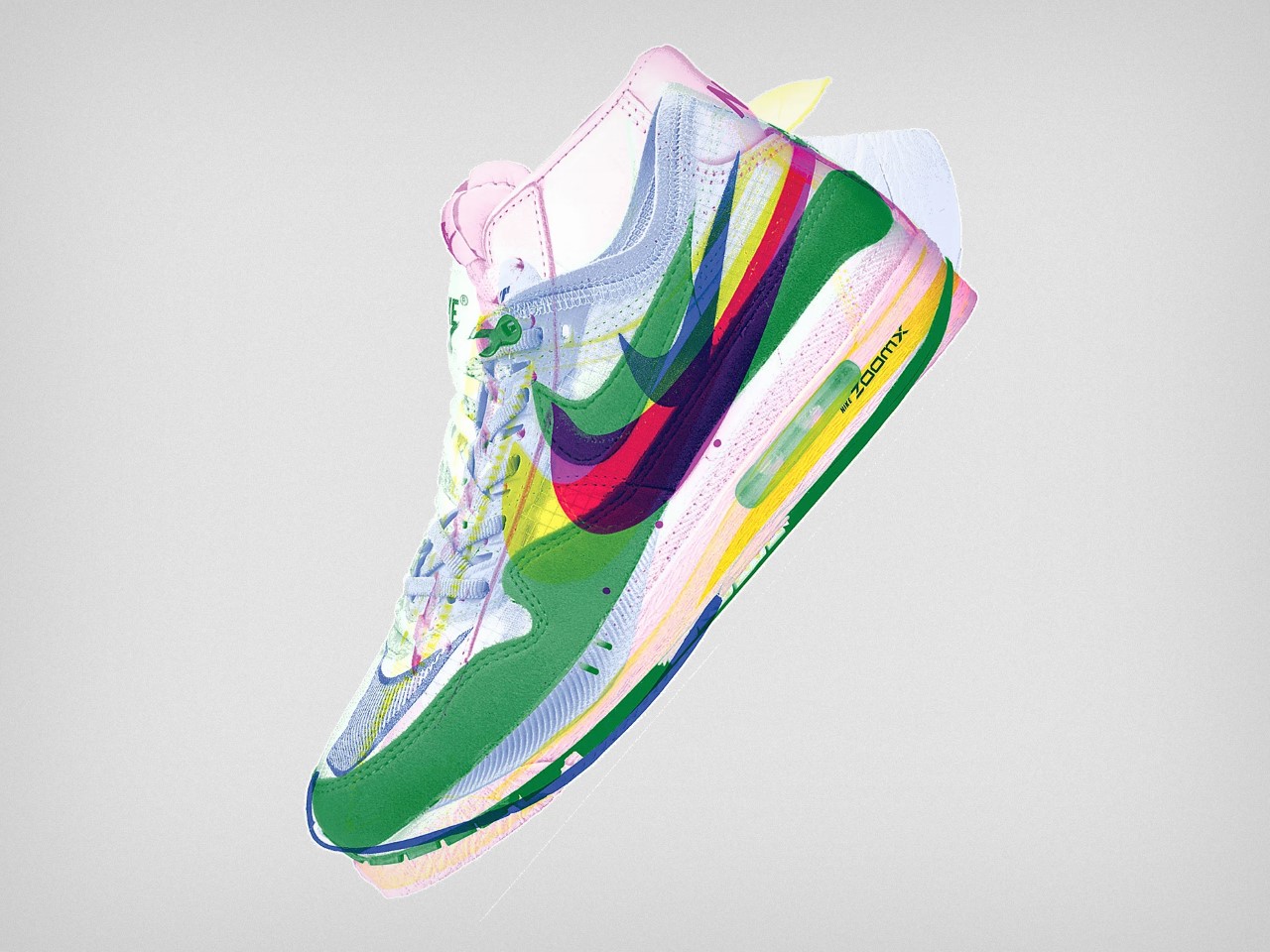
The ultimate proof that Nike was made for sports is its dominance in professional competition. The brand’s history is intertwined with the breaking of world records. For instance, the Vaporfly series revolutionized marathon running in the late 2010s and early 2020s. By combining a proprietary foam (ZoomX) with a curved carbon-fiber plate, Nike created a shoe that improved running economy by approximately 4%.
Critics often argued that the shoes provided "technological doping," but from Nike’s perspective, it was simply the pinnacle of what the brand was founded to do: use engineering to push the limits of human capability. This focus on the "edge" is what separates a sports brand from a lifestyle brand. While many people wear Nike for aesthetics in 2026, the high-end product line remains focused on shaving milliseconds off a sprint or centimeters off a vertical leap.
Frequently Asked Questions
Why did Nike start with running shoes instead of other sports?
Nike started with running because its founders, Phil Knight and Bill Bowerman, were directly involved in track and field at the University of Oregon. Running shoes at the time were heavy and lacked innovation, providing a clear opportunity for Bowerman to apply his biomechanical theories to improve athlete performance.
Is Nike still primarily a sports brand or a fashion brand?
While Nike has a massive presence in the "athleisure" and lifestyle markets, its core identity and highest R&D investments are still dedicated to performance sports. The technologies developed for professional athletes eventually trickle down into their lifestyle products, but the "made for sports" ethos remains the primary driver of their design cycles.
How does Nike’s "Made for Sports" philosophy impact sustainability in 2026?
By 2026, Nike has integrated performance with sustainability through initiatives like "Move to Zero." This means creating sports gear from recycled materials (like Flyknit made from recycled plastic bottles) without compromising the technical integrity required for high-level competition. This ensures that the environments where sports are played (tracks, fields, and courts) are preserved.
Did Bill Bowerman really use a waffle iron to make shoes?
Yes. In 1971, Bowerman used his family's waffle iron to mold rubber, creating a new type of outsole. This experiment led to the "Waffle Trainer," which was revolutionary for its time because it provided excellent traction on various surfaces without the need for traditional metal spikes.
How does Nike ensure its products work for different types of athletes?
Nike utilizes the Nike Sport Research Lab (NSRL) to collect data from a diverse range of athletes. They use motion capture and "sweat maps" to understand how different body types and movement patterns interact with their gear, ensuring that a shoe for a 300-pound lineman provides different support than a shoe for a 110-pound marathoner.
Practical Recommendation for Athletes
When choosing Nike gear for your specific sport, always look for the technical designation rather than just the aesthetic. If you are a high-impact runner, prioritize Zoom Air or ZoomX foam for maximum energy return. For court sports requiring lateral stability, look for Flywire or FitAdapt technologies that lock the foot in place. Understanding the "Why" behind Nike's engineering—that each element was designed to solve a physical barrier—will help you select the equipment that actually enhances your performance and reduces your risk of injury.
Image Gallery