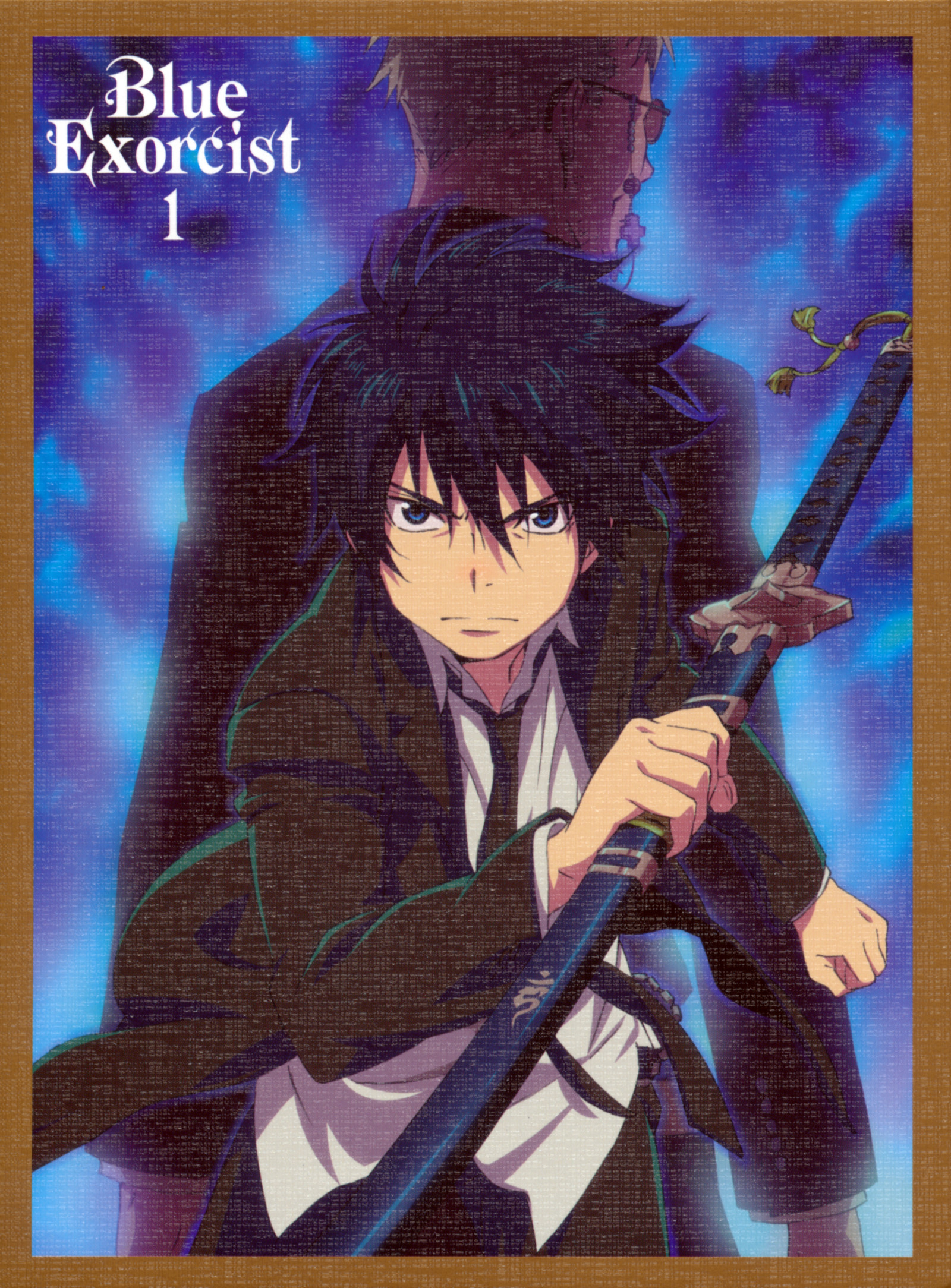
The Father Figures of Blue Exorcist: Shiro Fujimoto and Satan Explained
In the world of Blue Exorcist (Ao no Exorcist), the protagonist Rin Okumura is defined by his relationship with two distinct father figures: his biological father, Satan, the god of Gehenna, and his foster father, Shiro Fujimoto, a Hig...
In the world of Blue Exorcist (Ao no Exorcist), the protagonist Rin Okumura is defined by his relationship with two distinct father figures: his biological father, Satan, the god of Gehenna, and his foster father, Shiro Fujimoto, a High Priest and Paladin of the True Cross Order. While Satan provided Rin’s demonic heritage and destructive Blue Flames, Shiro Fujimoto provided the moral compass, humanity, and discipline that allowed Rin to defy his predatory nature.
Contents
The duality of fatherhood is the central pillar of Kazue Kato’s dark fantasy masterpiece. As of 2026, the series has undergone extensive development in both the manga and its various anime adaptations, providing deep lore regarding the origins of both men. To understand the "Blue Exorcist dad" dynamic, one must look at the conflict between nature and nurture—the biological pull of a literal devil versus the sacrificial love of a flawed but devoted priest.
Shiro Fujimoto: The Paladin Who Chose Fatherhood
Shiro Fujimoto is introduced as the world’s strongest Exorcist, holding the rank of Paladin. However, his most significant achievement was not slaying demons, but raising the sons of Satan—Rin and Yukio—as human beings. Shiro's role in the series is foundational; his death in the opening chapters serves as the primary catalyst for Rin’s quest to become an Exorcist and "beat the shit out of Satan."
The Burden of the Paladin
As a Paladin, Shiro was the only individual capable of resisting possession by Satan for any significant length of time. The True Cross Order originally intended for Shiro to execute the twin sons of Satan upon their birth during the "Blue Night"—a catastrophic event where Satan slaughtered many of the world's highest-ranking clerics. Instead of following orders, Shiro chose to seal Rin's demonic heart in the Koma Sword (Kurikara) and raise the boys in a secluded monastery.
Educational and Moral Influence
Shiro’s parenting style was characterized by "tough love." He recognized that Rin possessed a volatile temper and immense physical strength, often guiding him toward constructive outlets like cooking and basic life skills. By 2026, looking back at the complete character arc provided in the manga, we see that Shiro’s foresight was legendary. He knew that the only way to protect Rin from the Vatican was to ensure Rin remained "human" enough to be worth saving.
Satan: The Biological Father and King of Gehenna
Satan represents the "Nature" side of the equation. In the Blue Exorcist universe, Gehenna is the world of demons, and Assiah is the world of humans. Satan is the god of Gehenna, a conceptual entity of infinite power that lacks a physical form in Assiah. His primary motivation throughout the series is to find or create a vessel strong enough to contain his essence without incinerating instantly.
The Tragedy of Yuri Egin
The biological origin of the "Blue Exorcist dad" is rooted in the relationship between Satan and Yuri Egin, a lower-ranked Exorcist who viewed demons with empathy rather than hatred. Unlike the True Cross Order, which saw Satan as a monster, Yuri saw him as a lonely, curious entity. Their union resulted in the birth of Rin and Yukio. This backstory, heavily detailed in the "Section" arc of the manga, recontextualizes Satan from a one-dimensional villain into a tragic, albeit still destructive, force of nature.
The Blue Flames
The most tangible legacy Satan left to Rin is the Blue Flames. These flames are capable of burning both physical matter and the very soul. While they are a mark of Rin's heritage, they are also a curse that makes him a target for both demons wanting to serve their king and Exorcists wanting to eliminate a threat.
Comparison of Rin Okumura’s Two Fathers
The following table summarizes the key differences between Shiro Fujimoto and Satan, highlighting how their contrasting roles shaped the protagonist's life.
| Feature | Shiro Fujimoto (Foster Dad) | Satan (Biological Dad) |
|---|---|---|
| Primary Realm | Assiah (Human World) | Gehenna (Demon World) |
| Rank/Status | Paladin (True Cross Order) | God / King of Gehenna |
| Core Motivation | Protection and Nurturing | Possession and Domination |
| Legacy to Rin | The Koma Sword & Moral Values | Blue Flames & Demonic Physiology |
| Relationship with Yuri Egin | Guardian / Friend | Lover / Consort |
| Cause of Conflict | Sacrificed his life to save Rin | Attempted to drag Rin to Gehenna |
| View of the Twins | His beloved sons | Potential vessels/extensions of self |
The Impact of the "Blue Night" on the Fatherhood Narrative
The "Blue Night" is the historical anchor for the series. It was the night Satan manifested in Assiah to find Yuri Egin, inadvertently killing scores of priests because their bodies could not handle his presence. This event defines the "Dad" query because it is the moment Shiro and Satan’s lives collided most violently.
Shiro was one of the few survivors of that night, and his decision to save the children was an act of ultimate rebellion against both his employers (the Vatican) and the biological father (Satan). In the 2026 landscape of the series, the Blue Night is viewed not just as a tragedy, but as the moment the "Exorcist Dad" archetype was subverted. Shiro proved that fatherhood is a choice, not a biological requirement.
Character Evolution and 2026 Retrospect
By 2026, the Blue Exorcist franchise has fully explored the "Section" and "Illuminati" arcs, which provided much-needed nuance to Shiro’s past. We now know that Shiro himself was a product of the Asylum, an experimental facility. This shared history of being "created" or "used" by others is what allowed Shiro to empathize so deeply with Rin.
Rin's eventual acceptance of his heritage—using Satan's flames while upholding Shiro's values—is the climax of his character growth. He stops trying to "kill" the part of him that comes from his biological father and instead uses those powers to protect the world his foster father loved.
Key Lore Points for Fans
- The Koma Sword: It wasn't just a weapon; it was Shiro's way of giving Rin a "human" childhood by suppressing his demon heart.
- Possession Resistance: Shiro’s ability to resist Satan in the first episode/chapter is still considered one of the greatest feats of willpower in the series.
- Yukio's Role: While Rin inherited the flames, Yukio inherited the burden of knowledge. Their father figures affected them differently; Shiro's death pushed Yukio toward obsession and fear, while it pushed Rin toward growth and responsibility.
Frequently Asked Questions
Who is Rin Okumura's real dad?
Rin has two "real" dads depending on the definition. Biologically, his father is Satan, the King of Gehenna. Emotionally and legally, his father is Shiro Fujimoto, the Paladin who raised him from infancy. The series emphasizes that Shiro is his "true" father in every sense that matters.
Why did Satan kill Shiro Fujimoto?
Technically, Shiro's body gave out because he was possessed by Satan. Shiro had spent years preparing his heart and mind to resist possession, but a moment of emotional vulnerability—sparked by a fight with Rin—allowed Satan to enter his body. Shiro then committed suicide to protect Rin and prevent Satan from using him as a bridge to Assiah.
Is Shiro Fujimoto actually dead in 2026?
Yes, Shiro Fujimoto remains deceased. While the series features ghosts, memories, and time-travel elements (notably in the later manga arcs), Shiro's death is a permanent fixture of the story. His death is necessary for Rin and Yukio's independence and growth.
Does Rin ever meet his biological father?
Yes, Rin has several encounters with Satan. These range from the initial possession of Shiro to later, more complex psychological and physical confrontations in Gehenna. Unlike typical shonen villains, Satan's "meetings" with his son often revolve around his desire to "claim" Rin as a part of himself.
Was Shiro Fujimoto a good person?
The series portrays Shiro as a "gray" character. While he was a loving father, he was also a cold-blooded assassin for the Vatican in his youth. He kept many secrets from Rin and Yukio, some of which caused them immense trauma. However, his choice to sacrifice everything for them ultimately defines him as a hero in the eyes of the protagonists.
Final Recommendation for Fans
To fully appreciate the complexity of the fatherhood themes in Blue Exorcist, readers should transition from the anime to the manga starting around Chapter 34. While the 2024 and 2025 anime seasons (such as the Shimane Illuminati Saga) have done an excellent job of following the source material, the manga's "Section" arc offers the most definitive look at the history of Shiro, Yuri, and Satan. Understanding the "Blue Exorcist dad" requires seeing these characters not as "Good Priest" and "Evil Demon," but as two sides of a tragic history that Rin Okumura must eventually reconcile.
For more information on character data and official releases, visit the official VIZ Media Blue Exorcist portal or the official anime website.
Image Gallery