White Yellow Discharge Explained: Normal Patterns vs. Concerning Symptoms
Vaginal discharge that appears white or pale yellow is often a normal sign of a healthy reproductive system, reflecting hormonal shifts and the body’s natural cleaning process. However, changes in texture, volume, or scent can signal u...
Vaginal discharge that appears white or pale yellow is often a normal sign of a healthy reproductive system, reflecting hormonal shifts and the body’s natural cleaning process. However, changes in texture, volume, or scent can signal underlying issues like yeast infections, bacterial vaginosis, or sexually transmitted infections requiring medical attention and specific treatment.
Contents
Understanding the Role of Vaginal Discharge
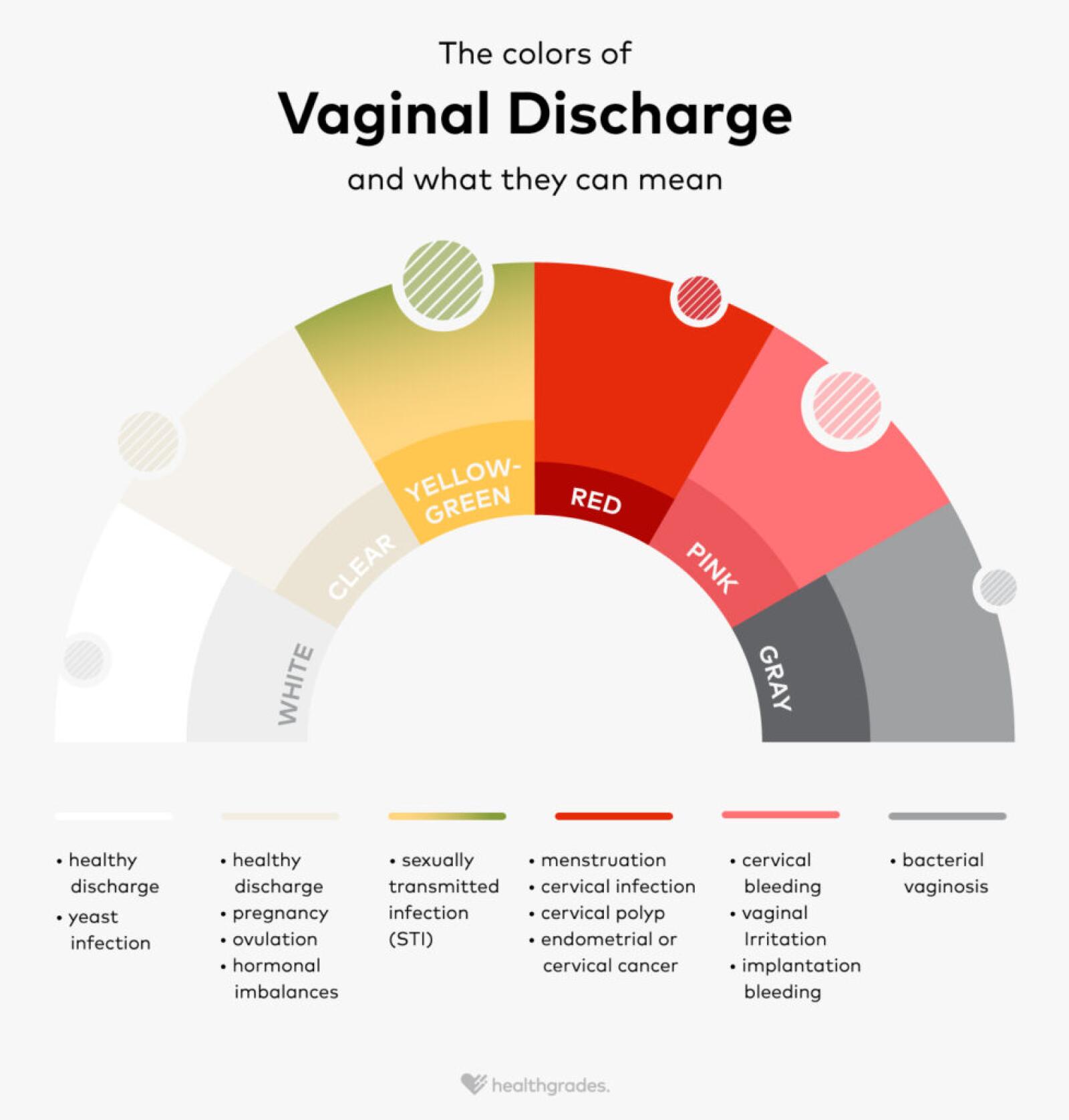
Vaginal discharge, clinically known as leukorrhea, is a fundamental aspect of female reproductive health. It is a fluid produced by glands inside the vagina and cervix that carries away dead cells and bacteria. This process keeps the vagina clean, moist, and protected from infection. In a healthy state, discharge varies in consistency and color throughout the menstrual cycle, often appearing clear, milky white, or even slightly yellow when exposed to air.
As of 2026, medical guidelines emphasize that "normal" is a broad spectrum. For most individuals, discharge is thin and stretchy during ovulation and becomes thicker and whiter during other phases. The presence of Lactobacilli, the dominant "good" bacteria in the vaginal microbiome, ensures a slightly acidic environment (pH 3.8 to 4.5), which inhibits the growth of harmful pathogens. When this delicate balance is disrupted, the appearance of white or yellow discharge may shift from a physiological norm to a pathological symptom.
When White Discharge is Normal vs. Symptomatic
White discharge is the most common form of vaginal secretion. Identifying whether it is healthy requires looking at its texture and accompanying symptoms.
Normal Milky White Discharge
In the early or late stages of the menstrual cycle, it is common to experience a thin, milky white discharge. This is usually odorless or has a very mild, non-offensive scent. It serves to lubricate the vaginal tissues and maintain the mucosal barrier. During pregnancy, an increase in this type of white discharge is typical due to elevated estrogen levels and increased blood flow to the pelvic area.
Thick, Clumpy White Discharge (Yeast Infection)
If white discharge becomes thick and develops a texture similar to cottage cheese, it is frequently a sign of a yeast infection, or Candidiasis. This occurs when there is an overgrowth of Candida albicans, a fungus that naturally lives in the vagina in small amounts.
Unlike normal discharge, a yeast infection is usually accompanied by:
- Intense itching or irritation in the vagina and vulva.
- Redness and swelling of the external genitalia.
- A burning sensation during urination or intercourse.
- A lack of a strong odor (yeast infections typically do not smell "fishy").
According to the Cleveland Clinic, nearly 75% of women will experience at least one yeast infection in their lifetime. Treatment in 2026 remains centered on antifungal medications, which can be administered topically or orally.
Decoding Yellow Vaginal Discharge
Yellow discharge is often more concerning to patients than white discharge, but its significance depends heavily on the shade and presence of other symptoms.
Pale or Light Yellow Discharge
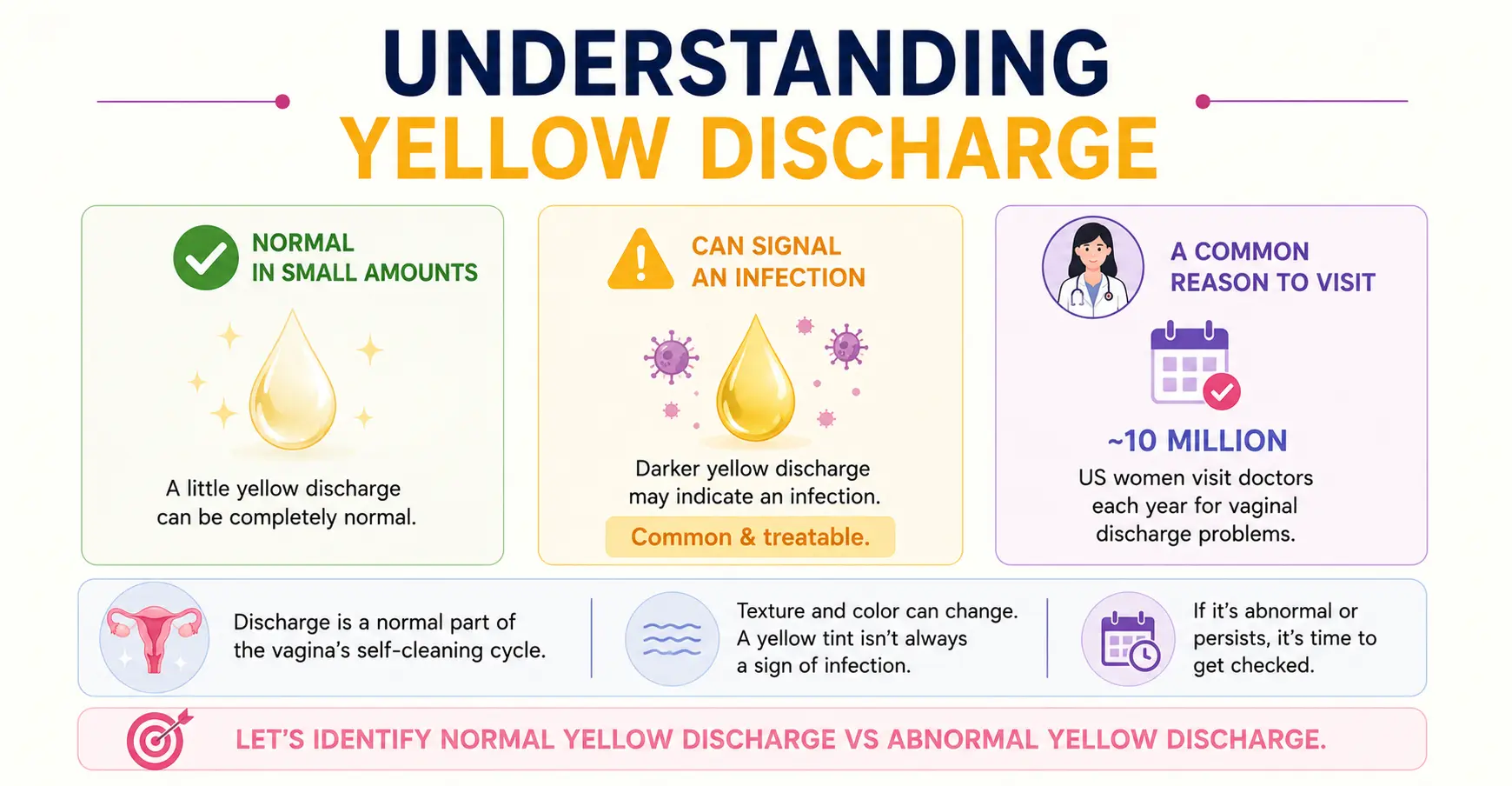
It is not uncommon for white discharge to turn a pale yellow color when it comes into contact with air and dries on underwear. This is a result of oxidation and is usually not a cause for concern if there are no other symptoms. Additionally, dietary changes or certain vitamins can subtly alter the hue of vaginal secretions.
Bright Yellow or Greenish Discharge
When discharge is noticeably yellow, dark yellow, or takes on a greenish tint, it almost always indicates an infection. This color change is often caused by the presence of white blood cells (pus) as the body attempts to fight off a pathogen.
- Trichomoniasis: This is a common sexually transmitted infection (STI) caused by a microscopic parasite called Trichomonas vaginalis. It typically produces a frothy, yellow or green discharge with a strong, unpleasant odor.
- Gonorrhea and Chlamydia: These bacterial STIs can cause an increase in yellow discharge. However, they are frequently asymptomatic, meaning many individuals may not notice a change until the infection has progressed or led to Pelvic Inflammatory Disease (PID).
- Bacterial Vaginosis (BV): While BV is often described as grayish-white, it can sometimes appear off-white or yellowish. The hallmark of BV is a thin consistency and a distinct, "fishy" odor that becomes more pronounced after intercourse or during menstruation.
The Centers for Disease Control and Prevention (CDC) recommends regular screening for STIs, as untreated infections can lead to long-term fertility issues.
The Menstrual Cycle and Discharge Variations
To truly understand white-yellow discharge, one must track it against the menstrual cycle. Hormonal fluctuations dictate the volume and viscosity of these fluids.
- Follicular Phase (Days 1-14): Following the period, discharge is often minimal. As estrogen rises, it becomes creamy or white.
- Ovulation (Mid-cycle): Discharge becomes clear, stretchy, and slippery, resembling raw egg whites. This is designed to help sperm travel to the egg.
- Luteal Phase (Days 15-28): After ovulation, progesterone becomes the dominant hormone. This causes the discharge to thicken and turn white or slightly yellow. It may feel "pasty" or dry during this time.
Understanding these natural shifts helps individuals distinguish between a routine hormonal change and a new infection.
Comparison of Discharge Types and Likely Causes
The following table provides a quick reference for evaluating different types of vaginal discharge.
| Appearance | Consistency | Odor | Potential Cause |
|---|---|---|---|
| Milky White | Thin/Creamy | Mild/None | Normal (Cycle/Pregnancy) |
| Clear/Stretchy | Like egg white | None | Ovulation (Normal) |
| Thick White | Cottage cheese | None/Yeasty | Yeast Infection (Candidiasis) |
| Off-White/Grey | Thin/Watery | Strong Fishy | Bacterial Vaginosis (BV) |
| Pale Yellow | Dry/Pasty | Mild | Oxidation or Luteal Phase |
| Bright Yellow/Green | Frothy/Thick | Foul/Musty | STI (Trichomoniasis/Gonorrhea) |
Diagnostic Procedures and Testing
If you experience "white yellow discharge" that falls outside your normal baseline, healthcare providers in 2026 utilize several diagnostic tools to determine the cause.
- Pelvic Exam: A physical inspection of the vulva, vagina, and cervix to look for redness, swelling, or unusual lesions.
- pH Testing: A simple swab test to measure the acidity of the vagina. A pH higher than 4.5 often suggests BV or Trichomoniasis, while a normal pH is more common with yeast infections.
- Wet Mount (Microscopy): A sample of the discharge is placed on a slide and examined under a microscope to identify yeast cells, bacteria, or parasites.
- NAAT (Nucleic Acid Amplification Test): This highly sensitive test, often used for Chlamydia and Gonorrhea, detects the DNA of the pathogen. It is considered the gold standard for STI diagnosis according to the American College of Obstetricians and Gynecologists (ACOG).
Treatment and Management Strategies
The treatment for white or yellow discharge depends entirely on the underlying diagnosis. Self-treating with over-the-counter (OTC) products can sometimes worsen the condition if the diagnosis is incorrect.
- Yeast Infections: Typically treated with antifungal creams or suppositories (like miconazole) or a single oral dose of fluconazole.
- Bacterial Vaginosis: Requires prescription antibiotics, such as metronidazole or clindamycin, available in oral or gel forms.
- STIs: Bacterial STIs are treated with specific antibiotics. It is vital that sexual partners are also treated to prevent reinfection.
- Hormonal Changes: If discharge changes are due to menopause or hormonal birth control, a doctor may adjust medications or suggest topical estrogen.
Prevention and Vaginal Health
Maintaining a healthy vaginal microbiome involves several best practices:
- Avoid Douching: The vagina is self-cleaning. Douching flushes out healthy bacteria and increases the risk of BV and yeast infections.
- Breathable Clothing: Wear cotton underwear to allow airflow and prevent moisture buildup, which can encourage yeast growth.
- Scent-Free Products: Avoid scented soaps, sprays, or tampons that can irritate the delicate mucosal lining.
- Probiotics: Some studies suggest that oral or vaginal probiotics containing Lactobacillus strains may help maintain a balanced pH.
FAQs
Can stress cause yellow discharge?
Stress itself does not directly cause yellow discharge, but it can weaken the immune system and disrupt hormonal balance. This disruption may make you more susceptible to infections like BV or yeast, which then manifest as changes in discharge color and consistency.
Is yellow discharge a sign of early pregnancy?
While increased white discharge (leukorrhea) is a common early sign of pregnancy, yellow discharge is less typical unless it is very pale and odorless. If you are pregnant and notice bright yellow discharge, it is important to screen for infections, as certain STIs or BV can impact pregnancy outcomes.
How do I know if my discharge is "off-white" or "yellow"?
The distinction is often subjective. Generally, "off-white" is a creamy or ivory color that lacks a distinct yellow pigment. If the fluid looks distinctly like a highlighter or a lemon, it is classified as yellow and warrants a medical evaluation, especially if it has a foul smell.
Does yellow discharge always mean I have an STI?
No. While many STIs cause yellow discharge, it can also be caused by Bacterial Vaginosis, an inflammatory response to a foreign object (like a forgotten tampon), or simply the drying/oxidation of normal leukorrhea. A clinical test is the only way to be certain.
Why does my discharge turn yellow after I exercise?
Physical activity increases sweat and heat in the pelvic area. Normal white discharge can mix with sweat or oxidize more quickly due to the increased body temperature and airflow, often resulting in a yellowish stain on workout gear.
When to See a Professional
If you are unsure about the nature of your discharge, the safest course of action is to consult a healthcare provider. You should seek an appointment immediately if you experience:
- A sudden change in color to bright yellow, green, or gray.
- A strong, foul, or "fishy" odor.
- Persistent itching, burning, or soreness.
- Pelvic pain or pain during intercourse.
- Spotting or bleeding between periods.
As of 2026, many of these conditions are easily treatable with short courses of medication. Delaying treatment for infections like Chlamydia or Gonorrhea can lead to complications such as Pelvic Inflammatory Disease (PID) or chronic pelvic pain. For accurate diagnosis, avoid using any vaginal creams or douching for 24–48 hours before your appointment.
Image Gallery