What Is 10 AM Eastern Time in Pacific Time? A Comprehensive Conversion Guide
10:00 AM Eastern Time (ET) is 7:00 AM Pacific Time (PT). This three-hour difference remains constant throughout the year because both time zones typically transition between Standard Time and Daylight Saving Time on the same dates and...
10:00 AM Eastern Time (ET) is 7:00 AM Pacific Time (PT). This three-hour difference remains constant throughout the year because both time zones typically transition between Standard Time and Daylight Saving Time on the same dates and at the same local time, maintaining the fixed three-hour gap.
Contents
Navigating North American time zones is a fundamental skill for professionals, travelers, and remote workers. In 2026, as decentralized workforces become the standard rather than the exception, understanding the temporal relationship between the Atlantic and Pacific coasts is essential for ensuring operational efficiency and maintaining healthy professional boundaries. While the calculation seems simple at first glance, nuances regarding Daylight Saving Time (DST), geographic exceptions, and international coordination require a deeper look to avoid scheduling errors.
The Mathematical Foundation: The Three-Hour Delta
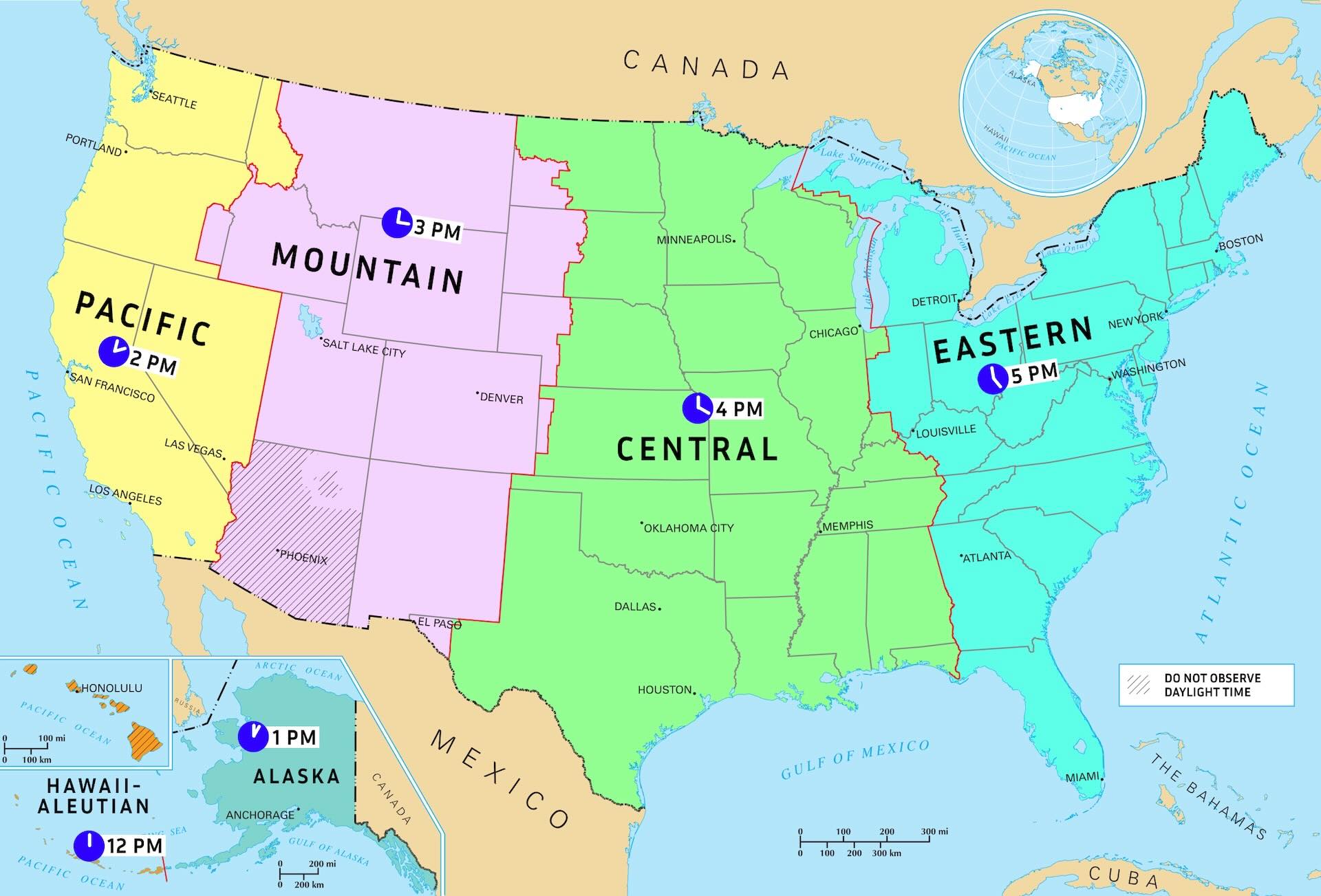
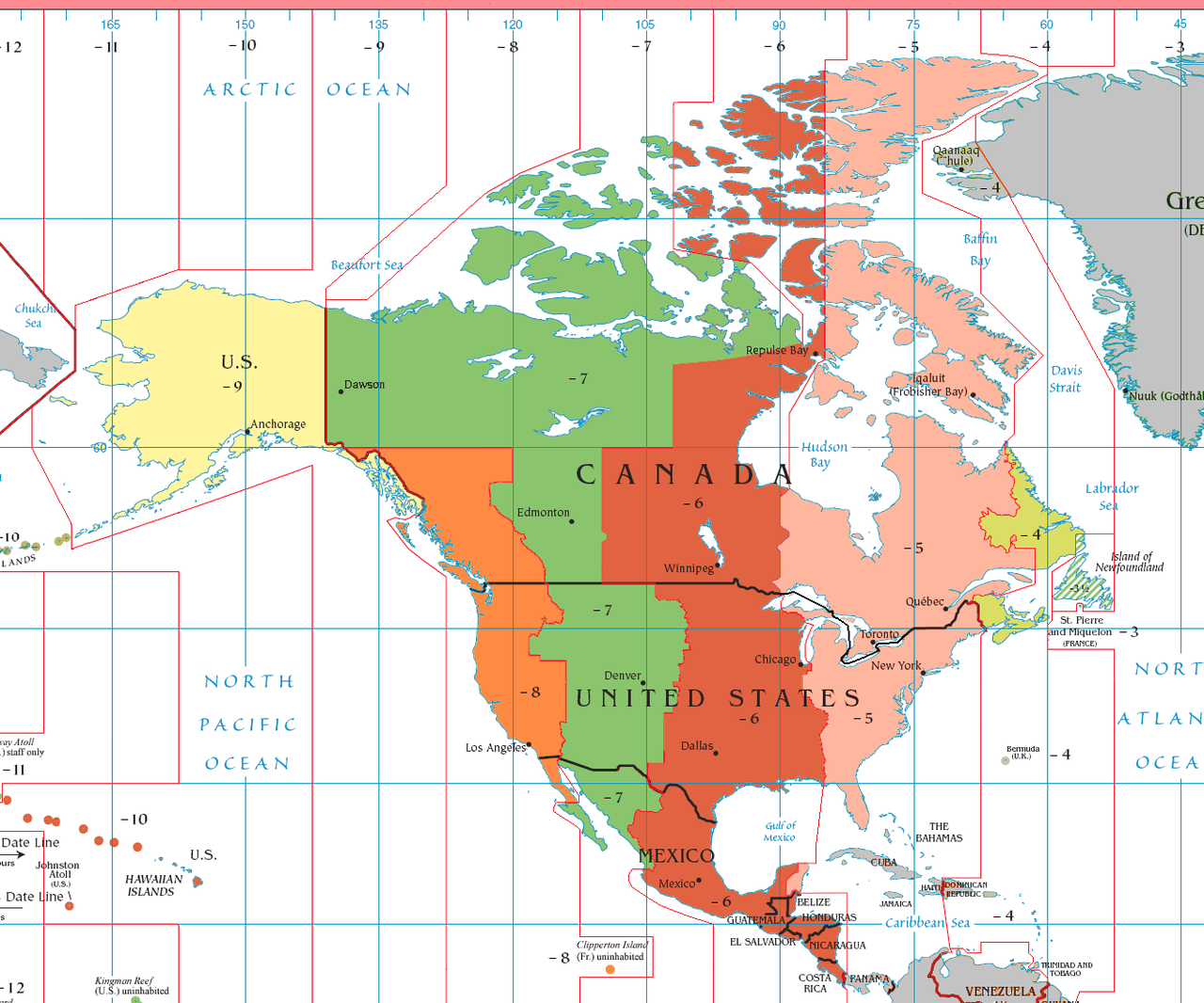
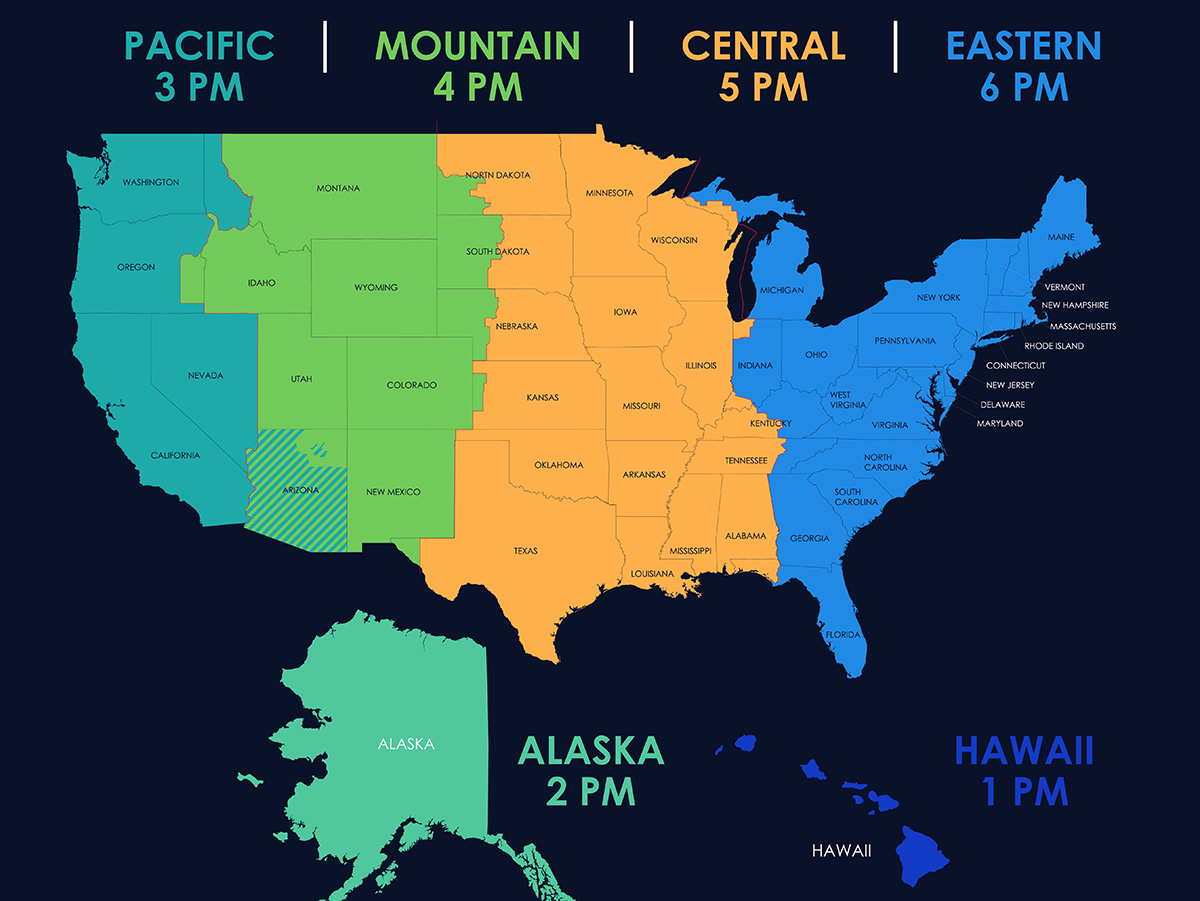
The United States is divided into several time zones, with Eastern Time and Pacific Time acting as the primary anchors for the nation's commercial and media activities. To understand why 10:00 AM in New York translates to 7:00 AM in Los Angeles, one must look at the Coordinated Universal Time (UTC) offsets.
Eastern Time (ET) Offsets
Eastern Time fluctuates between two states:
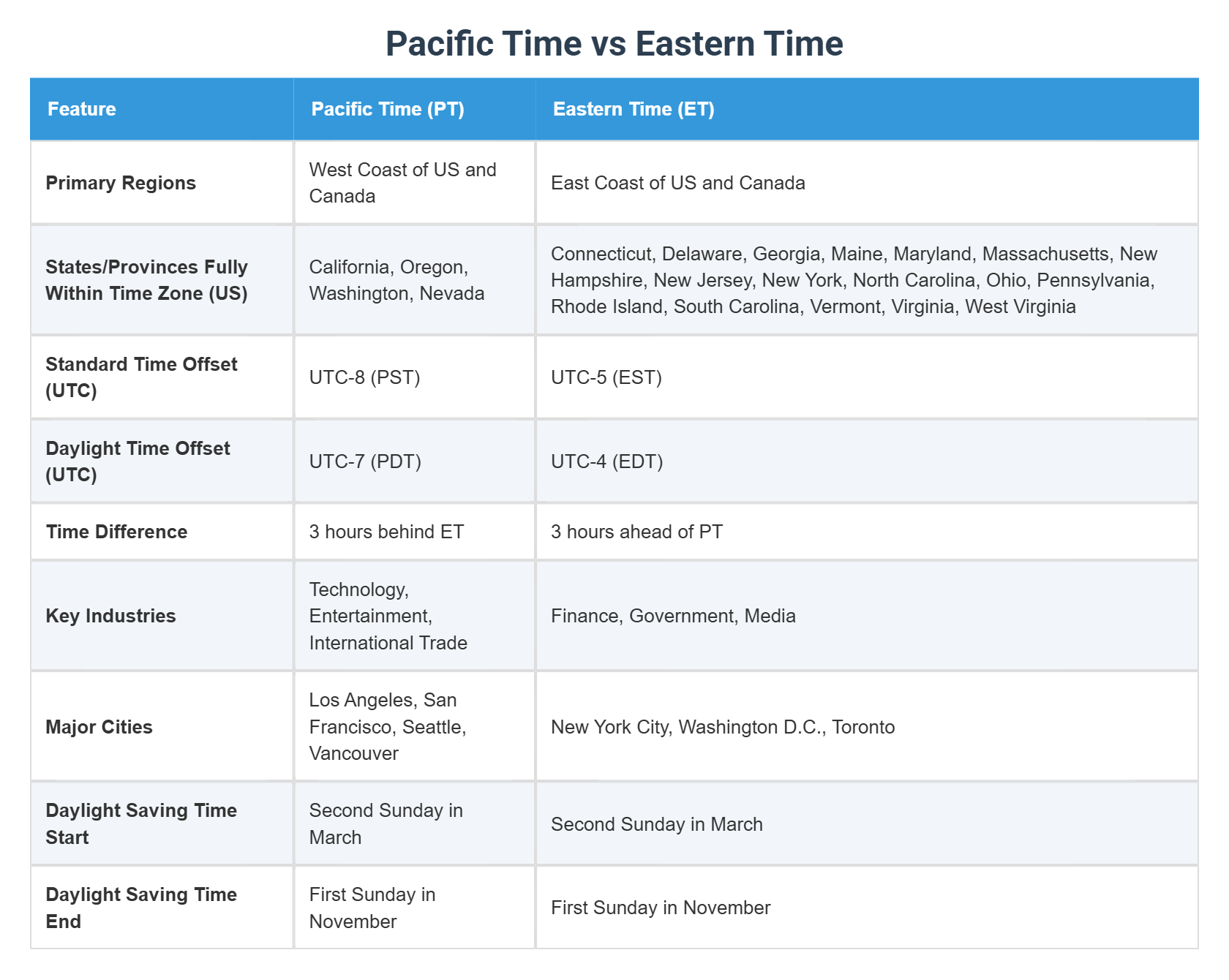
- Eastern Standard Time (EST): UTC-5. This is observed from the first Sunday in November to the second Sunday in March.
- Eastern Daylight Time (EDT): UTC-4. This is observed from the second Sunday in March to the first Sunday in November.
Pacific Time (PT) Offsets
Pacific Time also fluctuates between two states:
- Pacific Standard Time (PST): UTC-8. Observed during the winter months.
- Pacific Daylight Time (PDT): UTC-7. Observed during the summer months.
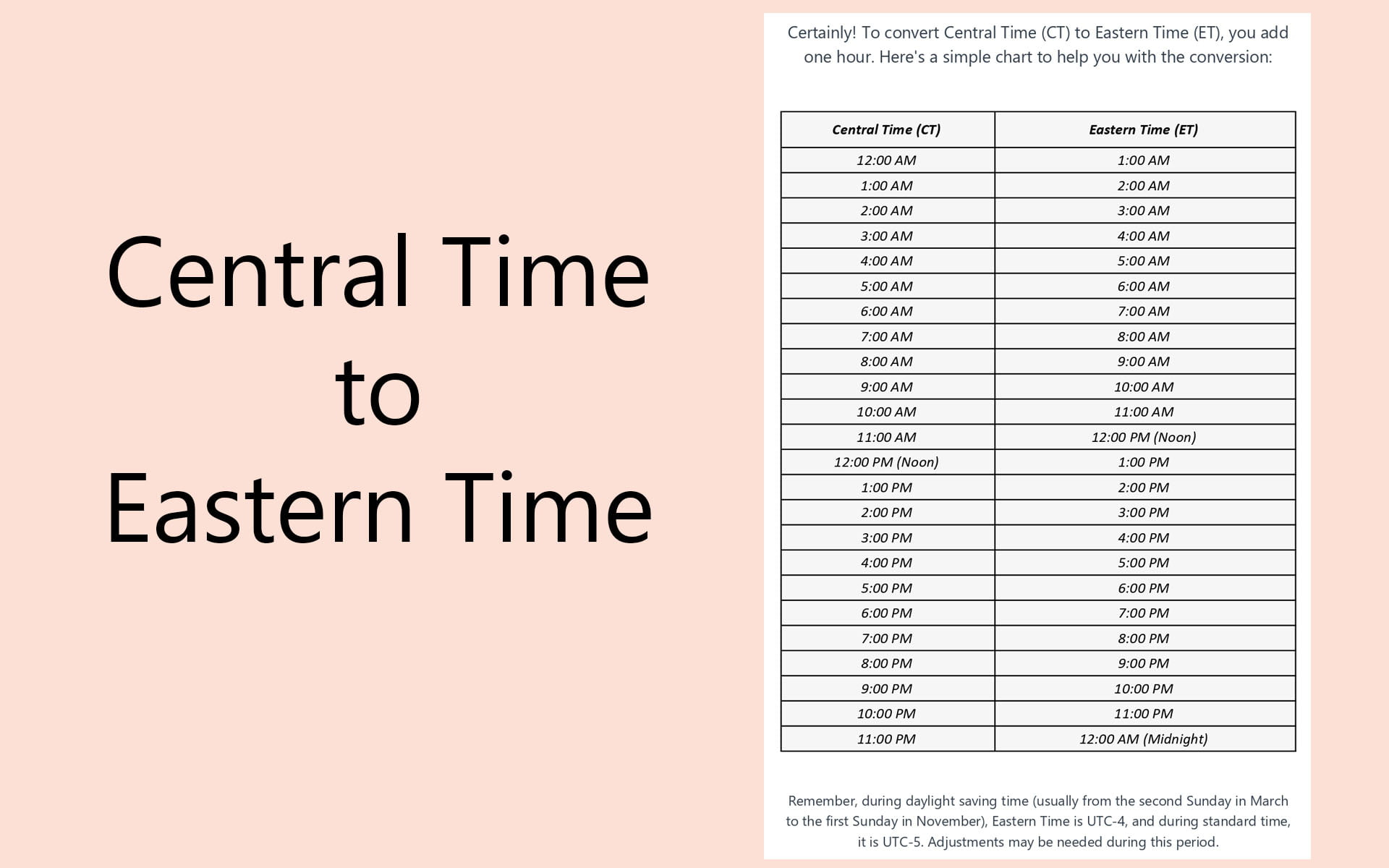
Regardless of whether it is summer or winter, the gap between the two offsets remains exactly three hours. For example, in the summer: (UTC-4) - (UTC-7) = 3 hours. In the winter: (UTC-5) - (UTC-8) = 3 hours. Therefore, whenever you are at 10:00 AM on the East Coast, you simply subtract three hours to find the time on the West Coast.
2026 Daylight Saving Time Schedule
In 2026, the transition dates follow the established federal guidelines set by the Energy Policy Act of 2005. Knowing these dates is crucial for those working with automated systems or legacy software that might not update time zones correctly.
- Spring Forward: On Sunday, March 8, 2026, at 2:00 AM, clocks move forward one hour. Eastern Time shifts from EST to EDT, and Pacific Time shifts from PST to PDT.
- Fall Back: On Sunday, November 1, 2026, at 2:00 AM, clocks move back one hour. Eastern Time shifts from EDT to EST, and Pacific Time shifts from PDT to PST.
Because both zones change simultaneously relative to their local positions, the 10:00 AM ET to 7:00 AM PT conversion is never interrupted by the DST transition itself. The only risk occurs during the actual hour of the switch (between 2:00 AM and 3:00 AM), which does not affect a 10:00 AM synchronization.
Quick Conversion Table for Morning Hours
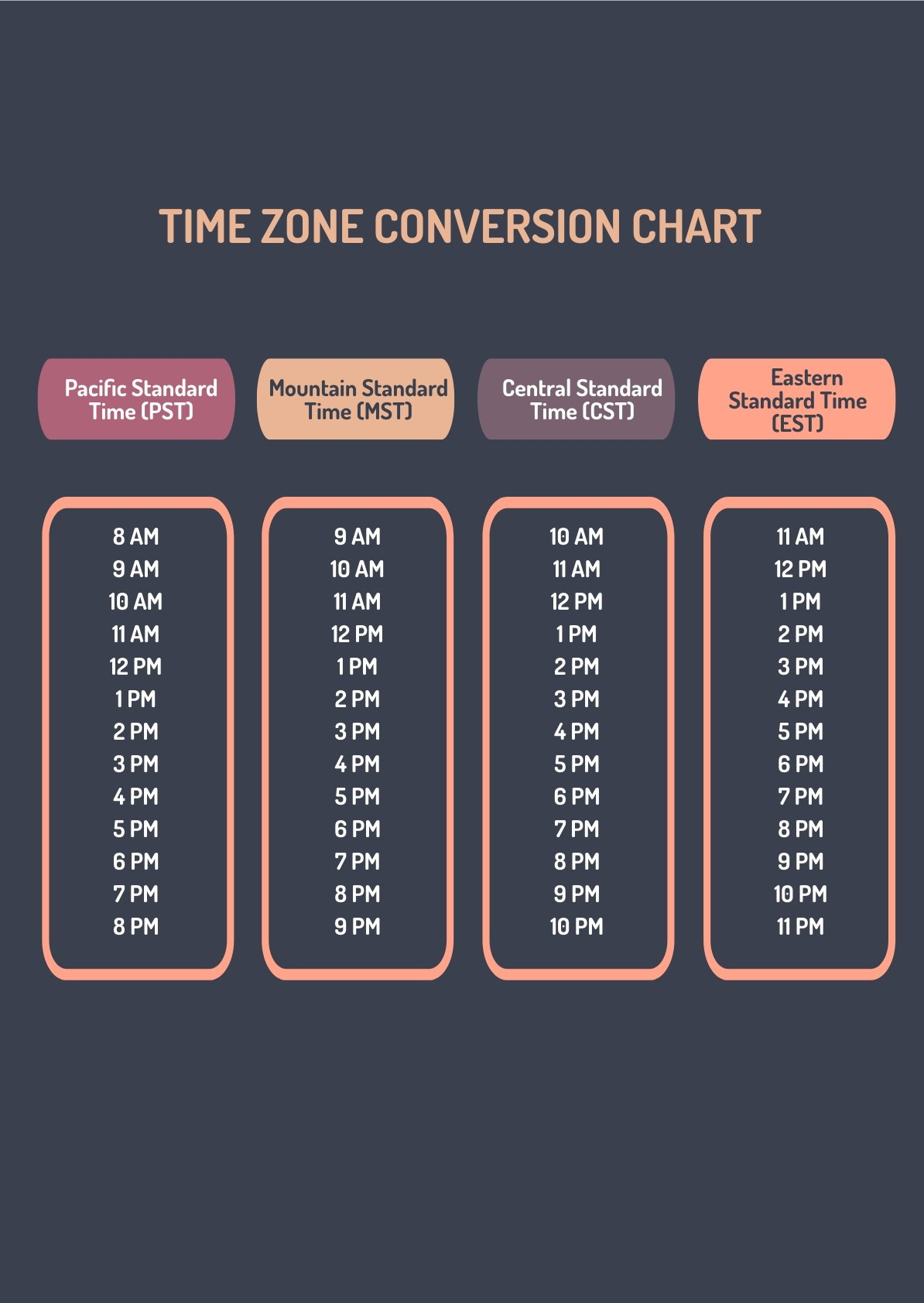
For rapid reference, the following table illustrates the morning synchronization between the Eastern and Pacific time zones. This is particularly useful for scheduling "stand-up" meetings or early morning briefings.
| Eastern Time (ET) | Central Time (CT) | Mountain Time (MT) | Pacific Time (PT) |
|---|---|---|---|
| 6:00 AM | 5:00 AM | 4:00 AM | 3:00 AM |
| 7:00 AM | 6:00 AM | 5:00 AM | 4:00 AM |
| 8:00 AM | 7:00 AM | 6:00 AM | 5:00 AM |
| 9:00 AM | 8:00 AM | 7:00 AM | 6:00 AM |
| 10:00 AM | 9:00 AM | 8:00 AM | 7:00 AM |
| 11:00 AM | 10:00 AM | 9:00 AM | 8:00 AM |
| 12:00 PM (Noon) | 11:00 AM | 10:00 AM | 9:00 AM |
Professional Implications of the 10 AM ET Start
For organizations operating across both coasts, 10:00 AM ET is a critical "hinge" point in the workday. In the Eastern Time Zone, the workday is well underway; emails have been processed, and the first round of tasks is often nearing completion. However, for those in the Pacific Time Zone, 10:00 AM ET represents 7:00 AM—often the very start of the day or even before the official start of business hours.
The "Golden Window" for Collaboration
When scheduling meetings, many managers aim for the "Golden Window" where all contiguous U.S. time zones are within standard 9-to-5 working hours.
- 10:00 AM ET / 7:00 AM PT: Generally too early for Pacific-based staff to be in a high-stakes meeting.
- 12:00 PM ET / 9:00 AM PT: The effective start of the collaborative day.
- 2:00 PM ET / 11:00 AM PT: The peak of bi-coastal productivity.
- 5:00 PM ET / 2:00 PM PT: The end of the shared window as East Coast workers finish their day.
Scheduling a call at 10:00 AM ET requires an acknowledgement that West Coast participants are likely attending from home, commuting, or starting their day significantly earlier than their local peers. This can lead to "time zone fatigue," a phenomenon where West Coast employees feel pressured to start earlier to match East Coast rhythms, leading to potential burnout.
Geographic Exceptions: When the Rule Fails
While the 3-hour rule is standard for the vast majority of the U.S., there are specific geographic exceptions where the "Pacific Time" calculation might become confusing or change throughout the year.
The Arizona Exception
Most of Arizona does not observe Daylight Saving Time. This means that for roughly half the year (during the summer), Arizona is effectively on the same time as the Pacific Coast (PDT). However, during the winter, Arizona remains on Mountain Standard Time (MST).
- Summer: 10:00 AM ET = 7:00 AM in Arizona (matching PT).
- Winter: 10:00 AM ET = 8:00 AM in Arizona (1 hour ahead of PT).
The Navajo Nation
To complicate the Arizona situation further, the Navajo Nation (which covers a large portion of Northeast Arizona) does observe Daylight Saving Time. If you are coordinating with someone in this region, the 10:00 AM ET conversion will remain consistent with the Mountain Time Zone, which is 8:00 AM, regardless of the season.
Canadian Nuances
The Eastern and Pacific time zones also extend into Canada. While most of Canada follows the same DST rules as the United States, some regions—such as parts of Saskatchewan—stay on Standard Time year-round. If your "Pacific Time" contact is actually in a non-standard region of British Columbia or near the Yukon border, double-checking the specific local offset is advised.
Technical Accuracy: Ensuring Your Digital Tools Are Synced
In 2026, we rely heavily on automated scheduling. However, software glitches can still occur, particularly if a device’s location services are disabled or if it has not been updated with the latest time zone database (TZDB).
- Check the TZDB Version: Most modern operating systems (iOS, Android, Windows 11/12, macOS) update their time zone databases automatically. Ensure your "Date & Time" settings are set to "Set automatically."
- Calendar Secondary Time Zones: If you frequently work across coasts, both Google Calendar and Microsoft Outlook allow you to display a secondary time zone. Setting "Pacific Time" as your secondary zone will visually show you that the 10:00 AM block on your grid aligns with 7:00 AM on the alternate grid.
- The "Meeting Planner" Tool: Websites like Time and Date provide a "World Clock Meeting Planner." This is the gold standard for verifying offsets during the transition weeks in March and November.
Impact on Media and Live Events
The 10:00 AM ET slot is a major time for financial news and corporate announcements. Because the New York Stock Exchange (NYSE) and NASDAQ open at 9:30 AM ET, the 10:00 AM ET hour represents the first major "check-in" for the trading day.
For West Coast investors, this means the market has already been open for 30 minutes by 6:30 AM PT. By the time it is 10:00 AM PT (the equivalent of 1:00 PM ET), the market is entering its mid-day lull. Understanding this 3-hour lag is vital for anyone involved in finance, as the "10 AM ET volatility" happens while most of the West Coast is still having their first cup of coffee.
Television broadcasting also handles this conversion differently. While "10/9 Central" is a common tagline for evening shows, morning news programs like The Today Show or Good Morning America are often tape-delayed for the West Coast. This means that while the show "starts" at 7:00 AM local time in both New York and Los Angeles, the Los Angeles broadcast is actually occurring three hours after the live New York broadcast.
Frequently Asked Questions
Is 10 AM Eastern always 7 AM Pacific?
Yes, in the vast majority of cases. Both time zones follow the same Daylight Saving Time schedule, so the 3-hour offset is maintained throughout the year. The only exceptions are if you are communicating with specific areas that do not observe DST, such as Arizona (excluding the Navajo Nation).
What is 10 AM ET in UTC during 2026?
It depends on the time of year. During Eastern Daylight Time (March 8 – Nov 1, 2026), 10:00 AM ET is 14:00 (2:00 PM) UTC. During Eastern Standard Time, 10:00 AM ET is 15:00 (3:00 PM) UTC.
If I am in Los Angeles and have a 10 AM ET meeting, what time should I set my alarm?
Since the meeting is at 7:00 AM local time (PT), you should set your alarm based on your morning routine. Most professionals find that a 7:00 AM meeting requires a 6:00 AM or 6:15 AM wake-up call to be fully alert and prepared.
How does the 3-hour difference affect flight times?
A flight from New York (JFK) to Los Angeles (LAX) departing at 10:00 AM ET and lasting roughly 6 hours will land at 1:00 PM PT. If you look at the clock on the wall in LA when you land, it will be 1:00 PM, but your body will feel like it is 4:00 PM. Always check your itinerary for the "Local Time" designation on arrivals and departures.
Why does the U.S. have so many time zones?
The U.S. spans a massive longitudinal distance. If the entire country used a single time zone, the sun would rise at 5:00 AM in New York and 8:00 AM in Los Angeles, making "standard" business hours non-functional for half the country. Time zones ensure that the "noon" hour roughly aligns with the sun’s highest point in the sky for each region.
Summary Recommendation
When coordinating activities at 10:00 AM Eastern Time, always confirm the 7:00 AM Pacific Time equivalent with your counterparts. For the most seamless experience, avoid scheduling high-intensity collaborative work at this hour if the team is bi-coastal. Instead, utilize this time for independent tasks on the West Coast and "wrap-up" tasks on the East Coast, aiming for a unified meeting window starting at 12:00 PM ET / 9:00 AM PT. To stay accurate in 2026, rely on system-automated clocks and always double-check Arizona-based contacts during the summer months.
Image Gallery