How to Choose a Term Life Insurance Agency in Ohio
To choose a term life insurance agency in Ohio, verify the agency’s license through the Ohio Department of Insurance (ODI) and evaluate their financial stability using A.M. Best ratings. Prioritize independent brokers who compare multi...
To choose a term life insurance agency in Ohio, verify the agency’s license through the Ohio Department of Insurance (ODI) and evaluate their financial stability using A.M. Best ratings. Prioritize independent brokers who compare multiple carriers to find the lowest rates for your specific health profile and coverage needs in 2026.
Contents
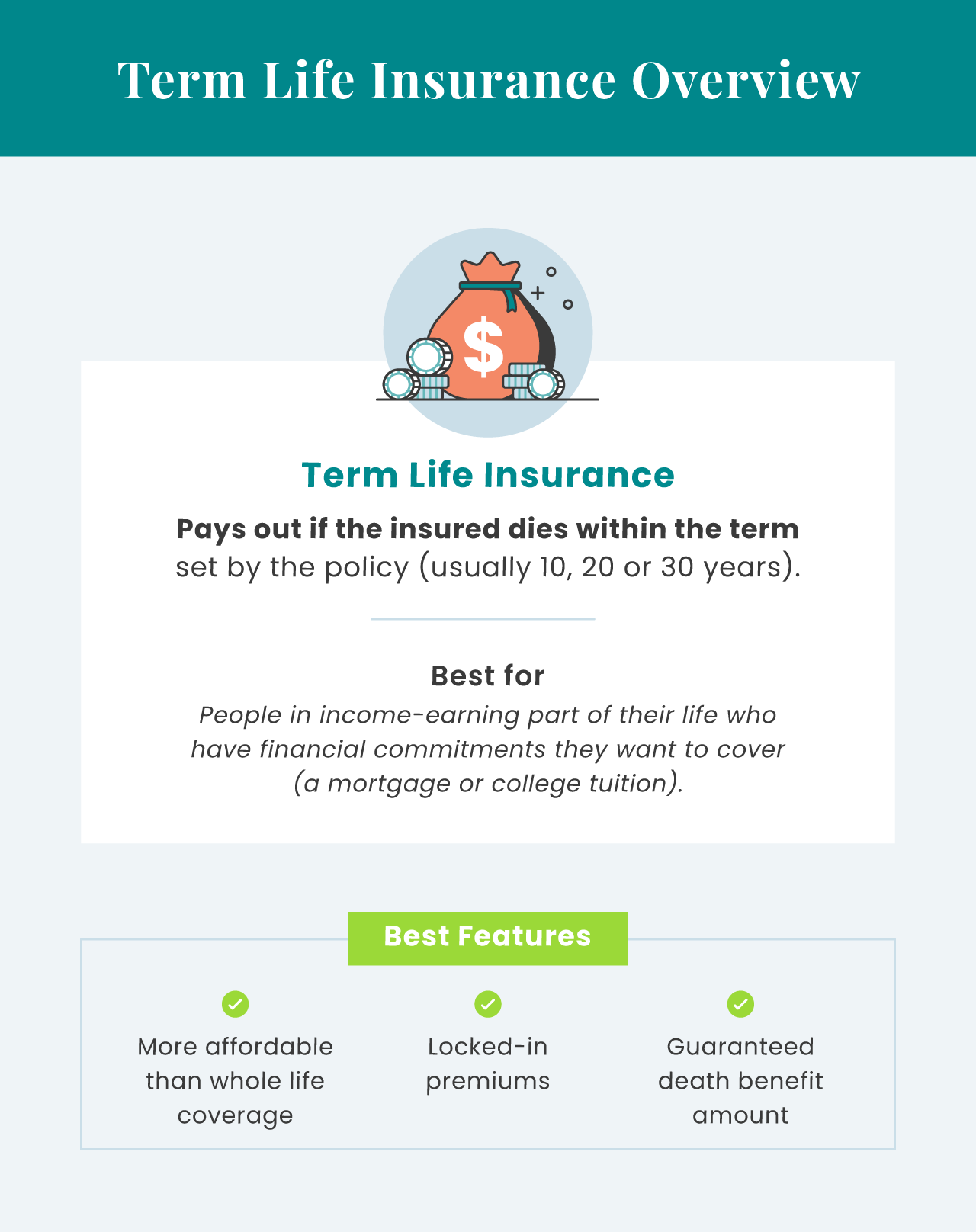
Choosing a term life insurance agency is one of the most significant financial decisions an Ohio resident can make. Unlike permanent life insurance, which builds cash value, term life insurance is designed for pure protection, providing a death benefit if the insured passes away during a specified period. In 2026, the Ohio insurance market is highly competitive, offering a mix of traditional local agencies, national "captive" firms, and tech-driven independent brokers. Selecting the right partner requires a balance of checking regulatory compliance, assessing financial strength, and understanding the specific legal protections afforded to Buckeye State policyholders.
Understanding the Role of the Ohio Department of Insurance (ODI)
The first step in vetting any insurance agency is confirming their standing with the Ohio Department of Insurance. The ODI is the regulatory body responsible for overseeing the insurance industry within the state, ensuring that agencies and individual agents comply with the Ohio Revised Code. Every person or entity selling insurance in Ohio must hold a valid "Life" line of authority license.
In 2026, verifying a license is straightforward through the ODI’s online enforcement and licensing portal. When researching an agency, you should look for any history of administrative actions or consumer complaints. A reputable agency will be transparent about their license number and the specific carriers they represent. This regulatory oversight is crucial because it provides a layer of consumer protection; if an agency misrepresents a policy or engages in unethical sales tactics, the ODI has the power to revoke licenses and issue fines.
Beyond licensing, the ODI sets the rules for how policies are marketed and sold. For instance, Ohio law mandates certain disclosures regarding policy illustrations and "free look" periods. By choosing an agency that is deeply familiar with Ohio-specific regulations, you ensure that your policy documentation meets all state legal requirements, which can prevent complications during a future claim process.
Captive Agents vs. Independent Brokers in Ohio
When searching for an agency in Ohio, you will generally encounter two primary business models: captive agents and independent brokers. Understanding the difference is vital for obtaining the best possible premium for your term life coverage.
Captive agents work exclusively for a single insurance company, such as State Farm, Allstate, or Nationwide. Their primary advantage is deep product knowledge regarding that specific company’s offerings. They often provide a "one-stop-shop" experience if you already have your home or auto insurance with them. However, because they can only sell one company’s products, they cannot shop the market for you. If that specific carrier has high rates for your age bracket or health condition, a captive agent cannot offer a cheaper alternative from a competitor.
Independent brokers represent multiple insurance companies. In the 2026 market, many Ohio residents prefer independent agencies because they can compare quotes from dozens of providers simultaneously. Life insurance companies "appetite" for risk varies; one carrier might be more lenient with a history of high blood pressure, while another might offer better rates for cigar smokers or specific hobbies. An independent agency acts as a consultant, matching your unique risk profile with the carrier most likely to offer a "Preferred Plus" rating.
Evaluating Financial Strength and Long-Term Stability
A term life insurance policy is a promise that may not be called upon for 10, 20, or 30 years. Therefore, the financial health of the underlying insurance company—and the agency's diligence in selecting those companies—is paramount. Agencies do not pay out the death benefit; the insurance companies (carriers) do. However, a high-quality agency will only partner with carriers that maintain strong financial ratings.
You should ask your prospective agency for the A.M. Best, Moody’s, or Standard & Poor’s ratings of the companies they recommend. In 2026, a rating of "A-" (Excellent) or better from A.M. Best is generally considered the industry standard for safety. These ratings reflect the carrier's ability to meet its ongoing insurance obligations. If an agency suggests a carrier with a "B" rating or lower just to save a few dollars on a premium, it may be a sign that they are prioritizing price over the long-term security of your beneficiaries.
Furthermore, Ohio residents benefit from the Ohio Life and Health Insurance Guaranty Association. This is a statutory entity created to protect policyholders if an insurance company becomes insolvent. As of 2026, the association provides coverage for up to $300,000 in life insurance death benefits. While this provides a safety net, it should not be a substitute for choosing a financially sound carrier through a reputable agency.
Ohio-Specific Consumer Protections and "Free Look" Periods
Ohio law provides specific rights to consumers during the purchase process that your chosen agency should clearly explain. One of the most important is the 10-day Free Look Period. In Ohio, once the policy is delivered to you, you have a minimum of 10 days to review the contract. If you decide the policy does not meet your needs, you can cancel it for a full refund of any premiums paid, no questions asked.
An ethical Ohio agency will encourage you to use this time to read the fine print. If an agent pressures you to waive this understanding or rushes the delivery process, it is a significant red flag. Additionally, Ohio requires a Grace Period (typically 31 days) for premium payments. This means that if you miss a payment, the policy remains in force for a month, giving you time to rectify the lapse before the coverage is terminated.
When interviewing an agency, ask how they handle policy deliveries and whether they provide a summary of these Ohio-specific rights. A high-quality agency will provide a "Policy Summary" or "Buyer's Guide" as required by state regulation, which simplifies the complex language of the insurance contract into understandable terms.
Comparing Agency Models in Ohio (2026)
The following table compares the three main types of agencies you will encounter in the Ohio market to help you decide which fits your lifestyle and needs.
| Agency Type | Best For | Pros | Cons |
|---|---|---|---|
| Local Independent Agency | Personal service and complex health cases. | Local knowledge; shops multiple carriers; face-to-face meetings. | May have more limited office hours than national firms. |
| Captive Agency (e.g., Nationwide) | Bundling with home/auto insurance. | High brand familiarity; simplified billing across all policies. | Limited to one company's rates; may not be the cheapest. |
| Digital Brokerage (Online) | Tech-savvy users seeking speed. | 24/7 access; instant "no-med" quotes; highly efficient. | Less personalized advice; may struggle with complex underwriting. |
The Underwriting Process: What to Expect from Your Agency
The value of a good agency is most apparent during the underwriting phase. Underwriting is the process by which the insurance company evaluates your risk. In 2026, many Ohio agencies offer "Accelerated Underwriting," which uses data algorithms to approve policies in minutes without a medical exam for qualified individuals.
However, if you have pre-existing conditions, you may still need a traditional medical exam (paramedical exam). A dedicated agency will:
- Conduct a Pre-Screen: Ask detailed health and lifestyle questions before submitting an application to avoid "surprises" that could lead to a decline.
- Coordinate the Exam: Schedule a technician to come to your home or office in Ohio for blood work or vitals.
- Advocate for You: If the insurance company returns a "Rating" (a higher price) than originally quoted, a good agent will shop your medical file to other carriers to see if a better offer is available.
Transparency during this stage is critical. If an agency promises a "guaranteed low rate" before knowing your medical history, they are likely using "teaser" rates to get you to apply, which may not reflect the final cost.
Common Mistakes to Avoid When Choosing an Ohio Agency
One of the most frequent errors is choosing an agency based solely on the lowest initial quote found online. These quotes are often based on "Preferred Plus" health categories that only a small percentage of the population qualifies for. A professional agency will provide a realistic quote based on a preliminary assessment of your health.
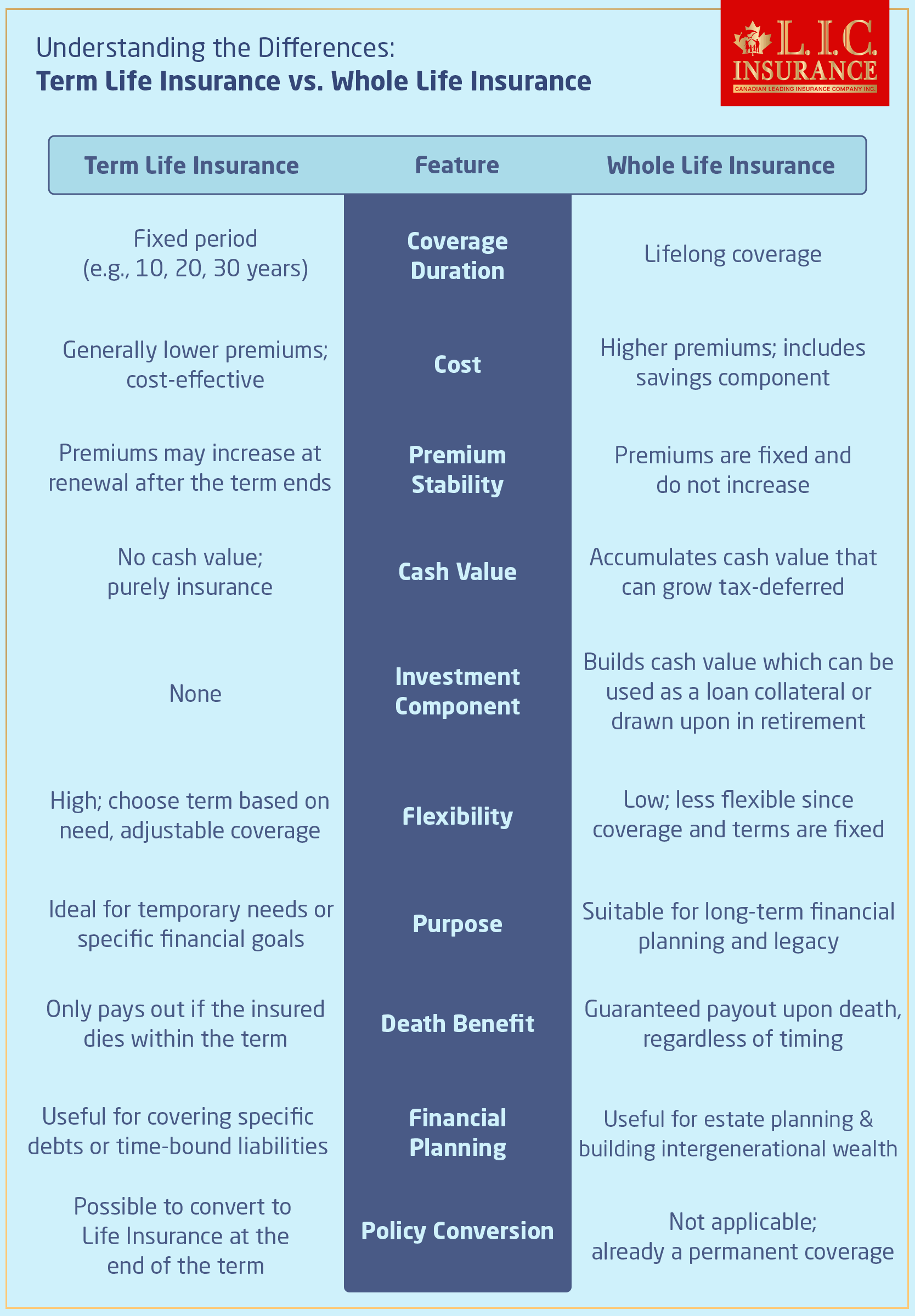
Another mistake is ignoring the Convertibility Rider. Most term life policies in Ohio include an option to convert the term policy into a permanent policy (like Whole Life) without a new medical exam. This is a crucial feature if you develop a chronic illness later in life and want to maintain coverage after your term expires. Some agencies represent carriers with poor conversion options; ensuring your agency selects a carrier with a strong permanent product portfolio is a "future-proofing" step you shouldn't skip.
Finally, avoid agencies that do not offer a clear point of contact for beneficiaries. The true "product" of life insurance is the claim payment. If your family cannot easily reach your agent or the agency's service department during a time of grief, the value of the policy is diminished. Look for Ohio agencies with a physical presence or a dedicated claims advocacy team.
Frequently Asked Questions
Is there a difference between an insurance agent and an insurance broker in Ohio?
Yes. An insurance agent usually represents the insurance company (either one or several), while an insurance broker legally represents the consumer. In practice, many "independent agents" function as brokers by shopping multiple carriers to find the best fit for the client. In Ohio, both must be licensed by the Ohio Department of Insurance.
What is the Ohio Life and Health Insurance Guaranty Association?
It is a safety net for Ohio residents. If your life insurance company becomes insolvent and cannot pay claims, this association steps in to provide coverage, up to $300,000 for death benefits. It ensures that even if a carrier fails, the policyholders are not left entirely without protection.
How much term life insurance do I need in 2026?
While it varies, a common rule of thumb is 10 to 15 times your annual income. However, an Ohio agency should perform a "Needs Analysis" that factors in your mortgage, children’s education costs, and debt. In 2026, inflation-adjusted costs for college and housing in Ohio cities like Columbus or Cleveland should be specifically considered.
Can I change my Ohio life insurance agency after buying a policy?
You can generally change the "Agent of Record" on your policy if you are unhappy with the service, though the underlying insurance company and policy terms will remain the same. Alternatively, you can work with a new agency to replace your current policy with a new one, provided you are still healthy enough to qualify for a good rate.
Does Ohio require a medical exam for term life insurance?
It depends on the policy. Many agencies in 2026 offer "Non-Med" or "Accelerated Underwriting" policies for individuals under age 60 with coverage amounts up to $2 million. However, if you have significant health history or require very high coverage amounts, a medical exam is usually required to get the lowest possible premium.
Next Steps for Ohio Residents
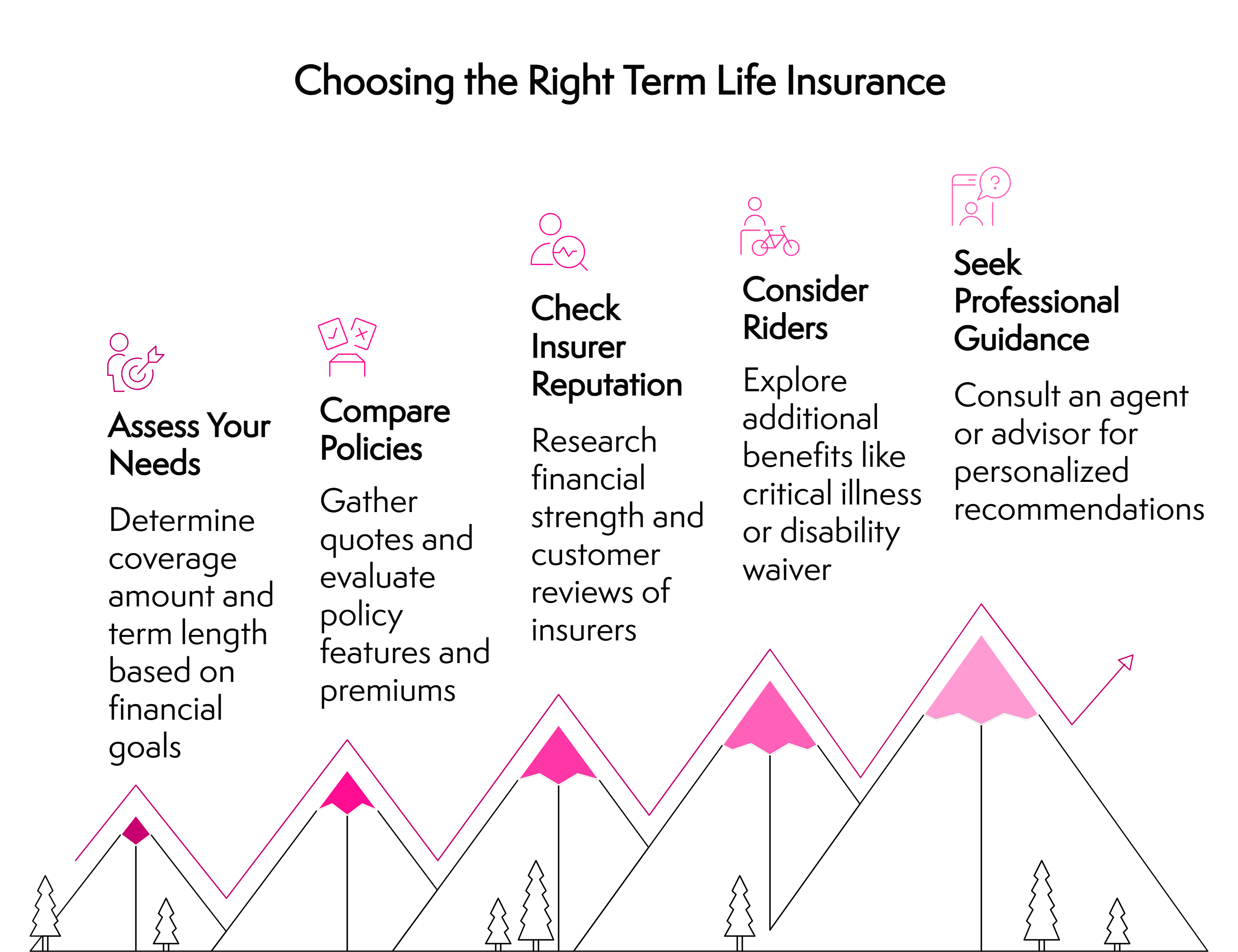
To secure the best term life insurance, start by gathering your basic financial data, including outstanding debt and income replacement needs. Contact at least two independent agencies in Ohio to request a "pre-underwriting" quote. Ask specifically about the financial ratings of their suggested carriers and confirm their license status through the Ohio Department of Insurance website. By taking these steps, you ensure that your family’s financial future is protected by a stable company and a professional local advocate.
Disclaimer: This article provides general information regarding life insurance and is not intended as legal, financial, or tax advice. For specific guidance, consult with a licensed insurance professional or financial advisor in the state of Ohio.
Image Gallery