Pictures of Jane Goodall with Chimpanzees: A Visual History of Gombe
The most iconic pictures of Jane Goodall with chimpanzees document her groundbreaking research at Gombe Stream National Park, beginning in 1960. Captured primarily by photographer Hugo van Lawick, these images revolutionized primatolog...
The most iconic pictures of Jane Goodall with chimpanzees document her groundbreaking research at Gombe Stream National Park, beginning in 1960. Captured primarily by photographer Hugo van Lawick, these images revolutionized primatology by showing chimpanzees as sentient beings with distinct personalities, emotional bonds, and the ability to manufacture and use tools.
Contents
For over six decades, the visual record of Dr. Jane Goodall’s work in Tanzania has served as more than just a scientific archive; it has functioned as a powerful tool for global conservation. As of 2026, these photographs remain central to the Jane Goodall Institute’s mission, illustrating the profound connection between humans and our closest living relatives. Understanding the context of these images requires looking at the technical challenges of 1960s wildlife photography, the specific chimpanzee "personalities" captured on film, and the evolving ethical standards regarding human-wildlife interaction.
The Hugo van Lawick Era: Documenting a Revolution
When Jane Goodall first arrived at Gombe in July 1960, she lacked formal scientific training and professional camera equipment. The early "pictures of Jane Goodall with chimpanzees" were often grainier, taken from a distance as the chimpanzees were initially terrified of the "white ape" in their midst. It was not until the National Geographic Society began funding her research that the visual quality of the documentation shifted dramatically.
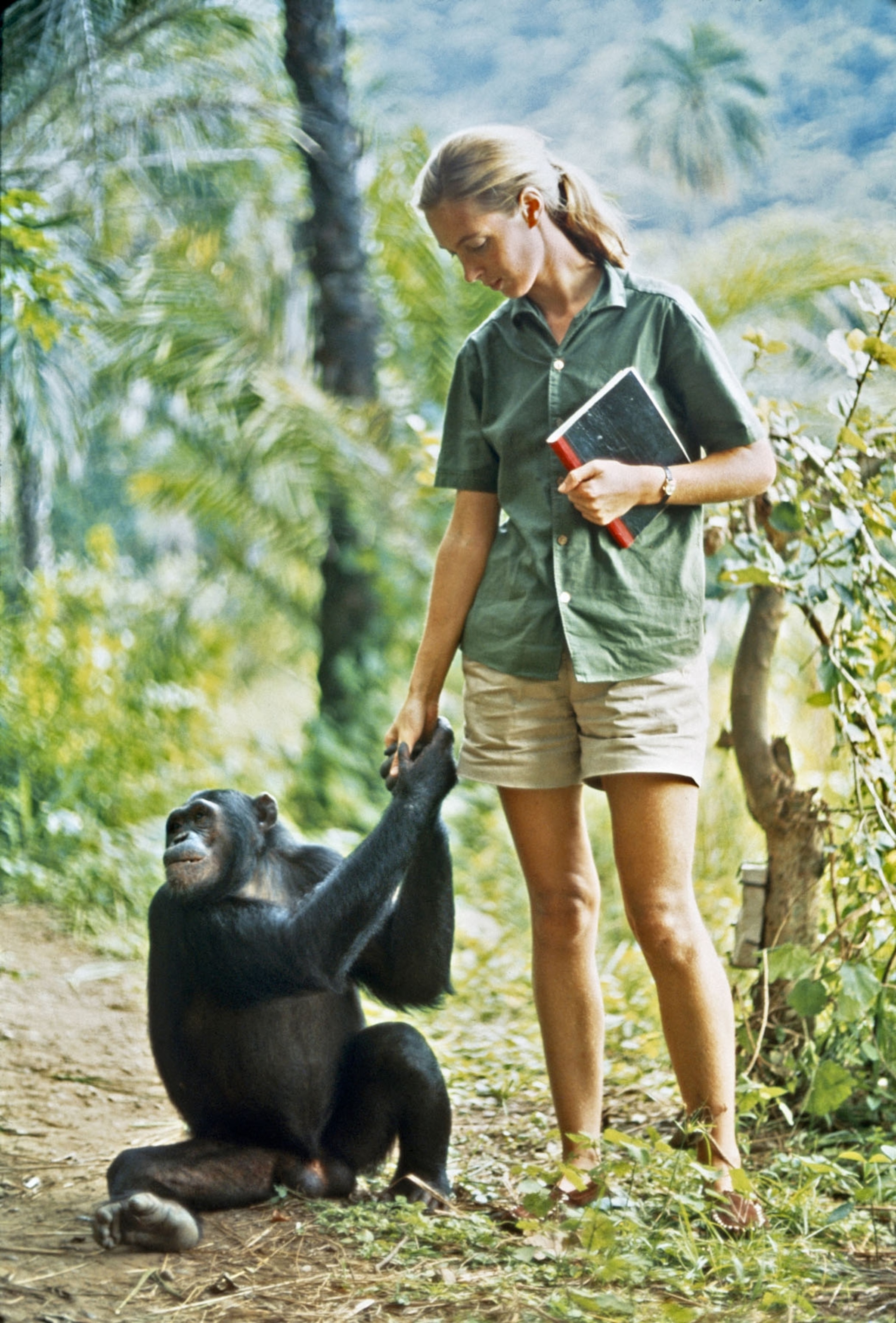
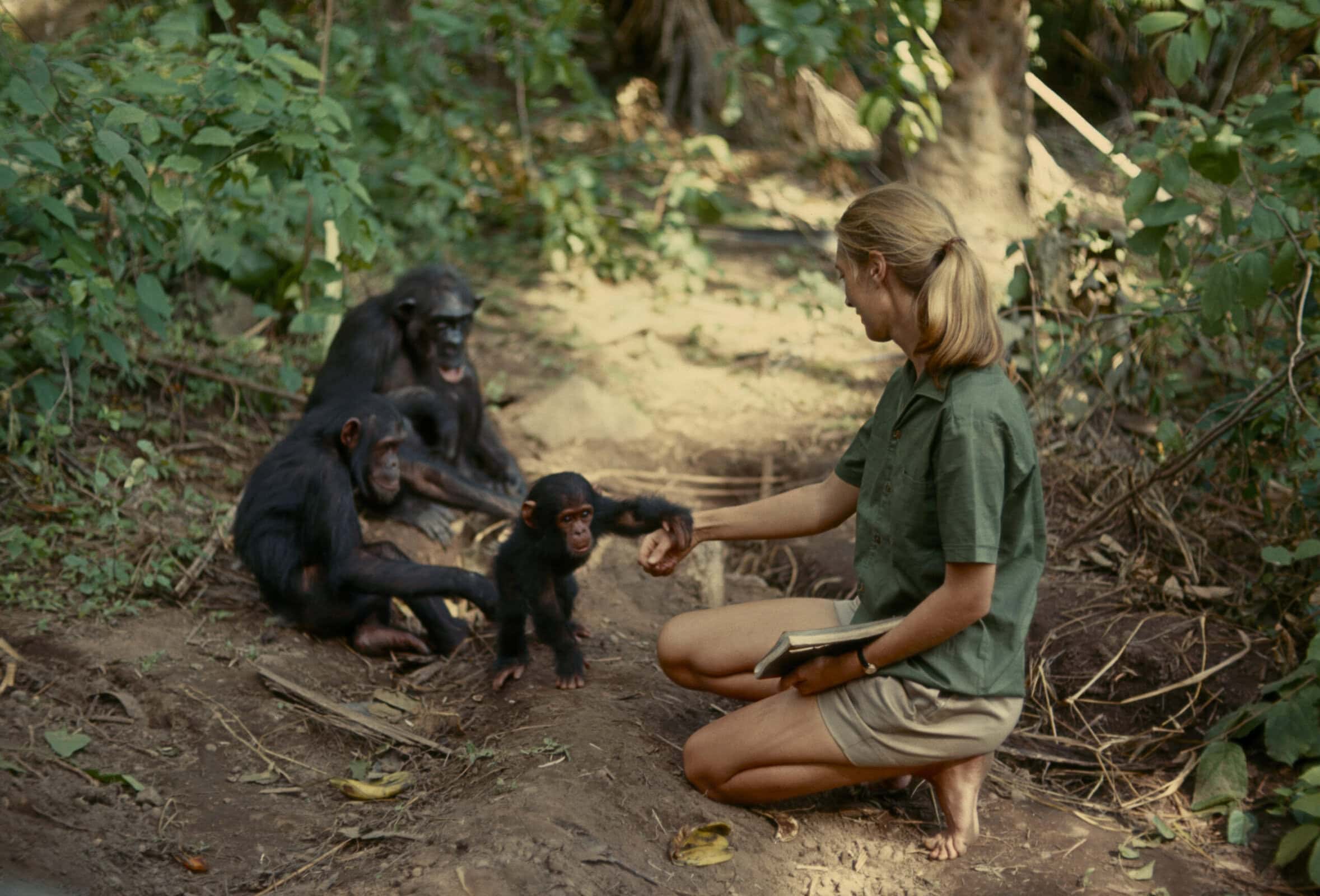
In 1962, National Geographic sent filmmaker and photographer Hugo van Lawick to Gombe. His presence was instrumental in bridging the gap between the scientific community and the general public. Van Lawick used 16mm film and high-quality Leica still cameras to capture intimacy that had never been seen before. His work didn't just record data; it told a story. The photographs from this era often feature Jane in her signature khakis, sitting quietly with a notebook, while chimpanzees like David Greybeard or Flo moved nearby.
The collaboration between Goodall and van Lawick (who later married and then divorced) resulted in some of the most famous wildlife photographs in history. These images were crucial because they provided "proof" of Goodall's observations—specifically that chimpanzees used grass stalks to fish for termites. Before these pictures were published, the scientific establishment was skeptical of her claims, as tool-making was then considered a uniquely human trait.
Iconic Subjects: The Chimpanzees of Gombe
To understand the value of these photographs, one must recognize the individual chimpanzees who became global celebrities through the lens of the camera. Dr. Goodall was criticized by the academic community for naming her subjects rather than numbering them, but it was this personalization that made the pictures so impactful.
David Greybeard
David Greybeard was the first chimpanzee to lose his fear of Jane. He is the subject of some of the most historically significant photos, specifically those showing him at a termite mound. One particular image of David Greybeard’s hand reaching out toward Jane’s remains a symbol of the "bridge" between species. His calm demeanor allowed Hugo van Lawick to get close enough to capture the fine details of chimpanzee facial expressions.
Flo and the F-Family
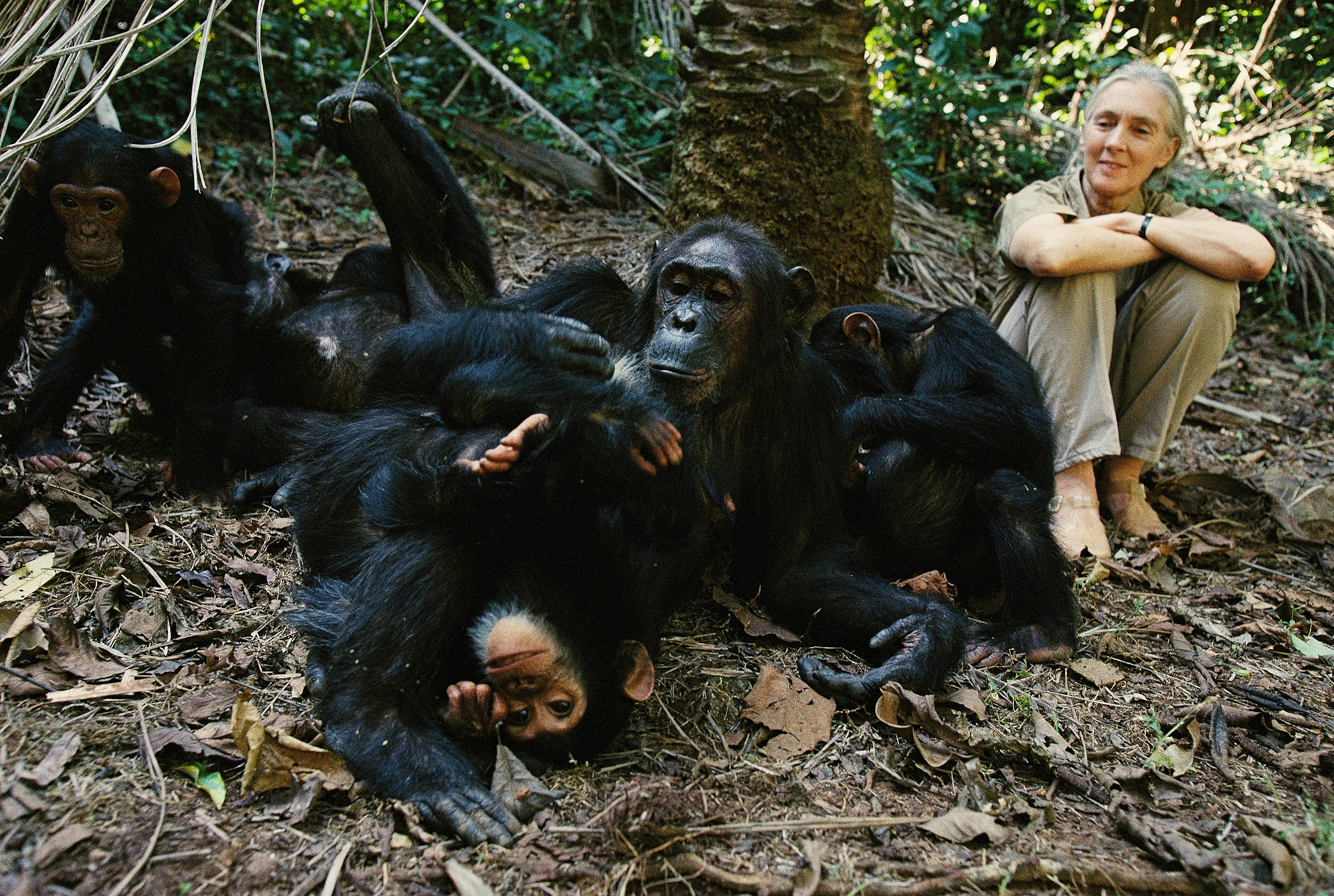
Flo was an older female who became a matriarchal icon. Pictures of Flo with her offspring—Faben, Figan, Fifi, and Flint—documented the long-term mother-infant bonds that characterize chimpanzee society. These photos were revolutionary because they showcased maternal grief, sibling rivalry, and social learning. The image of a young Flint clinging to Flo provided a visual narrative of primate development that became standard in biological textbooks.
Scientific Discoveries Captured on Film
The pictures of Jane Goodall with chimpanzees served as primary evidence for three major behavioral breakthroughs that changed the definition of "Man":
- Tool Production: The photograph of David Greybeard stripping leaves off a twig to create a "fishing" tool for termites forced Louis Leakey to famously remark: "Now we must redefine tool, redefine Man, or accept chimpanzees as humans."
- Omnivorous Diet: Before Gombe, it was widely believed chimpanzees were strictly vegetarians. Pictures documenting the community hunting and eating colobus monkeys changed the understanding of primate ecology.
- Complex Social Hierarchy: Images of "charging displays" and "pant-grunting" (a submissive vocalization and posture) helped ethologists map the complex political structures of chimpanzee communities.
By 2026, digital restoration of these 1960s negatives has allowed researchers to re-examine social interactions with modern clarity. These archives are now hosted by the Jane Goodall Institute (JGI) and various academic repositories, providing a timeline of the Gombe chimpanzees spanning several generations.
The Evolution of Ethics: Touching vs. Observing
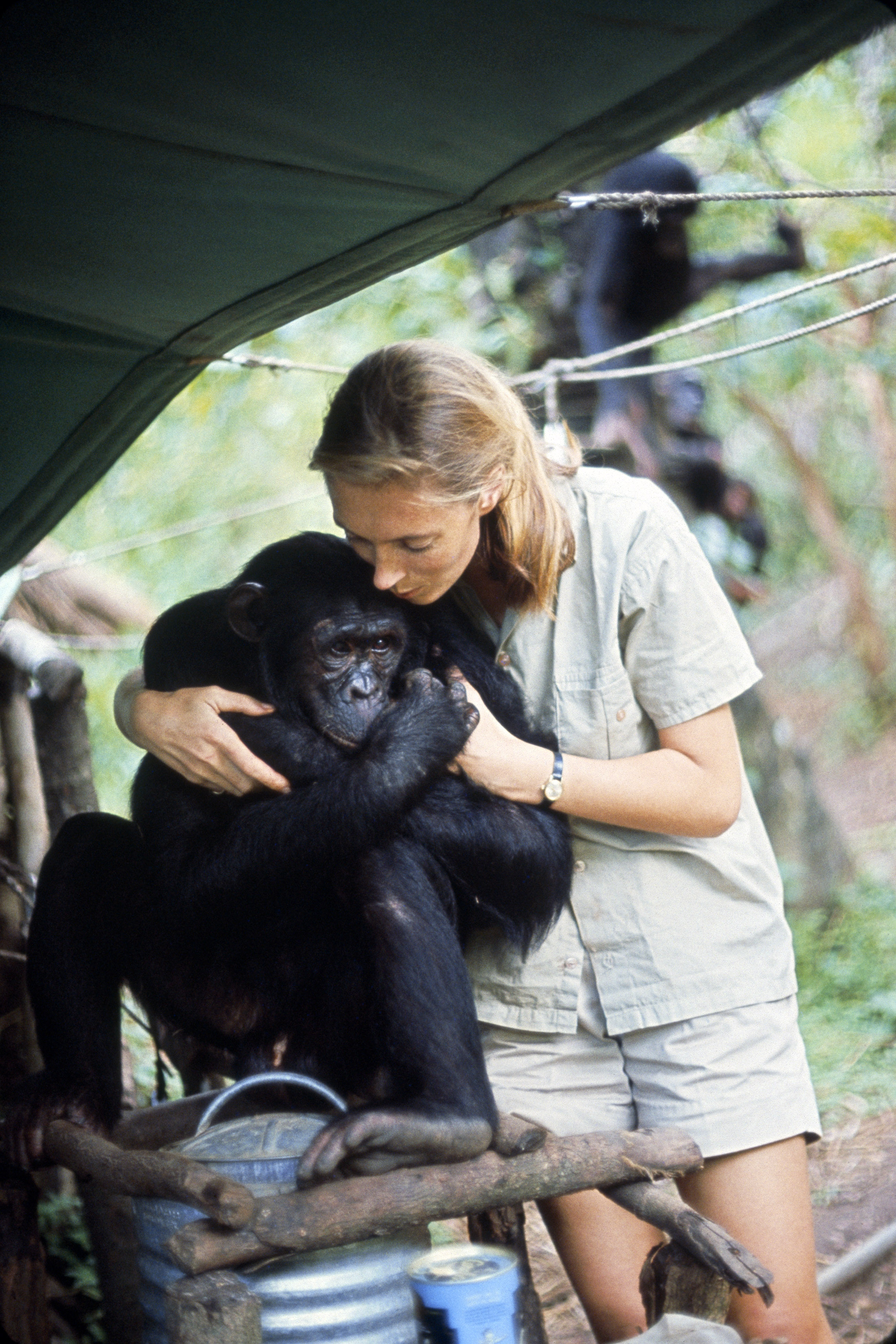
When viewing older pictures of Jane Goodall with chimpanzees, a modern viewer will often see Jane in close physical proximity to the animals, sometimes even touching or grooming them. It is critical to understand that these photos reflect the scientific standards of the 1960s and 1970s, which have since changed significantly.
In the early years, "provisioning" (feeding the chimpanzees bananas to keep them near the camp) was common. This led to high levels of physical contact. However, by the 1980s, Dr. Goodall and the JGI recognized the dangers of this approach. Chimpanzees are highly susceptible to human respiratory diseases; a common cold for a researcher can be fatal for a primate. Furthermore, physical contact can alter natural behaviors and create dependencies.
Today, the Jane Goodall Institute enforces a strict "No Contact" policy. Modern photographs of researchers at Gombe show them wearing masks and maintaining a distance of at least 7 to 10 meters. The JGI frequently issues statements clarifying that the "touching" photos from the past should not be emulated by modern tourists or researchers, as they represent a bygone era of primatology.
Technical Comparison of Gombe Photographic Eras
The following table outlines the transition in how Jane Goodall and the chimpanzees have been documented over the decades.
| Era | Primary Medium | Key Photographer | Primary Focus | Ethical Context |
|---|---|---|---|---|
| 1960–1962 | 35mm Black & White | Jane Goodall / Vanne Goodall | Initial habituation | Distance-based, opportunistic |
| 1962–1975 | 16mm Film / Color Still | Hugo van Lawick | Tool use & social bonds | Close contact & provisioning |
| 1976–2000 | Professional SLR | Various (NatGeo) | Long-term family lineages | Shift to "No Contact" rules |
| 2001–2026 | High-Res Digital / 8K | Michael Neugebauer / JGI | Conservation & advocacy | Strict masking & 7m distance |
Where to Access and View Authentic Images
Because of the high demand for "pictures of Jane Goodall with chimpanzees," several official archives serve as the primary sources for students, researchers, and the public. In 2026, these are the most reliable repositories:
- The Jane Goodall Institute (JGI) Archive: The definitive source for historical and contemporary photos. They maintain the "Gombe 65" collection, celebrating over six decades of research.
- National Geographic Image Collection: Holds the original high-resolution transparencies from the Hugo van Lawick era. These are often available for licensing or for viewing in historical retrospectives.
- Getty Images: Provides a wide array of editorial photographs covering Dr. Goodall’s career, including her transition from researcher to global activist.
- The Gombe Stream Research Center (Tanzania): While not a public gallery, this facility maintains the most comprehensive record of individual chimpanzee identification photos used for ongoing research.
Frequently Asked Questions
Why is Jane Goodall touching chimpanzees in some photos but not others?
The photos where Dr. Goodall is touching or in very close proximity to chimpanzees date back to the 1960s and 1970s. At that time, the risks of cross-species disease transmission were not fully understood, and "provisioning" was used to habituate the animals. Since the mid-1980s, Dr. Goodall and the Jane Goodall Institute have strictly prohibited touching to protect the chimpanzees' health and social integrity.
Who took the most famous pictures of Jane Goodall?
The most iconic images were taken by Hugo van Lawick, a Dutch filmmaker and photographer. His work appeared in National Geographic magazine and helped secure the funding and public interest necessary for the Gombe project to continue for decades.
Can I buy prints of Jane Goodall with chimpanzees?
Official prints are often sold through the Jane Goodall Institute’s website or through licensed partners like National Geographic. Proceeds from these sales typically go toward conservation efforts and the protection of chimpanzee habitats in the Gombe ecosystem.
Are there any recent pictures of Jane Goodall with chimpanzees in 2026?
Dr. Goodall, now in her 90s, continues to visit Gombe and other sanctuaries. However, modern photos depict her observing from a safe distance, often wearing a protective mask. These images emphasize her role as a conservationist and advocate rather than a hands-on field researcher.
What was the first "tool use" photo?
The first tool use photo depicts a chimpanzee named David Greybeard using a grass stalk to extract termites from a mound. This photo was taken in 1960/1961 and is considered one of the most important images in the history of science because it challenged the definition of human uniqueness.
Recommendation for Educators and Researchers
When utilizing "pictures of Jane Goodall with chimpanzees" for educational purposes, it is vital to provide historical context. Always distinguish between the early years of habituation and the modern era of conservation. For those looking to support the legacy depicted in these images, the best next action is to visit the Jane Goodall Institute website to learn about the "Roots & Shoots" program or the "Gombe 65" initiative. By supporting these programs, you contribute to the ongoing protection of the very chimpanzee lineages captured in Hugo van Lawick's legendary photographs.
Image Gallery