The Meaning of a Blue Pumpkin Bucket: Promoting Autism Awareness and Inclusion
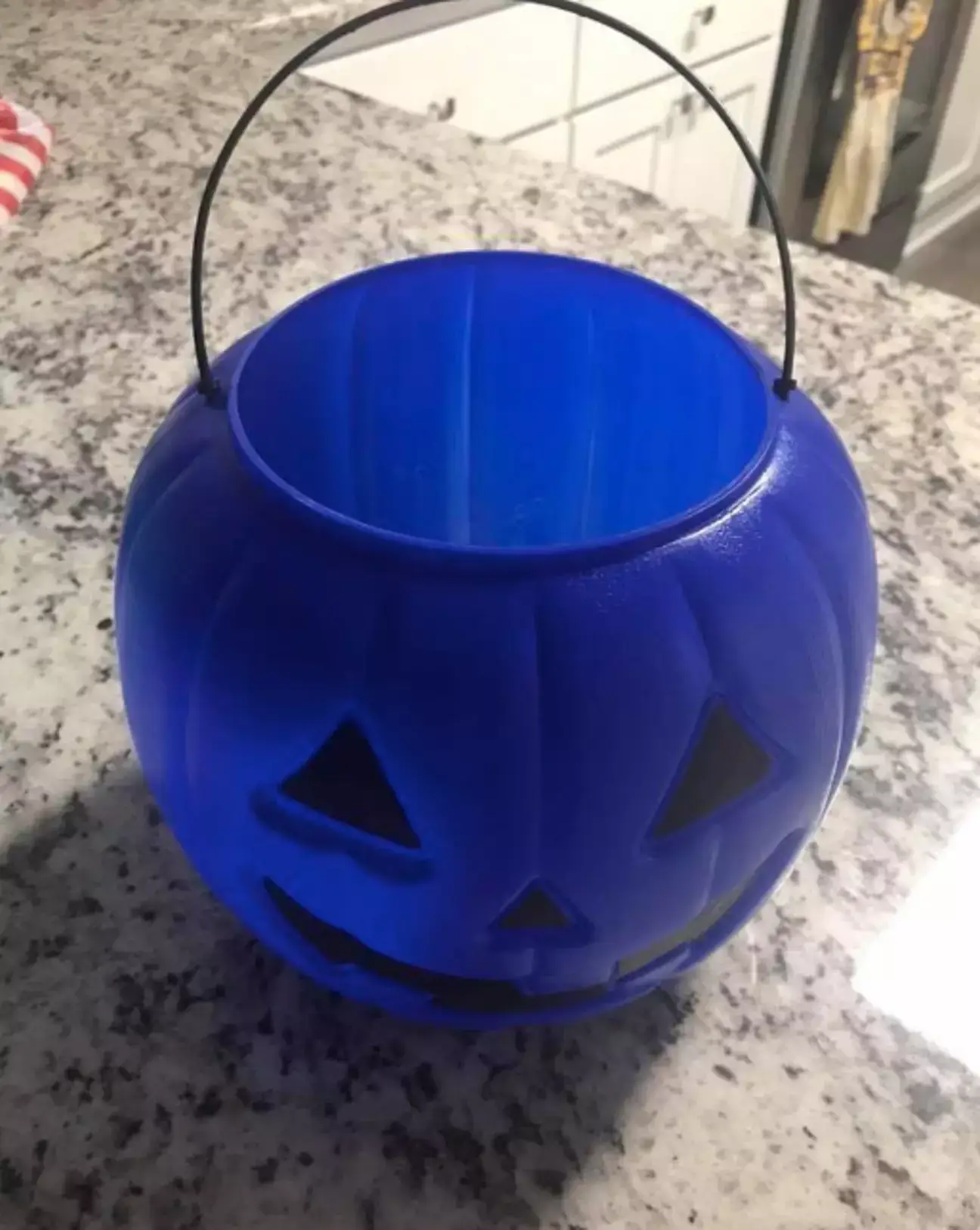
A blue pumpkin bucket carried during Halloween signifies that the trick-or-treater has autism or a sensory processing disorder. This visual cue informs homeowners that the individual may be non-verbal, avoid eye contact, or struggle wi...
A blue pumpkin bucket carried during Halloween signifies that the trick-or-treater has autism or a sensory processing disorder. This visual cue informs homeowners that the individual may be non-verbal, avoid eye contact, or struggle with traditional social expectations, encouraging a more patient, inclusive, and accommodating holiday experience for neurodivergent participants.
Contents
The tradition of the blue pumpkin bucket has evolved significantly over the last decade. As we move through the 2026 holiday season, it remains a vital grassroots tool for families navigating the complexities of Halloween. While the holiday is traditionally centered on "spookiness" and specific social scripts, the blue bucket serves as a bridge between neurodivergent children and a world that often expects immediate compliance with social norms. Understanding the nuances of this symbol is essential for anyone participating in community festivities.
The Origins and Evolution of the Blue Pumpkin Movement
The blue pumpkin bucket movement began as a grassroots effort by parents of children with autism. It gained significant momentum in the late 2010s, specifically around 2018 and 2019, when social media posts from concerned mothers went viral. These parents were looking for a way to allow their children to enjoy the festivities without the constant pressure of explaining their child’s behavior to every neighbor on the block.
For a child on the autism spectrum, the simple act of walking up to a porch can be an overwhelming sensory experience. The flashing lights of decorations, the smell of various candies, the feel of a restrictive costume, and the social demand to say "Trick or Treat" and "Thank you" can lead to sensory overload. The blue bucket was introduced as a silent communicator. It tells the homeowner: "This child is here for the fun, but they might not interact the way you expect."
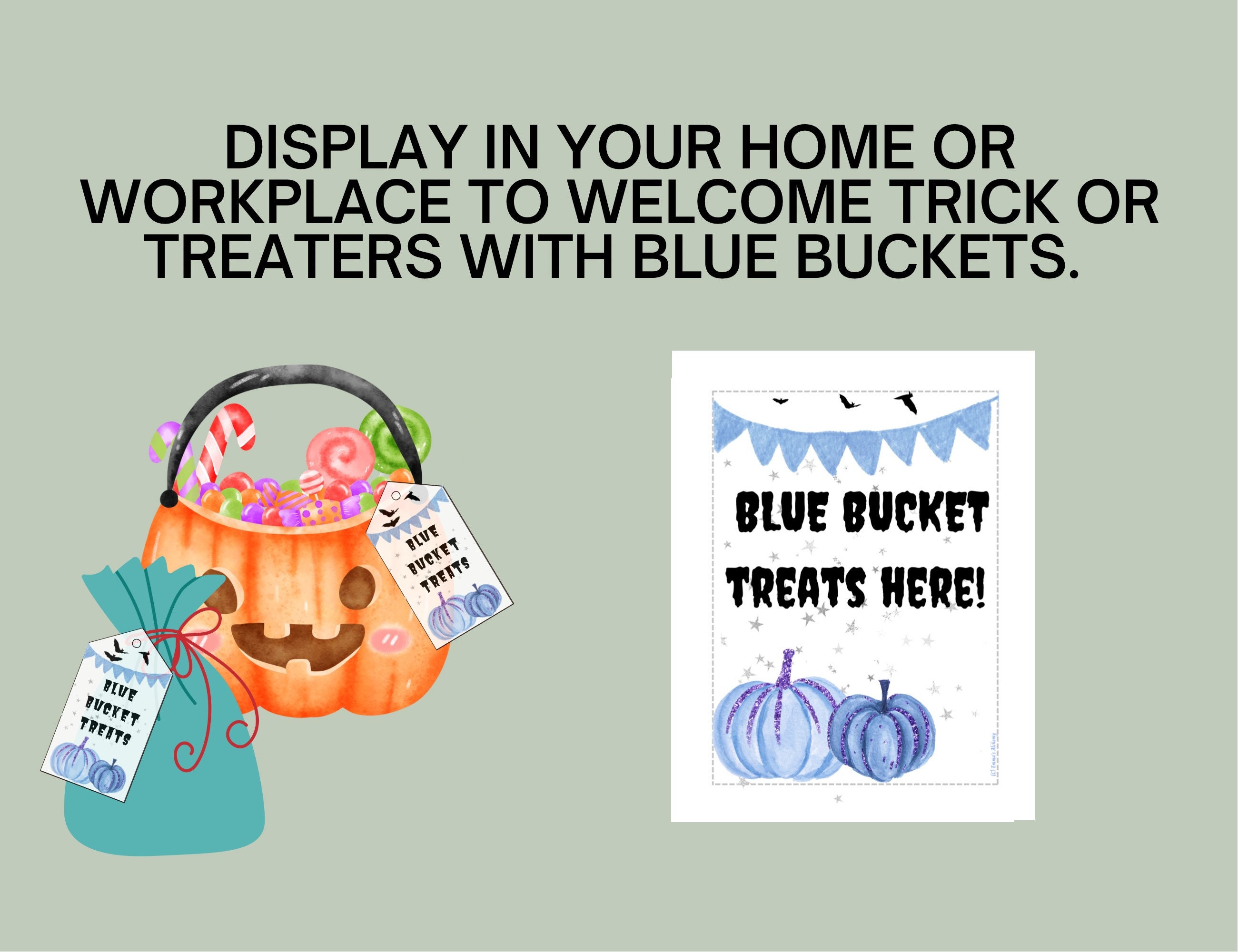
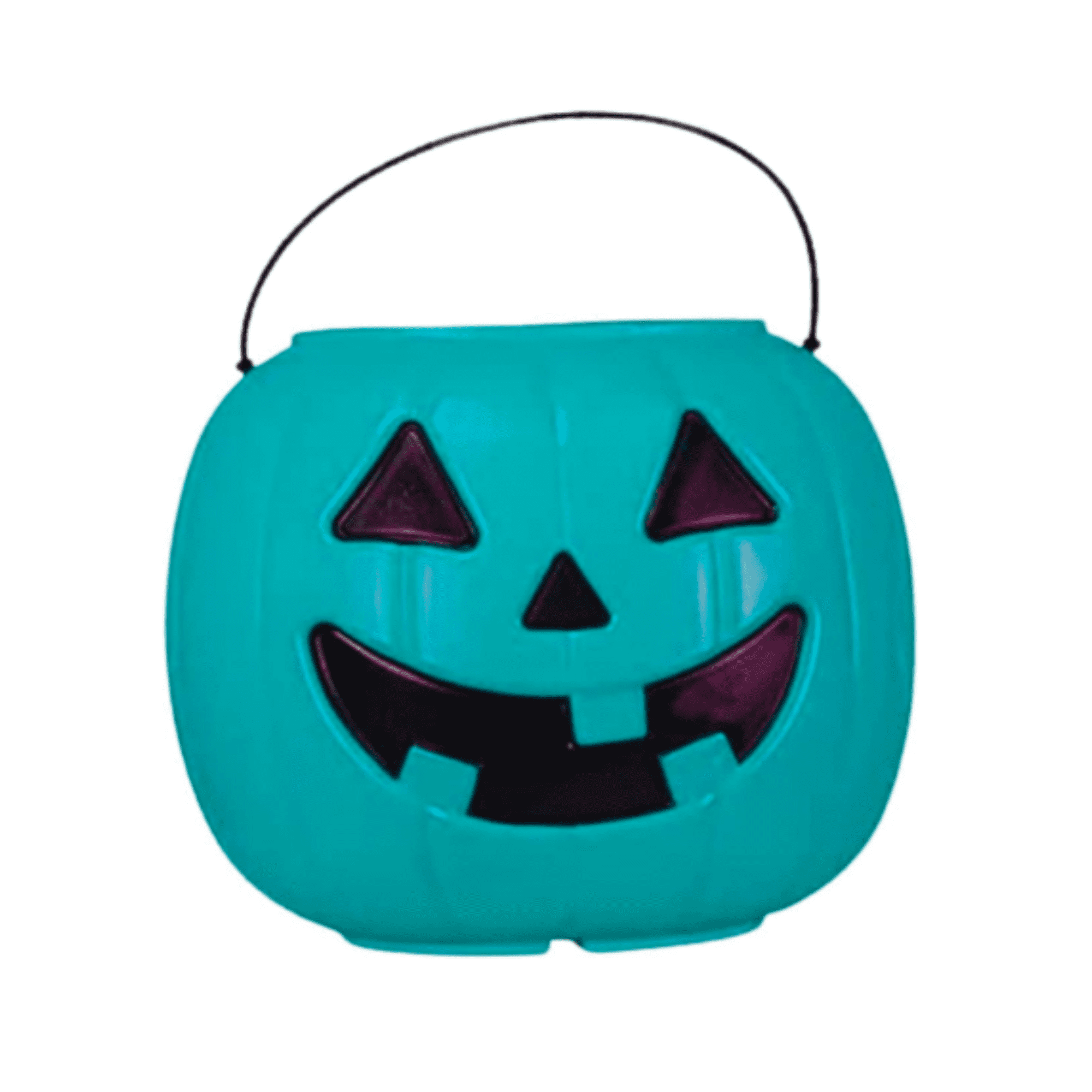
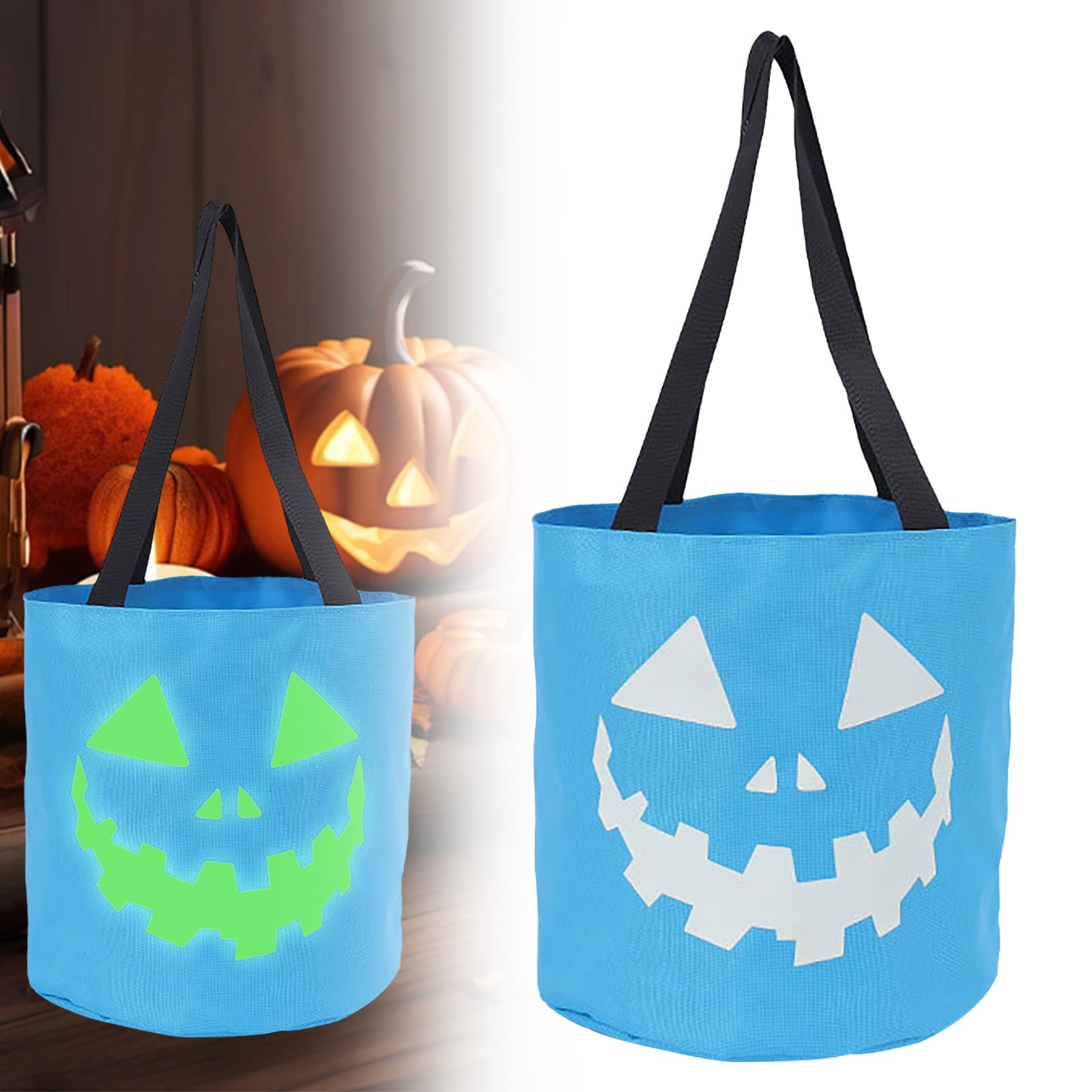
By 2026, the symbol has become widely recognized across North America and parts of Europe. While it is not an "official" program run by a single international organization in the same way the Teal Pumpkin Project is managed by FARE (Food Allergy Research & Education), its adoption by major retailers has standardized its meaning. You can now find blue plastic pails in the seasonal aisles of most major department stores, right alongside the classic orange ones.
Why the Blue Bucket is Necessary for Sensory Processing
Autism is a spectrum, meaning every individual experiences it differently. However, many neurodivergent children share challenges related to communication and sensory processing. To understand the "why" behind the blue bucket, one must understand the standard expectations of Halloween.
The "Trick or Treat" Barrier
The most common interaction involves a child standing at a door and saying "Trick or Treat." For non-verbal children or those with speech delays, this is a significant barrier. Homeowners often playfully withhold candy until the phrase is spoken. While meant in good fun, this creates a high-stress situation for a child who cannot physically or mentally produce those words on command. The blue bucket alerts the homeowner to skip the "verbal requirement" and simply offer the treat.
Social Cues and Eye Contact
Many individuals with autism find eye contact uncomfortable or overwhelming. A child carrying a blue bucket may look at the ground or away from the person giving candy. To an uninformed observer, this might look like rudeness or a lack of gratitude. The blue bucket clarifies that the child is not being "difficult" but is instead processing the environment in their own way.
Sensory Overload
Halloween is a sensory minefield. Strobe lights, fog machines, and sudden loud noises (like "jumping" animatronics) can trigger a "fight or flight" response in those with sensory processing sensitivities. A child with a blue bucket might need a moment longer to approach a door, or they might need to stay several feet back. Seeing the bucket allows the homeowner to turn down loud music or refrain from using a jump-scare prop when that child approaches.
Comparing Halloween Awareness Symbols
It is easy to confuse the various colored pumpkins seen on porches and in the hands of children. Each color serves a specific purpose, and understanding the differences ensures that every child is treated with the appropriate care and safety.
| Bucket/Pumpkin Color | Primary Meaning | Recommended Action for Homeowners |
|---|---|---|
| Blue | Autism / Sensory Processing Awareness | Be patient; do not require "Trick or Treat" or eye contact; reduce loud noises. |
| Teal | Food Allergy Awareness (Teal Pumpkin Project) | Offer non-food treats (stickers, glow sticks) for children with life-threatening allergies. |
| Purple | Epilepsy Awareness | Avoid using high-frequency strobe lights or sudden flashing visual effects. |
| Pink | Breast Cancer Awareness | Typically used for fundraising or to show support for survivors and research. |
| Orange | Traditional / General Participation | Standard participation in the holiday; no specific accommodations signaled. |
Guidance for Homeowners: How to React to a Blue Bucket
As a member of the community, your reaction to a blue bucket can make or break a child's evening. Inclusion does not require grand gestures; it requires small, intentional adjustments to your behavior.
- Skip the Performance Requirement: If a child with a blue bucket approaches, don't wait for them to say the magic words. Smile, hold out the bowl, and let them choose their treat. If they seem hesitant to reach in, you can gently place a piece of candy in their bucket.
- Narrate Your Actions: Sometimes, neurodivergent children benefit from knowing exactly what is happening next. You might say, "I am going to put this chocolate bar in your blue bucket now," which helps them process the interaction.
- Monitor Your Environment: If you have a particularly scary or loud display, consider "dimming" it if you see a blue bucket approaching. While you don't have to turn off your decorations for the whole night, a 30-second pause in the fog machine or strobe light can be a huge relief for a child with sensory sensitivities.
- Speak to the Parent or Caregiver: If the child is struggling, a quick glance or a soft question to the adult with them—such as "Is there a specific treat they like?" or "Are they okay with me being this close?"—can be incredibly helpful.
- Avoid the "Too Old" Judgment: You may see teenagers or even young adults carrying blue buckets. Developmentally, these individuals may still be at a stage where they find joy in trick-or-treating. Never judge an older individual for participating; the blue bucket is often a signal that they are enjoying the holiday at their own developmental pace.
Perspectives on Participation: The Awareness Debate
While the blue pumpkin bucket has helped thousands of families, it is important to acknowledge that it is not universally loved within the autistic community. Some advocates suggest that the bucket "others" children by forcing them to disclose a medical diagnosis to strangers just to get a piece of candy.
The Argument for Awareness
Proponents argue that the bucket is a tool of empowerment. It prevents awkward explanations and allows the child to be seen as they are. For many parents, it provides a sense of security, knowing that their child won't be scolded for not being "polite" by traditional standards.
The Argument for Acceptance
Some adults with autism prefer the concept of "Autism Acceptance" over "Awareness." They argue that society should be trained to be patient with all children, regardless of whether they carry a specific colored bucket. They believe that a child shouldn't have to "wear their diagnosis" to be treated with kindness.
In 2026, the consensus among many disability experts is that the blue bucket should be an optional tool. Families should never feel pressured to use one if they prefer privacy, but the community should be educated enough to recognize it when a family chooses to use it for their child's comfort.
Beyond the Bucket: Creating an Inclusive Neighborhood
If you want to take your support for the community further, you can move beyond just recognizing the blue bucket and actively create a sensory-friendly environment.
- The "Sensory-Safe" Hour: Many neighborhoods have adopted a "Quiet Hour" (usually the first hour of trick-or-treating) where participants agree to keep lights steady and music off. This allows children who are easily overwhelmed to finish their route before the more intense displays begin.
- Accessible Treat Stations: Consider setting up your candy station at the end of your driveway rather than on a porch. For children with mobility issues (which can sometimes co-occur with certain types of neurodivergence) or those who are intimidated by entering a dark porch area, this is much more inviting.
- Clear Signage: If you are offering allergy-friendly treats or a sensory-safe experience, a small sign in your yard can help parents navigate your street more effectively.
Frequently Asked Questions
Is the blue pumpkin bucket only for children?
No. Autism is a lifelong condition. While trick-or-treating is traditionally a childhood activity, many neurodivergent teens and young adults participate. The blue bucket serves the same purpose for them: signaling that they may interact differently than their peers.
Where can I buy a blue pumpkin bucket?
By 2026, blue buckets are available at most major retailers such as Target, Walmart, and Amazon. They are often sold alongside traditional orange buckets during the Halloween season.
Does carrying a blue bucket mean the child has a food allergy?
No. A blue bucket specifically refers to autism or sensory needs. If you are looking for the symbol for food allergies (such as nut-free or gluten-free needs), that is the teal pumpkin. While some children might carry both or have overlapping needs, the two colors represent different categories of awareness.
What should I do if a child has a blue bucket but doesn't have a costume?
Many children with autism find the texture of costumes (scratchy tags, tight masks, heavy fabrics) to be physically painful or distressing. If a child approaches with a blue bucket but is wearing everyday clothes, treat them exactly as you would any other trick-or-treater. Their "costume" might simply be their comfort.
Is there an official organization that manages the blue pumpkin?
Unlike the Teal Pumpkin Project, which is a registered trademark of FARE, the blue pumpkin bucket is a grassroots movement. Because it is not centralized, you may see slight variations in its use, but the core meaning of autism awareness remains consistent worldwide.
Final Recommendation
To ensure an inclusive Halloween in 2026, homeowners should familiarize themselves with the meaning of the blue pumpkin bucket and prepare to offer a "no-pressure" interaction. If you see a blue bucket, focus on the child's presence rather than their performance. By removing the barriers of social scripts and sensory triggers, we can ensure that the joy of the holiday is accessible to every member of the community, regardless of how they communicate or process the world around them.
Image Gallery