Why the Florida Georgia Line Guys Matter in Country Music
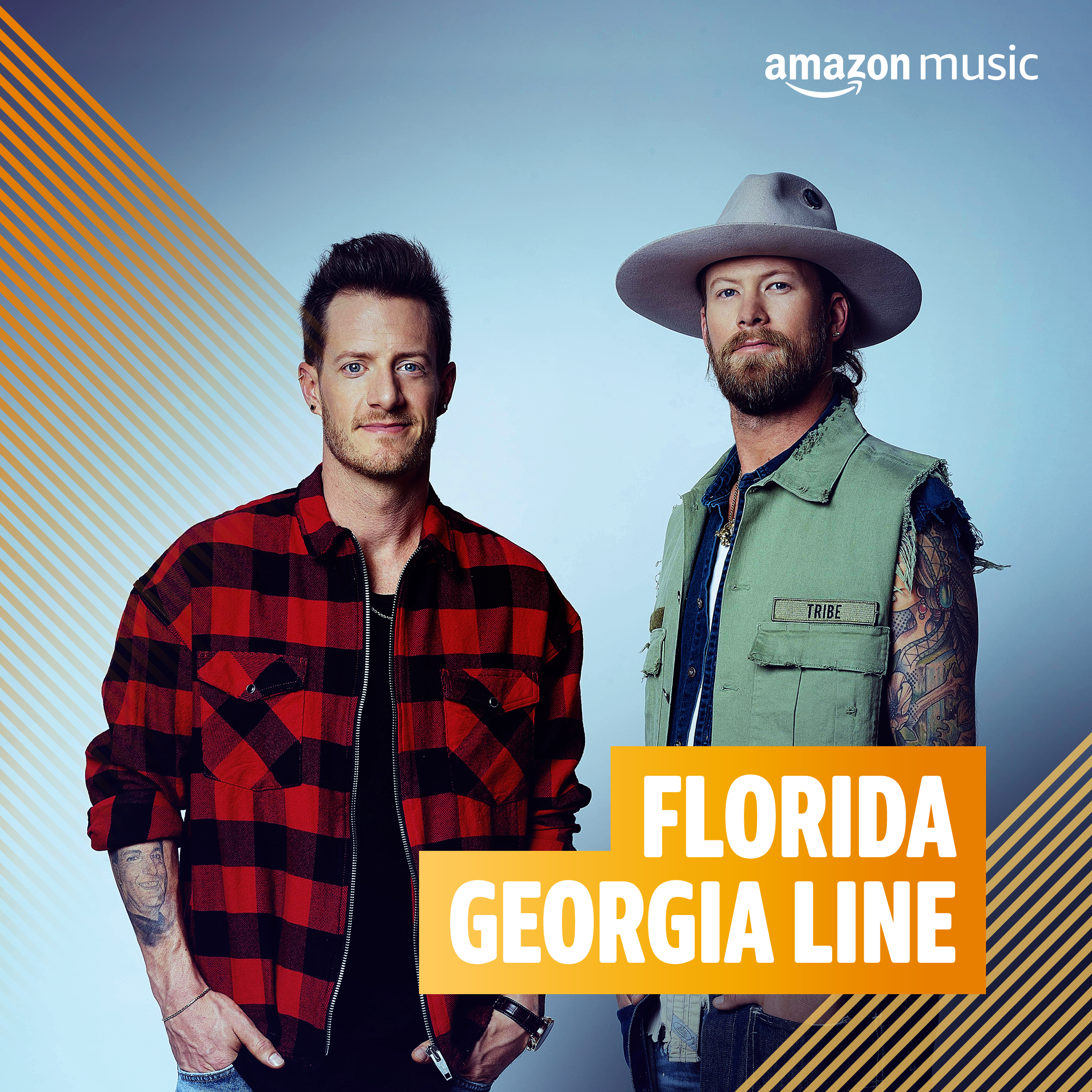
The Florida Georgia Line (FGL) guys, Tyler Hubbard and Brian Kelley, matter in country music because they fundamentally redefined the genre’s commercial boundaries and sonic identity during the 2010s. By pioneering the "bro-country" mo...
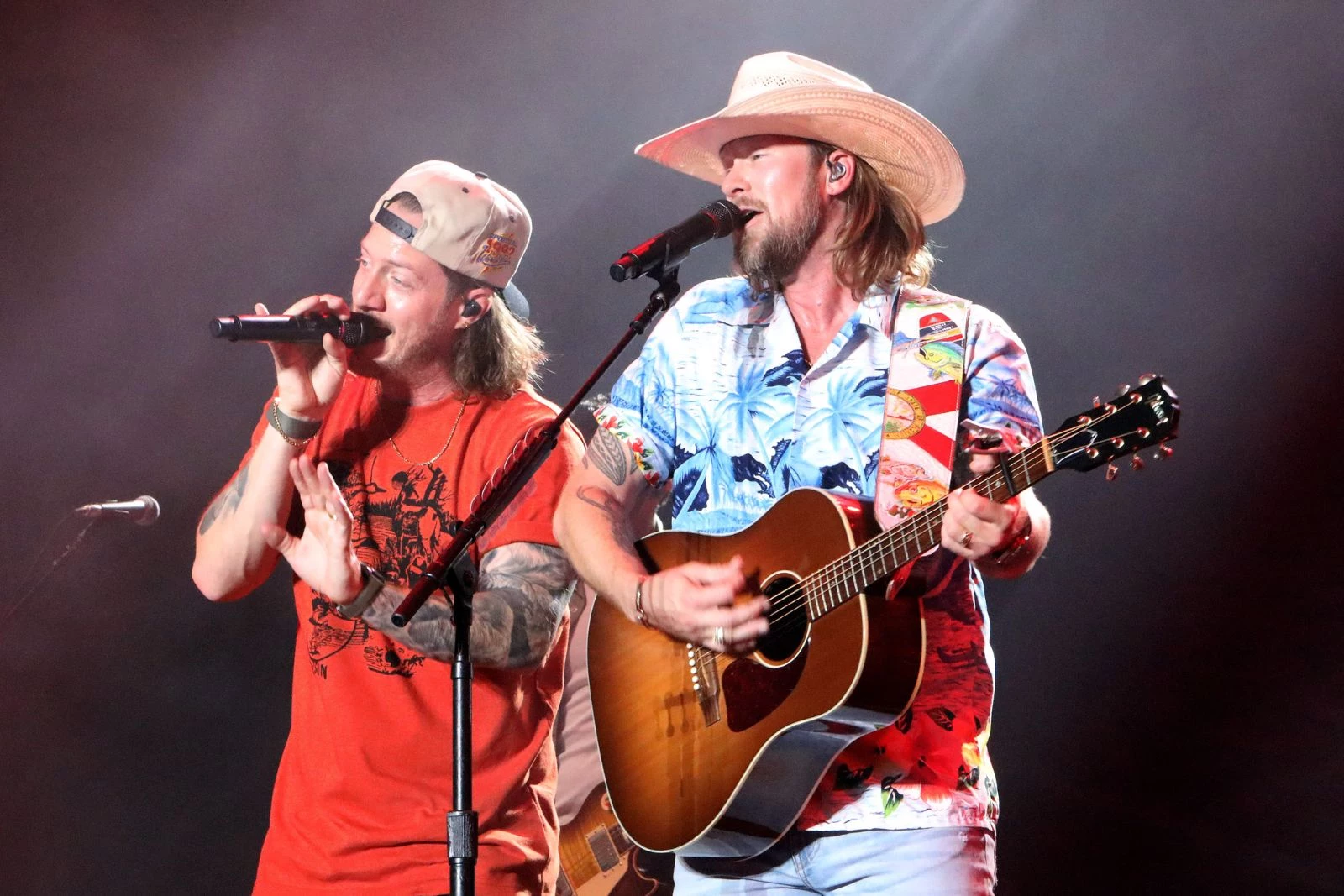
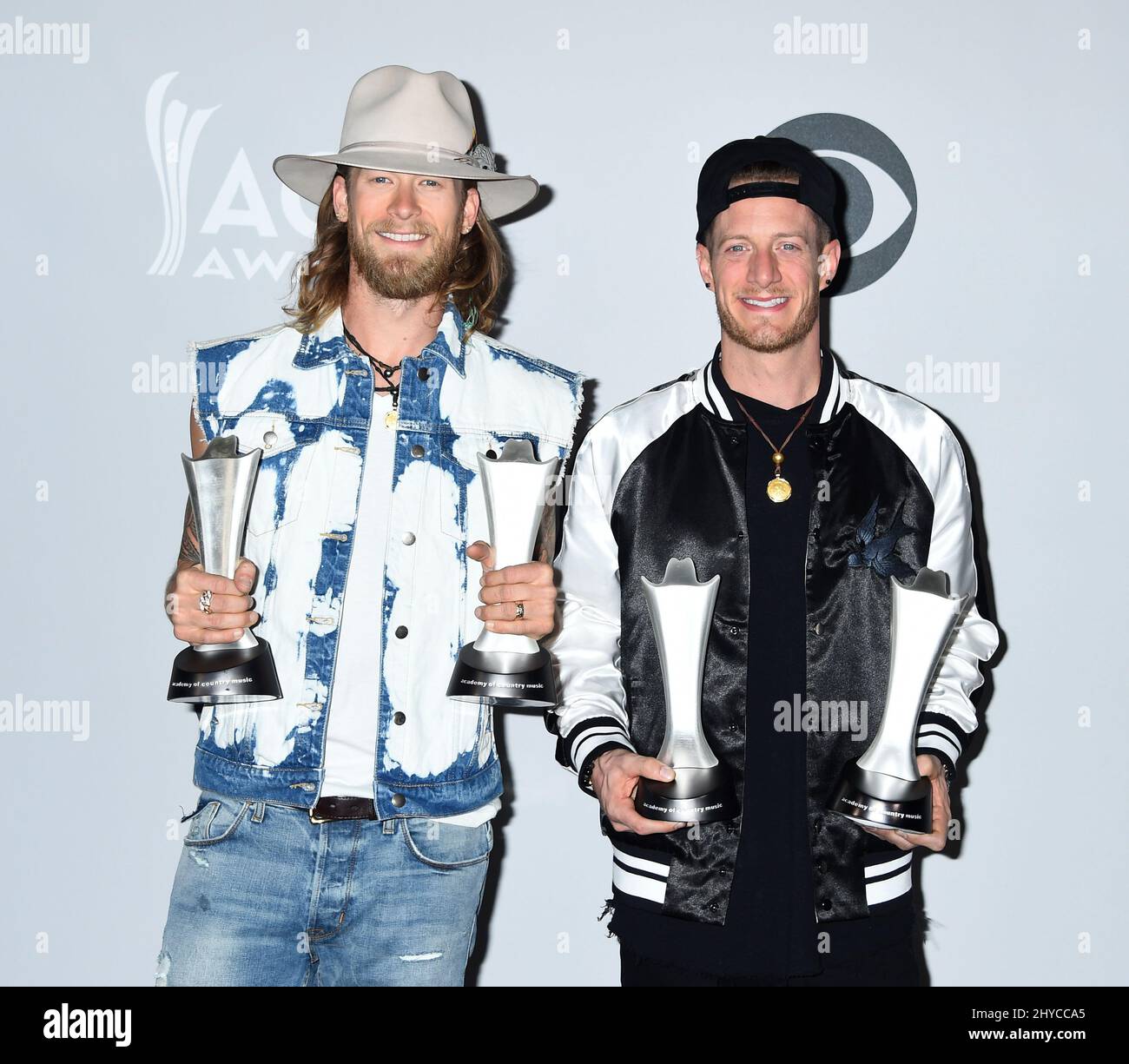
The Florida Georgia Line (FGL) guys, Tyler Hubbard and Brian Kelley, matter in country music because they fundamentally redefined the genre’s commercial boundaries and sonic identity during the 2010s. By pioneering the "bro-country" movement and integrating hip-hop and pop production, they expanded country music’s demographic reach to a global, younger audience.
Contents
The emergence of Florida Georgia Line in 2012 was not merely the arrival of another successful duo; it was a seismic shift in how country music was produced, marketed, and consumed. While traditionalists often critiqued their departure from classic tropes, the duo’s impact remains undeniable in 2026. Their legacy is characterized by record-breaking chart dominance, a blueprint for genre-blending collaborations, and a business-first approach to the Nashville industry that paved the way for the current generation of superstars.
The "Cruise" Catalyst and the RIAA Diamond Era
To understand why Tyler Hubbard and Brian Kelley matter, one must analyze the trajectory of their debut single, "Cruise." Released in 2012, the song eventually became the first country single to be certified Diamond by the RIAA, signifying over 10 million units moved. This was more than just a popular song; it was a proof of concept for a new era of country music.
"Cruise" succeeded because it utilized a specific "wall of sound" production style—often attributed to producer Joey Moi—that borrowed heavily from rock and hip-hop dynamics. The remix featuring Nelly further solidified the duo’s importance by proving that country music could thrive on Top 40 radio without losing its core identity in the eyes of the consumer. This crossover success forced the industry to reconsider what "country" sounded like, leading to a decade where the lines between genres became increasingly blurred.
Defining and Dominating the "Bro-Country" Subgenre
The term "bro-country," coined by journalist Jody Rosen in 2013, was inextricably linked to Florida Georgia Line. While the label was often used pejoratively to describe songs focused on trucks, partying, and romanticizing rural life, the "FGL guys" turned it into a multi-billion dollar aesthetic. They provided the soundtrack for a specific cultural moment in middle America.
The Lyrical and Cultural Shift
Hubbard and Kelley’s importance lies in their ability to mirror the actual listening habits of rural and suburban youth. By the mid-2010s, young listeners in the South and Midwest were listening to Drake and Lil Wayne alongside George Strait. FGL bridged that gap. Their lyrics didn't pretend that the listener was only interested in the "good old days"; they leaned into the present, incorporating modern slang and rhythmic cadences that felt authentic to a new generation of fans.
Commercial Resilience
The duo’s significance is also measured by their consistency. Between 2012 and their eventual hiatus/split, they secured nearly 20 number-one singles. This level of dominance provided a stabilizing force for Nashville’s economy, proving that a duo could carry the weight of a major label (Big Machine Label Group) and sell out stadiums traditionally reserved for solo acts like Kenny Chesney or Luke Bryan.
Architectural Change: The Joey Moi Production Style
One cannot discuss why the Florida Georgia Line guys matter without mentioning the technical evolution of Nashville’s sound. Before FGL, country production was largely organic, favoring acoustic textures and traditional drum kits. Under the guidance of Joey Moi, Hubbard and Kelley introduced a high-compression, heavy-percussion sound that mirrored the energy of Nickelback (whom Moi also produced) and modern pop.
This production style introduced:
- Snap Tracks and 808s: Integrating electronic percussion into country ballads.
- Vocal Layering: Using Hubbard’s distinct "nasal" lead and Kelley’s harmonies to create a thick, unmistakable vocal profile.
- Genre-Fluid Arrangements: Songs like "Meant to Be" with Bebe Rexha utilized a minimalist pop structure while maintaining country storytelling themes.
This shift was polarizing, but it was also the catalyst for the modern Nashville sound heard in 2026. Artists like Morgan Wallen, who was mentored by the duo and shares their producer, are the direct descendants of the FGL production blueprint.
Business Expansion and the "New Nashville" Mogul Model
Tyler Hubbard and Brian Kelley were among the first modern country stars to view their brand as a diversified enterprise. They mattered because they showed other artists how to move beyond the microphone. They didn't just sign record deals; they built infrastructures.
Tree Vibez Music
In 2015, the duo founded Tree Vibez Music, a publishing and artist development company. This was a critical move that allowed them to cultivate new talent and own the copyrights to the songs being written by their peers. By acting as mentors and publishers, they ensured that their influence would persist even when they weren't the ones on stage.
Lifestyle Branding
The duo expanded into the hospitality and spirits industries with ventures like:
- Old Camp Whiskey: A peach pecan whiskey that leaned into their Southern brand.
- FGL House: A multi-level entertainment venue in downtown Nashville that helped define the "Broadway" experience for tourists.
By 2026, this "mogul" approach has become standard for country stars, but Hubbard and Kelley were the primary architects of the model during the peak of their duo years.
Comparing FGL’s Impact to Other Country Eras
The following table illustrates how Florida Georgia Line’s influence compared to other major movements in country music history.
| Era/Movement | Key Characteristics | FGL’s Contribution/Contrast |
|---|---|---|
| Outlaw Country (1970s) | Rebellion against Nashville; raw sound. | FGL rebelled by leaning into pop/hip-hop, not away from it. |
| 90s Neo-Traditionalism | Return to fiddle and steel; Garth Brooks' stadium era. | FGL adopted Garth's stadium energy but replaced the fiddle with 808s. |
| The "Bro-Country" Era | Party themes, electronic production, truck culture. | FGL were the undisputed leaders and innovators of this specific era. |
| 2020s Streaming Era | Genre-less, high-frequency releases, viral hits. | FGL provided the blueprint for the crossover collaborations that dominate current charts. |
The Legacy of the Split and Solo Careers in 2026
As of 2026, looking back at the 2022/2023 dissolution of the duo, their importance is perhaps even clearer. The "Florida Georgia Line guys" proved that their individual identities could sustain separate niches.
Tyler Hubbard’s solo career has focused on radio-friendly, high-gloss country-pop, maintaining the commercial momentum of the FGL brand. Brian Kelley, conversely, leaned into his "Beach Cowboy" persona, carving out a specialized "Coastal Country" subgenre. This separation allowed the industry to see that the FGL "magic" was a combination of Hubbard’s melodic sensibility and Kelley’s atmospheric branding. Their ability to survive as solo entities in 2026 reinforces the idea that they weren't just a "flash in the pan" duo, but talented songwriters and businessmen who understood the market better than almost anyone in their prime.
Common Questions About Florida Georgia Line’s Impact
Did Florida Georgia Line "ruin" country music?
No, but they certainly changed it. While traditionalists argue that they moved the genre too far from its roots, FGL actually saved the genre’s commercial viability during a period when it was losing younger listeners to pop and hip-hop. They provided an entry point for millions of new fans who eventually discovered more traditional artists through the "country" umbrella.
What was their most significant song?
"Cruise" is historically their most significant due to its Diamond certification and its role in launching the bro-country era. However, "Meant to Be" (with Bebe Rexha) is equally important because it spent a record-breaking 50 weeks at number one on the Billboard Hot Country Songs chart, proving the duo's massive crossover appeal.
Are Tyler Hubbard and Brian Kelley still friends?
While there was much public speculation regarding political differences and a "falling out" around 2020, both have maintained a professional stance in the years following their split. In 2026, they are viewed more as former business partners who chose different creative paths rather than active rivals.
Why did they stop performing as a duo?
The decision to pursue solo careers was rooted in a desire for creative independence. After a decade of being tethered to a specific "duo" sound and brand, both Hubbard and Kelley expressed a need to explore their individual musical interests—Hubbard toward mainstream pop-country and Kelley toward a more thematic, coastal sound.
Who is the "Florida" and who is the "Georgia"?
Brian Kelley is from Ormond Beach, Florida, and Tyler Hubbard is from Monroe, Georgia. Their name was a literal representation of their geographic roots meeting at the state line, which also symbolized the meeting of their different musical influences.
Practical Recommendation for Listeners and Analysts
To truly understand why the Florida Georgia Line guys matter, one should listen to their discography not just as a collection of hits, but as a chronological study of Nashville’s evolution. Start with the Here’s to the Good Times album to hear the birth of bro-country, then move to Dig Your Roots to hear their attempt at more mature, spiritual themes. Finally, compare Tyler Hubbard's self-titled solo work with Brian Kelley’s Sunshine State of Mind.
This progression reveals how they successfully navigated the transition from "party starters" to "industry veterans." For anyone looking to enter the music business or understand modern American culture, the FGL story is a mandatory case study in branding, sonic innovation, and the power of understanding your audience.
Image Gallery