Comparing Navy Federal and USAA Credit Cards: 2026 Military Banking Guide
Choosing between Navy Federal Credit Union (NFCU) and USAA for a credit card involves evaluating whether you prioritize high credit limits and low interest rates or niche category rewards and integrated insurance services. Navy Federal...
Choosing between Navy Federal Credit Union (NFCU) and USAA for a credit card involves evaluating whether you prioritize high credit limits and low interest rates or niche category rewards and integrated insurance services. Navy Federal generally offers higher limits and lower APRs, while USAA provides specialized 5% cash-back categories and superior app integration for military families.
Contents
For members of the military community, veterans, and their families, the choice between Navy Federal Credit Union and USAA is a perennial debate. As of 2026, both institutions have refined their credit card portfolios to compete with big-box banks while maintaining their core mission of serving the armed forces. While both offer significant advantages over "civilian" banks—such as no foreign transaction fees across the board and lower-than-average interest rates—their strategies differ fundamentally in reward structures and lending philosophies.
Understanding Membership and Eligibility in 2026
Before comparing the cards themselves, it is essential to understand who can access these products. Both institutions are exclusive, but their "gates" are positioned slightly differently.
Navy Federal Credit Union is the largest credit union in the world. Eligibility extends to active-duty members of all military branches, retirees, veterans, and Department of Defense (DoD) civilians. Crucially, NFCU allows family members—including grandparents, parents, spouses, siblings, children, and grandchildren—to join. Once a family member joins, they can sponsor others. This makes Navy Federal slightly more accessible to a broader range of DoD-affiliated individuals.
USAA (United Services Automobile Association) has historically been more restrictive, focusing on those who have served in the U.S. Uniformed Services, their spouses, and children. While USAA was once open only to officers, it has long since expanded to all ranks. However, the "family" definition is narrower than Navy Federal’s; you generally need a parent who has or had a USAA property and casualty insurance policy to be eligible as a descendant.
In 2026, both institutions have streamlined their digital onboarding, making it possible to verify eligibility through automated systems linked to military records, often providing instant membership approval.
Navy Federal Credit Card Portfolio Analysis
Navy Federal’s credit card lineup is designed for versatility. Their cards are frequently cited by members for having higher-than-average credit limits, sometimes starting at $10,000 to $25,000 for those with strong credit profiles.
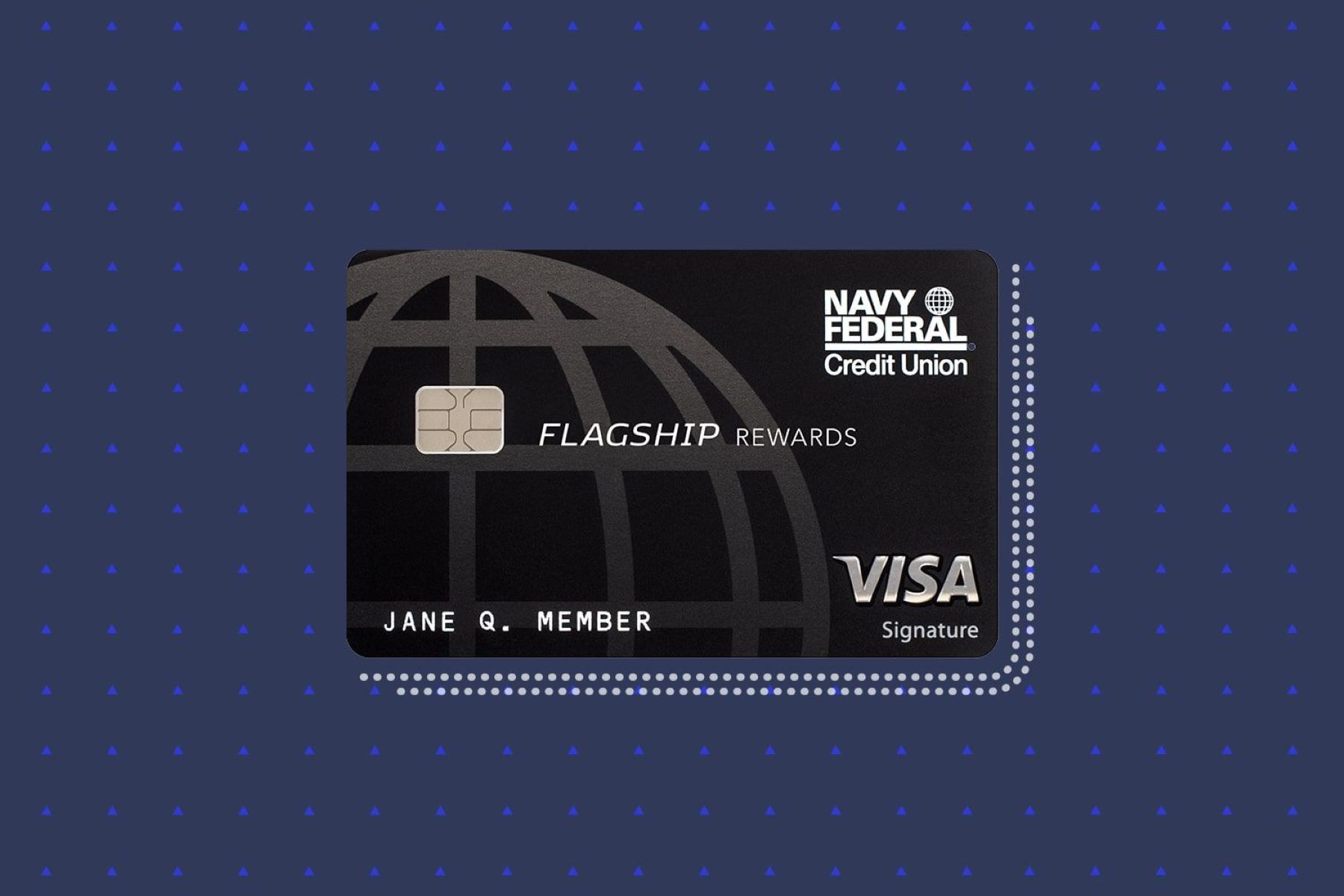
Navy Federal Flagship Rewards
The Flagship Rewards card remains the premier travel option for NFCU members in 2026. It carries a modest $49 annual fee, which is often offset by a Global Entry or TSA PreCheck credit.
- Rewards: 3x points on travel and 2x points on everything else.
- Best For: Members who want a simple, high-earning "catch-all" card for travel and daily spending.
- 2026 Update: The definition of "travel" is broad, including ride-shares, tolls, parking, and traditional airfare/hotels.
Navy Federal More Rewards American Express® Card
This card is often considered the "powerhouse" for domestic spending. It has no annual fee and leverages the American Express network, though it is issued directly by Navy Federal.
- Rewards: 3x points on supermarkets, gas, transit, and dining. 1x on other purchases.
- Best For: Families with high grocery and fuel expenses.
- Consideration: Because it is an Amex, international acceptance may be slightly lower than Visa or Mastercard, though this has improved significantly by 2026.
Navy Federal CashRewards
The CashRewards card is a straightforward cash-back tool. It offers a base of 1.5% cash back on all purchases. However, for members who maintain a direct deposit into a Navy Federal checking account, the rate often bumps to 1.75%.
- Best For: People who dislike managing point categories and want liquid cash.
USAA Credit Card Portfolio Analysis
USAA’s strategy focuses on specialized spending categories. While their credit limits are often perceived as more conservative than Navy Federal’s, their niche cards offer some of the highest percentage returns in the industry.
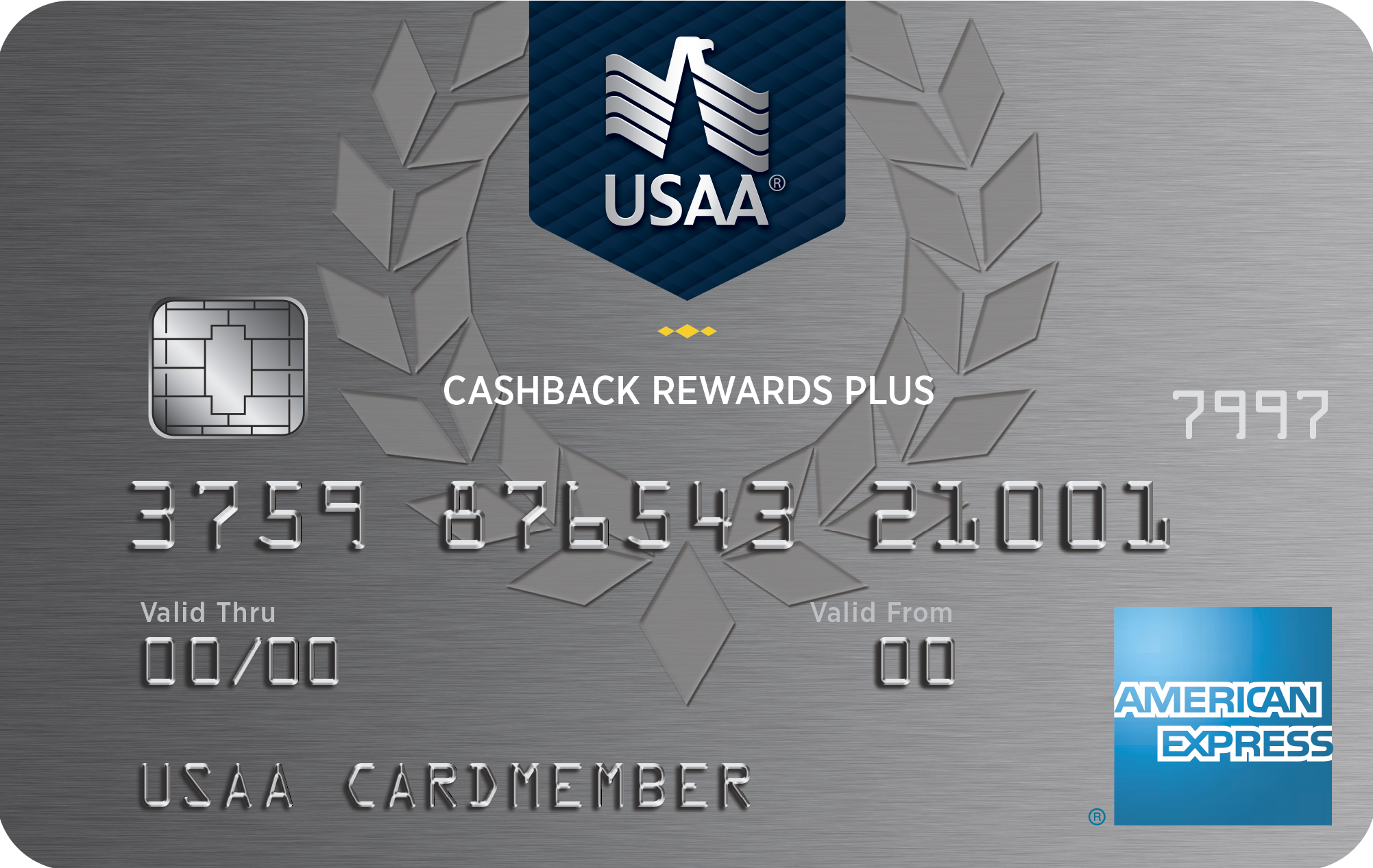
USAA Cashback Rewards Plus American Express®
This card is legendary in military circles for one specific reason: the 5% cash-back rate on gas.
- Rewards: 5% cash back on your first $3,000 in combined gas and military base purchases (commissary, PX/BX/NEX) per year. 2% on supermarkets (up to $3,000) and 1% elsewhere.
- Best For: Service members living on base or those with long commutes.
- Strategic Use: Many members use this card exclusively for fuel and base shopping to maximize the 5% tier.
USAA Eagle Navigator™ Operating in 2026
The Eagle Navigator is USAA’s answer to the premium travel market, carrying a $95 annual fee.
- Rewards: 3x points on travel (flight, hotel, car rental, vacation rentals) and 2x points on all other purchases.
- Best For: Frequent travelers who want an integrated experience within the USAA app and potentially higher travel insurance protections.
USAA Rewards™ Visa
This is the standard, no-annual-fee offering designed for general use.
- Rewards: 2x points on dining and gas, 1x on everything else.
- Best For: Entry-level credit users or those who want a simple Visa card for universal acceptance.
Head-to-Head Comparison: Key Metrics
When comparing these cards, we must look at the financial "mechanics" beyond the marketing points.
| Feature | Navy Federal (General) | USAA (General) |
|---|---|---|
| Average APR Range | Often 2%–4% lower than national averages | Competitive, but rarely the lowest |
| Foreign Transaction Fees | $0 on all cards | $0 on all cards |
| Max Cash Back (Gas) | 3x Points (More Rewards) | 5% Cash Back (Rewards Plus) |
| Max Cash Back (General) | Up to 1.75% (CashRewards) | 1.5% (Preferred Cash) |
| Credit Limits | Known for high limits ($50k cap on most) | Generally more conservative |
| Annual Fees | $0 to $49 | $0 to $95 |
| Network Availability | Visa, Mastercard, Amex | Visa, Amex |
Interest Rates and Lending Philosophies
A major distinction in 2026 remains the Annual Percentage Rate (APR). Navy Federal is a credit union, meaning it is member-owned and not-for-profit. This structure often allows them to cap their interest rates significantly lower than USAA, which, while member-centric, operates with different capital requirements.
For members who might need to carry a balance—though not recommended—Navy Federal’s Platinum Card is a standout. It offers no rewards but features the lowest APR in their lineup, often hovering near the prime rate. USAA’s lowest APR cards are usually 200 to 300 basis points higher than Navy Federal’s equivalent.
Furthermore, Navy Federal is widely recognized for its "generosity" with credit limit increases. It is common for members to see their limits double after six months of on-time payments. USAA tends to be more cautious, often requiring more rigorous income verification for high-limit requests.
Reward Redemption and Flexibility
In 2026, the ease of using your points is just as important as earning them.
- Navy Federal Rewards: Points are generally worth 1 cent each. You can redeem them for cash (deposited into an NFCU account), gift cards, merchandise, or travel. The Flagship card allows for a "Pay Yourself Back" feature for certain travel categories, which adds a layer of convenience.
- USAA Rewards: USAA has modernized its portal to allow for instant cash-back redemption into savings or checking accounts. However, their points-to-cash conversion for the travel-specific cards can sometimes be less than 1 cent per point if not used for travel, so members must read the fine print of the specific 2026 terms.
Digital Experience and Customer Service
USAA has long been the gold standard for mobile banking. In 2026, their app remains an all-in-one ecosystem where you can manage your credit card, pay your auto insurance, check your mortgage, and even trade stocks. For users who value integration, USAA is the clear winner.
Navy Federal’s digital presence has caught up significantly. Their app is highly rated for security and ease of use, specifically for managing credit card "freezes" and travel notifications. However, because Navy Federal focuses primarily on banking and not insurance, the app feels less like a "financial command center" and more like a traditional banking tool.
Customer service is a "win-win" situation. Both institutions consistently rank at the top of J.D. Power surveys for customer satisfaction. Both offer 24/7 U.S.-based support, which is a massive benefit for service members stationed overseas in different time zones.
Common Pitfalls and Mistakes to Avoid
When choosing between these two, members often make a few repeatable mistakes:
- Overlooking the "Direct Deposit" Requirement: Many of Navy Federal’s best perks (like the 1.75% cash back) are tied to having your military LES or civilian paycheck deposited there. If you use a different primary bank, you lose the edge.
- Missing the USAA Spending Caps: The USAA 5% gas reward is excellent, but it is capped at $3,000 in spending per year. For a family with two vehicles and a long commute, this cap might be hit by mid-year, at which point the reward drops to 1%.
- Ignoring the Network: Navy Federal offers Visa, Mastercard, and Amex. If you are PCSing (Permanent Change of Station) to a location with limited Amex acceptance, you should ensure your primary card is a Navy Federal Visa or Mastercard.
Building Credit: The Secured Card Options
For junior enlisted members or those rebuilding credit in 2026, both institutions offer "Secured" cards.
- The Navy Federal nRewards® Secured card is a favorite because it is designed to graduate to an unsecured CashRewards card in as little as six months with responsible use. It also earns 1x points, which is rare for secured cards.
- USAA Secured Cards often require a 2-year Certificate of Deposit (CD) as collateral. This can be a bit more restrictive for those who need liquid cash, but it does help the member earn a small amount of interest on their security deposit.
Frequently Asked Questions
Which card is harder to get: Navy Federal or USAA?
Generally, USAA is perceived to have slightly stricter underwriting standards for their premium cards like the Eagle Navigator. Navy Federal is often more willing to work with members who have average credit scores (600–680), provided they have a long-standing relationship with the credit union.
Can I have credit cards from both institutions?
Yes. Many military families find that a "hybrid" strategy works best. For example, using a USAA Cashback Rewards Plus for 5% back on gas and base purchases, while using a Navy Federal Flagship Rewards for all other travel and general spending.
Do these cards offer SCRA benefits?
Both Navy Federal and USAA are excellent at complying with the Servicemembers Civil Relief Act (SCRA) and the Military Lending Act (MLA). In many cases, both institutions go beyond the legal requirement, lowering interest rates even further (sometimes to 4% or 6%) for debt incurred prior to starting active duty.
Are there any hidden fees in 2026?
Neither institution charges foreign transaction fees. Neither charges "membership fees" to keep a credit card open, though you must maintain a small balance (usually $5) in a primary savings account to remain a member of the credit union (NFCU).
Which card is better for international travel?
The Navy Federal Flagship Rewards or USAA Eagle Navigator are the best choices. Both are on the Visa/Mastercard networks (widely accepted worldwide) and offer travel-specific protections like collision damage waivers for rental cars and travel accident insurance.
Final Recommendation: How to Choose
The decision ultimately rests on your spending habits and borrowing needs.
- Choose Navy Federal if: You want the highest possible credit limits, the lowest possible APR if you ever carry a balance, and a broad definition of "family" for membership. The More Rewards and Flagship combo provides a top-tier rewards structure for most households.
- Choose USAA if: You spend heavily on gas and at the commissary/PX, or if you already use USAA for auto and home insurance. The Cashback Rewards Plus offers a 5% return that is almost impossible to beat in the military banking space.
For most, the "Navy Federal" ecosystem provides a bit more flexibility in lending, while the "USAA" ecosystem provides better specific rewards for those living the military lifestyle on-base.
Image Gallery