What Is the Standard Bank Branch Code? A Comprehensive Guide for 2026
The universal branch code for Standard Bank of South Africa is 051001. This six-digit code is designed to facilitate all domestic electronic fund transfers (EFTs) regardless of which specific branch the account was originally opened at...
The universal branch code for Standard Bank of South Africa is 051001. This six-digit code is designed to facilitate all domestic electronic fund transfers (EFTs) regardless of which specific branch the account was originally opened at, streamlining the payment process for both individuals and businesses.
Contents
Navigating the South African banking landscape in 2026 requires a clear understanding of how routing information works. While digital transformation has moved many services to the cloud, the fundamental architecture of the National Payment System still relies on branch codes to ensure that funds reach the correct institution. For Standard Bank customers and those sending money to them, understanding the distinction between universal codes, specific branch codes, and international SWIFT codes is essential for financial accuracy.
The Shift Toward Universal Branch Codes
In the early years of digital banking, every physical Standard Bank branch—from the bustling centers in Sandton to smaller outlets in the Karoo—maintained a unique six-digit identifying code. If you were sending money to a friend who opened their account in Sea Point, you had to search for that specific Sea Point code. Failure to provide the exact code often resulted in delayed payments or transaction reversals.
By 2026, the South African banking industry, led by institutions like Standard Bank, has almost entirely transitioned to the Universal Branch Code (UBC) system. The primary motivation behind this shift was to reduce human error. Statistics from the Payments Association of South Africa (PASA) historically showed that a significant percentage of failed EFTs were due to incorrect branch code entries. By implementing the 051001 universal code, Standard Bank eliminated the need for users to memorize or look up hundreds of different location-based numbers.
How the Universal Code Functions
When you enter 051001 into a banking app or online portal, the system recognizes the destination as the Standard Bank of South Africa central clearing system. From there, the account number itself serves as the primary unique identifier to route the money to the correct recipient. In 2026, this process is near-instantaneous, particularly with the widespread adoption of real-time clearing (RTC) protocols.
When to Use Specific Standard Bank Branch Codes
Despite the convenience of the universal code, there are rare instances where a specific branch code might still be requested. These situations typically involve legacy corporate software, specific legal documents, or certain internal bank forms that have not yet been updated to the universal format.
If you find yourself in a situation where the universal code 051001 is not accepted, you may need the code associated with the physical location. Below is a reference table for some of the major Standard Bank hubs across South Africa.
| Branch Name | Specific Branch Code | Province |
|---|---|---|
| Alice Lane (Sandton) | 000192 | Gauteng |
| Cape Town Main | 020009 | Western Cape |
| Durban Main | 040026 | KwaZulu-Natal |
| Pretoria Church Square | 010045 | Gauteng |
| Port Elizabeth (Gqeberha) Main | 050017 | Eastern Cape |
| Bloemfontein Main | 055534 | Free State |
| Standard Bank Universal Code | 051001 | National |
Note: It is highly recommended to use 051001 whenever possible, as it is the most modern and reliable method for routing domestic payments in 2026.
International Transfers: SWIFT and BIC Codes
If you are receiving money from outside South Africa, the domestic branch code (051001) will not be sufficient. International banking operates on a different standard managed by the Society for Worldwide Interbank Financial Telecommunication (SWIFT).
For international incoming wires, you will need a SWIFT Code (also known as a BIC or Bank Identifier Code). Standard Bank’s primary SWIFT code is SBZA ZA JJ.
Breaking Down the SWIFT Code:
- SBZA: This identifies the bank (Standard Bank).
- ZA: This identifies the country (South Africa).
- JJ: This is a location code (usually referring to Johannesburg as the central hub).
When a sender in London, New York, or Dubai initiates a transfer to a Standard Bank account, their local bank uses this code to route the funds across the global financial network. Once the money reaches South Africa, Standard Bank then uses the recipient's specific account number to finalize the deposit.
How to Find Your Branch Code in 2026
If you are ever unsure of your branch details or need to verify your account information for a formal application, Standard Bank provides several digital avenues to access this data instantly.
1. The Standard Bank Mobile App
As of 2026, the mobile app remains the primary touchpoint for most users. To find your details:
- Log in using your biometric data (fingerprint or facial recognition).
- Tap on the specific account (e.g., MyMo, Professional, or Gold).
- Select the "Account Details" or "Information" icon.
- The universal branch code and your full account number will be displayed clearly.
2. Internet Banking
For business users or those preferring a desktop interface:
- Sign in to the Standard Bank secure online portal.
- Navigate to the "Accounts" dashboard.
- Your branch code is typically listed at the top of the screen next to your account type.
3. Monthly Statements
Every official bank statement issued by Standard Bank contains the necessary routing information. Look at the header of your PDF statement (usually in the top right corner). You will see the branch name (often listed as "Universal Branch") and the code 051001.
4. Official Website Search
Standard Bank maintains an updated "Branch Locator" tool on their website. While this tool is primarily used to find physical ATMs or branch operating hours, it also lists the specific branch codes for those who require them for niche administrative purposes.
The Difference Between Branch Codes and Other Identifiers
It is common for users to confuse various banking numbers. To ensure your transactions are successful, it is important to distinguish the branch code from the following:
- Account Number: This is your unique 9-to-11 digit identifier. While the branch code gets the money to Standard Bank, the account number gets the money to you.
- CVV/CVC: The three-digit number on the back of your debit or credit card. This is for security during card-not-present transactions and has nothing to do with branch routing.
- Card Number: The 16-digit number on the front of your plastic or virtual card. This is used for card payments, whereas branch codes are used for EFTs and bank-to-bank transfers.
- PIN: Your personal identification number used at ATMs and Point of Sale (POS) terminals. Never share this with anyone, even when setting up a transfer.
Common Mistakes and Troubleshooting
Even with a universal code, errors can occur. Here are the most frequent issues encountered in 2026 and how to resolve them:
Using the SWIFT Code for Domestic Transfers
A common mistake is attempting to use "SBZA ZA JJ" for a local transfer between two South African banks (e.g., from FNB to Standard Bank). This will result in an "Invalid Branch Code" error. For all local transfers, use the numerical 051001.
Transposing Digits
Ensure you do not confuse the sequence. Entering "050101" instead of "051001" will route the transaction to a non-existent or incorrect destination. Always double-check the digits before confirming a payment, especially when setting up a new beneficiary.
Using Standard Bank Codes for Stanbic Accounts
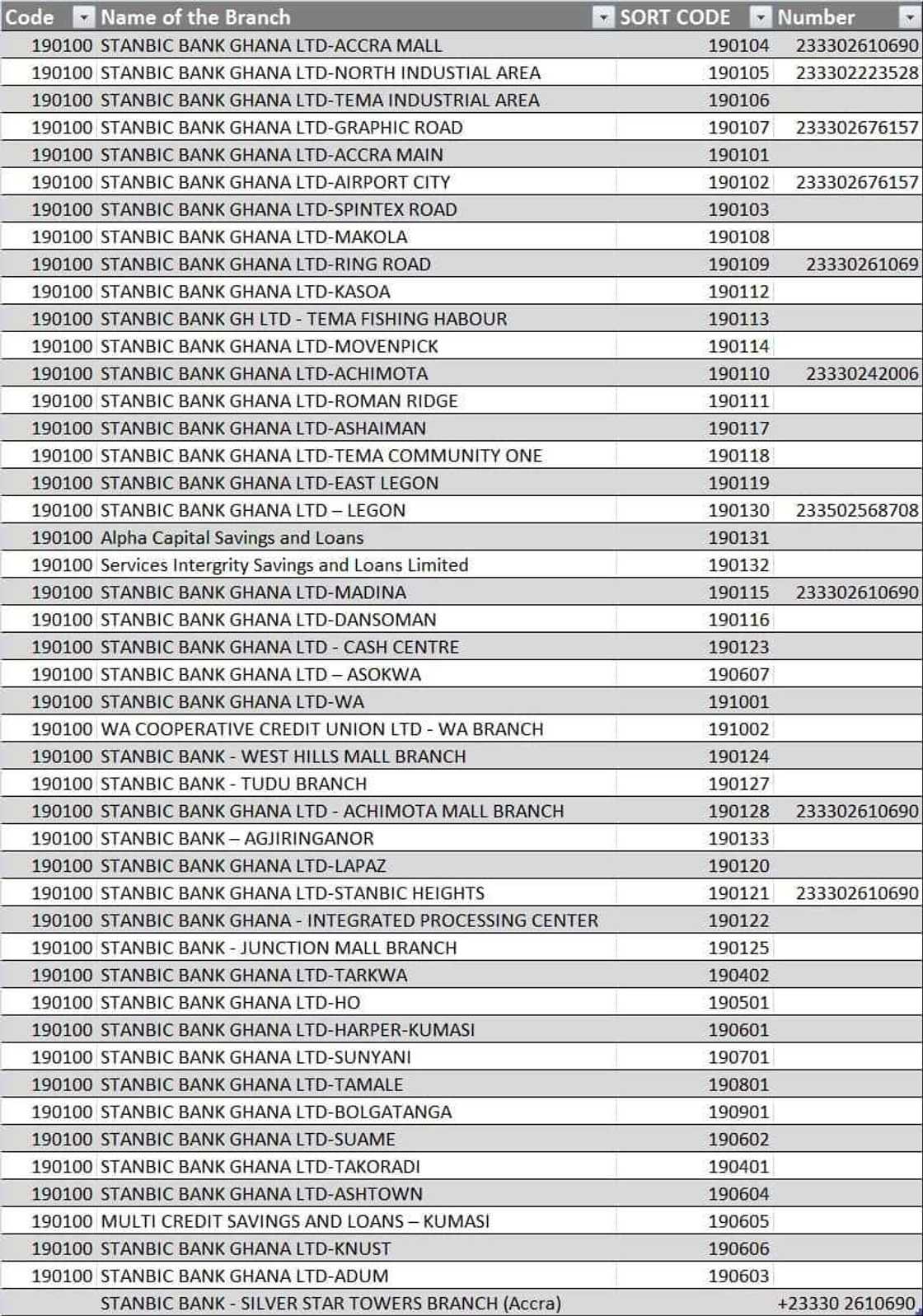
Standard Bank operates under the brand name Stanbic Bank in many other African countries (such as Kenya, Nigeria, and Ghana). It is a vital distinction: Stanbic Bank branches have their own unique national clearing codes and SWIFT codes. You cannot use the South African code 051001 to send money to a Stanbic account in another country. Those are treated as international transfers.
Security Best Practices for Sharing Bank Details
When someone asks for your branch code to pay you, you are essentially sharing your banking coordinates. In 2026, cybersecurity remains a top priority. Follow these guidelines:
- Only Share Necessary Info: To receive a payment, you only need to provide your Name, Account Number, Bank Name, and Branch Code (051001).
- Verify the Source: If you receive an email or SMS claiming to be from Standard Bank asking you to "update" your branch code by clicking a link, it is likely a phishing attempt. Standard Bank will never ask for your sensitive details via a link.
- Use "PayMe" Features: Standard Bank’s 2026 app features "PayMe" links or QR codes that automatically embed your account number and branch code, reducing the risk of manual entry errors and keeping your data streamlined.
Frequently Asked Questions
Is the Standard Bank branch code the same for all provinces?
Yes, the universal branch code 051001 is valid for all Standard Bank accounts across all nine provinces of South Africa. Whether the account was opened in Gauteng, the Western Cape, or Limpopo, this code will work for all domestic EFTs.
Can I use 051001 for a business account?
Absolutely. The universal code applies to all account types, including personal savings accounts, student accounts, business current accounts, and corporate investment accounts.
What should I do if a company asks for my "Home Branch" code?
In most cases, you can provide the universal code 051001. If their system specifically requires a code tied to a physical location, you can find the original branch where you opened your account by looking at your original account opening documents or by using the branch locator on the Standard Bank website.
Does the branch code change if I move my account to a different city?
No. In the modern banking era, your account is no longer "tethered" to a physical building in the way it used to be. Your account number and the universal branch code remain the same even if you move across the country.
Is the branch code required for PayID or cellphone number payments?
If you are using modern "Pay by Proxy" services (where you send money to a cellphone number or email address), the system automatically handles the routing in the background. You generally do not need to manually enter a branch code for these types of instant digital payments.
Practical Recommendation
When setting up a new beneficiary or providing your details for payment in 2026, always prioritize using the universal branch code 051001. It is the standard recognized by all South African financial institutions and significantly reduces the likelihood of transaction errors. If you are handling an international transaction, ensure you use the SWIFT code SBZA ZA JJ instead. Always verify account numbers twice, as the branch code only ensures the money reaches the right bank, while the account number ensures it reaches the right person.
Image Gallery