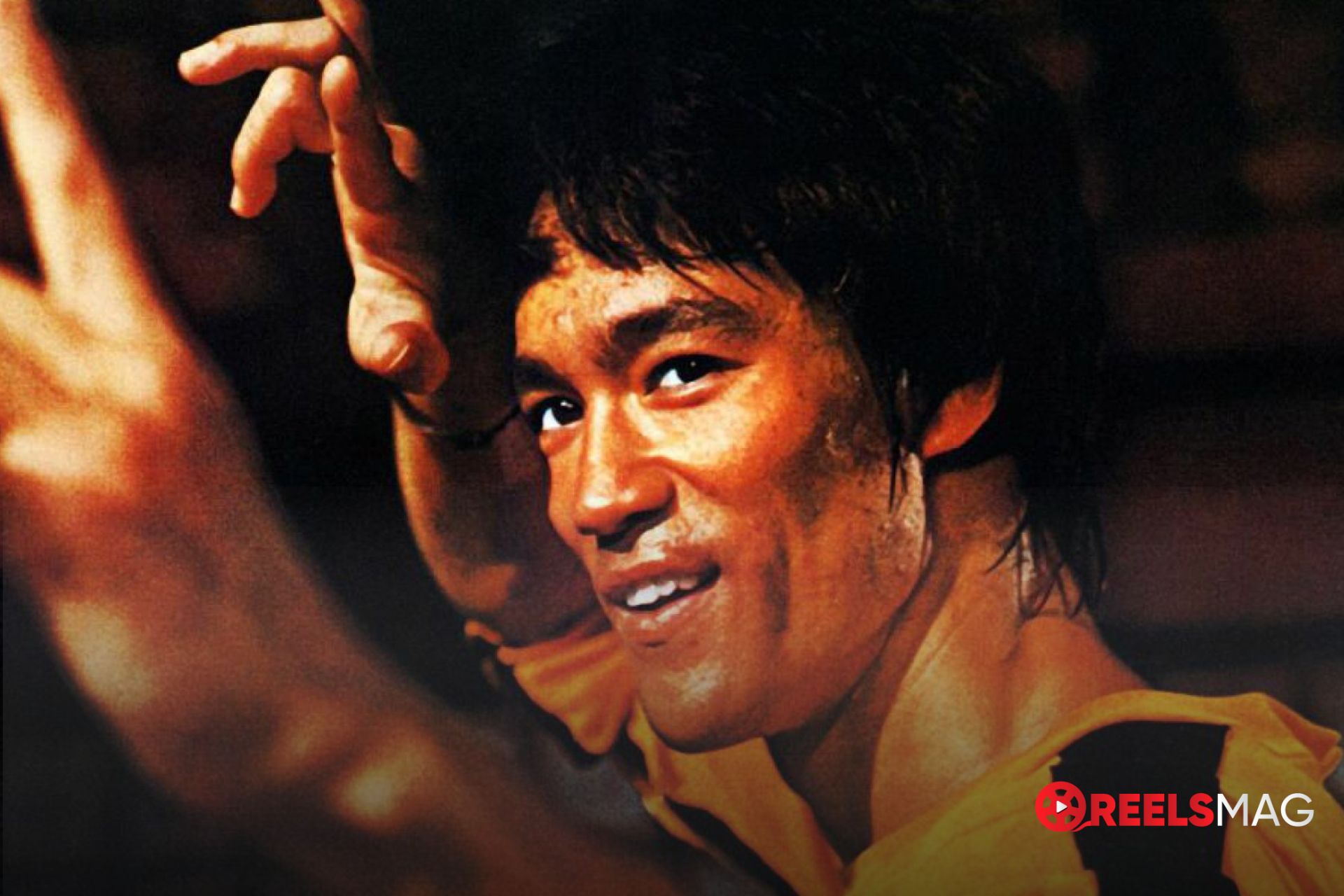
Why Did Bruce Lee Die So Young? The Medical and Historical Truth
Bruce Lee died at the age of 32 on July 20, 1973, due to cerebral edema, or swelling of the brain. While the official coroner’s report attributed his death to an adverse reaction to the painkiller Equagesic, modern medical researchers...
Bruce Lee died at the age of 32 on July 20, 1973, due to cerebral edema, or swelling of the brain. While the official coroner’s report attributed his death to an adverse reaction to the painkiller Equagesic, modern medical researchers have recently proposed that his death was caused by hyponatremia—the inability of the kidneys to excrete excess water.
Contents
The sudden passing of the world’s most famous martial artist at the height of his physical prime created a vacuum of information that was quickly filled by conspiracy theories, legends, and decades of medical debate. As of 2026, the consensus has shifted from a simple "allergic reaction" toward a more complex understanding of how Lee’s intense lifestyle, dietary habits, and underlying physiological stressors combined to cause a fatal metabolic collapse.
The Timeline of July 20, 1973
To understand why Bruce Lee died so young, one must look at the specific events of his final day in Hong Kong. Lee was in the middle of a prolific period, filming Game of Death and preparing for the international release of Enter the Dragon. On the afternoon of July 20, Lee met with producer Raymond Chow at his home to discuss the script for his upcoming film. They later drove to the apartment of Taiwanese actress Betty Ting Pei to go over the screenplay.
Around 7:30 PM, Lee complained of a severe headache. Ting Pei gave him a tablet of Equagesic, a common prescription painkiller at the time that contained aspirin and the tranquilizer meprobamate. Lee went to lie down for a nap in a bedroom and never woke up. When Chow returned to the apartment later that evening and could not rouse Lee, a doctor was summoned. Lee was rushed to Queen Elizabeth Hospital, but he was pronounced dead on arrival.
The secrecy surrounding the location of his death—initially, Chow told the press Lee had died at home with his wife, Linda Lee Cadwell—fueled immediate suspicion. When the truth emerged that he had died in Ting Pei's apartment, the Hong Kong tabloids exploded with sensationalist rumors, making a clear medical explanation even more difficult for the public to accept.
The Official Verdict: Cerebral Edema and Equagesic
The coroner’s inquest was a massive undertaking, involving testimony from international medical experts. The autopsy revealed that Lee’s brain had swollen significantly, increasing in weight from a normal average of 1,400 grams to 1,575 grams. There were no visible external injuries, and no signs of drug abuse were found, though trace amounts of cannabis were detected in his system.
The official ruling was "death by misadventure." The presiding pathologists concluded that Lee had a hypersensitivity to one of the ingredients in Equagesic, specifically meprobamate. This hypersensitivity triggered an acute cerebral edema. This explanation remained the standard historical record for nearly half a century. However, many medical professionals questioned how a man of Lee's physical condition could succumb so instantly to a single tablet of a common medication he had likely taken before.
The Precursor Event: The May 1973 Collapse
A critical piece of evidence often overlooked in the "why" of Bruce Lee’s death is an incident that occurred two months prior. On May 10, 1973, while dubbing lines for Enter the Dragon in a non-air-conditioned studio, Lee collapsed. He suffered from seizures and severe headaches, and he was rushed to the hospital where doctors diagnosed him with cerebral edema—the same condition that would kill him in July.
During this first episode, Lee was treated with mannitol, a medication used to reduce brain swelling. He recovered quickly, but this event proved that his brain was already predisposed to swelling or that an underlying condition was already active. The fact that he returned to his grueling training and filming schedule immediately after this "warning shot" likely contributed to the fatal nature of the second episode in July.
Modern Medical Theories: The 2022 Hyponatremia Study
In late 2022, a group of kidney specialists published a study in the Clinical Kidney Journal that offered a new, scientifically rigorous explanation for Lee's death. The researchers argued that Lee died from hyponatremia, a condition where the sodium concentration in the blood is abnormally low due to excess water retention.
According to the study, Lee had multiple risk factors that interfered with his kidneys' ability to regulate water homeostasis (the balance of water and salt). These factors included:
- High Fluid Intake: Lee was known to be on a "fluid diet" consisting of juice and water.
- Cannabis Use: Marijuana can increase thirst (polydipsia).
- Prescription Medications: He was using diuretics and painkillers, which can affect kidney function.
- Physical Stress: Intense exercise and a history of heat injury.
- Alcohol Consumption: Increased intake in the weeks leading up to his death.
The researchers concluded that Lee’s kidney "dysfunction" prevented him from excreting enough water to maintain balance, leading to brain swelling and death when his water intake peaked on that final hot July day. This theory bridges the gap between the 1973 autopsy findings and modern knowledge of metabolic health.
The Heatstroke Hypothesis
In his 2018 biography, Bruce Lee: A Life, author Matthew Polly proposed that heatstroke was the primary culprit. Polly pointed out that Lee had recently undergone surgery to remove the sweat glands from his armpits because he felt that damp pits looked bad on camera.
Sweating is the body’s primary mechanism for thermoregulation. By removing these glands, Lee compromised his body’s ability to cool itself during the humid Hong Kong summer. On the day of his death, the temperature was high, and Lee was active before his "nap." Polly argues that the May collapse was a classic case of heat exhaustion, and the July event was a fatal heatstroke that the medical examiners in 1973 were not as well-equipped to identify.
Comparative Analysis of Death Theories
The following table summarizes the primary theories regarding Bruce Lee's death, their supporting evidence, and the current scientific consensus as of 2026.
| Theory | Proposed Cause | Key Evidence | Scientific Standing |
|---|---|---|---|
| Allergic Reaction | Hypersensitivity to Equagesic (meprobamate). | 1973 Coroner's Report; brain swelling. | Traditionally accepted; now considered incomplete. |
| Hyponatremia | Kidney failure to excrete water; low sodium. | 2022 CJN Study; Lee's fluid-heavy diet and marijuana use. | Highly credible among modern specialists. |
| Heatstroke | Inability to thermoregulate. | Surgical removal of sweat glands; Hong Kong humidity. | Strong circumstantial evidence; plausible contributor. |
| The "Dim Mak" | Delayed "Touch of Death" by a rival. | Martial arts folklore. | Debunked; no physical evidence of trauma. |
| Triad Assassination | Poisoning by organized crime. | Conflict with Hong Kong film industry. | Debunked; no toxins found in toxicology. |
Dissecting the Myths: The Curse and the Triads
The vacuum left by Lee's death birthed several persistent myths. The most famous is the "Lee Family Curse," which gained traction after his son, Brandon Lee, died in a tragic accidental shooting on the set of The Crow in 1993. While psychologically resonant, there is no biological or historical evidence for such a curse; both deaths have documented, albeit complex, physical causes.
Another theory involved the Triads (Chinese organized crime). Rumors suggested Lee was killed for refusing to pay protection money or for revealing "secret" Chinese martial arts to Westerners. However, the 1973 toxicology report was thorough for its time, and no known untraceable poisons were ever detected. Furthermore, the symptoms of cerebral edema are inconsistent with most forms of rapid-acting assassination poisons used during that era.
The Role of Lifestyle and Pressure
It is essential to consider the immense pressure Bruce Lee was under in 1973. He was the director, writer, star, and fight choreographer for his projects. He had dropped a significant amount of weight, appearing almost skeletal in the final weeks of his life. His body fat percentage was extremely low, leaving him with very little physiological reserve to combat illness or metabolic stress.
This "overtraining syndrome," combined with the use of various substances to manage pain and stress, created a "perfect storm" in his body. Whether the final trigger was a pill, a glass of water, or the heat, the underlying cause was a body pushed far beyond its natural limits.
Frequently Asked Questions
Did Bruce Lee really die from an aspirin?
It was not the aspirin itself, but the meprobamate in the combination drug Equagesic that was blamed in 1973. Modern theories suggest the pill may have been a minor factor or a coincidence, with hyponatremia or heatstroke being the more likely primary causes.
Was Bruce Lee's body found in a different location than reported?
Yes. Initially, his producer Raymond Chow stated Lee died at his own home. It was later revealed he died at the apartment of actress Betty Ting Pei. This discrepancy was intended to protect Lee's reputation but ended up fueling decades of conspiracy theories.
How does the 2022 study change the history of his death?
The 2022 study by the Clinical Kidney Journal provides a metabolic explanation—hyponatremia—that accounts for Lee's specific symptoms (seizures, headaches, brain swelling) better than the "allergic reaction" theory. It points to his lifestyle habits (excessive water/juice intake) as a cumulative risk factor.
Did Bruce Lee have any pre-existing health conditions?
He did not have chronic diseases like diabetes or heart disease, but he did have a major episode of cerebral edema two months before his death. He also had a back injury from 1970 that caused him chronic pain, leading to his use of various medications.
Could his death have been prevented today?
With modern medical imaging (MRI/CT scans) and blood electrolyte monitoring, the May 1973 episode would likely have led to a diagnosis of kidney stress or hyponatremia. In 2026, doctors would have prescribed strict fluid limits and rest, which likely would have prevented the fatal July incident.
Legacy and Final Thoughts
Bruce Lee’s death remains a landmark event in pop culture because of the contrast between his perceived invincibility and his sudden mortality. While the 1973 verdict of "misadventure" provided a legal end to the matter, the biological "why" has required 50 years of medical advancement to truly solve.
The most practical takeaway from the analysis of Lee's death is the danger of extreme physiological stress and the importance of metabolic balance. Lee was a pioneer of physical fitness, but his death highlights that even the most finely tuned machine has limits. For fans and researchers in 2026, understanding his death doesn't diminish his life; rather, it humanizes a man who pushed himself to the absolute edge of human capability.
Image Gallery