Determining the Economic and Operational Value of Moving Cattle on the Road
Moving cattle on the road is typically worth it for short distances—usually under five miles—where the time spent loading and unloading exceeds the travel time, or when fuel and transport costs are prohibitively high. The decision hing...
Moving cattle on the road is typically worth it for short distances—usually under five miles—where the time spent loading and unloading exceeds the travel time, or when fuel and transport costs are prohibitively high. The decision hinges on balancing labor costs and animal weight "shrinkage" against the savings realized by avoiding heavy hauling equipment and trailer fees.
Contents
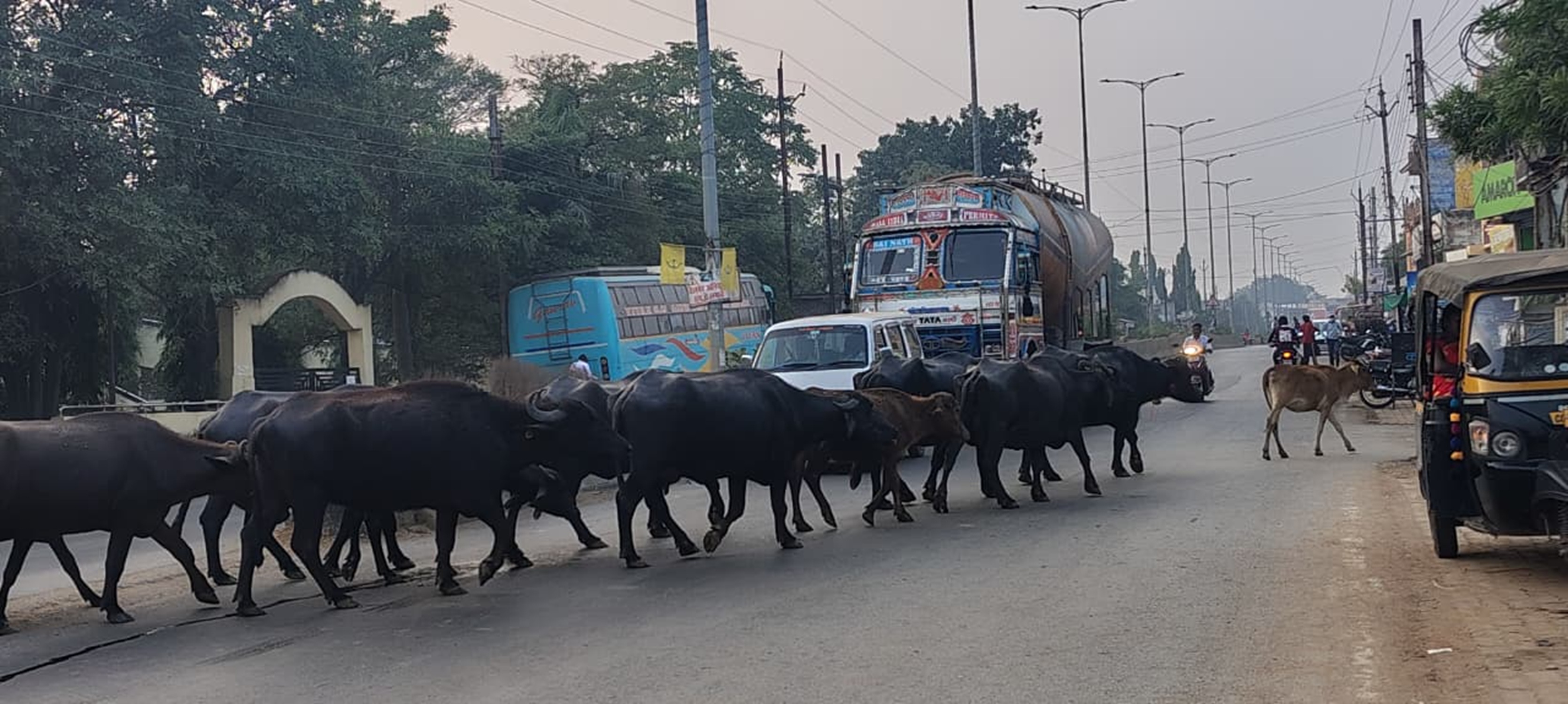
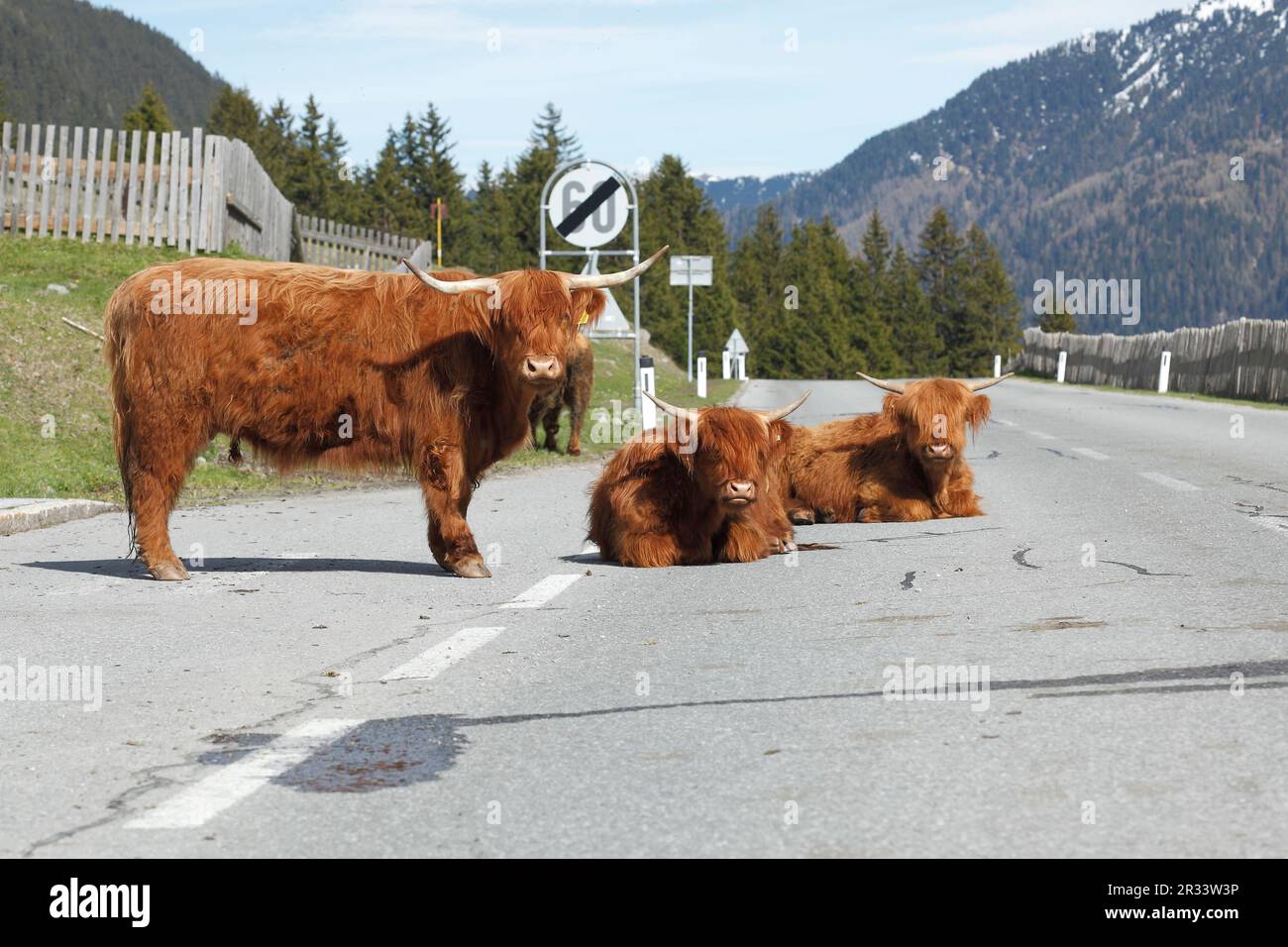
The practice of moving livestock by foot along public or private thoroughfares, historically known as droving or trailing, remains a viable logistical strategy for many modern ranchers in 2026. However, the calculation of whether it is "worth it" has become increasingly complex due to rising labor costs, stricter liability laws, and the physiological impact on the animals. To make an informed decision, producers must evaluate the nutritional cost of the journey, the safety risks involved, and the net financial outcome compared to mechanized transport.
The Economics of "Shrink": Weight Loss vs. Freight Costs
One of the most critical factors in determining if moving cattle on the road is worth it is the concept of shrinkage. Shrink refers to the weight loss cattle experience during transport, which occurs through both "excretory shrink" (loss of belly fill) and "tissue shrink" (loss of moisture and muscle mass due to stress and exertion).
When cattle are moved on the road, they expend significant caloric energy. A herd walking several miles will naturally lose more tissue weight than a herd standing in a trailer for a twenty-minute drive. In 2026, with beef prices remaining a vital component of ranch profitability, a 2% to 3% difference in shrink can represent thousands of dollars in lost revenue across a large herd.
However, trucking is not free of shrink either. The stress of being crowded into a trailer, the heat or cold during the ride, and the physical exertion required to maintain balance on a moving vehicle also cause weight loss. Generally, if the distance is short (under three miles), the "walking shrink" is often negligible compared to the "loading stress" of trucking. For distances exceeding seven to ten miles, the caloric burn of walking almost always makes trucking the more economical choice, despite the high cost of diesel and equipment maintenance.
Labor Requirements and Human Capital
In 2026, the availability and cost of skilled labor are perhaps the largest hurdles to moving cattle on the road. A successful road move requires a coordinated team:
- Lead Riders: Positioned at the front to control the pace and prevent the herd from bolting into side roads or sensitive areas.
- Flankers: Stationed along the sides to keep the herd tight and prevent individuals from wandering into ditches or private property.
- Drags: Positioned at the rear to keep the slower animals moving and ensure none are left behind.
- Pilot Vehicles: Essential for modern road moves to alert oncoming traffic and provide a physical barrier between the animals and high-speed vehicles.
When calculating if a road move is worth it, you must tally the hourly wages or opportunity costs of these individuals. If you require six people for a four-hour road move, but two people could load and transport the same herd in three trailer trips over two hours, the mechanized option often wins on labor efficiency. The road move becomes "worth it" primarily when you have a surplus of family labor or when the terrain makes trailer access impossible.
Legal Liability and Public Safety in 2026
The legal landscape for moving livestock on public roads has tightened significantly. In many jurisdictions, the "Right to Farm" laws provide some protection, but they do not absolve a rancher of liability if an accident occurs.
If a motorist strikes a cow during a road move, the rancher may be held liable unless they can prove they followed specific safety protocols. These often include:
- Signage: Placing "Stock on Road" signs at least 500 feet ahead of and behind the herd.
- Escort Vehicles: Using vehicles with flashing amber lights.
- Time of Day: Avoiding moves during peak traffic hours or during periods of low visibility (dawn, dusk, or fog).
Insurance premiums for "livestock in transit" vary depending on whether the animals are on a truck or on the hoof. Some commercial liability policies in 2026 have specific exclusions for "unfenced livestock on public rights-of-way." Before deciding that a road move is worth the saved fuel, a producer must verify that their coverage extends to the pavement. A single accident could result in litigation that far outweighs the lifetime savings of avoiding trailer transport.
Comparative Overview: Road Moving vs. Trucking
The following table compares the primary factors involved in moving 100 head of cattle over a five-mile distance.
| Factor | Moving on the Road (Droving) | Professional Trucking (Hauling) |
|---|---|---|
| Direct Cost | Low (Fuel for pilot cars only) | High (Fuel + Driver + Trailer Wear) |
| Labor Needs | High (4-6 skilled handlers) | Low (1-2 handlers) |
| Animal Stress | Moderate (Steady movement) | High (Loading/Unloading/Crowding) |
| Time Required | 3 - 5 Hours | 1 - 2 Hours (Multiple trips) |
| Safety Risk | High (Traffic interaction) | Moderate (Road accidents) |
| Shrinkage | 1% - 3% (Caloric burn) | 1% - 2% (Stress-based) |
| Equipment | Horses, ATVs, Pilot Cars | Heavy Truck, Livestock Trailer |
Environmental and Pasture Management Benefits
While the financial and safety risks are high, there are specific environmental scenarios where moving cattle on the road is the superior choice.
Soil Compaction: Large semi-trucks and heavy trailers exert immense pressure on the soil. In early spring or after heavy rains, bringing heavy equipment into a pasture to load cattle can cause deep rutting and soil compaction, which may take years to recover and negatively impact future forage yields. Moving the cattle out on foot preserves the integrity of the gate areas and loading zones.
Weed Control and Seed Dispersal: If moving between your own non-contiguous pastures via a private or low-traffic dirt road, a road move can serve as a biological tool. Cattle moving through these corridors can graze down weeds in the bar-ditches, though this must be balanced against the risk of the herd spreading invasive species through their manure.
Herd Education: For younger stock (heifers or yearlings), a well-managed road move can be an excellent training exercise. It teaches them to follow a lead, respect handlers, and move as a cohesive unit. This "settling" effect can make them easier to handle in the future, providing long-term value that is difficult to quantify on a single-day balance sheet.
Practical Steps to Ensure a Move is "Worth It"
If you determine that the savings in freight and equipment outweigh the labor and risk, follow these steps to maximize the success of the move:
- Map the Route: Identify every "out" the cattle might take—open gates, gaps in fences, or intersecting roads. Have a person or a vehicle stationed at every major intersection before the herd arrives.
- Check the Weather: Heat stress is the enemy of a road move. In 2026, utilize high-resolution weather tracking to ensure temperatures will remain below 80°F (27°C) for the duration of the walk.
- Hydration: Water the cattle immediately before the move. Dehydrated cattle are more prone to stress, exhibit higher shrink, and are more difficult to control.
- Community Notification: In a digital age, a quick post on a local community social media page or a text to neighbors can prevent frustrated motorists and potential safety hazards.
Frequently Asked Questions
Is it legal to move cattle on the road without a permit?
Legality depends entirely on your local and state jurisdictions. In many Western U.S. states and parts of Australia, "open range" or traditional droving rights still exist, but they often require specific notification to the Department of Transportation or local sheriff if you are using major thoroughfares. Always check local ordinances in 2026, as many counties have updated their bylaws regarding livestock on paved roads.
How far can cattle realistically walk in one day?
Generally, healthy cattle can walk 10 to 15 miles a day if they are allowed to graze and rest. However, for a "road move" where they are being actively driven and must stay off the pavement as much as possible, 5 to 8 miles is considered the limit before shrink and fatigue become commercially unacceptable.
How does moving cattle on the road affect meat quality?
If the move is high-stress (lots of running, dogs biting, or loud noises), it can lead to "dark cutters"—a condition where glycogen is depleted in the muscles, resulting in dark, dry meat. If the move is handled quietly and slowly (low-stress handling), there is usually no measurable impact on carcass quality compared to trucking.
What is the biggest risk of a road move?
The primary risk is a "breakout" or stampede triggered by external stimuli, such as a loud vehicle, a barking dog from a neighboring yard, or a sudden change in terrain. Once a herd loses its "bubble" of control on a road, it is much harder to regain than in a fenced pasture, increasing the risk of property damage and animal injury.
Should I use drones for a road move?
In 2026, drones are increasingly used for monitoring the "drag" and spotting escaped animals. However, using drones to actively push cattle on a road is risky; the buzzing sound can spook flighty animals, potentially pushing them into traffic. Drones should be used for observation rather than primary herding in a road environment.
Final Recommendation
Moving cattle on the road is worth it when the distance is under five miles, you have access to at least three or four experienced handlers, and the route consists of low-traffic or gravel roads. If you are facing a distance of more than ten miles, or if the route requires traversing a high-traffic highway, the "hidden costs" of weight shrink and the catastrophic risk of a liability claim make professional trucking the more responsible and profitable choice. Always verify your insurance coverage and local permit requirements 48 hours before the planned move to ensure the "savings" don't turn into a significant financial loss.
Image Gallery