Essential Jane Seymour Movies to Explore: A Comprehensive Career Guide
Jane Seymour’s diverse filmography spans over five decades, featuring iconic roles in the James Bond blockbuster Live and Let Die, the romantic cult classic Somewhere in Time, and various award-winning historical adaptations. Whether s...
Jane Seymour’s diverse filmography spans over five decades, featuring iconic roles in the James Bond blockbuster Live and Let Die, the romantic cult classic Somewhere in Time, and various award-winning historical adaptations. Whether seeking classic Hollywood glamour, intense period dramas, or modern comedic timing, her extensive body of work offers rich storytelling and exceptional performances.
Contents
As of 2026, Jane Seymour remains a singular figure in the entertainment industry, transitioning seamlessly between big-screen cinema and high-prestige television movies. Her career is characterized by a "chameleon-like" ability to inhabit characters from different eras, a trait that earned her the moniker "Queen of the Miniseries" during the 1980s. For viewers looking to explore her catalog, understanding the milestones of her career provides context for her lasting influence on both British and American media.
The Breakthrough: Solitaire and Global Stardom
Jane Seymour’s international ascent began in 1973 when she was cast as Solitaire in the eighth James Bond film, Live and Let Die. Playing opposite Roger Moore in his debut as 007, Seymour’s Solitaire was a tarot-reading psychic whose powers depended on her virginity. At only 20 years old during filming, Seymour brought a mixture of vulnerability and ethereal beauty to the role that set her apart from previous "Bond Girls."
The significance of Live and Let Die in Seymour's filmography cannot be overstated. While the role was physically demanding and tied to the specific tropes of the 1970s action genre, Seymour leveraged the visibility to launch a career in the United States. Unlike many of her contemporaries who struggled to move past the "Bond Girl" label, she utilized her classical training—having studied at the Arts Educational School in Tring Park—to pursue roles that demanded significant emotional range.
The film remains a staple for fans of the spy genre. In 2026, high-definition restorations highlight the lush Caribbean locales and Seymour's distinctive costumes, making it a visual cornerstone of her early work. It established her as a global star and proved she could hold her own alongside established heavyweights of the era.
The Romantic Legend: Somewhere in Time (1980)
If one film defines Jane Seymour’s legacy for many cinephiles, it is the 1980 romantic fantasy Somewhere in Time. Starring alongside Christopher Reeve, Seymour plays Elise McKenna, a famous stage actress from 1912. The plot follows a modern-day playwright (Reeve) who becomes obsessed with her portrait and uses self-hypnosis to travel back in time to meet her.
Initially, the film was a modest performer at the box office, hampered by a lack of promotion due to an actors' strike at the time of its release. However, through cable television broadcasts and early home video, it developed a massive, dedicated following. The film is celebrated for its lush cinematography, the haunting score by John Barry, and the palpable chemistry between Reeve and Seymour.
To fully explore Seymour's movies, one must understand the cultural impact of Somewhere in Time. It led to the formation of the International Somewhere in Time Enthusiasts (INSITE), a fan club that still hosts annual events at the Grand Hotel on Mackinac Island, Michigan, where the movie was filmed. Seymour’s performance as Elise McKenna is often cited as one of the most romantic in film history, blending Victorian-era poise with a timeless sense of longing.
Literary Adaptations and Period Dramas
Throughout the 1980s and early 1990s, Seymour solidified her reputation through high-quality adaptations of classic literature. Her ability to wear period costumes with natural grace made her the first choice for directors tackling historical narratives.
East of Eden (1981)
In the television miniseries adaptation of John Steinbeck’s East of Eden, Seymour delivered what many critics consider her finest dramatic performance. Playing the manipulative and villainous Cathy Ames (later Kate), she moved away from her "romantic lead" persona to showcase a darker, more complex side. Her portrayal earned her a Golden Globe Award for Best Actress in a Miniseries or Motion Picture Made for Television.
The Scarlet Pimpernel (1982)
Opposite Anthony Andrews and Ian McKellen, Seymour starred as Marguerite St. Just in The Scarlet Pimpernel. This film showcased her ability to handle the "swashbuckling" genre while maintaining the emotional stakes of the French Revolution. The chemistry between the leads and the high production values make this one of the most enduring versions of the Baroness Orczy story.
The French Revolution (1989)
In a massive international co-production celebrating the bicentennial of the event, Seymour portrayed Marie Antoinette in La Révolution française. Filmed simultaneously in French and English, this production demonstrated her versatility and linguistic capabilities. Her depiction of the doomed queen is noted for its transition from youthful decadence to tragic dignity during the revolutionary trials.
The Comedy Pivot: Wedding Crashers (2005)
One of the most surprising and successful turns in Jane Seymour's career occurred in the mid-2000s with the R-rated comedy Wedding Crashers. Casting against her established image as a refined and dignified lady, Seymour played Kathleen "Kitty Kat" Cleary, the sexually aggressive wife of the U.S. Treasury Secretary (Christopher Walken).
The role was a calculated risk that paid off immensely. It introduced Seymour to a younger generation of moviegoers and demonstrated her impeccable comedic timing. By leaning into the absurdity of the character, she showed that she did not take her "elegant" persona too seriously. This performance opened doors to more comedic roles in films like The War with Grandma (2020) and various sitcom guest appearances, proving her longevity in an industry that often struggles to find roles for veteran actresses.
Key Jane Seymour Films: A Comparison
The following table provides a comparative look at some of the most significant films in Jane Seymour’s career, highlighting their genre, her role, and the critical recognition they received.
| Year | Film Title | Genre | Notable Co-star | Recognition/Award |
|---|---|---|---|---|
| 1973 | Live and Let Die | Action / Spy | Roger Moore | Breakthrough Role |
| 1980 | Somewhere in Time | Romantic Drama | Christopher Reeve | Saturn Award Nominee |
| 1981 | East of Eden | Period Drama | Timothy Bottoms | Golden Globe Winner |
| 1982 | The Scarlet Pimpernel | Adventure | Anthony Andrews | Critical Acclaim |
| 1988 | Onassis: The Richest Man in the World | Biography | Raul Julia | Primetime Emmy Winner |
| 1989 | The French Revolution | Historical Epic | Klaus Maria Brandauer | International Acclaim |
| 2005 | Wedding Crashers | Comedy | Owen Wilson | MTV Movie Award Nominee |
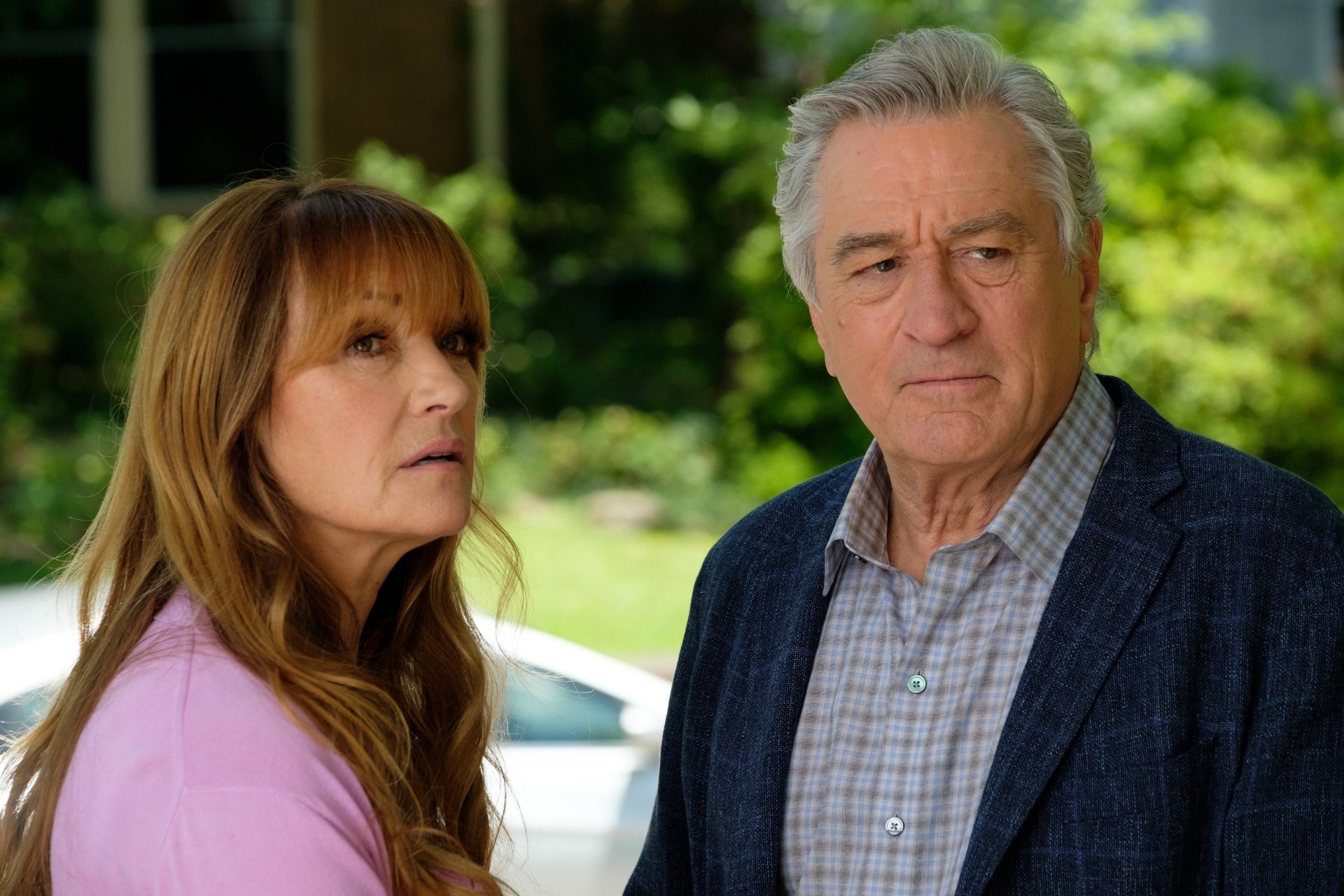
| 2020 | The War with Grandma | Family Comedy | Robert De Niro | Box Office Success |
The "Queen of the Miniseries" Legacy
While the term "movie" often refers to theatrical releases, a significant portion of Jane Seymour's best work exists in the realm of the "Made-for-TV Movie" or the miniseries. During the 1980s, these productions often had budgets and production values that rivaled theatrical films.
Seymour dominated this medium. Works like Onassis: The Richest Man in the World (1988), where she played Maria Callas, showcased her ability to portray real-life historical figures with depth. Her portrayal of Callas earned her a Primetime Emmy Award for Outstanding Supporting Actress. This era of her career is essential for anyone exploring her filmography, as it contains some of her most challenging and rewarding dramatic work.
By the early 1990s, this success transitioned into her most famous television role in Dr. Quinn, Medicine Woman. While primarily a series, it spawned several feature-length television movies, including Dr. Quinn, Medicine Woman: The Movie (1999) and Dr. Quinn: The Heart Within (2001), which are often included in discussions of her cinematic contributions.
How to Access Jane Seymour’s Filmography in 2026
In the current media landscape of 2026, accessing Jane Seymour’s extensive library is more straightforward than in previous decades, though it requires navigating several different platforms:
- Major Streaming Services: Platforms like Max, Paramount+, and Netflix frequently host her larger titles. Live and Let Die is a permanent fixture on services that hold the MGM/Bond catalog, while Wedding Crashers remains a staple on comedy-centric platforms.
- Specialty Classic Streamers: For her period dramas and miniseries, services like BritBox, Acorn TV, and the Criterion Channel are vital. These platforms often host the restored versions of The Scarlet Pimpernel and her various literary adaptations.
- Physical Media and Boutique Labels: For collectors, companies like Shout! Factory and Kino Lorber have released high-quality Blu-ray and 4K UHD editions of Somewhere in Time and East of Eden. These releases often include valuable commentary tracks and behind-the-scenes documentaries that provide insight into Seymour’s acting process.
- Digital Purchase/Rental: Nearly all of her theatrical films are available for digital purchase on platforms such as Amazon Prime Video, Apple TV, and the Google Play Store.
Technical Mastery and Professional Longevity
Jane Seymour’s career is a case study in professional adaptation. From her early training in dance and theater to her mastery of the "American" accent (which she used so convincingly in Dr. Quinn and Wedding Crashers that many fans forget she is British), her technical skills are formidable.
She is also noted for her involvement in the production side of her projects. This "actor-producer" mindset ensured that many of her films maintained high standards of historical accuracy and narrative integrity. In 2026, her recent work in independent films like Ruby's Choice (2022) shows her continued commitment to stories that address social issues, such as dementia and family caregiving, further expanding the depth of her filmography.
Frequently Asked Questions
What is considered Jane Seymour's best movie? While subjective, Somewhere in Time (1980) is widely regarded as her most iconic and beloved film due to its enduring romantic legacy. However, critics often point to her performance in the miniseries East of Eden (1981) as her greatest dramatic achievement.
Has Jane Seymour ever won an Academy Award? Jane Seymour has not won an Academy Award, but she has won several other prestigious honors, including two Golden Globe Awards and an Emmy Award. Her career has been more focused on television movies and miniseries, where she has been a dominant award-winning presence.
Was Jane Seymour really a Bond girl? Yes, Jane Seymour played Solitaire in the 1973 film Live and Let Die. She was one of the youngest actresses to ever play a leading Bond girl and used the role as a springboard to a highly successful career in Hollywood.
Is Somewhere in Time based on a book? Yes, Somewhere in Time is based on the 1975 novel Bid Time Return by Richard Matheson. Matheson also wrote the screenplay for the film, ensuring that the movie remained faithful to the emotional core of his book, despite the change in the title and the specific time period (the book goes back to the 1890s, while the movie goes to 1912).
What modern movies has Jane Seymour been in recently? In recent years, Jane Seymour has appeared in the family comedy The War with Grandma (2020) alongside Robert De Niro and the acclaimed independent drama Ruby's Choice (2022). She also continues to work in television, most notably in the mystery series Harry Wild.
Recommendations for New Viewers
For those beginning their journey through Jane Seymour's movies, a chronological approach is often best to appreciate her evolution. Start with Live and Let Die to see her early screen presence, followed by Somewhere in Time to understand her romantic appeal. For a showcase of her dramatic range, East of Eden is essential viewing. Finally, watch Wedding Crashers to see her transition into the contemporary comedic force she remains today. By exploring these key titles, viewers will gain a full appreciation for one of the most resilient and talented actresses of her generation.
Image Gallery