The Liquid Money Cologne Net Worth: Business Valuation, Shark Tank History, and Financial Breakdown
Liquid Money cologne carries an estimated net worth and brand valuation of under $1 million, operating primarily as a boutique direct-to-consumer novelty fragrance. When founder Patrick McCarthy appeared on Shark Tank in Season 3, he p...
Liquid Money cologne carries an estimated net worth and brand valuation of under $1 million, operating primarily as a boutique direct-to-consumer novelty fragrance. When founder Patrick McCarthy appeared on Shark Tank in Season 3, he pitched the company at an initial public valuation of $500,000, seeking $100,000 for a 20% equity stake in the business.
Contents
What Is Liquid Money Cologne? Origins and Brand Concept
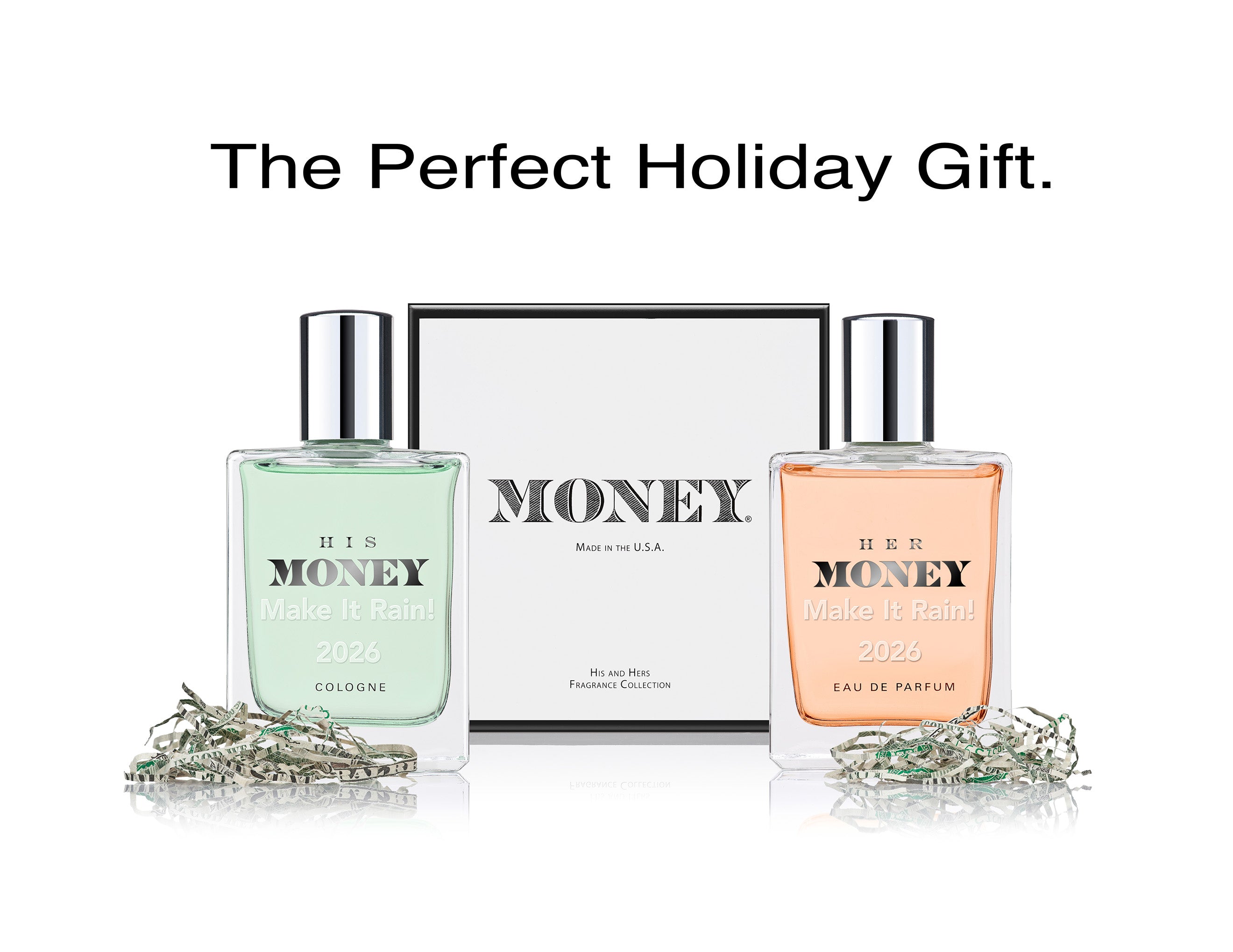
Liquid Money is a specialized fragrance line launched in 2011 by Patrick McCarthy, a former Vice President of Sales at Microsoft. The concept originated from academic research in Japan, which suggested that the aroma of paper currency increased worker focus and productivity when diffused through office ventilation systems. Inspired by this psychological phenomenon, McCarthy partnered with professional perfumer Larry Murrison to formulate a fragrance that recreated the crisp, distinct scent of newly minted U.S. bank notes.
The brand debuted two flagship products: Liquid Money for Men ("His Money") and Liquid Money for Women ("Her Money"). To craft the signature olfactory profile, perfumers blended scents reminiscent of the raw materials used in printing U.S. currency—specifically woven cotton, linen, and silk—augmented with fresh citrus, woody undertones, and warm spices.
To reinforce its distinctive brand identity, Liquid Money packaged each bottle in a custom presentation box filled with real, shredded U.S. paper currency obtained from official U.S. Department of the Treasury disposal facilities. This tactile marketing element positioned the product not merely as a daily cologne, but as a high-concept gift item, corporate novelty, and conversation piece.
Liquid Money on Shark Tank: The $500,000 Valuation Pitch
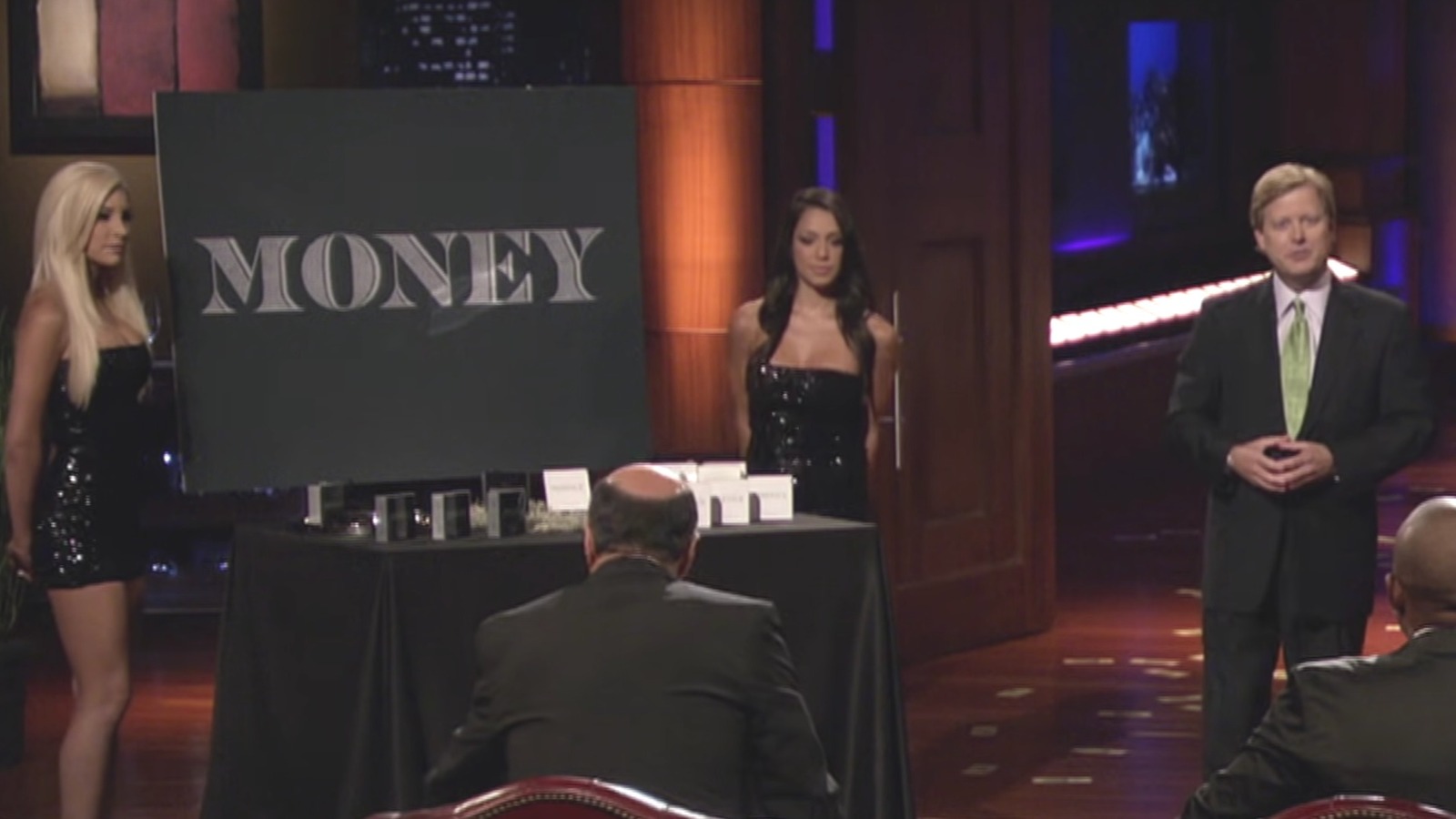
In 2012, Patrick McCarthy presented Liquid Money on Season 3, Episode 10 of ABC's hit entrepreneurship show Shark Tank. Seeking $100,000 in exchange for 20% equity, McCarthy valued his young company at exactly $500,000.
During his presentation to investors Mark Cuban, Barbara Corcoran, Kevin O'Leary, Daymond John, and Robert Herjavec, McCarthy outlined the financial mechanics and initial traction of the business:
- Retail Pricing & Cost Structure: The fragrance sold for approximately $35 to $45 per bottle, depending on promotional packaging. Manufacturing costs per unit were significantly lower, providing strong initial gross margins typical of the perfume industry.
- Sales History: At the time of filming, Liquid Money had generated tens of thousands of dollars in initial direct-to-consumer sales, primarily driven by regional public relations campaigns and media features.
- Market Position: McCarthy framed the product as an impulse buy and high-margin gift item suitable for corporate giveaways, graduation presents, and specialty boutiques.
Why the Investors Passed
Despite acknowledging the clever packaging and media interest, all five investors declined to invest in Liquid Money. Their refusal centered on three major operational and strategic vulnerabilities:
- Gimmick vs. Sustainable Brand: The investors expressed concern that a scent mimicking paper money relied entirely on novelty factor. Once the initial publicity faded, customer reorder rates were projected to be low compared to traditional fragrance brands built on customer loyalty.
- Retail Distribution Hurdles: Daymond John and Barbara Corcoran noted that securing shelf space in competitive department stores (such as Macy's or Sephora) requires millions of dollars in marketing budgets and counter-space fees. Without established retail partnerships, growth would remain capped.
- Fragrance Industry Dynamics: Premium beauty and fragrance products depend heavily on lifestyle aspiration. The Sharks argued that smelling like physical paper currency was an eccentric niche rather than an aspirational lifestyle choice for mainstream consumers.
Estimated Net Worth and Financial Performance Analysis
Evaluating the net worth of a private, closely held business like Liquid Money LLC requires examining historical sales figures, brand media assets, product margins, and niche retail market comps.
Unlike public corporations, private novelty fragrance businesses do not publish audited quarterly balance sheets. However, financial analysis based on pitch data, industry standard multiples, and post-television performance yields a realistic valuation range.
Estimated Brand Valuation (Shark Tank Pitch): $500,000 Peak Post-Broadcasting Sales Surge Estimate: $250,000 – $500,000 Current Estimated Enterprise Net Worth: Under $1,000,000
Revenue Trajectory and the "Shark Tank Effect"
Following the initial television broadcast, Liquid Money experienced a substantial short-term revenue bump—often referred to as the "Shark Tank Effect." National media coverage on outlets such as CNBC, Fox News, and The Today Show generated widespread consumer curiosity, leading to thousands of online orders without traditional advertising expenditures.
However, because the business did not scale into nationwide wholesale distribution or secure mass retail agreements, its sustained annual revenues stabilized at a modest level. The long-term business model shifted toward automated web sales, Amazon storefront placement, and seasonal gift stocking, keeping overall business net worth below the million-dollar threshold.
Business Strategy: How Cash-Scented Perfume Earned Real Revenue
Liquid Money's financial survival relied on optimizing unit economics and leveraging press coverage instead of relying on expensive paid customer acquisition.
- Raw Materials: Cotton, Linen, Oils
- Formulated Scent + Shredded Treasury Cash Packaging
- High Gross Margin ($35–$45 MSRP)
- Direct Online & Specialty Sales
High-Margin Unit Economics
The fragrance industry inherently operates on wide margins. Liquid Money capitalized on this dynamic:
- Low Formula Cost: Bulk production of eau de parfum oils and alcohol bases costs a fraction of the final retail price.
- Inexpensive Bulk Packaging: Shredded currency was purchased in bulk from government clearance centers at minimal cost, creating high perceived value for customers without raising production overhead significantly.
- Direct-to-Consumer Model: By selling through its owned website, Liquid Money eliminated distributor cuts, preserving profit margins on every bottle sold.
Public Relations as the Primary Driver
Rather than competing head-to-head with multi-million-dollar designer perfume ad campaigns, McCarthy positioned Liquid Money as a cultural novelty item. This strategy earned free features in print, radio, and television broadcasting worldwide. The financial value of this earned media exceeded what a small startup could have achieved through paid digital advertising.
Financial Overview & Pitch Comparison
The table below outlines the core pitch metrics, financial structure, and brand positioning of Liquid Money based on its historical performance and valuation metrics.
| Metric / Parameter | Pitch Details & Brand Data | Business Impact Analysis |
|---|---|---|
| Founder | Patrick McCarthy | Former Microsoft VP of Sales |
| Original Launch Year | 2011 | Created after Japanese productivity study |
| Shark Tank Ask | $100,000 for 20% Equity | Implied $500,000 Valuation |
| Sharks Offered Deals | None | All investors passed due to scale concerns |
| Retail Price Point | ~$35.00 – $45.00 per bottle | Entry-level gift price category |
| Primary Fragrance Variants | "His Money" & "Her Money" | Formulated with citrus, woody, and linen notes |
| Signature Packaging | Real shredded U.S. currency inside box | High perceived novelty value |
| Estimated Net Worth | Under $1.0 Million | Niche direct-to-consumer cash-flow asset |
Lessons for Entrepreneurs and Niche Fragrance Brands
The story of Liquid Money offers practical insights for business owners launching novelty products in highly competitive consumer markets.
1. Differentiate Novelty from Sustainable Demand
Novelty products generate rapid PR and initial customer curiosity. However, building long-term equity requires recurring customer demand. Businesses built around novel concepts must develop secondary product lines or subscription models to maintain customer lifetime value (LTV).
2. Capitalize on Free PR Early
Liquid Money demonstrated how lean startups can use media coverage to generate sales without heavy venture capital backing. By framing the product as a news story rather than just an advertisement, the company achieved global brand recognition on a modest budget.
3. Protect Unit Margins
In specialized e-commerce, high product margins are essential. Because order volume for novelty gifts fluctuates seasonally (peaking during holidays and graduation seasons), maintaining low fixed overhead and strong unit profits ensures ongoing solvency even when sales volume slows down.
Frequently Asked Questions
What is the net worth of Liquid Money cologne?
Liquid Money cologne carries an estimated enterprise net worth of under $1 million. The company operates as a small, specialized direct-to-consumer brand rather than a large-scale international fragrance house.
Did Liquid Money get a deal on Shark Tank?
No. Founder Patrick McCarthy did not secure an investment on Shark Tank. The investors appreciated the PR value and unique packaging but voiced concerns over long-term customer retention and high retail distribution costs.
What was the valuation presented on Shark Tank?
On Season 3 of Shark Tank, Patrick McCarthy asked for $100,000 in exchange for 20% equity, establishing an initial business valuation of $500,000.
What does Liquid Money cologne actually smell like?
Liquid Money cologne is formulated to mimic the smell of fresh paper currency. "His Money" features notes of fresh ocean breeze, citrus, rosemary, and subtle woody accents, while "Her Money" incorporates pink grapefruit, passion fruit, Hawaiian wedding flower, and soft linen accords.
Is Liquid Money cologne still in business?
Liquid Money maintains a specialized online presence, selling its signature fragrance bottles primarily as novelty gifts, financial milestone presents, and corporate promotional items.
Practical Takeaways for Investors and Business Owners
If you are evaluating novelty products or considering a direct-to-consumer fragrance launch, keep these actionable guidelines in mind:
- Audit Reorder Potential: Before launching a gimmick-based product, calculate your expected repeat purchase rate. Products with low repeat purchases require low customer acquisition costs (CAC) to remain profitable.
- Protect Intellectual Property and Packaging: Stand out in crowded markets by using unique packaging features—such as Liquid Money's shredded currency—that cannot easily be duplicated by competitors.
- Balance PR Boosts with Long-Term Channels: Use initial viral press or television appearances to build an email list and customer database, allowing you to market new product iterations long after media attention subsides.
Image Gallery