The Complete Dream Harbor Series in Order: Laurie Gilmore’s Cozy Romance Guide
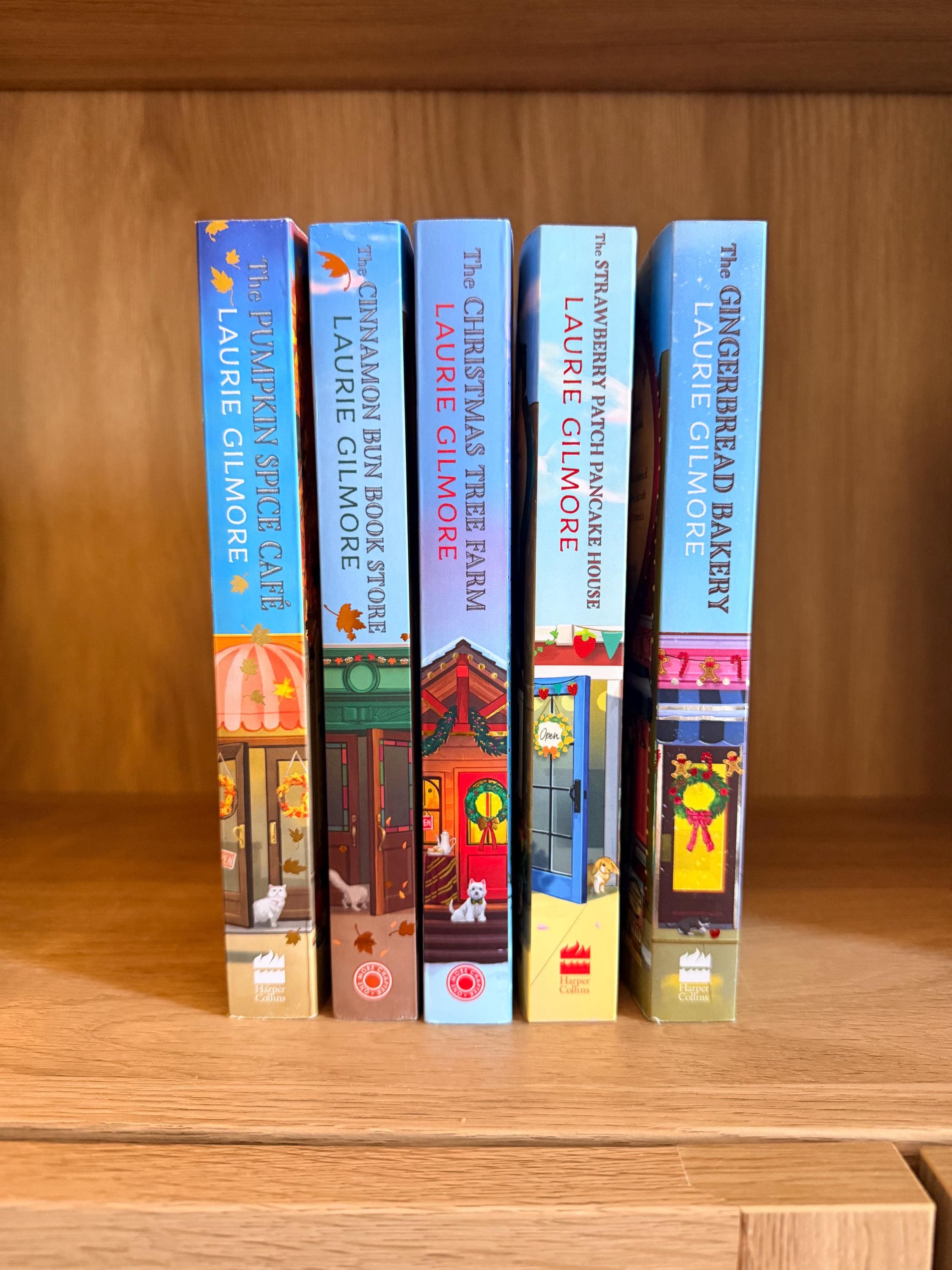
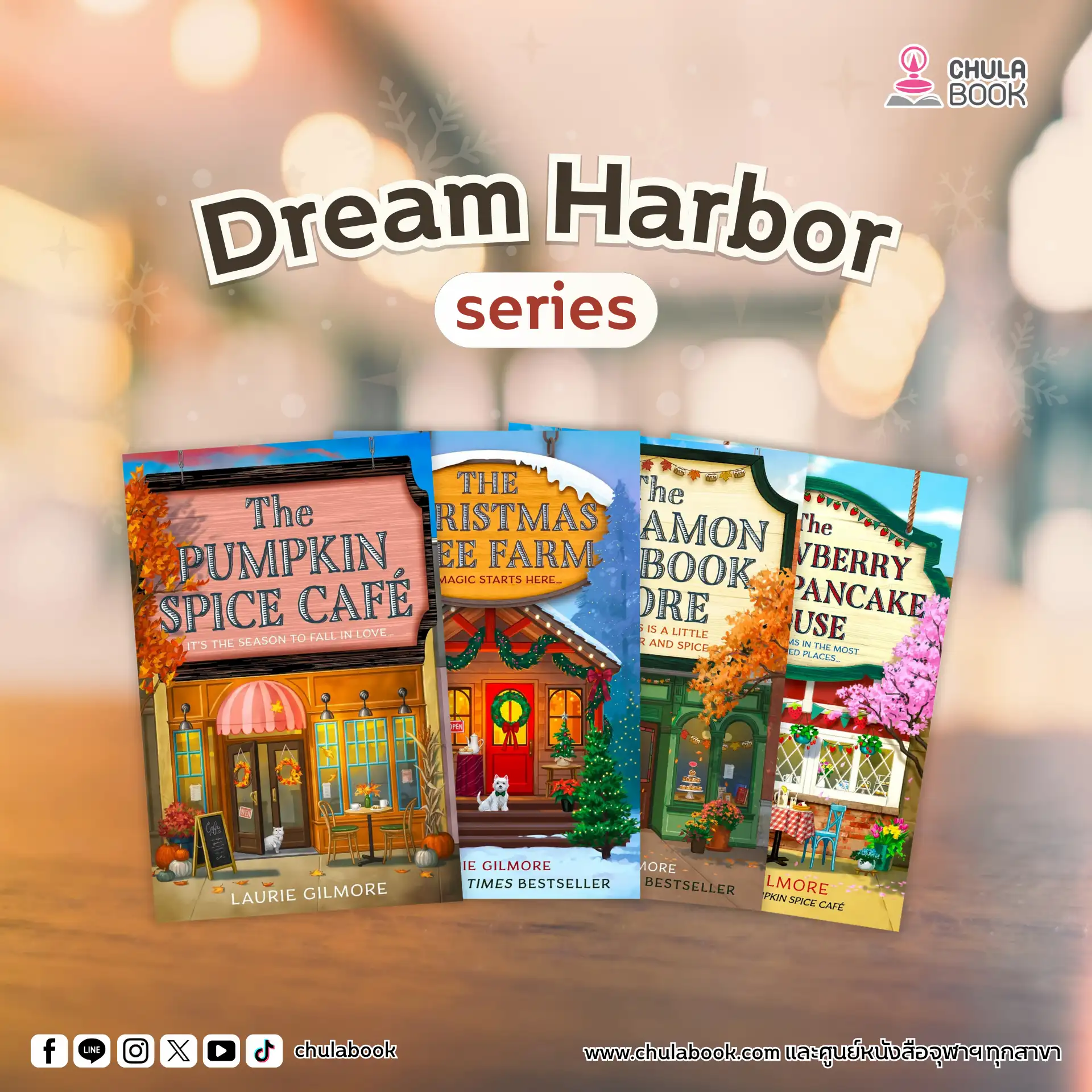
To read Laurie Gilmore’s Dream Harbor series in the correct order, follow the publication sequence: The Pumpkin Spice Cafe (Book 1), The Cinnamon Bun Bookshop (Book 2), The Christmas Tree Farm (Book 3), and The Gingerbread Bakery (Book...
To read Laurie Gilmore’s Dream Harbor series in the correct order, follow the publication sequence: The Pumpkin Spice Cafe (Book 1), The Cinnamon Bun Bookshop (Book 2), The Christmas Tree Farm (Book 3), and The Gingerbread Bakery (Book 4). While each novel features a standalone main romance, reading them chronologically preserves character character arcs and town secrets.
Contents
Overview of the Dream Harbor Universe
The Dream Harbor series by Laurie Gilmore has quickly become a standout staple in contemporary small-town romance. Set in the fictional, idyllic New England coastal town of Dream Harbor, the series combines atmospheric seasonal aesthetics—ranging from crisp autumn leaves to snowy holiday landscapes—with warm community dynamics and emotionally resonant love stories.
What sets the series apart in the romance community is its balance of cozy, small-town comfort with explicit, open-door romance scenes (often described as "cozy spice"). Dream Harbor itself functions almost as a character, complete with quirky local business owners, persistent town matchmakers, seasonal festivals, and recurring secondary characters who evolve throughout the series.
While each book centers on a different main couple and delivers a satisfying standalone happy-ever-after (HEA), the broader narrative arc tracks the interconnected lives of the town's residents. Events that happen in earlier books frequently influence the backdrop of subsequent titles, making chronological reading the most rewarding experience for readers.
Recommended Reading Order for the Dream Harbor Series
The recommended way to experience the series is in publication order, which directly aligns with the internal timeline of Dream Harbor.
Because each novel is anchored in a specific season and focuses on business owners or residents tied to the town's core social hub, reading in sequence allows you to track recurring character cameos, inside jokes, and background subplots naturally.
1. The Pumpkin Spice Cafe (Book 1)
- Primary Characters: Jeanie and Logan
- Central Tropes: Grumpy x Sunshine, City Girl/Small Town, Opposites Attract
- Seasonal Aesthetic: Autumn / Fall
The series begins with The Pumpkin Spice Cafe, introducing readers to Dream Harbor through the eyes of Jeanie, a burnt-out city worker who suddenly inherits her aunt’s beloved local coffee shop. Eager for a fresh start, Jeanie moves to town with boundless optimism, determined to run the cafe successfully.
Her sunshiny demeanor immediately clashes with Logan, a local farmer who prefers solitude and quiet routine. Logan is determined to keep his distance from the vibrant newcomer, but when strange occurrences and mystery notes begin threatening the cafe, he steps in to help.
The Pumpkin Spice Cafe establishes the core environment of Dream Harbor, introducing key recurring spots like the local docks, bookshop, and community gathering spaces, while establishing the series' signature blend of warm autumn vibes and high emotional heat.
2. The Cinnamon Bun Bookshop (Book 2)
- Primary Characters: Hazel and Noah
- Central Tropes: Sunshine x Quiet/Reserved, Small Town Treasure Hunt, Slow Burn
- Seasonal Aesthetic: Spring / Early Summer
The second installment shifts focus to Hazel, the quirky, free-spirited owner of Dream Harbor's local bookshop, and Noah, a reserved local fisherman who typically keeps to himself. Hazel thrives on romance, books, and cozy mysteries, while Noah focuses on his boat and quiet life on the water.
When Hazel discovers a hidden clue inside a secondhand book, she embarks on a treasure hunt across Dream Harbor. Needing assistance, she enlists Noah, whose knowledge of the town's geography and history proves essential. As the pair decode clues hidden throughout the community, their platonic partnership develops into deep romantic chemistry.
The Cinnamon Bun Bookshop deepens the background lore of Dream Harbor while showing the aftermath of events from Book 1. Jeanie and Logan appear as established supporting characters, providing continuity across the town's social circle.
3. The Christmas Tree Farm (Book 3)
- Primary Characters: Kira and Benjamin
- Central Tropes: Reverse Grumpy x Sunshine (Female Grumpy / Male Sunshine), Fake Dating, Holiday Romance
- Seasonal Aesthetic: Winter / Christmas
Moving into the winter season, The Christmas Tree Farm follows Kira, a skeptical, hardworking corporate professional from the city who arrives in Dream Harbor looking for a temporary escape from professional stress and personal burnout.
She encounters Benjamin, the immensely charming, optimistic owner of the local Christmas tree farm. Benjamin is deeply embedded in the town's festive holiday traditions and is determined to help Kira experience the magic of the season. To navigate pressing social expectations and family pressures during the holidays, Kira and Benjamin agree to a fake-dating arrangement.
This entry offers a classic holiday romance framework while flipping traditional character dynamics by presenting a guarded female protagonist alongside an openhearted, cheerful hero.
4. The Gingerbread Bakery (Book 4)
- Primary Characters: Maya and Jasper
- Central Tropes: Friends to Lovers, Workplace/Bakery Romance, Mutual Pining
- Seasonal Aesthetic: Festive Holiday / Cozy Winter
The Gingerbread Bakery continues the festive winter energy, focusing on Maya, a talented baker working in Dream Harbor, and Jasper, a popular local resident and firefighter who has secretly harbored feelings for her.
Set against the busy backdrop of holiday baking sales, community festivals, and cozy winter evenings, the story explores the transition from long-standing friendship to romantic commitment. Maya and Jasper must navigate their mutual pining, personal vulnerabilities, and the fear of risking their established bond.
By this fourth installment, Dream Harbor’s main cast of characters is fully interconnected, offering readers a rich ensemble feel alongside the central romance.
Dream Harbor Series Reference Guide
The table below provides a quick side-by-side comparison of the Dream Harbor books in reading order, detailing main protagonists, romance tropes, and environmental aesthetics.
| Reading Order | Title | Main Couple | Primary Romance Tropes | Seasonal Aesthetic |
|---|---|---|---|---|
| Book 1 | The Pumpkin Spice Cafe | Jeanie & Logan | Grumpy x Sunshine, Opposites Attract, City Girl/Small Town | Autumn / Fall |
| Book 2 | The Cinnamon Bun Bookshop | Hazel & Noah | Sunshine x Quiet Hero, Treasure Hunt, Slow Burn | Spring / Summer |
| Book 3 | The Christmas Tree Farm | Kira & Benjamin | Reverse Grumpy x Sunshine, Fake Dating, Holiday Romance | Winter / Christmas |
| Book 4 | The Gingerbread Bakery | Maya & Jasper | Friends to Lovers, Mutual Pining, Cozy Bakery | Winter / Festive |
Can Dream Harbor Books Be Read as Standalones?
A common question among readers is whether it is strictly necessary to follow the designated series order or if individual books can be picked up independently based on trope or seasonal preference.
Chronological vs. Standalone Reading
Technically, every book in the Dream Harbor series functions as a standalone romance. Laurie Gilmore structures each story with a complete narrative arc, focusing on one couple who achieves a definitive happy-ever-after by the final chapter. You do not need to read The Pumpkin Spice Cafe to understand the main romance plot of The Christmas Tree Farm.
However, reading out of order will result in mild spoilers for previous couples. For example:
- Couples from earlier books appear in later novels as established, happy partners.
- Background subplots involving town governance, business developments, and community traditions build sequentially.
- Character character growth and friendship groups progress naturally from Book 1 through Book 4.
If you care about avoiding romantic spoilers for side characters and want to enjoy the gradual expansion of the town community, starting with Book 1 (The Pumpkin Spice Cafe) remains the optimal choice.
Tropes, Themes, and Spice Levels
Laurie Gilmore's writing style has resonated widely on social reading platforms like BookTok and BookStagram due to its deliberate combination of cozy aesthetic elements and explicit romantic heat.
Signature Tropes
- Small-Town Charm: Dream Harbor is built on classic small-town romance conventions: busybody neighbors, annual festivals, local rivalries, and warm community support.
- Food and Small Business Themes: Each novel centers around a staple local business—a cafe, a bookshop, a tree farm, or a bakery—giving the setting an inviting, sensory appeal.
- Character Contrast: The series relies heavily on complementary personality types, such as sunshiny city transplants balancing grumpy local residents, or guarded career women pairing with easygoing small-town heroes.
Understanding the "Cozy Spice" Balance
Readers accustomed to traditional cozy romances (which are often clean or fade-to-black) should note that the Dream Harbor series features open-door romance scenes. While the atmospheric backdrop consists of warm tea, pastry baking, autumn leaves, and holiday lights, the romantic interactions include explicit intimacy.
This juxtaposition of low-stress cozy environments with medium-to-high romantic spice is the defining hallmark of Gilmore's work.
Frequently Asked Questions
What is the first book in the Dream Harbor series?
The first book in the series is The Pumpkin Spice Cafe, which introduces protagonists Jeanie and Logan along with the setting of Dream Harbor, Rhode Island.
Do I have to read the Dream Harbor series in order?
No, each book centers on a different main couple and can technically be read as a standalone. However, reading in publication order is strongly recommended to avoid spoilers regarding the relationship statuses of previous couples and to track town developments chronologically.
Who wrote the Dream Harbor books?
The Dream Harbor series is written by romance author Laurie Gilmore.
What spice level are the Dream Harbor books?
The series falls into the open-door / spicy romance category (typically rated 3 out of 5 on romance spice scales). While the setting and overarching plot are cozy and comforting, romantic scenes between the main leads are detailed and explicit.
Are the Dream Harbor books connected by character relationships?
Yes. The main characters of each book are close friends, business neighbors, or fellow residents in Dream Harbor. Characters from earlier books frequently reappear as supporting cast members in later installments.
What season does each Dream Harbor book represent?
- The Pumpkin Spice Cafe: Autumn / Fall
- The Cinnamon Bun Bookshop: Spring / Summer
- The Christmas Tree Farm: Winter / Christmas
- The Gingerbread Bakery: Winter / Holiday Season
Final Reading Recommendations
If you are new to Laurie Gilmore's work, the best starting point is The Pumpkin Spice Cafe. Starting at the beginning allows you to experience the establishment of Dream Harbor's core locations, meet the central friend group, and follow the seasonal shift naturally into The Cinnamon Bun Bookshop, The Christmas Tree Farm, and The Gingerbread Bakery.
For readers who prefer reading according to seasonal vibes:
- Pick up The Pumpkin Spice Cafe in September or October for an autumn mood.
- Read The Cinnamon Bun Bookshop in spring or summer for coastal weather.
- Save The Christmas Tree Farm and The Gingerbread Bakery for November and December holiday reading.
Image Gallery