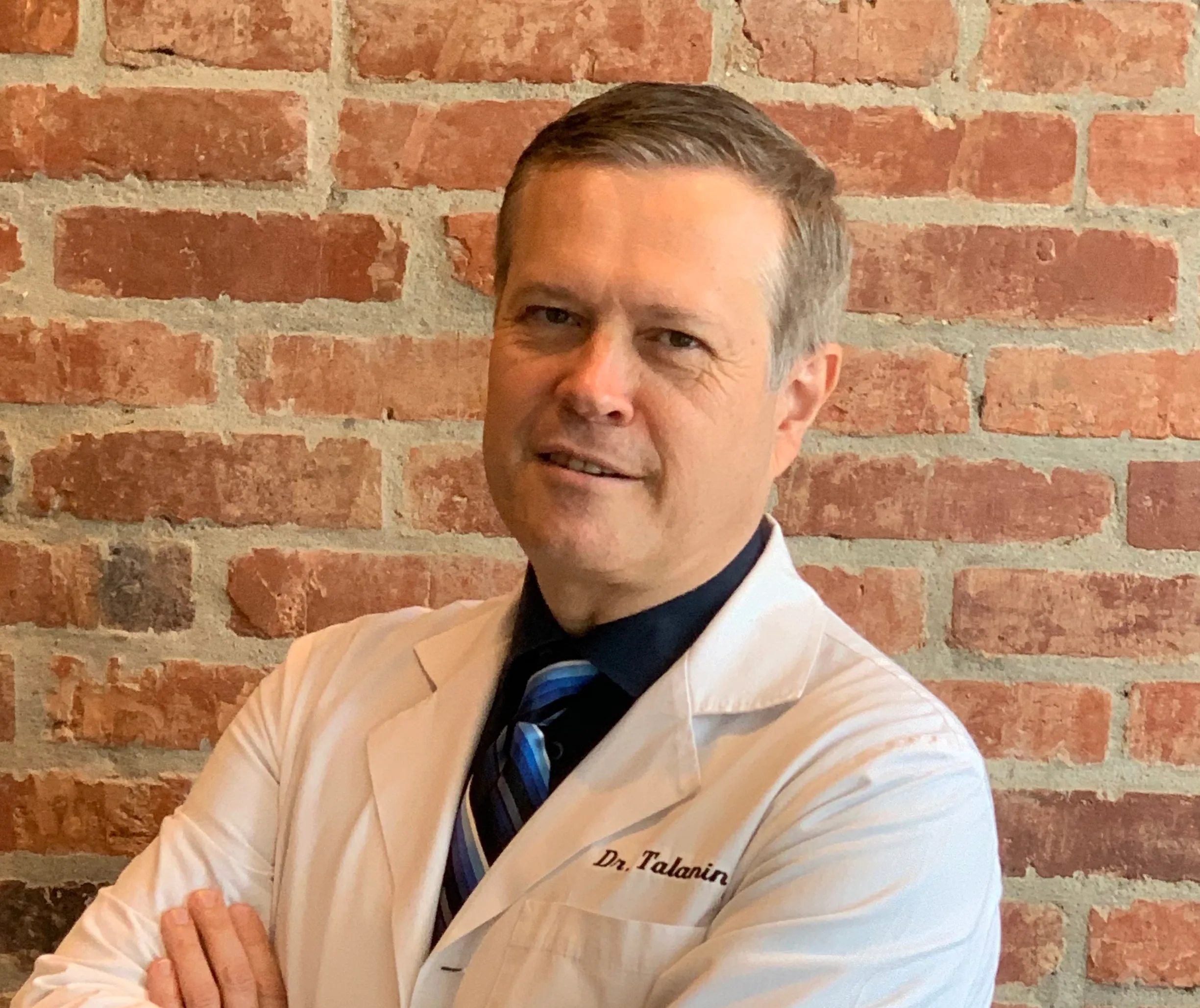
Dr. Cerveny Dermatologist: Clinical Expertise, Services, and Patient Care Guide
Dr. Kelli Cerveny is a board-certified dermatologist recognized for delivering comprehensive medical, surgical, and preventive skin care. Specializing in skin cancer detection, acne management, chronic inflammatory dermatoses, and derm...
Dr. Kelli Cerveny is a board-certified dermatologist recognized for delivering comprehensive medical, surgical, and preventive skin care. Specializing in skin cancer detection, acne management, chronic inflammatory dermatoses, and dermatologic surgery, Dr. Cerveny provides patient-centered treatment plans designed to address both complex dermatological conditions and routine skin health maintenance.
Contents
Medical Disclaimer: This guide is provided for educational and informational purposes only and does not constitute medical advice, formal diagnosis, or individualized treatment plans. Patients should consult a qualified healthcare provider for specific medical concerns.
Who is Dr. Cerveny? Credentials and Clinical Background
Selecting a dermatologist is a critical decision for managing long-term skin health, addressing complex cutaneous disorders, and ensuring early detection of skin cancers. Dr. Kelli Cerveny operates as a board-certified dermatologist, having completed extensive academic and residency training in internal medicine and clinical dermatology.
Board certification through the American Board of Dermatology (ABD) indicates that a physician has met rigorous education, examination, and ethical standards. To achieve this credential, a physician must complete a four-year undergraduate degree, four years of medical school (earning an MD or DO degree), a one-year internship in internal medicine or general surgery, and a three-year accredited dermatology residency program. Maintain certified status requires ongoing clinical evaluations, continuous medical education (CME), and periodic recertification assessments.
In clinical practice, board-certified dermatologists manage disorders affecting the skin, hair, nails, and mucous membranes. Dr. Cerveny's clinical approach integrates evidence-based diagnostic techniques with individualized care plans, collaborating with primary care physicians, oncologists, and dermatopathologists to provide coordinated treatment.
Core Dermatological Specializations and Medical Services
Dermatology spans a broad range of diagnostic and therapeutic interventions. A specialized practice led by Dr. Cerveny encompasses medical, surgical, and preventive subdisciplines.
| Category | Services |
|---|---|
| 1. Medical Dermatology | • Inflammatory Disease Management• Infectious Skin Pathologies• Chronic Autoimmune Diseases |
| 2. Surgical Dermatology | • Skin Cancer Excision & Biopsies• Cryosurgery & Electrosurgery• Benign Lesion Removal |
| 3. Preventive Care | • Full-Body Dermoscopic Exams• Patient Education & UV Safety |
1. Medical Dermatology
Medical dermatology focuses on diagnosing and managing chronic and acute skin diseases. Core medical services typically include:
- Acne Vulgaris and Rosacea: Treating inflammatory and non-inflammatory acne through topical retinoids, topical and oral antimicrobials, hormonal therapies, and systemic retinoids (isotretinoin) for severe cystic cases. Rosacea management focuses on vascular control, topical anti-inflammatory agents, and trigger management.
- Inflammatory Dermatoses: Managing conditions such as eczema (atopic dermatitis), psoriasis, contact dermatitis, and seborrheic dermatitis. Modern medical options range from topical corticosteroids and calcineurin inhibitors to systemic immunosuppressants and targeted biologic therapies (e.g., IL-17, IL-23, and IL-4/13 inhibitors).
- Autoimmune and Blistering Conditions: Diagnostic workup and management of cutaneous manifestations of lupus, lichen planus, vitiligo, and autoimmune blistering diseases such as pemphigus vulgaris and bullous pemphigoid.
- Infectious Cutaneous Diseases: Evaluation and treatment of viral infections (herpes simplex, herpes zoster, molluscum contagiosum), bacterial infections (folliculitis, impetigo, cellulitis), and fungal infections (tinea pedis, tinea corporis, cutaneous candidiasis).
2. Surgical Dermatology
When cutaneous lesions require physical intervention, surgical procedures are performed directly within the clinical setting under local anesthesia:
- Diagnostic Biopsies: Performing shave, punch, or excisional biopsies to obtain tissue samples for histopathological evaluation by a dermatopathologist.
- Surgical Excision: Removing biopsy-confirmed skin malignancies—such as basal cell carcinoma (BCC), squamous cell carcinoma (SCC), and melanoma in situ—along with appropriate surgical margins to prevent recurrence.
- Cryosurgery and Electrosurgery: Utilizing liquid nitrogen cryotherapy for precancerous lesions (actinic keratoses) or seborrheic keratoses, alongside electrosurgical destruction for selected superficial growth removals.
3. Preventive Dermatology and Cancer Screening
Preventive care remains the cornerstone of dermatological health. Routine full-body skin examinations utilize dermoscopy—a non-invasive skin surface microscopy technique—to evaluate pigment patterns, vascular structures, and cellular organization invisible to the naked eye. Early detection of malignant melanoma and non-melanoma skin cancers significantly improves patient outcomes and reduces the necessity for invasive procedures.
Comparing Dermatology Subdisciplines
Understanding the scope of clinical services helps patients seek the appropriate consultation for their specific skin condition.
| Service Category | Primary Clinical Focus | Diagnostic & Therapeutic Tools | Typical Insurance Coverage Status |
|---|---|---|---|
| Medical Dermatology | Pathological skin diseases, inflammatory rashes, chronic skin conditions | Dermoscopy, patch testing, skin cultures, targeted topical & systemic prescriptions | Covered under standard medical insurance plans (subject to copays and deductibles) |
| Surgical Dermatology | Removal of precancerous, cancerous, or symptomatic benign lesions | Shave/punch biopsy, excisional surgery, cryotherapy, electrosurgery | Covered when medically necessary (requires clinical documentation and biopsy verification) |
| Cosmetic Dermatology | Aesthetic enhancements, rejuvenation, scar mitigation | Lasers, chemical peels, neurotoxin injections, dermal fillers | Out-of-pocket elective care (rarely covered by commercial insurance) |
How to Prepare for Your Consultation with Dr. Cerveny
Proper preparation for a dermatological consultation ensures an efficient examination and accurate clinical assessment. Following a structured checklist helps streamline the encounter.
- Phase 1: Gathering Documentation
- Compile medical, surgical, and family history
- Create a complete medication & supplement list
- Phase 2: Skin Exam Preparation
- Remove nail polish, foundation, and heavy makeup
- Avoid application of self-tanners or heavy creams
- Phase 3: Symptom Documentation
- Note lesion start dates, changes, and symptoms
- Take clear, well-lit photos of intermittent flare-ups
- Phase 4: Administrative Readiness
- Verify insurance network status and referral requirements
- Prepare government ID, insurance cards, and copayment
Step 1: Compile Medical History and Medication Lists
Assemble a complete summary of personal medical conditions, prior surgeries, and family history of skin diseases—particularly melanoma or dysplastic nevus syndrome. Prepare an accurate list of all current prescription medications, over-the-counter supplements, vitamins, and topical skincare products currently in use.
Step 2: Prepare the Skin for Visual Examination
During a comprehensive skin evaluation, the dermatologist examines the skin from head to toe, including the scalp, nails, and skin folds.
- Remove Makeup and Nail Polish: Facial makeup, foundation, concealer, and nail polish obscure underlying skin pigmentation, nail bed pathology, and early signs of subungual melanoma.
- Avoid Self-Tanners: Artificial tanning lotions stain the outer layer of the skin (stratum corneum), complicating dermoscopic evaluation of mole borders and pigment patterns.
- Wear Accessible Clothing: Select loose-fitting, comfortable clothing that can be easily removed for the physical exam.
Step 3: Document Symptoms and Lesion Changes
Write down specific questions and outline the history of any concerning lesions. Note when the spot first appeared, whether it has expanded, changed color, or demonstrated symptoms such as persistent itching, tenderness, bleeding, or non-healing ulceration. For intermittent rashes or flare-ups, take high-resolution photographs when symptoms are active to share during your visit.
Step 4: Confirm Insurance and Referral Requirements
Contact your health insurance carrier prior to the appointment to verify that Dr. Cerveny is an in-network provider. If your health maintenance organization (HMO) plan requires a formal referral from a primary care physician (PCP), ensure that authorization is processed prior to your scheduled visit.
Navigating Insurance Coverage and Out-of-Pocket Costs
Healthcare coverage for dermatological procedures depends on clinical necessity, administrative coding, and specific benefit plans.
Medically Necessary vs. Elective Services
Commercial health insurance plans, Medicare, and Medicaid generally cover services deemed medically necessary. This includes consultations for abnormal moles, skin cancer screenings, management of severe acne or psoriasis, diagnostic skin biopsies, and surgical excision of malignant lesions.
Conversely, cosmetic interventions performed solely to improve appearance—such as neurotoxin injections for wrinkle reduction, aesthetic laser resurfacing, or removal of asymptomatic benign skin tags—are categorized as elective and paid out-of-pocket by the patient.
Understanding Billing and Authorization Protocols
- Evaluation and Management (E/M) Codes: Standard office visits are billed based on clinical complexity and time. If a procedure (such as a biopsy or cryotherapy) is performed during the same visit as a comprehensive evaluation, patients may see separate charges for both the consultation and the procedure.
- Prior Authorizations: Specialized therapeutic interventions—including biologic medications for severe psoriasis or eczema, specialized phototherapy sessions, or advanced surgical procedures—frequently require prior authorization from insurance payers before treatment can commence.
- Deductibles and Co-Insurance: Diagnostic lab work, such as the pathology processing of a skin biopsy, is typically billed separately by the dermatopathology laboratory and applies toward the patient's annual health plan deductible.
Early Detection of Skin Cancer: The ABCDE Framework
A vital aspect of preventive dermatology care is empowering patients to monitor their own skin between professional clinical evaluations. The ABCDE guide serves as a standardized baseline for identifying potential signs of melanoma:
| Letter | Feature | Description |
|---|---|---|
| A | Asymmetry | One half of the lesion does not match the other. |
| B | Border | Edges are irregular, scalloped, notched, or blurred. |
| C | Color | Pigmentation is non-uniform (brown, black, pink). |
| D | Diameter | Lesion exceeds 6 mm (approx. pencil eraser size). |
| E | Evolving | Mole changes in size, shape, color, or symptoms. |
- Asymmetry (A): Drawing an imaginary line through the center of a benign mole typically yields two symmetrical halves. Asymmetrical expansion warrants professional evaluation.
- Border (B): Healthy moles typically possess clear, smooth borders. Irregular, scalloped, notched, or poorly defined margins are characteristic features of dysplastic or malignant lesions.
- Color (C): A uniform shade of brown or tan is typical for benign nevi. Lesions displaying multiple shades—including dark brown, black, blue, red, pink, or white—require dermatological examination.
- Diameter (D): While melanomas can be smaller, lesions that expand beyond 6 millimeters (roughly the size of a standard pencil eraser) should be evaluated.
- Evolving (E): Any progressive change in size, shape, color, surface texture, or sensation (such as persistent itching, pain, or bleeding) represents a key indicator for prompt clinical inspection.
Additionally, patients should watch for the "Ugly Duckling" sign—a lesion that looks distinctly different from all other surrounding moles on an individual's body.
Frequently Asked Questions
What should I expect during a routine full-body skin check?
During a routine full-body skin exam, the dermatologist inspects your entire skin surface, from the scalp down to the toes and between the fingers and toes. The practitioner uses a dermatoscope—a specialized lighted magnifier—to examine suspicious spots closely. If an abnormal lesion is identified, the dermatologist may recommend monitoring it, taking high-resolution baseline photographs, or performing a small skin biopsy for histological evaluation.
Are skin biopsies painful, and how are they performed?
Skin biopsies are performed under local anesthesia to minimize discomfort. The dermatologist cleans the area and injects a small amount of local anesthetic (typically lidocaine with epinephrine), causing a brief pinching or burning sensation. Once the area is completely numb, a small sample of tissue is removed via a shave biopsy, punch biopsy, or excisional biopsy. The procedure takes only a few minutes, and the specimen is sent to a laboratory for evaluation.
Does health insurance cover mole removal?
Insurance coverage for mole removal depends on medical necessity. If a mole exhibits suspicious clinical features, causes functional impairment (such as catching on clothing or bleeding frequently), or shows signs of malignancy on biopsy, insurance typically covers the removal. If a mole is benign and removed solely for aesthetic reasons, the procedure is considered elective and is not covered by standard health insurance.
How do I know if I need a referral to see Dr. Cerveny?
Referral requirements depend on your specific health insurance policy. Preferred Provider Organization (PPO) and Exclusive Provider Organization (EPO) plans generally allow patients to schedule appointments directly with specialists without a referral. Health Maintenance Organization (HMO) and Point of Service (POS) plans typically require a formal referral from your assigned primary care physician before insurance will cover the specialist visit.
What is the difference between a dermatologist and an esthetician?
A dermatologist is a licensed medical doctor (MD or DO) who has completed medical school and residency training specializing in diagnosing, treating, and operating on complex medical conditions of the skin, hair, and nails. An esthetician is a licensed skincare specialist focused on non-medical cosmetic treatments, such as surface facials, skin cleansing, basic chemical exfoliation, and general cosmetic advice. Estheticians do not diagnose diseases, prescribe medical treatments, or perform surgical procedures.
Recommended Next Steps for Patients
Establishing a clear routine for skin care and preventive monitoring protects long-term health:
- Perform Monthly Self-Examinations: Inspect your skin monthly in a well-lit room using a full-length mirror and hand mirror to track changes in existing moles or identify new spots using the ABCDE criteria.
- Schedule a Professional Baseline Exam: If you have never had a professional skin check, have a personal or family history of skin cancer, or possess numerous moles, contact your physician's office to schedule a baseline full-body skin exam.
- Practice Daily Sun Safety: Apply a broad-spectrum, water-resistant sunscreen with an SPF of 30 or higher daily, wear sun-protective clothing (UPF-rated gear), and seek shade during peak ultraviolet radiation hours (10:00 AM to 4:00 PM).
- Organize Medical Records: Gather prior biopsy reports, treatment records, and relevant medical documentation before attending your specialist consultation to ensure seamless continuity of care.
Image Gallery