How to Find and Evaluate Good Auto Insurance Claims Lawyers
A good auto insurance claims lawyer possesses deep expertise in state insurance codes, a proven track record of handling coverage disputes and bad faith denials, transparent fee structures, and demonstrated trial experience. Evaluating...
A good auto insurance claims lawyer possesses deep expertise in state insurance codes, a proven track record of handling coverage disputes and bad faith denials, transparent fee structures, and demonstrated trial experience. Evaluating an attorney requires checking state bar disciplinary records, verifying peer ratings, and assessing whether they regularly litigate against stubborn insurance carriers rather than accepting lowball settlements.
Contents
Disclaimer: This article provides general information regarding auto insurance litigation and attorney selection. It does not constitute legal advice. Insurance laws, statutes of limitations, and fee regulations vary significantly by jurisdiction. Consult a qualified attorney licensed in your state for advice regarding specific legal matters.
When Do You Need an Auto Insurance Claims Lawyer?
Not every car accident or property damage claim requires legal representation. Minor collisions involving clear liability, minimal property damage, and no bodily injuries can usually be resolved directly through an insurance adjuster. However, legal intervention becomes vital when disputes arise over policy language, liability, or damages, or when the insurance company acts in bad faith.
Auto insurance policies are complex legal contracts governed by statutory regulations and judicial precedents. When substantial financial recovery or legal liability is involved, insurance companies utilize experienced claims adjusters and legal teams to minimize their payouts. Retaining a lawyer balances this dynamic.
Major Scenarios Requiring Legal Representation
- Serious or Permanent Injuries: When medical costs exceed minor emergency treatment, calculating future medical care, lost earning capacity, and pain and suffering requires legal expertise and expert testimony.
- Liability Disputes: If the insurer denies liability, claims you were partially or entirely at fault (under comparative or contributory negligence rules), or multiple parties are involved, an attorney is necessary to establish fault through formal evidence gathering.
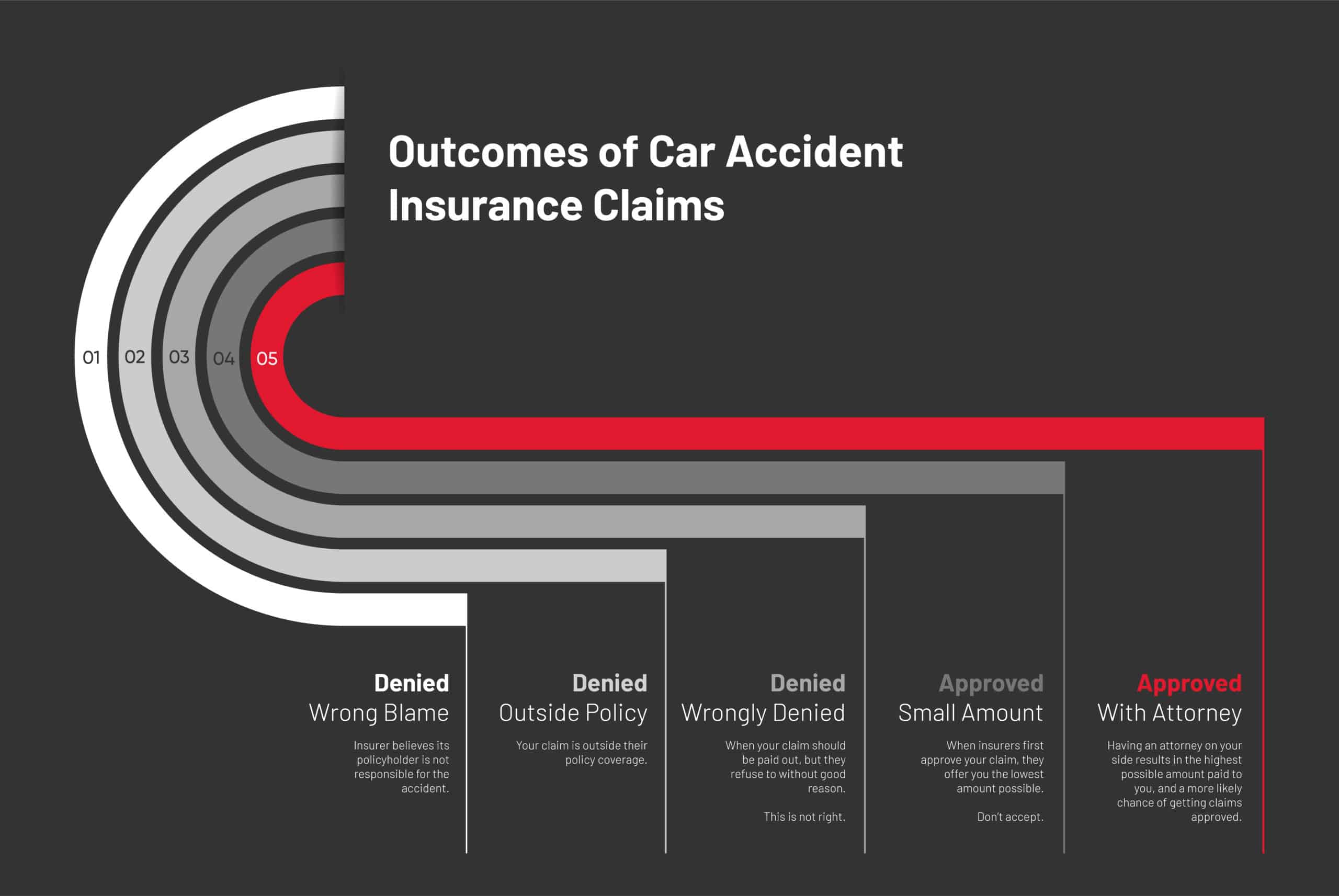
- Claim Denials or Coverage Disputes: Insurance companies may deny claims by citing policy exclusions, alleged policy lapses, or late reporting. An attorney can interpret contract terms and contest improper denials.
- Bad Faith Practices: Under state law, insurers owe a duty of good faith and fair dealing to their policyholders. Actions such as unreasonable delays, failure to conduct a thorough investigation, or refusal to offer a fair settlement despite clear liability may constitute insurance bad faith.
- Uninsured/Underinsured Motorist (UM/UIM) Claims: Seeking recovery from your own insurer under a UM/UIM policy often creates an adversarial relationship with your carrier, requiring independent legal representation.
- Disputed Total Loss Valuations: When an insurer under-values a total-loss vehicle and refuses to adjust their settlement offer based on market evidence, legal action may be required to enforce policy terms.
Key Characteristics of a Qualified Auto Insurance Attorney
Distinguishing between a general practitioner and an attorney who excels in auto insurance litigation is critical. "Good" representation involves a combination of specialized legal knowledge, litigation capabilities, financial resources, and professional ethics.
Specialized Expertise in Insurance Law
Auto insurance claims intersect personal injury law, contract law, and administrative regulation. A qualified attorney understands state-specific statutes, such as no-fault PIP (Personal Injury Protection) regulations, financial responsibility laws, and bad faith statutes. They should be familiar with common insurance carrier tactics, insurance policy endorsements, and subrogation rights.
Demonstrated Trial Experience
The vast majority of personal injury and insurance claims settle before trial. However, insurance carriers track attorney performance and know which lawyers routinely settle for low amounts to avoid court. Attorneys with a established record of taking cases to jury trials command significantly higher settlement offers because carriers want to avoid the expense and risk of formal litigation.
Sufficient Financial and Technical Resources
Complex auto claims often require expert testimony to establish liability and damages. Reputable law firms possess the financial backing to advance costs for accident reconstruction experts, medical experts, vocational rehabilitation specialists, and economic analysts. If a firm lacks the capital to finance necessary experts, the client's recovery potential may be compromised.
Ethical Standing and Transparent Fee Agreements
A reputable lawyer adheres strictly to legal ethics, including clear fee disclosures, prompt client communication, and honest assessments of case merits. They will provide a written representation agreement detailing contingency fee percentages, expense handling, and responsibilities without hidden costs.
How to Step-by-Step Evaluate and Hire an Attorney
Selecting an attorney requires systematic evaluation rather than relying on advertising campaigns, billboards, or commercial television spots. Broad advertising often indicates high-volume "settlement mills" focused on resolving cases quickly for low values rather than maximizing recovery.
- Step 1: Verify State Bar Standing & Disciplinary Record
- Step 2: Research Independent Peer Ratings & Reviews
- Step 3: Schedule and Prepare for Initial Consultations
- Step 4: Evaluate Case Management & Fee Structure Agreements
Step 1: Verify Licensing and Disciplinary History
Before contacting an attorney, check your state bar association's public directory. Verify that the lawyer is actively licensed, in good standing, and free of formal disciplinary actions or suspensions. State bar websites typically publish public reprimands, suspensions, or disbarments.
Step 2: Research Peer and Client Ratings
Look past marketing materials by reviewing established independent legal directories:
- Martindale-Hubbell: Look for an "AV Preeminent" rating, which reflects peer evaluations of an attorney's legal capability and ethical standards.
- Super Lawyers / Best Lawyers: These directories select attorneys through peer nominations and independent research.
- State Trial Lawyers Associations: Membership or leadership in organizations such as the American Association for Justice (AAJ) or state-level trial lawyer associations indicates a dedication to civil litigation representing plaintiffs.
Step 3: Prepare Key Questions for the Consultation
Most personal injury and insurance claims lawyers offer free initial consultations. Use this meeting to assess the attorney's qualifications and approach. Ask the following specific questions:
- What percentage of your practice is dedicated specifically to auto insurance claims and coverage disputes?
- How many cases have you taken to a jury trial in the past three years?
- Will you personally manage my case, or will it be assigned to a junior associate or paralegal?
- What is your assessment of the strengths and weaknesses of my claim?
- How are case litigation expenses handled if we do not recover a settlement or verdict?
Step 4: Review the Contingency Fee Agreement
Ensure you fully understand the representation agreement before signing. Pay close attention to how case expenses (court fees, deposition costs, expert witness fees) are deducted. In standard practice, expenses are reimbursed from the gross recovery after the attorney's percentage is calculated, or deducted directly before distribution. Ensure that the contract explicitly states you owe no legal fees or advanced expenses if no financial recovery is obtained.
Overview of Attorney Fee Structures in Insurance Claims
Auto insurance claim attorneys generally operate under contingency fee arrangements, meaning they receive a percentage of the final settlement or court award. However, fee structures can vary based on claim type, stage of litigation, and state regulations.
| Fee Structure Type | Typical Fee Range | Applicability | Key Client Considerations |
|---|---|---|---|
| Standard Contingency Fee | 33.3% to 40% of total recovery | Pre-lawsuit auto accident settlements and injury claims | No upfront legal costs. Percentage often increases if a lawsuit must be filed or trial occurs. |
| Tiered Contingency Fee | 25% (Pre-litigation)33.3% (Post-filing)40% (Trial/Appeal) | Litigated claims involving formal discovery or trial | Matches legal cost to the labor intensity of each stage of the case. |
| Statutory Fee-Shifting | Court-awarded fees (Paid by insurer) | Third-party or first-party insurance bad faith suits | In qualifying bad faith disputes, state law may order the insurer to pay plaintiff attorney fees directly. |
| Hourly Rate / Retainer | $250 – $600+ per hour | First-party property-only disputes or specialized policy defense | Rare in standard injury claims; used primarily when policyholders seek specific declaratory relief without cash recovery. |
Common Red Flags When Selecting an Attorney
Avoiding the wrong lawyer is as important as selecting the right one. Be cautious of attorneys or law firms demonstrating any of the following warning signs:
Unsolicited Contact (Ambulance Chasing)
Under Rule 7.3 of the American Bar Association Model Rules of Professional Conduct, lawyers are prohibited from soliciting professional employment in person, by telephone, or via real-time electronic communication when a primary motive is pecuniary gain. If a lawyer or representative contacts you uninvited following an accident, decline representation immediately.
Promises of Specific Financial Outcomes
Ethical lawyers cannot guarantee specific monetary outcomes or settlement timelines. Every claim depends on liability evidence, insurance coverage limits, medical documentation, and local legal standards. An attorney promising a specific settlement amount during an initial consultation is engaging in unethical sales practices.
High-Volume "Settlement Mills"
Firms that rely on massive advertising budgets often process high volumes of cases through non-lawyer staff. These firms frequently push clients to accept early settlement offers from insurance companies to maintain high case turnover, rather than spending the time necessary to litigate for full value. If you cannot speak directly with your attorney during the initial consultation, consider it a warning sign.
Frequently Asked Questions
How much does an auto insurance lawyer cost out-of-pocket?
For personal injury and insurance coverage disputes, attorneys typically work on a contingency fee basis. Clients pay zero out-of-pocket fees upfront. The attorney receives an agreed-upon percentage (usually between 33% and 40%) only if they successfully resolve the claim through settlement or trial.
What is the difference between a personal injury lawyer and an insurance bad faith lawyer?
A personal injury lawyer focuses on establishing liability against an at-fault driver to recover damages for physical, emotional, and financial harm. An insurance bad faith lawyer focuses on claims against insurance companies that unreasonably deny claims, delay payments, or fail to uphold their contractual duties under state insurance laws. Many experienced trial lawyers handle both areas.
Can a lawyer help if my insurance claim was already denied?
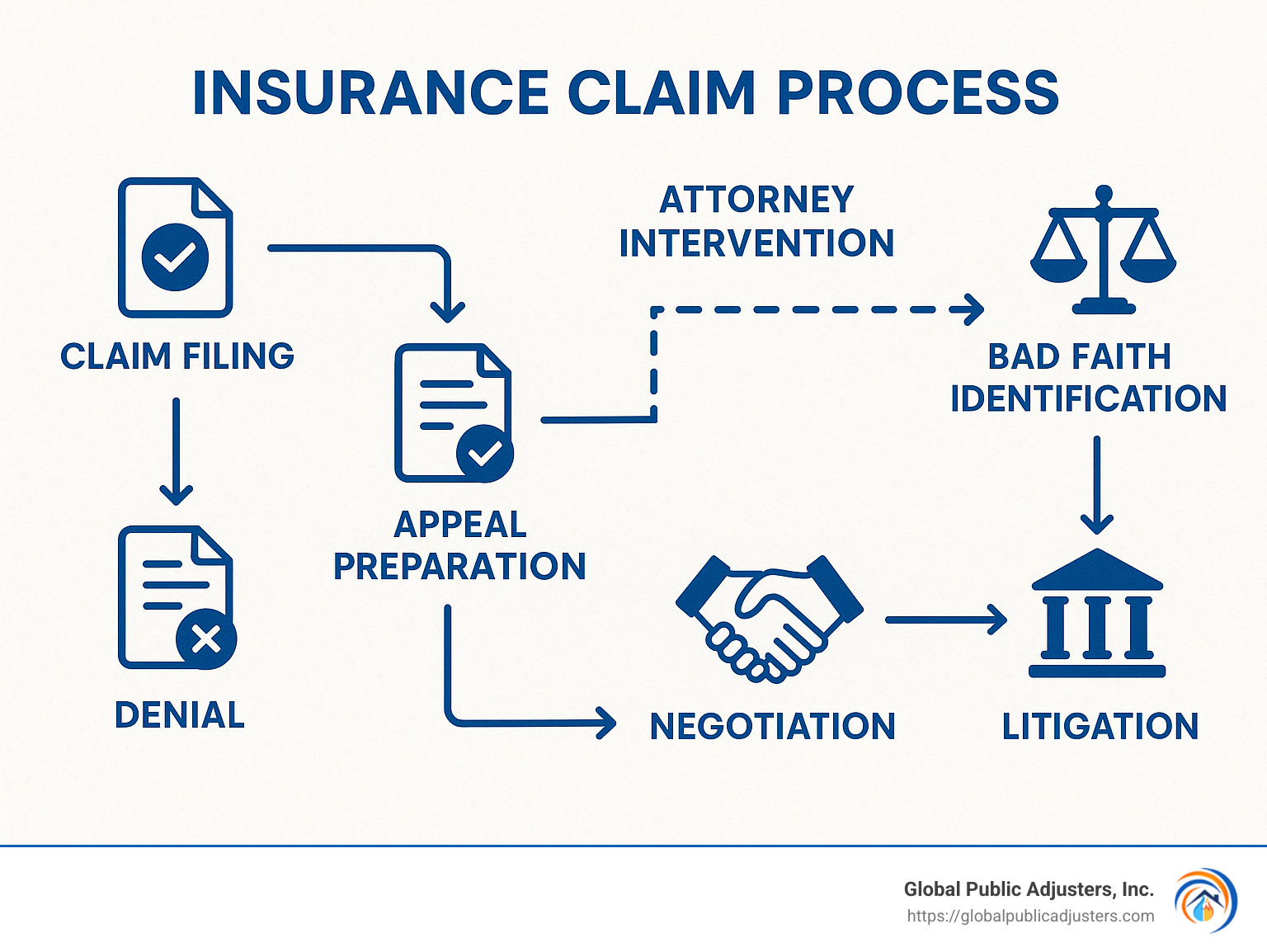
Yes. An attorney can review the insurance policy, examine the carrier's formal denial letter, and determine if the denial violated contract terms or state insurance regulations. They can file a formal internal appeal with the insurer, submit a complaint to the state insurance commissioner, or file a breach of contract lawsuit.
How long does an auto insurance claim lawsuit take to resolve?
Simple claims resolved in pre-litigation negotiations often take 3 to 6 months after medical treatment is finalized. If a formal lawsuit must be filed, discovery, depositions, pre-trial motions, and court scheduling can extend the timeline to 12 to 24 months or longer depending on court dockets.
Will my auto insurance claim go to trial if I hire a lawyer?
Statistically, over 90% of civil personal injury claims settle before trial. Hiring a lawyer with demonstrated trial experience often encourages insurance companies to offer fair settlements during pre-suit negotiations or mediation to avoid the expense of trial.
Practical Recommendations for Next Steps
If you are evaluating legal options for an auto insurance claim, take the following steps to protect your legal rights:
- Obtain Complete Documentation: Request a certified copy of your auto insurance policy, police reports, medical records, and all written correspondence from insurance adjusters.
- Verify State Filing Deadlines: State statutes of limitations impose strict deadlines for filing personal injury lawsuits and policy claims. Check the applicable limitation period in your jurisdiction to avoid forfeiting your rights.
- Schedule Consultations with Multiple Firms: Interview at least two or three qualified attorneys. Compare their trial experience, communication policies, fee agreements, and legal strategy recommendations before making a selection.
Image Gallery