Understanding the Zapruder Meaning in Language: Metaphor, Semiotics, and Cultural Rhetoric
In language, media theory, and rhetorical analysis, referencing "Zapruder" functions as a metaphor for frame-by-frame micro-analysis, hyper-scrutiny, and the forensic dissection of visual or textual evidence. Derived from Abraham Zapru...
In language, media theory, and rhetorical analysis, referencing "Zapruder" functions as a metaphor for frame-by-frame micro-analysis, hyper-scrutiny, and the forensic dissection of visual or textual evidence. Derived from Abraham Zapruder’s 1963 silent home movie capturing the assassination of U.S. President John F. Kennedy, the term describes both the archetype of raw, unfiltered citizen documentation and the paradox wherein obsessive magnification yields ambiguity rather than absolute certainty.
Contents
The Historical Origin of a Linguistic Metaphor
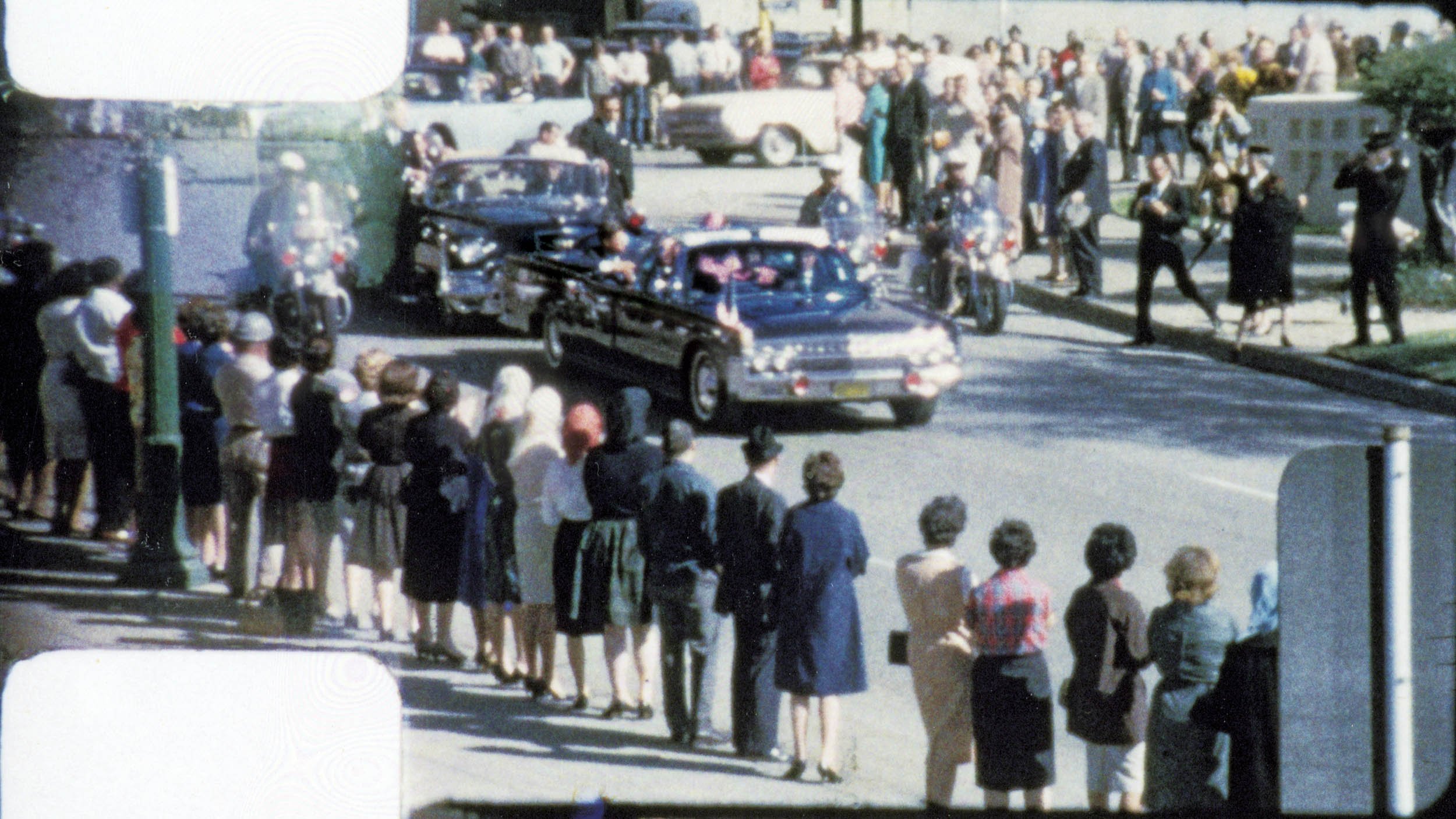
To understand how "Zapruder" evolved from a proper noun into a flexible linguistic tool, one must examine its historical source. On November 22, 1963, Dallas dress manufacturer Abraham Zapruder filmed the presidential motorcade through Dealey Plaza using an 8mm Bell & Howell home camera. The resulting 486 frames of 8mm Kodachrome II color film became the most scrutinized sequence of motion picture footage in history.
The footage was eventually acquired by the U.S. government, with the physical film preserved by the National Archives and Records Administration. Over the subsequent decades, the film transitioned from physical evidence in legal and governmental inquiries—such as the Warren Commission and the House Select Committee on Assassinations—into a universal reference point in cultural commentary.
In contemporary English, speakers and writers rarely use the word "Zapruder" merely to identify the historic individual. Instead, the term operates as an eponym, a noun adjunct, an adjective ("Zapruder-esque"), and occasionally a verb ("to Zapruder"). It signifies an attempt to find an elusive truth by slowing down, dissecting, and over-analyzing a fleeting moment of crisis.
Primary Linguistic and Rhetorical Applications
When the term "Zapruder" appears in modern political commentary, film criticism, legal argument, or journalism, it generally carries one of four distinct semantic meanings:
1. Forensic Micro-Analysis ("Zapruder-ing")
As a verb or active modifier, to "Zapruder" a piece of media means to subject it to relentless, frame-by-frame examination. Writers use this expression when describing how observers dissect digital footage, body-camera recordings, or sports replay clips to establish exact timelines or intent.
- Example: "Analysts began Zapruder-ing the security footage, examining every pixel to determine who touched the door handle first."
2. The Archetype of Raw Citizen Documentation
In media discourse, a "Zapruder film" or "Zapruder moment" serves as the foundational archetype for accidental, high-stakes citizen journalism. It describes amateur, unedited footage captured by a bystander that accidentally records a major historical, tragic, or controversial event before professional media outlets can arrive.
- Example: "The mobile phone clip of the structural collapse became the event's Zapruder film, capturing the exact second the support beam failed."
3. Epistemic Paradox and Graininess (The "Zapruder Effect")
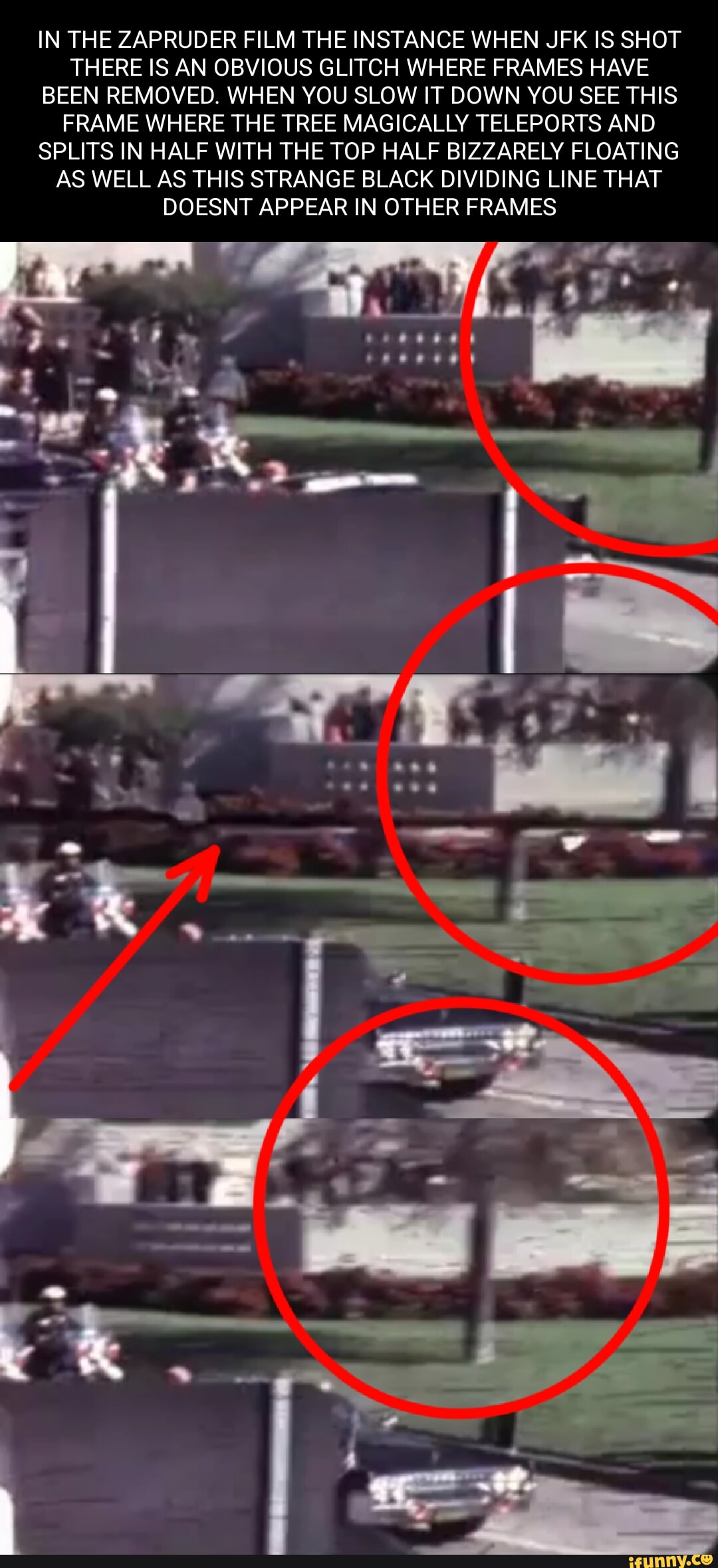
In semiotics and philosophy of language, the "Zapruder effect" refers to a specific cognitive and perceptual paradox: the more closely an observer magnifies, slows down, and isolates a single frame of evidence, the more ambiguous, pixelated, and inconclusive that evidence becomes. Rather than revealing an undisputed "smoking gun," extreme scrutiny often produces competing interpretations, hyper-fixation, and narrative fragmentation.
- Example: "The legal team encountered the Zapruder effect: zooming into the low-resolution image only increased the blur, allowing both the defense and prosecution to claim the shadow proved their case."
4. Visceral Realism and Unmediated Trauma
In literary and cinematic criticism, describing a sequence as "Zapruder-esque" invokes a specific aesthetic quality: raw, unpolished, unspooling in real time, and marked by an abrupt disruption of order. It conveys an uncomfortable intimacy with trauma that bypasses polished media filters.
Structural Breakdown of Zapruder Metaphor Variations
The table below illustrates how the term shifts across different professional fields, highlighting the primary meaning, syntax, and communicative intent of each application.
| Domain / Context | Linguistic Usage | Core Meaning | Primary Intent of the Speaker |
|---|---|---|---|
| Media & Digital Journalism | "Zapruder moment / footage" | Raw, accidental citizen record of a major crisis. | To highlight the unedited, organic nature of bystander recordings. |
| Legal & Forensic Analysis | "To Zapruder [footage/document]" | Frame-by-frame dissection of physical or visual evidence. | To signify exhaustive, methodical scrutiny of timelines and mechanical details. |
| Cultural Semiotics & Philosophy | "The Zapruder effect" | The paradox where increased magnification yields greater ambiguity. | To critique over-interpretation and illustrate the limits of visual proof. |
| Film & Literary Criticism | "Zapruder-esque realism" | Unfiltered, traumatic, real-time visual immediacy. | To describe aesthetics that feel unscripted, chaotic, and jarringly authentic. |
| Political Rhetoric | "Zapruder-level scrutiny" | Intense media obsession searching for a single hidden flaw. | To characterize an investigation or audit as obsessive or conspiracy-driven. |
Semiotic Mechanics: Why the Metaphor Persists
To understand why this specific historical reference retains its semantic power decades after its creation, linguists and semioticians analyze how the original artifact reshaped public perception of media truth.
The Shift from Narrative to Frame
Before the widespread public screening of the Kennedy footage—most notably during a 1975 broadcast on ABC's Good Night America hosted by Geraldo Rivera—historical events were primarily understood through structured narrative summaries written by journalists or historians. The Zapruder film reduced a major historical event to discrete fractions of a second (18.3 frames per second, the running speed of Zapruder's camera).
In language, invoking "Zapruder" signals a shift away from grand narrative storytelling toward structural mechanics. It demands that an audience stop listening to the overall narrative and instead look at the underlying components—the individual frames, words, or timestamps.
Postmodern Ambiguity and Literary Usage
Authors such as Don DeLillo have incorporated the Zapruder film into American fiction (notably in novels like Libra and Underworld) to symbolize the birth of modern paranoia and uncertainty. In literary linguistics, referencing Zapruder signifies a transition from consensus reality into an environment dominated by endless interpretation.
When cultural critics mention the "Zapruderization" of public discourse, they are describing a culture that no longer agrees on visible facts because every piece of digital data can be cropped, looped, enlarged, and interpreted in opposing ways.
Practical Applications in Modern Digital Discourse
Although the original film was captured on analog 8mm stock, the linguistic metaphor has become increasingly relevant in the digital age. Contemporary writers apply the term to several modern phenomena:
- Video Assistant Referee (VAR) and Sports Officiating: Commentators frequently reference "Zapruder-like analysis" when sports officials spend several minutes reviewing high-speed camera footage to determine whether a ball crossed a line by a millimeter.
- Police Body-Camera and Smartphone Footage: Legal analysts describe the public consumption of officer-involved incident videos as modern "Zapruder viewing," where the public dissects milliseconds of movement to infer intent.
- Forensic Analysis of AI and Deepfakes: As synthetic media becomes more prevalent, researchers use "Zapruder-ing" to describe the process of checking digital artifacts frame-by-frame for lighting inconsistencies, unnatural blinking, or rendering glitches that reveal an AI generation.
Common Misconceptions and Usage Pitfalls
To use the term accurately in formal writing, editorial commentary, or academic research, writers should avoid several common misapplications:
- Confusing "Zapruder Footage" with General Historical Footage: Not all archival footage is "Zapruder footage." The term specifically requires an element of unexpected, amateur, or unedited recording of a central traumatic or pivotal event. Official newsreel footage from a professional broadcast network does not fit the metaphor.
- Using the Term as a Synonym for "Conspiracy Theory": While the original film is heavily associated with debates surrounding the JFK assassination, using "Zapruder" as a linguistic modifier does not automatically imply a belief in a conspiracy. In legal and forensic contexts, it simply denotes the methodology of granular, frame-by-frame examination.
- Overusing the Verb Form in Formal Writing: While "Zapruder-ing" is understood in casual journalism and digital media commentary, it remains a stylistic colloquialism. In academic or legal prose, phrases such as "frame-by-frame forensic analysis" or "micro-level scrutiny" are preferred.
Frequently Asked Questions
What does "Zapruder film" mean as a metaphor in writing?
As a metaphor, a "Zapruder film" refers to any raw, unedited, accidental recording captured by an ordinary bystander that becomes the primary, decisive visual record of a sudden major catastrophe or historical event.
What is meant by "Zapruder-ing" a video?
"Zapruder-ing" is a colloquial verb meaning to analyze a video sequence frame-by-frame with extreme scrutiny, often slowing down playback, zooming in on background details, and dissecting fractions of a second to establish exact facts or hidden details.
What is the "Zapruder effect" in communication theory?
The "Zapruder effect" describes the paradox where extreme magnification and microscopic analysis of evidence lead to greater ambiguity and debate rather than absolute clarity, as high magnification often degrades detail and opens images to competing subjective interpretations.
Is the term "Zapruder" used in legal terminology?
While not a formal statutory term, legal commentators and trial lawyers use "Zapruder-style analysis" informally to describe the technique of breaking down surveillance, body-cam, or dash-cam footage into individual freeze-frames to argue points of intent, reaction time, and causation.
How does the Zapruder metaphor apply to social media and digital culture?
In modern digital culture, the metaphor applies to viral smartphone recordings of breaking news. It highlights how public perception is often shaped by raw, citizen-captured video rather than edited news broadcasts, leading to decentralized, crowdsourced investigations online.
Practical Guidance for Writers and Analysts
When incorporating the Zapruder metaphor into media analysis, essay writing, or professional commentary, follow these operational guidelines:
- Establish the Specific Meaning First: Clarify whether you are referencing the act of forensic breakdown (methodology), the raw citizen-captured medium (artifact), or the resulting ambiguity (epistemic state).
- Maintain Tone Appropriateness: Reserve "Zapruder-esque" for contexts involving serious analysis, high-stakes events, or intense scrutiny. Avoid applying it to trivial media controversies where extreme forensic terms feel disproportionate.
- Balance Visual Metaphors: If describing digital media analysis, pair the term with technical descriptors (such as "timestamp validation," "pixel resolution," or "frame-rate degradation") to anchor the metaphor in concrete analytical realities.
Image Gallery