Life in Siberia Today: Urbanization, Economic Reality, and Daily Living
Life in Siberia today is predominantly urban, characterized by modern industrial cities, robust municipal heating infrastructure, and strong regional economic hubs. While extreme winter temperatures shape daily routines, the majority o...
Life in Siberia today is predominantly urban, characterized by modern industrial cities, robust municipal heating infrastructure, and strong regional economic hubs. While extreme winter temperatures shape daily routines, the majority of Siberia's 33 million residents live in vibrant metropolitan areas like Novosibirsk and Krasnoyarsk, balancing harsh natural environments with contemporary technology, higher education, and resource-driven industry.
Contents
Beyond the Wilderness: The Urban Reality of Modern Siberia
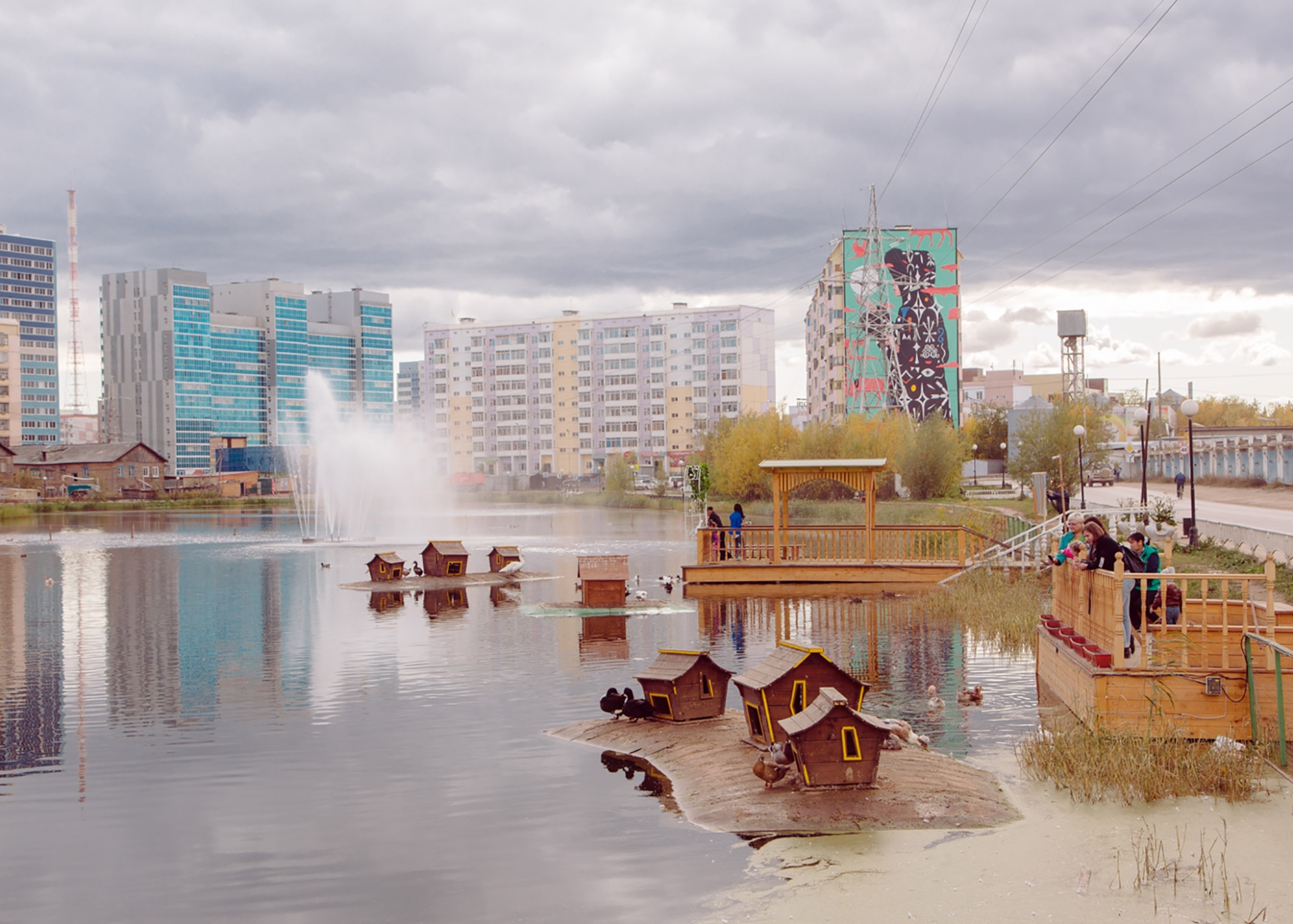
Popular international perceptions of Siberia often depict an endless, uninhabited expanse of frozen tundra and isolated outposts. In reality, modern Siberia is a highly urbanized region where more than 70 percent of the population resides in cities and large industrial towns. Stretching across northern Asia from the Ural Mountains to the Pacific watershed, Siberia encompasses diverse geographic zones—including southern steppe, dense taiga forests, and northern arctic tundra—with the vast majority of human settlement concentrated along the southern railway and river corridors.
The largest urban centers in Siberia rival major European cities in infrastructure, cultural institutions, and commercial activity:
- Novosibirsk: As Russia's third-largest city (population ~1.6 million), Novosibirsk serves as the unofficial capital of Siberia. It is a major industrial, transportation, and scientific hub, famous for housing Akademgorodok (Academy Town), one of Eurasia's highest concentrations of scientific research institutes.
- Krasnoyarsk: Straddling the Yenisei River, Krasnoyarsk (population ~1.2 million) is a heavy industrial powerhouse, primary center for aluminum production, and a major regional node for education and transport.
- Omsk: Located in southwestern Siberia near the Kazakh border, Omsk (population ~1.1 million) focuses heavily on oil refining, chemical manufacturing, and agricultural processing.
- Tyumen: Situated in Western Siberia, Tyumen (population ~850,000) acts as the administrative and service capital for the region's vast oil and natural gas extraction industries.
- Irkutsk: Positioned near Lake Baikal, Irkutsk (population ~600,000) is recognized for its historic 19th-century wooden architecture, rich cultural heritage, and role as the primary tourism gateway to Eastern Siberia.
Modern daily life in these metropolitan areas closely mirrors urban living elsewhere in Eurasia. Residents navigate bustling streets filled with modern automobiles, shop at high-density commercial malls, utilize digital banking and delivery apps, and live in multi-story residential apartment complexes built to withstand extreme thermal variance.
Climate and Seasonal Adaptation: Navigating Extreme Environments
Siberia's climate is defined by intense continentality. Winters are long and severely cold, while summers are often surprisingly warm or even hot. In southern Siberian cities like Novosibirsk and Irkutsk, winter temperatures routinely hover between -15°C and -30°C (+5°F to -22°F) from November through March, with periodic arctic cold snaps dipping below -40°C (-40°F). In northeastern Siberia—particularly the Republic of Sakha (Yakutia)—winter temperatures can plunge below -50°C (-58°F).
Conversely, summer temperatures across southern Siberia regularly reach +25°C to +32°C (+77°F to +90°F), creating a total annual temperature swing of over 60 degrees Celsius. Living comfortably in this environment requires specialized engineering, urban planning, and daily habits.
| Level | Strategy | Details |
|---|---|---|
| MUNICIPAL LEVEL | DISTRICT HEATING NETWORK (TEPLOSET) | Central thermal plants pipe pressurized hot water directly into residential blocks. |
| ARCHITECTURAL LEVEL | THERMAL INSULATION & TRIPLE-GLAZING | Concrete/brick walls up to 80cm thick; sealed multi-pane windows to block drafts. |
| PERSONAL / VEHICLE | WINTER LOGISTICS | Engine block heaters, continuous idling in deep freeze, multi-layer winter wear. |
Central District Heating Infrastructure
Urban living during Siberian winters relies entirely on centralized district heating systems (teploifikatsiya). Municipal thermal power plants burn coal or natural gas to heat water, which is then distributed through insulated underground pipe networks (teploset) directly into residential apartments, public buildings, and commercial facilities. Apartment interiors are routinely maintained at a comfortable +20°C to +24°C (+68°F to +75°F) throughout the winter, regardless of outdoor temperatures.
Winter Logistics and Vehicle Care
Managing personal transport in extreme cold requires specific precautions:
- Synthetic Lubricants and Fluids: Drivers use specialized low-viscosity synthetic engine oils (e.g., 0W-20 or 0W-30) and freeze-resistant fluids rated down to -50°C.
- Engine Pre-Heaters: Vehicles are often equipped with electric or fuel-powered engine block pre-heaters (Webasto or internal heating elements) connected to outdoor electrical outlets.
- Insulated Storage: Heated underground parking spaces command premium prices in Siberian real estate. In ultra-cold regions like Yakutsk, drivers who park outdoors often leave automobile engines running continuously or cover their cars in heavy thermal blankets (natashas).
- Footwear and Wardrobe: Daily clothing centers on functional layering. High-grade synthetic down parkas, natural wool, sheepskin coats (dublyonka), and insulated felt boots (valenki or torbasa) remain popular for prolonged outdoor exposure.
Economic Landscape: Resource Mining, Heavy Industry, and IT
Siberia is the primary economic engine for Russia's natural resource sector, providing the bulk of the country's oil, natural gas, coal, timber, and precious metals. However, the regional economy is far more diverse than raw extraction alone.
Primary Economic Drivers
- Hydrocarbons and Energy: Western Siberia (Khanty-Mansi and Yamalo-Nenets Autonomous Okrugs) produces the majority of Russia's crude oil and natural gas. Regions like the Kuznetsk Basin (Kuzbass) form the core of coal production.
- Metallurgy and Chemistry: Krasnoyarsk hosts massive aluminum smelting operations powered by large-scale hydroelectric dams along the Yenisei River (such as the Sayano-Shushenskaya and Krasnoyarsk dams). Norilsk, located north of the Arctic Circle, is one of the world's largest producers of nickel, palladium, and copper.
- Scientific Research and Information Technology: Novosibirsk's Akademgorodok serves as a focal point for software engineering, biotechnology, nuclear physics, and microelectronics. Siberian IT firms develop solutions for industrial automation, enterprise software, and logistics mapping utilized across Eurasia.
Wages and Regional Coefficients
To incentivize working in harsh climatic conditions, Russian labor regulations apply a legally mandated multiplier known as the "Northern coefficient" (severniy koeffitsiyent) and regional wage surcharges. Salary levels in resource-rich northern districts (such as Surgut, Novy Urengoy, or Norilsk) are significantly higher than the national average to compensate for high living costs, remote location, and severe climate.
Infrastructure, Logistics, and Transportation
Navigating Siberia's immense distances presents ongoing logistical challenges. Transport infrastructure relies on a hybrid network of railways, aviation, inland waterways, and seasonal ice roads.
- Trans-Siberian Railway / BAM (Primary East-West Freight Corridor)
- Regional Airport Hubs (Novosibirsk, Krasnoyarsk, Irkutsk) (Long-Distance Passenger Travel)
- Seasonal Transport Infrastructure
- Summer River Barges (Ob, Yenisei, Lena Rivers)
- Winter Ice Roads (Zimnik) (Frozen Tundra & Frozen Rivers)
Rail Networks
The Trans-Siberian Railway remains the vital economic artery connecting Western Siberia with the Russian Far East and Asian trade corridors. Parallel to it lies the Baikal-Amur Mainline (BAM), running farther north through difficult mountainous terrain to access rich mineral deposits and timber reserves. These railways handle massive volumes of heavy freight, including coal, metal, timber, and containerized goods.
Aviation and Highways
Air transport is essential for regional travel across Siberia. Novosibirsk's Tolmachevo Airport and Krasnoyarsk International Airport act as major regional hubs connecting Siberian cities directly to Moscow, St. Petersburg, Central Asia, and East Asia.
While major paved highways link urban centers along the southern corridor (such as the R255 'Sibir' highway connecting Novosibirsk, Kemerovo, Krasnoyarsk, and Irkutsk), road networks in remote northern territories are sparse.
Seasonal Mobility: River Barges and Ice Roads
In areas lacking permanent paved roads—such as northern Sakha or Yamal—logistics change seasonally:
- Summer Shipping: Major rivers (the Ob, Irtysh, Yenisei, and Lena) become navigable water highways for heavy barges delivering bulk supplies, machinery, and fuel during the short ice-free summer window (Severny Zavoz or Northern Supply).
- Winter Ice Roads (Zimnik): Once winter sets in and marshes, rivers, and tundra freeze solid, workers construct seasonal ice roads. These packed-snow highways allow heavy transport trucks to deliver goods to isolated industrial camps and remote villages until the spring thaw.
Comparing Siberia’s Major Urban Hubs
The table below illustrates key demographic, economic, and climatic differences across Siberia’s major regional centers:
| City | Population | Key Economic Sectors | Average Jan. Temp. (°C / °F) | Geographic / Cultural Feature |
|---|---|---|---|---|
| Novosibirsk | ~1.6 Million | Science/R&D, IT, Transport, Manufacturing | -16°C / +3°F | Largest city in Siberia; home to Akademgorodok |
| Krasnoyarsk | ~1.2 Million | Metallurgy (Aluminum), Hydroelectric Power | -15°C / +5°F | Situated along the Yenisei River near Stolby Nature Reserve |
| Omsk | ~1.1 Million | Oil Refining, Chemicals, Defense Industry | -17°C / +1°F | Major agricultural processing and industrial rail center |
| Tyumen | ~850,000 | Oil & Gas Services, Engineering, Real Estate | -15°C / +5°F | Oldest Russian city in Siberia; oil industry hub |
| Irkutsk | ~600,000 | Tourism, Hydroelectric Power, Aviation Mfg. | -18°C / 0°F | Primary gateway to Lake Baikal; historic architecture |
| Yakutsk | ~360,000 | Mining (Diamonds, Gold), Administrative, Logistics | -38°C / -36°F | World's largest city built entirely on continuous permafrost |
Daily Culture, Education, and Community Life
Daily life in modern Siberian cities blends typical contemporary European urban lifestyles with distinct local traditions shaped by geography, indigenous ethnic cultures, and history.
| Aspect | Details |
|---|---|
| HIGHER EDUCATION & SCIENCE | Institutions like Novosibirsk State University (NSU) attract students from across Central Asia and East Asia. |
| LOCAL GASTRONOMY | Pelmeni, Stroganina (frozen raw fish), pine nuts, sea buckthorn, wild game, smoked Baikal omul. |
| OUTDOOR RECREATION | Summer dacha gardening, hiking, mushroom foraging; winter ski, ice fishing. |
| ETHNIC DIVERSITY | Slavic majority coexisting with indigenous Buryat, Tuvan, Yakut, and Evenk cultures. |
Higher Education and Student Life
Siberia houses several major higher education institutions, including Novosibirsk State University (NSU), Tomsk State University (TSU), and Siberian Federal University (SFU) in Krasnoyarsk. Tomsk, in particular, is renowned as a historic "university city," where university students make up a significant portion of the total city population. These educational hubs foster vibrant nightlives, tech incubators, coffee shop cultures, and active artistic communities.
Culinary Traditions
Siberian cuisine relies on hearty ingredients designed to provide energy during cold winters, mixed with local wild-harvested goods:
- Pelmeni: Siberian meat dumplings, traditionally frozen in bulk outdoors during winter and boiled as needed.
- Stroganina: A classic northern dish consisting of thin, ribbon-like shavings of raw frozen fish (such as sterlet,nelma, or whitefish) or reindeer meat served with salt and pepper.
- Forest Harvests: Cedar pine nuts (kedrovye orekhi), lingonberries, cranberries, sea buckthorn, and wild mushrooms are widely consumed, harvested, and preserved.
- Regional Specialties: Smoked omul fish near Lake Baikal, cooked horse meat and kumis in Yakutia, and roasted venison across northern districts.
Outdoor Culture and Leisure
Despite harsh winter conditions, Siberians are avid outdoors enthusiasts. In summer, urban residents move to rural cottages (dachas) on weekends to garden, grill shashlik, and harvest fresh produce. Autumn brings mushroom foraging and berry picking in the taiga. In winter, cross-country skiing, ice skating, ice fishing, and indoor banya (steam bath) visits are ubiquitous weekend activities.
Contemporary Challenges and Geopolitical Realignment
Living in Siberia today involves navigating structural, environmental, and geopolitical shifts.
Supply Chain and Market Shifts
Recent global trade sanctions and geopolitical changes have reshaped consumer markets and logistics across Siberia. Given Siberia's geographic proximity to Asia, regional trade routes have increasingly oriented toward China, India, and Central Asia. Chinese automotive brands, electronics, and industrial machinery have largely filled market segments previously occupied by European or North American imports.
Environmental Dynamics and Permafrost
Climate change presents unique operational considerations across Siberia:
- Permafrost Degradation: In northern cities like Norilsk and Yakutsk, thawing continuous permafrost poses structural risks to building foundations, utility pipelines, and road beds, requiring specialized piles and active ventilation under structures.
- Wildfires (Taiga Fires): Dry summer heat waves periodically trigger massive forest fires in remote taiga zones, generating smoke haze (smog) that can drift over urban centers like Krasnoyarsk and Irkutsk for days at a time.
- Air Quality in Basins: Cities located in river valleys or mountainous basins (such as Krasnoyarsk or Novokuznetsk) sometimes experience thermal inversions during winter, trapping industrial emissions and residential coal smoke near ground level—a phenomenon locally referred to as "Black Sky" days.
Frequently Asked Questions
Do people in Siberia live in extreme cold year-round?
No. Siberia experiences distinct seasonal shifts. While winters are long and severely cold (typically lasting from November to March), summers are warm and sunny. Temperatures in southern Siberian cities frequently reach +25°C to +30°C (+77°F to +86°F) in July, allowing for full summer outdoor activities, agricultural gardening, and lake swimming.
How do Siberian cities keep homes warm during extreme freeze?
Siberian urban centers use centralized municipal district heating networks (teploset). Highly insulated thermal power plants burn natural gas or coal to generate hot water and steam, which is continuously pumped through underground pipes straight into residential apartments. Apartment interiors stay consistently warm (around +20°C to +24°C), even when outdoor temperatures drop below -40°C.
Is Siberia economically isolated from the rest of the world?
No. Siberia contains vital natural resource extraction, industrial metallurgy, and technology sectors that connect directly to global supply chains. While European economic ties have decreased, trade and transit logistics between Siberian cities and Asian economies—particularly China, Kazakhstan, and East Asia—have expanded significantly.
What is public transportation like in Siberian cities?
Major Siberian cities feature diverse, fully modernized transit systems. Novosibirsk operates a two-line underground metro system. Cities like Krasnoyarsk, Omsk, and Irkutsk rely on extensive networks of municipal buses, trams, trolleybuses, private minibuses (marshrutkas), and ride-hailing mobile apps (such as Yandex Go).
How do vehicles start and run in temperatures below -40°C?
Vehicle owners in cold regions use several adaptive strategies: parking in heated underground garages, installing electric block heaters plugged into outdoor power outlets, utilizing autonomous engine heaters (Webasto), using specialized 0W synthetic motor oils, and using thermal bonnet covers. In extremely cold northern regions like Yakutsk, drivers leave vehicle engines running continuously when parked outdoors during cold snaps.
Practical Takeaways for Understanding Siberia Today
Life in Siberia today is defined by urban modernism working in tandem with cold-climate resilience. Far from being an isolated wasteland, the region operates as an urbanized industrial and scientific power center.
Key observations regarding contemporary Siberian life include:
- Urban Dominance: Over two-thirds of the population lives in fully developed metropolitan centers with contemporary housing, digital services, and robust public transit.
- Infrastructure Reliance: Daily survival and comfort depend heavily on engineered municipal district heating systems, thermal insulation, and adapted transport logistics.
- Economic Importance: Siberia remains central to energy, industrial metallurgy, and applied science, supported by specialized regional wage structures.
- Eastward Economic Focus: Shifts in international trade have accelerated economic integration between Siberian regional hubs and Asian supply chains.
Image Gallery