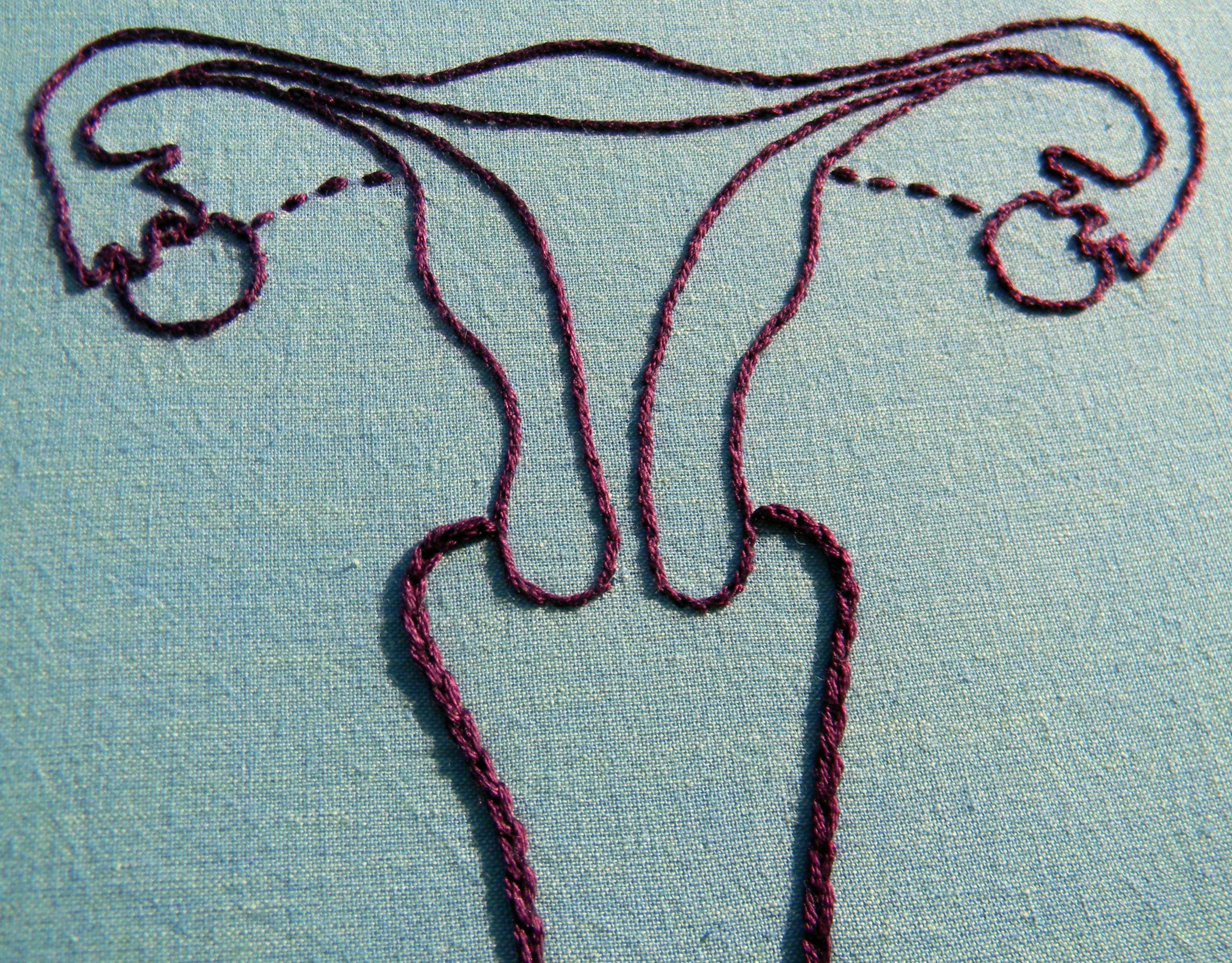
Understanding the "Designer Vagina" in Modern Gynecological Practice
The colloquial term "designer vagina" refers to a spectrum of female genital cosmetic procedures (FGCP) and reconstructive interventions aimed at altering the aesthetic appearance or structural function of the vulvovaginal region. Thes...
The colloquial term "designer vagina" refers to a spectrum of female genital cosmetic procedures (FGCP) and reconstructive interventions aimed at altering the aesthetic appearance or structural function of the vulvovaginal region. These modalities encompass surgical techniques such as labiaplasty, vaginoplasty, and perineoplasty, alongside non-surgical, energy-based therapies like fractional CO2 laser and radiofrequency treatments. Modern clinical practice evaluates these procedures through a dual framework of aesthetic preference and functional reconstruction, prioritizing patient safety, evidence-based outcomes, and rigorous anatomical evaluation.
Contents
Medical Advice Limitation
This article is provided for informational and educational purposes only and does not constitute formal medical advice, diagnosis, or treatment. Patients considering female genital cosmetic or reconstructive procedures should consult a board-certified gynecologist, urogynecologist, or plastic surgeon for individualized clinical evaluation and psychological counseling.
Terminology and Clinical Framework
While popular culture popularized the term "designer vagina," clinical medicine categorizes these procedures under female genital cosmetic surgery (FGCS) or vulvovaginal aesthetic and reconstructive surgery. Media catchphrases often blur the distinction between functional reconstructive operations and purely elective aesthetic modifications, making clear clinical terminology essential.
Modern gynecological practice divides vulvovaginal procedures into two primary categories:
- Surgical Interventions: Invasively altering the labia majora, labia minora, clitoral hood, perineal body, or vaginal canal.
- Non-Surgical Interventions: Using energy-based devices (EBDs) or injectable dermal fillers/autologous fat to promote collagen synthesis, tissue tightening, or volume restoration.
Anatomical variations in the female external genitalia are vast and normal. Clinical literature published by the American College of Obstetricians and Gynecologists (ACOG) emphasizes that labial asymmetry, variable hyperpigmentation, and diverse protrusion lengths represent normal physiological diversity rather than anatomical defects requiring correction.
Anatomical Indications and Patient Motivations
Patients seeking consultation for FGCS generally present with either functional complaints, aesthetic concerns, or a combination of both. Understanding these underlying drivers helps clinicians tailor treatment plans or offer appropriate non-surgical counseling.
Patient Presentation & Assessment Pathway:
- Functional Indications
- Friction & Chafing
- Exercise Discomfort
- Post-Partum Trauma
- Dyspareunia / Laxity
- Aesthetic Indications
- Asymmetry Correction
- Protrusion Reduction
- Post-Menopausal Atrophy
- Clinical & Psychological Screening
- Surgical Candidate (Labiaplasty / Vaginoplasty)
- Non-Surgical Candidate (Energy Devices / Fillers)
Functional Motivations
Functional impairment is one of the most common drivers for surgical consultation. Prominent or hypertrophic labia minora can lead to severe mechanical irritation during physical activities such as cycling, running, or horseback riding. Patients frequently report discomfort when wearing form-fitting clothing, persistent tugging during sexual intercourse, or chronic hygiene challenges leading to localized moisture retention and recurring inflammation.
Similarly, structural weakness in the perineal body or laxity of the vaginal barrel—frequently following multi-parity (multiple childbirths) or age-related tissue degradation—can cause feelings of pelvic fullness, reduced vaginal friction during intercourse, or mild stress urinary incontinence.
Aesthetic and Psychological Motivations
Aesthetic motivations often center on achieving symmetry, reducing tissue length, or reversing age-related volume loss in the labia majora. Psychological drivers can include self-consciousness during intimacy, altered body image perception, and anxiety related to clothing choices.
However, clinical screening must carefully distinguish between reasonable aesthetic expectations and underlying psychological conditions. Surgeons routinely screen candidates for Body Dysmorphic Disorder (BDD), a psychiatric condition characterized by intense preoccupation with perceived physical flaws. Operating on individuals with BDD rarely alleviates distress and often leads to post-surgical dissatisfaction.
Modern Surgical Techniques
Surgical techniques have evolved significantly to maximize anatomical naturalness, preserve nerve density and vascular supply, and minimize scarring.
Labiaplasty Resection Techniques:
- Edge Trim
- Cut Outer Border
- High simplicity
- Edge scar potential
- Wedge Resection
- Remove Wedge
- Preserves natural border
- Requires precise alignment
Labiaplasty
Labiaplasty involves reshaping or resecting excess labia minora or majora tissue. For the labia minora, two primary surgical approaches predominate:
- Curvilinear Resection (Edge Trim Technique): The surgeon excises the hyperpigmented or redundant outer edge of the labia minora along a linear line and suturing the cut margins. While technically straightforward, this method can remove the natural contour and color gradient of the labial border if executed excessively.
- Central Wedge Resection: The surgeon resects a V-shaped wedge of tissue from the most prominent central portion of the labia minora, subsequently re-approximating the upper and lower tissue margins. This preserves the original natural textured edge and color variation of the labium, offering superior aesthetic outcomes when performed by experienced practitioners.
When labial hypertrophy is accompanied by a prominent prepuce, a clitoral hood reduction (unhooding) may be performed concurrently to maintain anatomical proportionality and avoid a unbalanced postoperative appearance.
Vaginoplasty and Perineoplasty
- Vaginoplasty: Focuses on tightening the internal vaginal canal. The surgeon excises redundant mucosa from the posterior vaginal wall, plicates (stitches together) the underlying weakened fascia and pelvic floor musculature (levator ani muscles), and closes the mucosal lining.
- Perineoplasty: Reconstructs the perineal body—the fibromuscular structure between the vaginal introitus and the anus. It repairs scarring from previous episiotomies or tears, reduces an widened introitus, and restores structural support to the lower genital tract.
Non-Surgical Modalities and Energy-Based Devices
Non-surgical approaches have gained attention as minimally invasive alternatives for patients seeking mild vulvovaginal rejuvenation, improved tissue hydration, or subtle skin tightening.
Non-Surgical Rejuvenation Approaches:
- Energy-Based Devices (EBDs)
- CO2 / Erbium:YAG Lasers
- Radiofrequency (RF)
- Injectable Modalities
- Hyaluronic Acid Fillers
- Autologous Fat Transfer
Micro-Ablative Lasers and Radiofrequency
Micro-ablative lasers (such as CO2 or Erbium:YAG) and radiofrequency (RF) devices deliver controlled thermal energy into the vaginal mucosa or external labial dermis. This thermal micro-trauma triggers a wound-healing response that stimulates:
- Fibroblast activation and new collagen synthesis (neocollagenesis).
- Formation of new elastic fibers (neoelastogenesis).
- Increased local vascularity (neovascularization), enhancing mucosal lubrication and tissue elasticity.
FDA Cautions and Clinical Evidence
While energy-based devices are widely marketed for vaginal "tightening," atrophy, and stress incontinence, major regulatory bodies have issued clear safety warnings. The U.S. Food and Drug Administration (FDA) issued safety communications noting that energy-based devices are cleared for general dermatological or surgical tissue ablation, but have not received explicit clearance for vaginal rejuvenation or sexual dysfunction treatment.
Uncontrolled or improper application of thermal energy to mucosal tissue carries risks of severe vaginal burns, chronic scarring, intractable pain, and painful intercourse (dyspareunia). Clinical protocols mandate that EBD therapies be delivered only by trained medical practitioners using standardized energy settings.
Comparison of Surgical vs. Non-Surgical Modalities
Selecting the optimal intervention depends on the patient's primary anatomical presentation, clinical goals, acceptable risk tolerance, and recovery constraints.
| Procedure / Modality | Primary Clinical Goal | Invasiveness | Recovery Duration | Expected Longevity | Key Clinical Considerations |
|---|---|---|---|---|---|
| Labiaplasty (Wedge or Trim) | Reduction of labia minora size; symmetry restoration | Surgical (Invasive) | 4–6 weeks | Permanent | Risk of over-resection, nerve alteration, or asymmetry; high satisfaction when indicated. |
| Vaginoplasty | Tightening of the vaginal canal and fascia plication | Surgical (Invasive) | 6–8 weeks | Long-term (Years) | Requires general/regional anesthesia; strict physical and sexual abstinence post-op. |
| Perineoplasty | Structural repair of perineal body and vaginal introitus | Surgical (Invasive) | 4–6 weeks | Long-term | Frequently combined with vaginoplasty; addresses post-childbirth scar tissue. |
| Fractional CO2 Laser | Mucosal hydration, mild collagen remodeling, micro-circulation | Non-Surgical (Thermal) | 3–7 days | 6–12 months | Requires maintenance series; off-label for vaginal rejuvenation; risk of thermal injury if mismanaged. |
| Temperature RF | Dermal tightening of labia majora and mucosal heating | Non-Surgical (Thermal) | 1–3 days | 6–12 months | Gradual results requiring multiple sessions; lower immediate risk than ablative lasers. |
| HA / Fat Injections | Volumization of labia majora atrophy | Minimally Invasive | 3–5 days | 9–18 months (HA) / Permanent (Fat) | Risk of vascular occlusion, asymmetry, or lump formation; requires precise injection technique. |
Postoperative Protocol and Recovery Guidelines
Surgical recovery following FGCS requires strict adherence to hygiene protocols and activity modifications to ensure optimal wound healing and minimize complications.
Post-Operative Recovery Timeline:
- Week 1–2
- Cold packs
- Sit-z baths
- Pelvic rest
- Week 3–4
- Reduced swelling
- Light walking resumed
- Week 6+
- Full sexual clearance
- High-impact exercise
Immediate Post-Operative Phase (Days 1–14)
- Pain & Edema Management: Local swelling is expected due to the rich vascular supply of the vulva. Intermittent application of cold packs (20 minutes on, 20 minutes off) for the first 48 hours is standard.
- Hygiene Practices: Patients are instructed to clean the surgical site gently with squeeze bottles containing warm water or saline after urination or bowel movements. Patting dry with clean gauze is mandatory—wiping is strictly prohibited.
- Clothing: Loose-fitting cotton underwear and non-restrictive bottoms prevent friction and moisture entrapment.
Subacute Healing Phase (Weeks 3–6)
- Physical Activity: High-impact exercises, heavy lifting (>10 lbs), cycling, and horse riding are restricted until full re-epithelialization and wound consolidation occur, typically around 4 to 6 weeks.
- Pelvic Rest: Insertion of anything into the vagina—including tampons, menstrual cups, and sexual penetration—is completely contraindicated for a minimum of 6 weeks post-surgery. Early penetration risks suture disruption (dehiscence), bleeding, and bacterial infection.
Surgical Risks, Complications, and Safety Considerations
While surgical satisfaction rates among appropriately selected patients are generally high, all surgical procedures carry inherent risks.
Key Surgical Risks and Mitigations:
- Over-resection
- Mitigation Strategy: Conservative tissue marking
- Wound dehiscence
- Mitigation Strategy: Strict pelvic rest (6 wks)
- Chronic dyspareunia
- Mitigation Strategy: Nerve-sparing techniques
- Psychological regret
- Mitigation Strategy: Pre-op BDD screening
- Over-Resection: Excising too much labial tissue can result in complete loss of the protective labia minora barrier, leaving the vaginal introitus exposed to chronic drying, friction, and discomfort. Reconstructive revision for over-resected labia is complex and often requires local flap advancements.
- Wound Dehiscence: The surgical site is exposed to moisture, movement, and variable tension. Premature physical strain can cause suture lines to open, requiring secondary intention healing or delayed surgical repair.
- Nerve Damage and Hypersensitivity: Inadvertent trauma to branches of the pudendal nerve can cause permanent localized numbness or, conversely, chronic neuropathic pain and hyperalgesia.
- Chronic Dyspareunia: Excessive tightening during vaginoplasty or unfavorable scar contracture around the introitus can make intercourse painful or functionally impossible without dilator therapy or scar revision.
Frequently Asked Questions
What is the primary medical difference between labiaplasty and vaginoplasty?
Labiaplasty alters the external genitalia by reducing or reshaping the labia minora or majora. Vaginoplasty is an internal surgical procedure that tightens the mucosal wall, fascia, and surrounding muscles of the vaginal canal to address tissue laxity.
Are non-surgical vaginal tightening procedures permanently effective?
No. Non-surgical modalities using laser or radiofrequency energy stimulate temporary collagen remodeling and localized tissue swelling. Because natural aging and metabolic degradation continue, results typically diminish over 6 to 18 months, requiring periodic maintenance treatments.
How long must patients wait to resume sexual activity after genital surgery?
Surgeons universally mandate a minimum of 6 weeks of strict pelvic rest following labiaplasty, vaginoplasty, or perineoplasty. Resuming intercourse earlier increases the risk of suture line disruption, wound infection, severe bleeding, and adverse scar formation.
Does a labiaplasty reduce or impair sexual sensation?
When performed by a qualified specialist using nerve-sparing techniques, labiaplasty rarely decreases sexual sensation. However, aggressive tissue resection near the clitoral hood carries an inherent risk of nerve trauma, which can lead to localized numbness or dyspareunia.
Will health insurance cover female genital cosmetic surgery?
Purely aesthetic procedures aimed at changing appearance without underlying functional impairment are classified as elective and are not covered by health insurance. However, if a labiaplasty or perineoplasty is performed to correct anatomical defects causing severe pain, mechanical obstruction, or documented post-traumatic structural damage, limited insurance coverage may apply depending on carrier policies and diagnostic coding.
Practical Recommendations for Patients
For individuals considering female genital cosmetic or reconstructive procedures, taking a structured approach ensures safety, appropriate expectations, and clinical efficacy:
- Verify Specialist Credentials: Select a surgeon who is board-certified in Obstetrics and Gynecology or Plastic Surgery, ideally with fellowship training or specialized experience in reconstructive pelvic surgery.
- Request Objective Anatomical Assessment: Ensure the consulting surgeon performs a detailed anatomical evaluation to explain normal physiological variations before committing to surgical intervention.
- Screen for Underlying Conditions: Complete a thorough health evaluation to screen for pelvic organ prolapse, chronic vaginitis, skin conditions (such as lichen sclerosus), or body dysmorphic disorder, which could complicate treatment outcomes.
- Follow Postoperative Guidance: Commit fully to the recommended recovery timeline, taking necessary leave from work and adhering strictly to physical restrictions and pelvic rest instructions.
Image Gallery