Auto Insurance Options for Visitacion Valley in San Francisco
Finding auto insurance in San Francisco's Visitacion Valley requires balancing California's mandatory coverage laws with local neighborhood factors like street parking, theft risk, and commute patterns near Highway 101. Drivers in ZIP...
Finding auto insurance in San Francisco's Visitacion Valley requires balancing California's mandatory coverage laws with local neighborhood factors like street parking, theft risk, and commute patterns near Highway 101. Drivers in ZIP code 94134 can select from major national insurers, regional carriers, and state-sponsored programs to secure tailored, compliant, and cost-effective vehicle coverage.
Contents
Navigating Auto Insurance in Visitacion Valley (ZIP Code 94134)
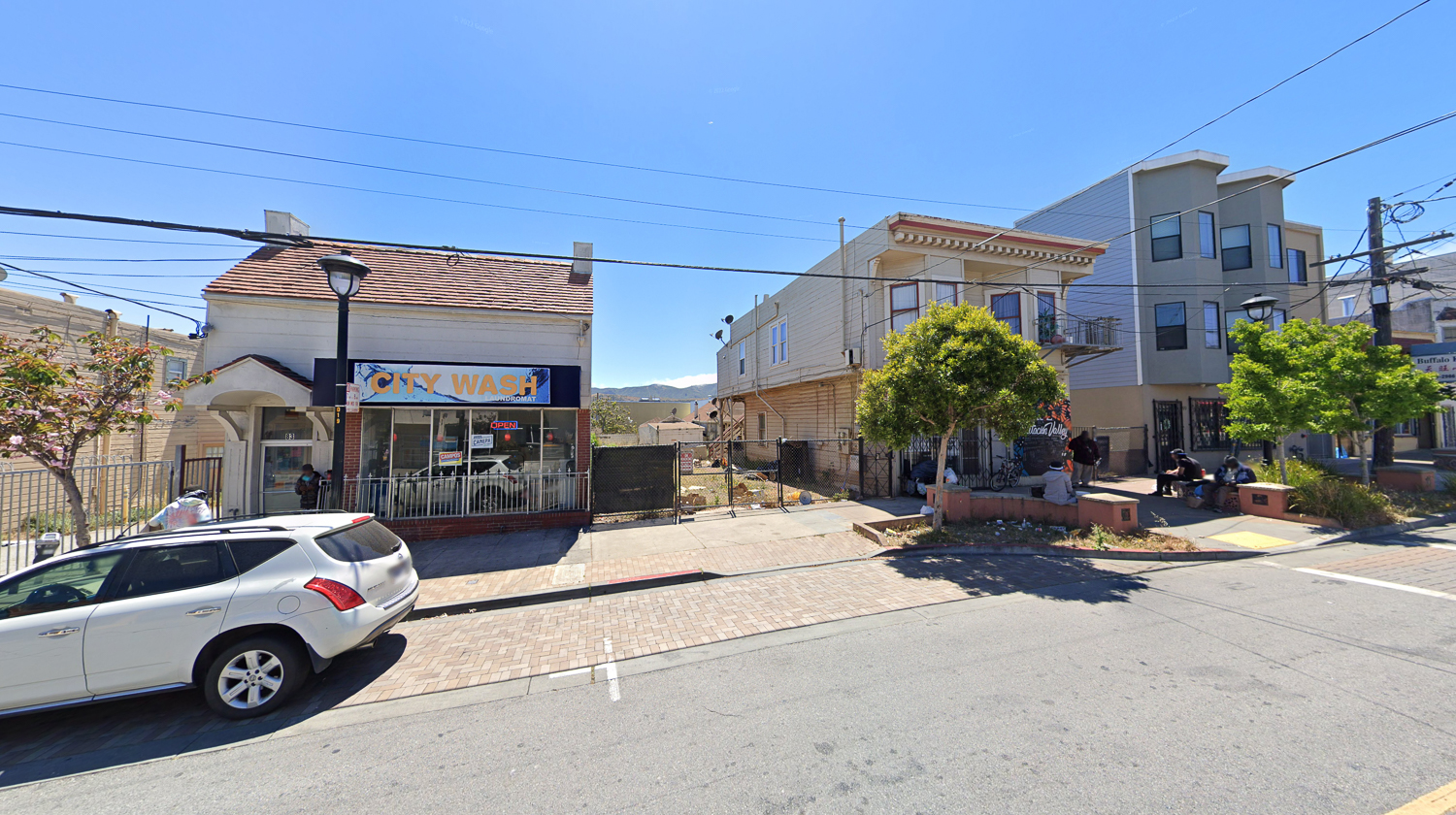
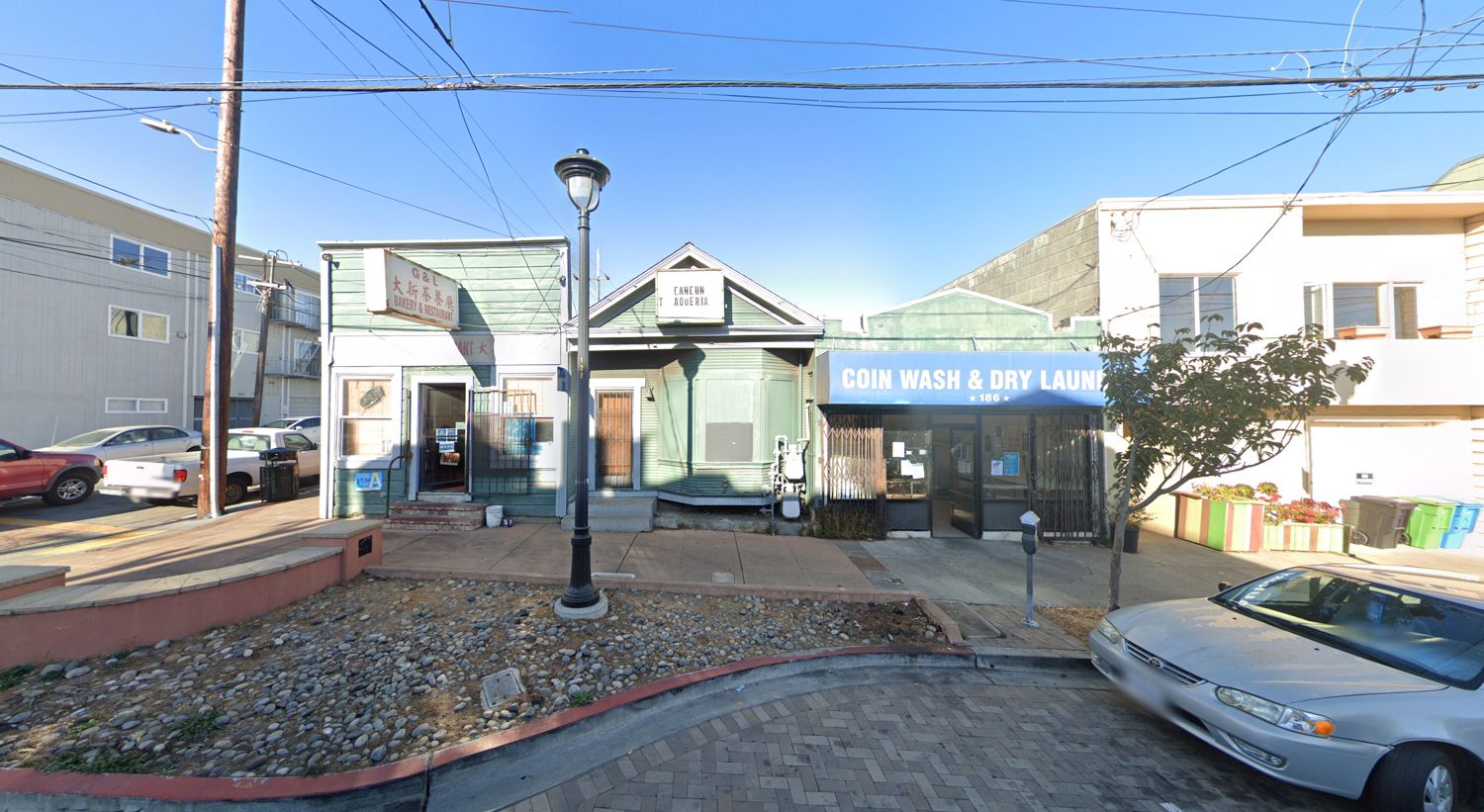
Visitacion Valley, situated along the southeastern border of San Francisco adjacent to Daly City and Brisbane, presents a distinct driving environment compared to central or northern districts of the city. Bordered by John McLaren Park to the west and crossed by major thoroughfares such as Bayshore Boulevard, Geneva Avenue, and Sunnydale Avenue, the neighborhood features a mix of single-family residences, multi-unit housing, and light industrial zones.
Insurance underwriters evaluate auto insurance risk based heavily on geographic location, specifically your primary vehicle garaging address. For residents in ZIP code 94134, key local risk factors shape policy availability and premium calculations:
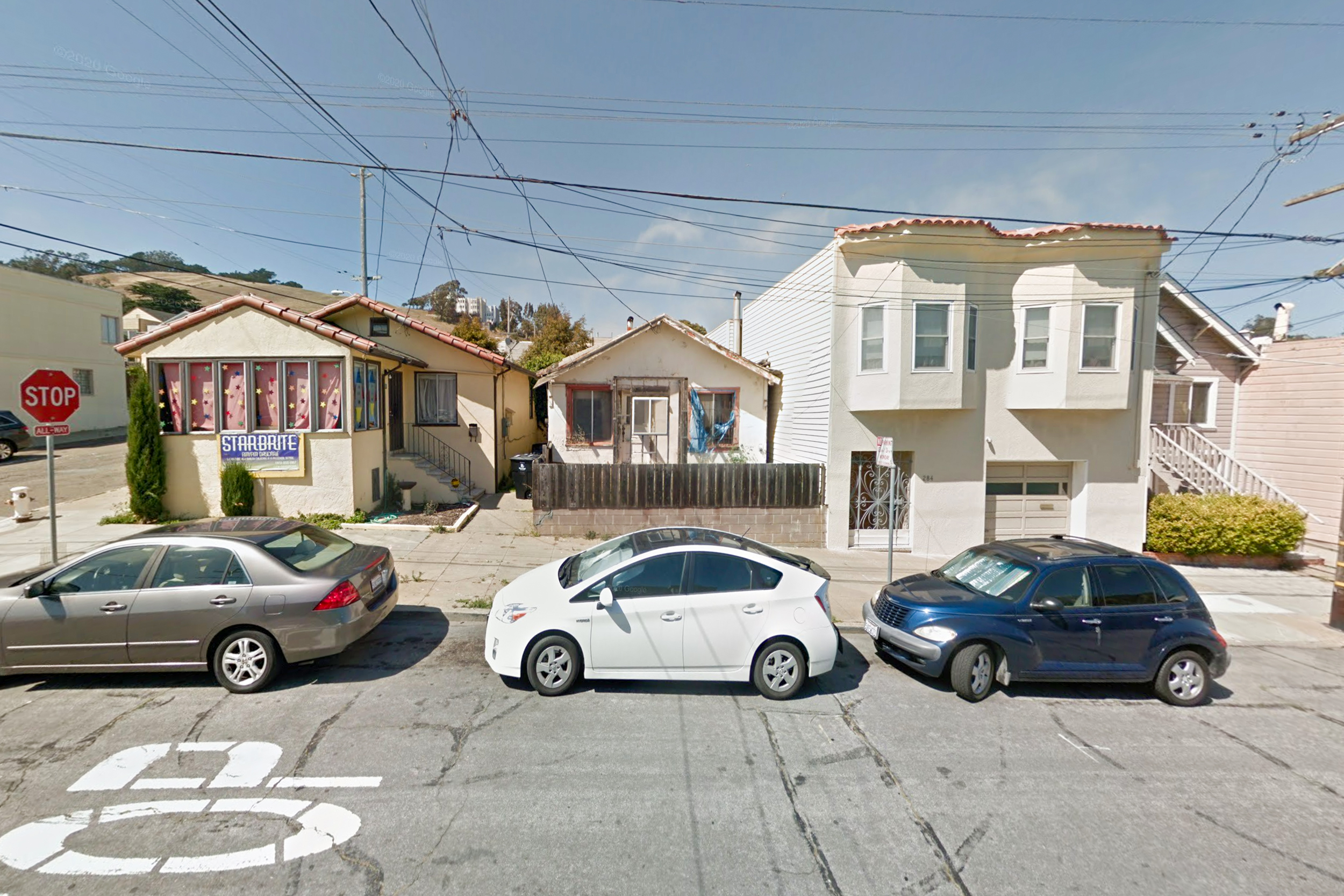
- Parking Infrastructure: Many single-family homes in Visitacion Valley offer private garages or driveways, but multi-family residences and older housing stock rely heavily on street parking along narrow, sloped streets. Vehicles parked on public streets face higher exposure to hit-and-run collisions, side-mirror damage, theft, and vandalism.
- Commute Routes: Proximity to Interstate 280 and U.S. Route 101 means many local drivers engage in high-speed highway commuting into Downtown San Francisco, Silicon Valley, or across the Bay Bridge. Commute distance directly impacts annual mileage classifications and claim probability.
- Property Crime Rates: Auto burglary (window smashing) and catalytic converter theft remain systemic concerns across the San Francisco Peninsula. Insurers factor regional property crime statistics directly into comprehensive coverage rates for 94134 residents.
- Topography and Weather: While less steep than neighborhoods like Nob Hill, Visitacion Valley features rolling hills and frequent fog blowing in from the Pacific Ocean through the San Bruno Gap, creating wet road surfaces and reduced visibility during morning and evening drives.
Understanding these neighborhood-specific variables allows drivers to select insurance policies that protect against actual localized hazards without paying for unnecessary add-ons.
Mandatory California Auto Insurance Requirements
Before evaluating optional coverage upgrades, drivers in Visitacion Valley must ensure their policies comply with California law. The state enforces mandatory financial responsibility laws administered by the California Department of Motor Vehicles (DMV).
Effective January 1, 2025, Senate Bill 1107 permanently increased California’s statutory minimum auto liability insurance requirements. Policies active in 2026 must meet or exceed the following limits:
- $30,000 for Bodily Injury or Death per Person: The maximum amount your insurer will pay for injuries caused to a single individual in an accident where you are at fault.
- $60,000 for Total Bodily Injury or Death per Accident: The cap on total medical expenditures covered by your insurer if multiple people are injured in a single fault accident.
- $15,000 for Property Damage per Accident: Coverage for damage your vehicle causes to another person’s car, structure, fence, or municipal property.
California Statutory Liability Minimums (Post-2025 standard active in 2026):
- $30,000 Bodily Injury / Person
- $60,000 Bodily Injury / Accident
- $15,000 Property Damage
Why State Minimums Are Rarely Enough in San Francisco
While carrying 30/60/15 coverage satisfies legal requirements to maintain vehicle registration, relying solely on minimum liability limits carries severe financial risk in the San Francisco Bay Area. The average cost of a modern sedan or electric vehicle easily exceeds $15,000. If you cause an accident resulting in the total loss of a newer vehicle or cause multi-car damage on U.S. 101, you remain personally liable for any court judgments or unpaid repair claims exceeding your $15,000 property damage ceiling. Financial advisors routinely recommend minimum liability limits of 100/300/50 or 250/500/100 for Bay Area vehicle owners to safeguard personal savings and real estate equity.
Core Auto Insurance Coverage Options for Local Drivers
To build a well-rounded auto policy in Visitacion Valley, vehicle owners should evaluate individual coverage components based on vehicle age, garage security, and driving habits.
Complete Auto Protection Strategy:
- State Liability (30/60/15 Min)
- Comprehensive (Theft/Vandal)
- Collision (Crash / Rollover)
- UM / UIM (Uninsured Drivers)
1. Comprehensive Coverage
Comprehensive insurance pays to repair or replace your vehicle if it is damaged by events outside of a collision with another vehicle. In Visitacion Valley, this is arguably the most essential policy add-on. Comprehensive covers:
- Vandalism and window breakage.
- Theft of the entire vehicle or parts (e.g., catalytic converters, wheels).
- Falling objects (such as tree branches during winter storms in McLaren Park).
- Fire, flood, and collisions with animals.
Selection Tip: Choose a deductible ($250, $500, or $1,000) that you can comfortably pay out-of-pocket on short notice if your car is broken into while street-parked.
2. Collision Coverage
Collision coverage pays for physical damage to your vehicle resulting from an impact with another car, a stationary object (such as a retaining wall or parked vehicle), or a rollover accident. Given the tight street parking space along residential blocks like Leland Avenue, low-speed sideswipes and bumper damage are frequent. If your vehicle is leased or financed, your lender will mandate both Collision and Comprehensive coverage.
3. Uninsured / Underinsured Motorist (UM/UIM) Coverage
Data from the California Department of Insurance (CDI) indicates that a significant percentage of drivers on California roads operate vehicles without insurance or carrying only legal minimums.
- Uninsured Motorist Bodily Injury (UMBI): Pays for medical expenses, lost wages, and pain/suffering if you or your passengers are struck by a hit-and-run driver or an uninsured motorist.
- Uninsured Motorist Property Damage (UMPD): Covers up to $3,500 in physical vehicle damage if hit by an identified uninsured driver (or waives your collision deductible via a Collision Deductible Waiver).
4. Medical Payments (MedPay)
MedPay provides immediate coverage for medical or funeral expenses for you and your passengers after an accident, regardless of who was at fault. It works alongside your primary health insurance, helping cover out-of-pocket health plan deductibles and copays.
Provider Landscape and Carrier Options in 94134
The California private passenger auto insurance market has experienced structural recalibration in recent years. While several national carriers limited new policy issuance during prior rate review cycles, carriers have actively resumed quotes under adjusted rate structures approved by the CDI.
Residents in Visitacion Valley can secure coverage through several primary channels:
Standard National & Regional Carriers
- State Farm: Maintains strong local agent networks in San Francisco and Daly City. Known for robust bundling discounts when paired with renters or homeowners insurance.
- AAA / CSAA Insurance Group: Highly popular throughout Northern California. Offers local branch support, emergency roadside integration, and specialized coverage tiers for Northern California commuters.
- Mercury Insurance: A regional specialist in California offering competitive rates for drivers who need strong standard coverage without excessive premium markups.
- Progressive & GEICO: Direct-to-consumer digital platforms offering fast online quoting, flexible payment structures, and telematics-based drive-tracking discount options.
- Allstate & Farmers: Provide high-touch local agency representation, suitable for high-net-worth households seeking umbrella liability integration across real estate portfolios.
State-Sponsored Alternative: California Low Cost Auto (CLCA)
For income-eligible residents of Visitacion Valley who find commercial auto insurance financially prohibitive, the state offers the California Low Cost Automobile Insurance Program. Created by statute and managed by the CDI, CLCA provides income-qualified drivers with affordable liability coverage that satisfies California’s mandatory financial responsibility requirements.
- Eligibility Criteria: Must have a valid California driver’s license, a vehicle valued under $25,000, a clean driving record, and satisfy income eligibility guidelines (e.g., household income within 250% of the federal poverty level).
- Limits Provided: Policy liability limits under CLCA are customized ($10,000 bodily injury per person, $20,000 bodily injury per accident, $3,000 property damage), allowing qualified lower-income residents to drive legally without facing license suspension or uninsured motorist penalties.
Comparing Insurance Options in Visitacion Valley
The table below outlines common auto insurance packages available to Visitacion Valley residents, highlighting target profiles, recommended limits, and practical applications.
| Coverage Tier | Target Driver Profile | Included Coverages | Recommended Limits | Key Benefit for 94134 Drivers |
|---|---|---|---|---|
| State Statutory Minimum | Drivers on strict budgets; owners of low-value, fully paid-off vehicles. | Bodily Injury Liability, Property Damage Liability. | $30k/$60k/$15k (Legal Min) | Keeps driver legally compliant for basic street driving at lowest initial cost. |
| CLCA State Program | Income-qualified drivers meeting California Low-Cost program criteria. | Low-cost specific liability limits ($10k/$20k/$3k). | Fixed state program limits | Highly affordable monthly premiums for low-income residents. |
| Standard Protection | Commuters leasing or financing mid-range sedans/SUVs; off-street garage parking. | Liability, Comprehensive, Collision, MedPay, UMBI. | $50k/$100k/$25k or $100k/$300k/$50k | Balances property theft protection with liability coverage for highway commuting. |
| Comprehensive Urban | Drivers relying exclusively on street parking along high-density Visitacion Valley blocks. | Liability, Collision, Low-Deductible Comprehensive, UMPD, Glass Protection. | $100k/$300k/$50k + $250 Comp Deductible | Minimizes out-of-pocket costs for broken windows, hit-and-runs, and catalytic converter theft. |
| High-Asset Umbrella Tier | Homeowners, multi-vehicle families, high-income commuters using U.S. 101 daily. | High-limit Liability, Comp, Coll, UM/UIM, Personal Umbrella policy pairing. | $250k/$500k/$100k + $1M Umbrella | Protects personal savings and Bay Area real estate equity against severe litigation claims. |
Key Premium Drivers for Visitacion Valley Residents
Insurance companies utilize sophisticated actuarial models to determine personal auto policy pricing. Understanding how your specific details influence your rate allows you to adjust controllable parameters:
- Garaging Address vs. Parking Type: Insurers ask whether your vehicle is parked in a locked private garage, an open driveway, or on a public street. Indicating a secured garage space in Visitacion Valley can reduce comprehensive premiums significantly.
- Annual Mileage and Usage Type: Driving 5,000 miles per year for local errands around Geneva Avenue results in a lower rate tier than logging 18,000 miles per year commuting across the Bay Bridge to Oakland or south to Santa Clara.
- Vehicle Make, Model, and Repair Complexity: Modern vehicles equipped with advanced driver assistance systems (ADAS)—such as radar sensors in bumpers and windshield camera arrays—cost substantially more to recalibrate after minor fender benders. Additionally, high-theft models attract higher comprehensive premiums.
- Driving History (MVR): Moving violations (speeding, red-light camera citations on Bayshore Blvd) and at-fault accidents remain on your California driving record for 3 to 10 years, eliminating clean driver discounts.
- Credit-Based Insurance Scores (State Limitation): Note for California drivers: California law strictly prohibits auto insurers from using your personal credit score or credit history to determine auto insurance rates or eligibility. Rates are primarily based on driving safety record, annual miles driven, and years of driving experience.
Practical Strategies to Lower Auto Insurance Costs
While San Francisco insurance rates reflect urban operating costs, Visitacion Valley drivers can employ several proven strategies to reduce monthly premiums without compromising essential protection:
1. Leverage California Good Driver Discounts
Under California Proposition 103 regulations, drivers who qualify as a "Good Driver" are entitled by law to purchase auto insurance at a rate at least 20% lower than the insurer's standard rate for non-good drivers. To qualify, you must have held a valid driver's license continuously for the past 36 months and have no more than one violation point on your record.
2. Enroll in Telematics or Usage-Based Programs
Many major carriers offer telematics programs via mobile apps or OBD-II plug-in devices (e.g., State Farm Drive Safe & Save, Progressive Snapshot). These programs track actual driving behaviors—such as braking smoothness, phone interaction while driving, cornering speeds, and late-night driving. Safe drivers can achieve premium discounts ranging from 10% to 30%.
3. Install Theft Deterrents and Vehicle Trackers
Given the localized risk of property theft in metropolitan zones, installing anti-theft devices, catalytic converter shields, steering wheel locks, or GPS tracking units (like AirTags or LoJack) can earn discounts on comprehensive coverage from participating carriers.
4. Optimize Deductibles
Raising your physical damage deductibles—for example, moving your Collision and Comprehensive deductible from $250 to $1,000—can decrease your annual premium by 15% to 30%. However, maintain this higher deductible amount in an accessible emergency savings account so you are prepared if a claim occurs.
5. Bundle Multi-Policy Coverages
Combining auto insurance with a renters, condo, or homeowners policy from the same carrier yields significant cross-policy discounts. Renters insurance in Visitacion Valley is relatively inexpensive and often pays for itself through the resulting discount applied to your auto policy.
How to Obtain and Finalize Auto Insurance Coverage
Securing an auto policy in San Francisco requires gathering essential documentation and following a structured process to ensure seamless coverage transition.
- Step 1: Gather Information (VIN, DL, Garaging Address, Mileage)
- Step 2: Obtain Quotes (Min. 3 Carriers + Local Agent Review)
- Step 3: Select Coverage & Deductibles (Match Local Risk Profile)
- Step 4: Bind Policy & File Proof (DMV e-filing / ID Cards)
Step 1: Gather Vehicle and Driver Documentation
Before requesting quotes online or contacting an independent agent, assemble:
- Vehicle Identification Numbers (VIN) for all household vehicles.
- Driver’s license numbers for all resident family members or household drivers.
- Exact current odometer readings and estimated annual commute miles.
- Your current policy declaration page (if switching carriers) to ensure continuous coverage proof.
Step 2: Compare Multiple Quotes
Request quotes from at least three distinct sources: one major direct carrier (e.g., GEICO or Progressive), one regional carrier (e.g., Mercury), and one captive agent network (e.g., State Farm or AAA). Ensure every quote uses identical coverage limits and deductibles so you can perform an accurate price-to-value evaluation.
Step 3: Verify Binding Terms and DMV Electronic Filing
Once you select a carrier, complete the application process and pay the initial deposit to "bind" coverage. Ensure the insurer submits proof of financial responsibility electronically to the California DMV database to prevent vehicle registration suspensions. Print or download digital copies of your Insurance Identification Card to keep inside your vehicle at all times.
Frequently Asked Questions
What are the legal minimum auto insurance requirements in California for 2026?
California law mandates minimum auto liability limits of $30,000 for bodily injury per person, $60,000 for total bodily injury per accident, and $15,000 for property damage per accident (30/60/15). These limits apply to all policies issued or renewed in California.
Is comprehensive insurance necessary if I park my car on the street in Visitacion Valley?
While comprehensive insurance is not legally mandatory unless required by a auto lender, it is strongly recommended for street-parked vehicles in San Francisco. Comprehensive covers financial loss from window break-ins, vehicle theft, catalytic converter theft, severe storm damage, and hit-and-run vandalism while your car is parked.
How does my ZIP code (94134) affect my auto insurance premium?
Insurers evaluate ZIP codes based on local claims history, vehicle density, traffic congestion, collision rates, and property crime statistics. ZIP code 94134 rates reflect local risk patterns, highway proximity (US-101 and I-280), and street-parking claim frequencies relative to other Bay Area neighborhoods.
Can I get affordable insurance in Visitacion Valley if I have a lower income?
Yes. Income-eligible drivers with clean driving records may qualify for the California Low Cost Automobile Insurance Program (CLCA). This state-sponsored initiative provides legal liability coverage at significantly reduced rates. You can verify eligibility and apply through the official state portal at MyLowCostAuto.com.
Can California insurance companies raise my rates based on my credit score?
No. Under California Insurance Code provisions established by Proposition 103, auto insurers operating in California are strictly prohibited from using credit scores or credit history to determine auto insurance rates, policy eligibility, or renewal premiums.
Recommended Next Steps
To secure optimal auto insurance coverage in Visitacion Valley:
- Review Current Coverage: Check your existing declaration page to confirm your liability limits meet or exceed the updated 30/60/15 California minimums.
- Evaluate Garage Safety: If you have access to off-street or garage parking, notify your insurer immediately to ensure your garaging status accurately reflects your reduced risk profile.
- Gather Three Comparative Quotes: Request quotes from standard national insurers, local regional agents, or check your qualification status for the CLCA program to find the best rate-to-coverage balance for your household.
Disclaimer: Auto insurance regulations, policy terms, and statutory requirements are subject to change by state legislative bodies and regulatory agencies. For customized financial or legal guidance regarding policy selection, consult a licensed California insurance professional or refer directly to the California Department of Insurance.
Image Gallery