The Trouble Behind Bella Swan’s Nightmare Wedding Dress
The trouble behind Bella Swan’s nightmare wedding dress in The Twilight Saga: Breaking Dawn – Part 1 stems from intense production secrecy, severe physical filming conditions, and the challenge of contrasting a gore-filled anxiety drea...
The trouble behind Bella Swan’s nightmare wedding dress in The Twilight Saga: Breaking Dawn – Part 1 stems from intense production secrecy, severe physical filming conditions, and the challenge of contrasting a gore-filled anxiety dream with Carolina Herrera’s official gown. Extreme paparazzi interference required armed security and blackout cloaks to prevent image leaks before release.
Contents
Narrative Context: Bella’s Wedding Dream Sequence
In The Twilight Saga: Breaking Dawn – Part 1, the narrative builds toward the long-anticipated union between human Bella Swan (played by Kristen Stewart) and vampire Edward Cullen (played by Robert Pattinson). Before reaching the serene, floral-draped altar in the Cullen backyard, the story forces Bella to confront her subconscious terror through a vivid nightmare sequence.
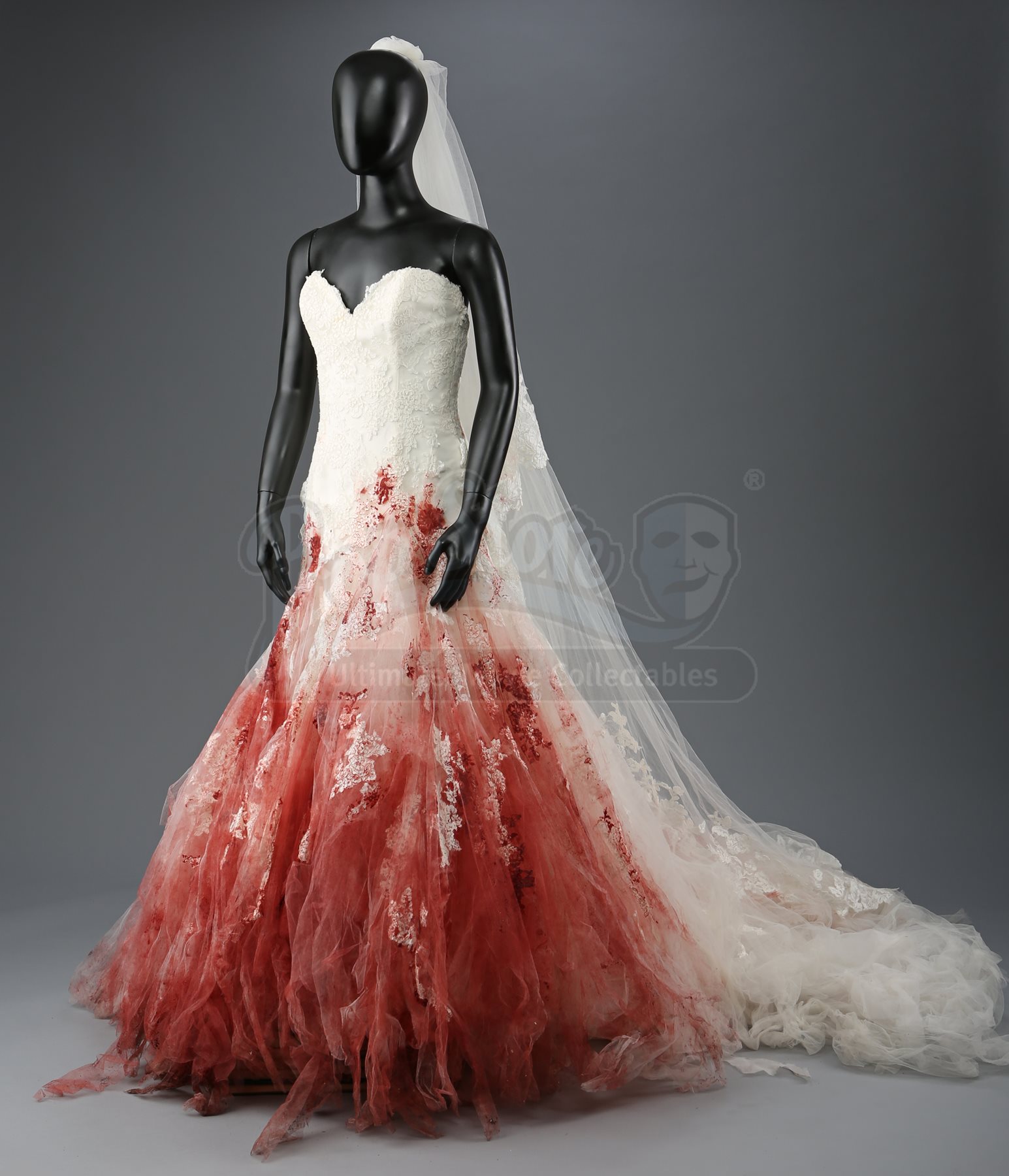
This anxiety dream acts as psychological foreshadowing. Bella fears not only her physical transformation into an immortal being, but also the inevitable destruction her union will bring upon her human loved ones. In the dream sequence, Bella walks down a sunlit aisle in what initially appears to be a traditional white wedding dress, only to discover that the altar rests upon a mountain of bloody corpses, including her parents, Charlie and Renee, and her close friends. Atop the horrific pile stand the Volturi—the ancient vampire ruling body—garbed in red-lined robes, signaling imminent doom.
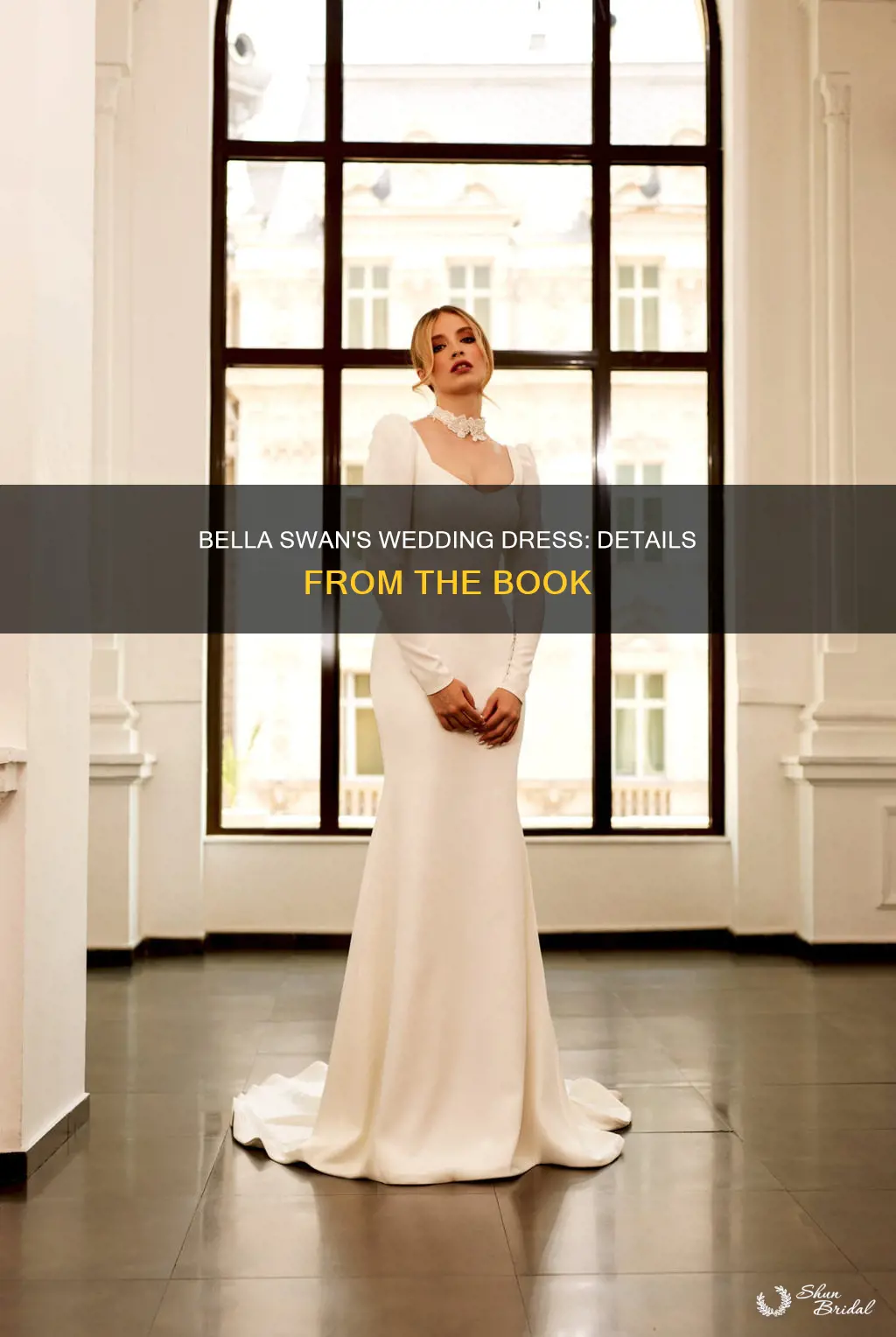
Costume designer Michael Wilkinson was tasked with managing the visual wardrobe for both the dream sequence and the actual wedding ceremony. While Carolina Herrera created the sleek, understated vintage silk gown worn for the real ceremony, the dream sequence gown served a vastly different narrative purpose: it had to project romantic idealism while remaining structurally adaptable to a set dripping in theatrical blood and physical chaos.
Design and Production Challenges of the Nightmare Gown
Creating a wedding gown intended to be ruined by cinematic blood while maintaining high-fashion appeal presents distinct logistical hurdles for a film wardrobe department. Costume designer Michael Wilkinson had to balance the authorial vision of Stephenie Meyer with the visceral demands of director Bill Condon's vision for the scene.
Nightmare Dress Design Priorities:
- Visual Contrast: Traditional silhouette vs. surreal horror elements
- Duplication: Multiple identical gowns built for blood and stunt work
- Fabric Resilience: Materials that hold structure when wet with theatrical blood
- Lighting Adaptation: Fabric capable of maintaining high-key white under intense lamps
Contrast and Psychological Framing
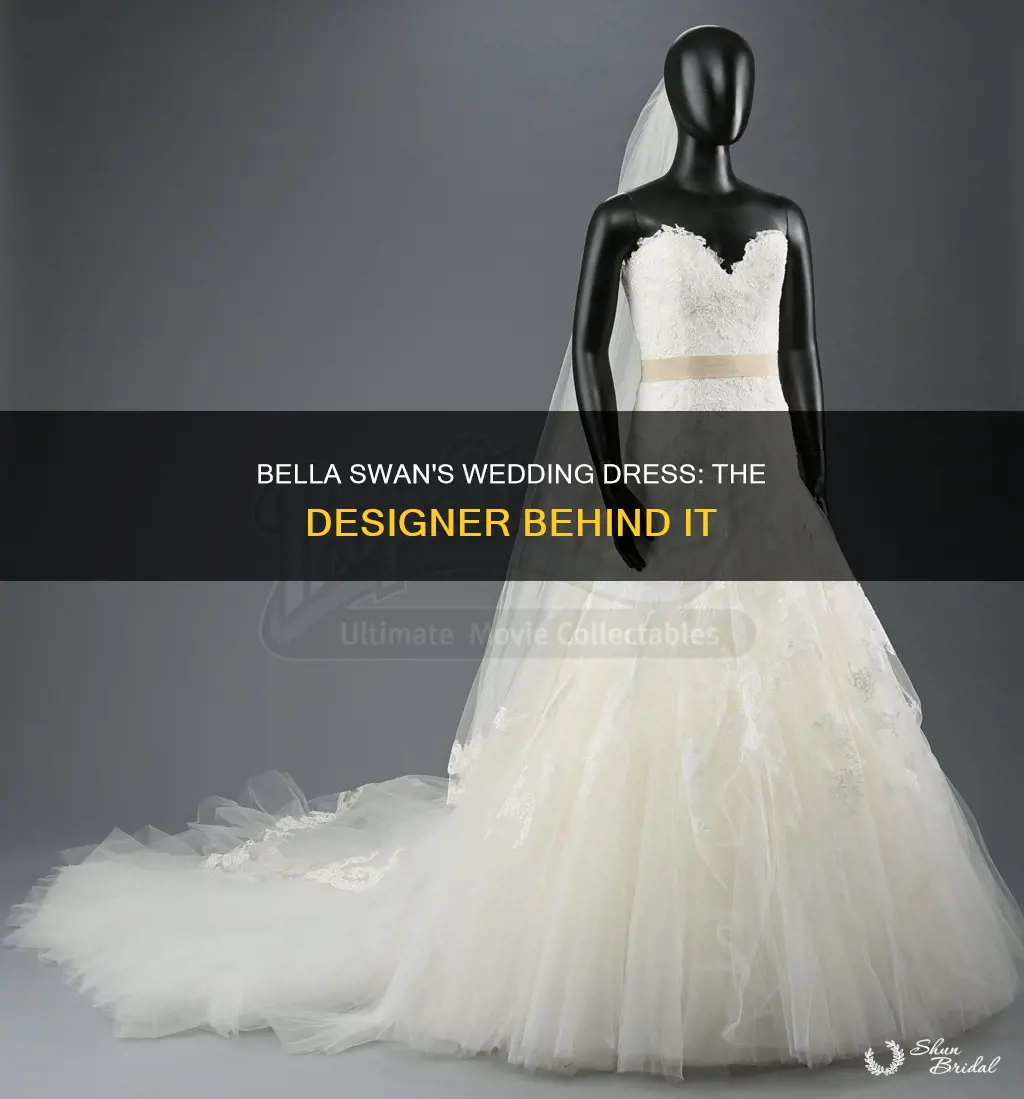
The nightmare dress was designed to appear initially pristine, lulling the viewer into believing they are watching the actual wedding ceremony before the turn into horror occurs. Unlike Carolina Herrera’s custom silk satin gown—which emphasized an elegant 1920s vintage aesthetic with backless Chantilly lace—the nightmare dress utilized more dramatic volume. The theatrical nature of the nightmare dress highlighted Bella’s internal pressure: she felt forced into a grand public spectacle that clashed with her introverted nature.
Multi-Dress Duplication and Blood Testing
Because the nightmare sequence involved walking through simulated blood and climbing over set pieces designed to resemble dead bodies, the wardrobe team could not rely on a single garment. Standard studio protocols for blood-stained scenes require multiple duplicates of the exact same outfit:
- Hero Dress: Used for tight close-ups before any blood touches the fabric.
- Stunt/Action Dresses: Altered with reinforced internal boning and hidden mobility gussets to allow movement on uneven surfaces.
- Stage-Blood Versions: Pre-stained or treated with special release agents so synthetic blood would adhere correctly without immediately soaking into structural linings and ruining the silhouette.
Simulated blood used in filmmaking frequently discolors synthetic fabrics differently than natural silk. The wardrobe department executed rigorous camera tests under high-definition lighting to ensure that the dye in the blood did not bleed into washed-out pink tones against the stark white fabric.
Production Security, Paparazzi Threats, and Set Logistics
The primary trouble behind the wedding garments on the Breaking Dawn set was not merely technical, but security-driven. During production in Vancouver and Baton Rouge, The Twilight Saga was at the peak of global pop-culture interest, making every element of Bella’s bridal look a prime target for paparazzi and unauthorized leaks.
Security Protocol Hierarchy:
- Enclosed Tents: Sealed walkways from trailers to set
- Heavy Black Cloaks: Full-body coverage between takes
- Perimeter Guards: Armed security monitoring aerial photography
- Closed Sets: Essential crew only during camera rolling
The Paparazzi Siege
Paparazzi deployed long-range telephoto lenses, charter helicopters, and drones to photograph Kristen Stewart in her wedding attire before the film's official release. The studio, Summit Entertainment, implemented extreme security measures to protect the design reveal:
- Black Cloaks and Blankets: Between every take, security personnel wrapped Stewart in heavy, opaque black cloaks and held up large umbrellas to block overhead angles.
- Sealed Soundstages and Closed Sets: Outer perimeters were monitored continuously, and non-essential crew members were removed from the soundstage during wardrobe adjustments.
- Strict Digital Protocols: Crew members were barred from carrying personal smartphones or cameras near the wardrobe department to prevent internal leaks.
Despite these efforts, photos of the outdoor wedding set leaked online during filming, triggering emergency press releases from the studio urging fans to refrain from circulating unauthorized imagery. The constant threat of leaks added immense psychological and operational pressure to the costume department, who had to repair, clean, and hide the garments continuously under high-stress working conditions.
Physical Constraints of Filming the Dream Sequence
Filming the dream sequence was physically taxing for both the lead actress and the stunt team. The production design called for a sprawling, multi-tiered pile of simulated bodies, constructed from a combination of live extras, silicone dummies, and synthetic blood mixtures.
Navigating Hazardous Set Pieces
Walking across an uneven pile of props in a full-length wedding gown presents severe safety risks:
- Tripping Hazards: Traditional bridal hemlines sit flush with the floor. Stunt dress versions of the nightmare gown had to be hemmed slightly higher in the front to prevent Stewart from catching her heels while traversing the slope of prop bodies.
- Chemical Safety: The artificial blood used in large-scale film productions often contains syrup bases, food coloring, and preservatives. When applied liberally over expansive sets, the substance becomes extremely slippery, complicating footwork for cast members wearing slick-soled bridal shoes.
- Environmental Exposure: Filming involved long hours in chilly indoor soundstages and wet locations, forcing wardrobe handlers to warm the damp, blood-soaked gown between takes to prevent hypothermia risks for the actors.
Comparing Bella’s Wedding Dresses: Nightmare vs. Reality
To fully understand the artistic and practical divisions between the dream sequence and the actual wedding dress, examine the structural and stylistic differences engineered by the costume department.
| Feature / Aspect | The Nightmare Wedding Dress | The Official Wedding Gown |
|---|---|---|
| Primary Designer | Michael Wilkinson (Costume Department) | Carolina Herrera (Custom Bridal) |
| Narrative Intent | Psychological horror, anxiety, and doom | Eternal commitment, classic romance |
| Fabric & Construction | Layered tulle, structured bodice, stain-resistant blends | Silk satin, French Chantilly lace, custom buttons |
| Visual Silhouette | Voluminous, dramatic, traditional ballgown cues | Sleek, liquid-sheath silhouette with low back |
| Filming Duplicates | Multiple copies built for blood staining and stunt movement | Limited hero gowns preserved under maximum security |
| On-Set Conditions | Synthetic blood, prop bodies, physical stunt work | Manicured floral sets, heavy cloak coverage |
| Commercial Release | None officially mass-produced for bridal retail | Licensed replica produced by Alfred Angelo |
Commercial Aftermath and the Replica Rush
When Breaking Dawn – Part 1 hit theaters, public interest centered heavily on the bridal fashion displayed throughout the marketing campaign and film footage. However, the contrast between the nightmare gown and the official Carolina Herrera design created a unique phenomenon in the retail bridal market.
Bridal Market Timeline:
- Film Release: November 2011 theatrical debut
- Herrera Reveal: Custom gown unveiled after release weekend
- Official Replica: Authorized Alfred Angelo gown retails at $799
- Market Copycats: Global unauthorized manufacturers flood online retail
The Fast-Fashion Copycat Race
Summit Entertainment partnered officially with bridal manufacturer Alfred Angelo to produce an authorized replica of the official Carolina Herrera gown, retailing for approximately $799. However, the secrecy surrounding the wedding scenes prior to release left room for counterfeiters and unauthorized manufacturers to misinterpret leaked images.
Early leaked photographs of the set—which caught glimpses of white fabrics from both the dream sequence and the real wedding—led several low-quality international manufacturers to produce incorrect hybrid dresses. Buyers who ordered unverified online replicas often received garments that mismatched the real Herrera backless lace detailing, looking closer to the structured, less refined nightmare dress prototypes.
Frequently Asked Questions
Why did Bella have a nightmare about her wedding dress in Breaking Dawn?
The nightmare sequence represents Bella’s deep-seated anxiety regarding her mortality, her fear of losing her family, and the violent consequences of entering the vampire world. The bloody scene on top of the pile of corpses emphasizes her subconscious guilt that her choices could cause the death of everyone she loves.
Who designed the nightmare wedding dress versus the real wedding dress?
The official, real wedding gown worn by Bella was designed by renowned fashion designer Carolina Herrera. The nightmare gown and overall wardrobe direction for the film were managed by costume designer Michael Wilkinson and his production team to fit the specific dramatic and physical needs of the nightmare sequence.
Did the nightmare wedding dress get ruined during filming?
Yes. Because the sequence required Bella to stand atop a mound of bloody bodies with blood spilling over the set, multiple versions of the nightmare dress were deliberately soaked and stained with synthetic stage blood during production.
Were images of Bella’s wedding dress leaked before the movie came out?
Yes. Despite severe security measures, including heavy blackout cloaks, armed security, and sealed soundstages, paparazzi managed to capture long-lens photographs of the cast during exterior filming. These leaks prompted Summit Entertainment to issue public requests asking fans to stop spreading stolen images prior to the film's theatrical debut.
Can you buy the nightmare wedding dress officially?
No. Unlike the official Carolina Herrera wedding gown—which was licensed and replicated for retail by bridal designer Alfred Angelo—the nightmare gown was a custom prop dress created strictly for cinematic storytelling and stunt execution, and was never released as an official commercial product.
Practical Takeaways for Film and Costume Analysis
Analyzing the troubles behind Bella Swan’s nightmare wedding dress offers valuable insight into how film production balances aesthetic art with physical execution:
- Distinguish Story Purpose from Reality: Costume design serves character psychology. The contrast between the dramatic nightmare gown and the understated Carolina Herrera silk gown emphasizes Bella's shift from fear to acceptance.
- Appreciate Wardrobe Logistics: When a scene calls for water, dirt, or synthetic blood, costume departments must craft identical duplicate garments tailored specifically for stunt performance and stain management.
- Recognize Security Challenges: Modern pop-culture productions face unprecedented threats from unauthorized photography, requiring complex logistics to keep pivotal visual reveals secret until official release.
Image Gallery